
The relationship between humanity and the Earth, as depicted in biblical texts, offers profound insights that extend far beyond theological discussion, influencing how we approach economic decisions, resource management, and long-term financial strategy. While not a financial textbook, the Bible lays foundational principles concerning stewardship, ownership, and responsibility that are remarkably relevant to contemporary money matters, from personal finance to global investment strategies. Understanding these ancient precepts can guide modern financial practitioners and individuals toward more sustainable, ethical, and ultimately, more prosperous economic practices.
The Earth as a Divine Trust: Foundations of Stewardship
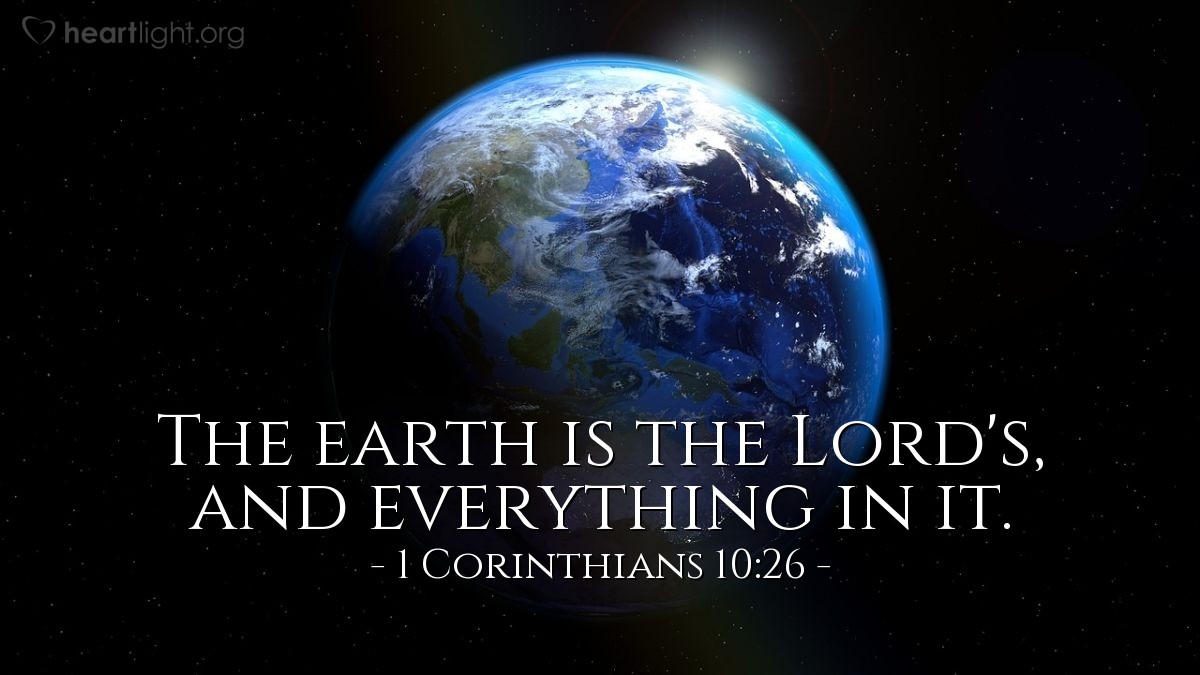
Central to the biblical narrative is the assertion that the Earth and everything in it belong to God. Psalm 24:1 declares, “The earth is the Lord’s, and the fullness thereof; the world and they that dwell therein.” This fundamental premise immediately redefines human interaction with resources from one of absolute ownership to one of temporary stewardship. We are not ultimate proprietors but rather caretakers, entrusted with managing assets that are not inherently ours.
Ownership and Responsibility
This concept of divine ownership carries significant implications for financial decisions. It posits that all wealth, whether in the form of land, capital, or natural resources, is a trust. Humanity’s role, as outlined in Genesis 1:28 and 2:15, is to “subdue” and “have dominion” over the Earth, and “to work it and keep it.” These commands are not licenses for exploitation but mandates for responsible management and cultivation. Financially, this translates into a responsibility to manage assets prudently, not just for personal gain, but for the well-being of the broader community and future generations. It encourages a long-term perspective over short-term profiteering, aligning with modern financial principles of sustainability and intergenerational equity. For instance, businesses operating with a stewardship mindset might prioritize sustainable supply chains and ethical labor practices, recognizing their responsibility to people and planet, which often translates into enhanced brand value and long-term profitability.
Wealth Creation and Resource Management
The command to “work the ground” directly implies productivity and the responsible utilization of natural resources. From an economic standpoint, this supports the legitimate pursuit of wealth creation through honest labor and innovation. However, it also demands that wealth be generated in a manner that respects the integrity of the Earth and its inhabitants. This means evaluating business models not just on their profitability, but also on their environmental impact and social footprint. Financial tools like green bonds, impact investing, and socially responsible funds are modern manifestations of this biblical principle, allowing investors to align their capital with ventures that aim to generate positive societal and environmental outcomes alongside financial returns. The biblical emphasis on working the land and cultivating its fruit implies a sustainable approach to resource extraction and agricultural practices, principles that are now cornerstones of responsible investing and corporate governance.
Sustainable Practices and Long-Term Value from Biblical Perspectives
Biblical law is replete with instructions designed to ensure the long-term health and productivity of the land, as well as the equitable distribution of its benefits. These ancient statutes provide blueprints for sustainable financial systems and resource management that resonate deeply with contemporary challenges.
Cycles of Rest and Renewal
The institution of the Sabbath year (Leviticus 25:1-7) and the Year of Jubilee (Leviticus 25:8-55) are prime examples of embedded sustainability principles. The Sabbath year commanded the land to lie fallow every seventh year, allowing it to rest and replenish its nutrients. This agricultural practice, far ahead of its time, prevented soil depletion and ensured long-term productivity. Financially, this teaches the importance of cyclical thinking, recognizing that constant, unchecked growth can lead to exhaustion and collapse. It advocates for periods of consolidation, reinvestment, and even strategic pauses in economic activity to ensure long-term viability. For businesses, this might mean investing in research and development during profitable cycles to innovate for future sustainability, or consciously managing growth to avoid burnout and maintain operational health.
The Year of Jubilee, occurring every 50 years, mandated the return of ancestral land to original families and the emancipation of indentured servants. This radical economic reset aimed to prevent permanent concentration of wealth and land, ensuring a baseline of economic opportunity for all and preventing the emergence of a permanently dispossessed class. While direct application is complex in modern economies, the underlying principle – preventing extreme wealth disparities and ensuring broad-based access to productive assets – is highly relevant. It speaks to policies promoting fair access to capital, affordable housing, and equitable labor practices, all of which contribute to stable, resilient economies and reduce systemic financial risk.

Preventing Exploitation and Promoting Equity
Biblical laws also contained specific provisions to protect the vulnerable and prevent exploitation. The command not to “reap to the very edges of your field” nor “gather the gleanings of your harvest,” but to leave them for the poor and the sojourner (Leviticus 23:22, Deuteronomy 24:19-22), is a precursor to social safety nets and ethical business practices. Financially, this encourages businesses to consider their broader societal impact, going beyond mere compliance to actively contributing to community well-being. It informs the idea of stakeholder capitalism, where the interests of employees, customers, suppliers, and the community are considered alongside shareholder returns. This perspective can lead to stronger consumer loyalty, a more stable workforce, and a more favorable operating environment, thereby enhancing long-term financial performance.
Investing in the Earth’s Future: A Stewardship Imperative
The biblical call to care for creation and ensure justice translates directly into modern financial strategies, particularly in the realm of Environmental, Social, and Governance (ESG) investing. These principles are not merely ethical niceties but are increasingly recognized as critical factors for long-term financial success and risk management.
Environmental, Social, and Governance (ESG) Integration
A biblical worldview aligns profoundly with the core tenets of ESG investing. The “E” (Environmental) component, which evaluates a company’s impact on nature, directly echoes the mandate to “keep” and “work” the Earth responsibly. Investors guided by stewardship principles would naturally favor companies with strong environmental policies, reduced carbon footprints, and sustainable resource use. The “S” (Social) component, focusing on a company’s relationships with employees, suppliers, customers, and communities, resonates with biblical injunctions for justice, equity, and care for the vulnerable. Businesses that prioritize fair wages, safe working conditions, and community engagement are not only ethically sound but often benefit from higher employee morale, lower turnover, and stronger brand reputation. Finally, the “G” (Governance) component, which assesses leadership structure, executive compensation, audits, and shareholder rights, reflects the biblical emphasis on integrity, accountability, and transparent management of resources. Investing in companies with robust ESG frameworks is not just about doing good; it’s about investing in entities that are better positioned for long-term resilience and value creation in a world increasingly focused on sustainability and ethical conduct.
Building Lasting Wealth Through Sustainable Practices
The Bible often contrasts fleeting, ill-gotten gains with enduring, righteous wealth. Proverbs 13:11 warns, “Wealth gained hastily will dwindle, but whoever gathers little by little will increase it.” This wisdom applies to how we manage the Earth’s resources. Short-sighted exploitation for immediate profit often leads to environmental degradation and economic instability in the long run. Conversely, sustainable practices, inspired by biblical stewardship, foster long-term financial stability and can build generational wealth. Investing in renewable energy, sustainable agriculture, and eco-friendly technologies, for example, aligns with caring for the Earth and positions investors for growth in burgeoning sectors that address global challenges. These investments often provide stable returns, contribute to a healthier planet, and reduce regulatory and reputational risks, thus creating lasting value for both investors and society.
Beyond Material Wealth: Redefining Financial Success
Ultimately, the biblical perspective on the Earth and its resources encourages a broader understanding of “financial success” that transcends mere accumulation. It calls for an assessment of wealth not just by its quantity, but by its impact and purpose.
Treasure on Earth vs. Treasure in Heaven
Jesus’ teaching in Matthew 6:19-21—”Do not lay up for yourselves treasures on earth… but lay up for yourselves treasures in heaven”—provides a critical lens through which to view financial decisions. While not an indictment of wealth itself, it’s a caution against idolatry of material possessions and a call to consider the eternal significance of our financial choices. In a modern context, this encourages individuals and institutions to think about their financial legacy beyond monetary inheritance. It can inform decisions around charitable giving, philanthropic endeavors, and impact investing, where capital is deployed to address social and environmental issues. Redefining financial success to include contributions to a just and sustainable world can lead to a more fulfilling and purposeful approach to wealth management.
Generosity and Distribution
The biblical emphasis on generosity, tithing, and caring for the poor (e.g., Deuteronomy 15:7-11, Proverbs 19:17) ties directly into the concept of wealth distribution. While many modern financial systems prioritize individual accumulation, biblical principles highlight the interconnectedness of economic well-being. When wealth is shared and invested back into communities, it can foster greater economic stability and reduce social friction, indirectly benefiting all participants in an economy. This framework encourages deliberate financial planning for giving, whether through direct donations, supporting social enterprises, or advocating for policies that promote equitable access to economic opportunities. The health of the “Earth” – understood as both the physical planet and the human societies upon it – is inextricably linked to how financial resources are managed and distributed.
In summary, what the Bible says about the Earth is a powerful framework for modern financial stewardship. It calls for a move beyond transactional thinking to a transformative approach, where financial decisions are viewed through the lens of responsibility, sustainability, and long-term impact. By integrating these timeless principles, individuals and institutions can cultivate financial practices that are not only profitable but also ethically sound, environmentally responsible, and socially beneficial, contributing to a more prosperous and sustainable future for all.
aViewFromTheCave is a participant in the Amazon Services LLC Associates Program, an affiliate advertising program designed to provide a means for sites to earn advertising fees by advertising and linking to Amazon.com. Amazon, the Amazon logo, AmazonSupply, and the AmazonSupply logo are trademarks of Amazon.com, Inc. or its affiliates. As an Amazon Associate we earn affiliate commissions from qualifying purchases.