
The humble raccoon, a creature often found rummaging through our trash bins or scampering across our backyards, holds a surprisingly complex place in the natural world. While its familiarity might lead us to believe we understand it intimately, the question of “what family is the raccoon?” delves deeper than just its common name. This exploration, rooted in biological classification, is akin to understanding the intricate architectures of technology, the strategic branding that shapes perceptions, or the financial frameworks that underpin economies. Just as we seek to categorize and comprehend these human endeavors, nature too has its own system of order.
The Biological Family Tree: Placing the Raccoon
To answer the question of the raccoon’s family, we must embark on a journey through the Linnaean system of classification, a hierarchical framework that organizes all living organisms. This system, much like a well-structured database in the tech world or a meticulously crafted brand guideline, aims for clarity and understanding by grouping organisms based on shared characteristics.
Order: Carnivora – The Meat-Eaters
At a broad level, raccoons belong to the Order Carnivora. This is a vast and diverse group of mammals that primarily feed on meat, although many members, including the raccoon, have evolved to be omnivorous, meaning they consume both plants and animals. This designation immediately tells us about their evolutionary history and some fundamental biological traits. Think of this as the overarching industry sector for a technology company – it defines its primary operational domain. The Order Carnivora includes a staggering array of animals, from the majestic lion and the sleek tiger to the agile wolf and the domestic dog. Even seemingly herbivorous animals like the giant panda are classified within Carnivora due to their ancestry.
Within Carnivora, there are several suborders, and raccoons reside in the suborder Caniformia, often referred to as “dog-like” carnivores. This grouping highlights their evolutionary relationship to animals like dogs, bears, seals, and weasels. The other major suborder is Feliformia, which includes cats, hyenas, and mongooses. This distinction is crucial because it points to shared evolutionary pathways and morphological similarities that might not be immediately obvious to the casual observer.
Family: Procyonidae – The Raccoon Family
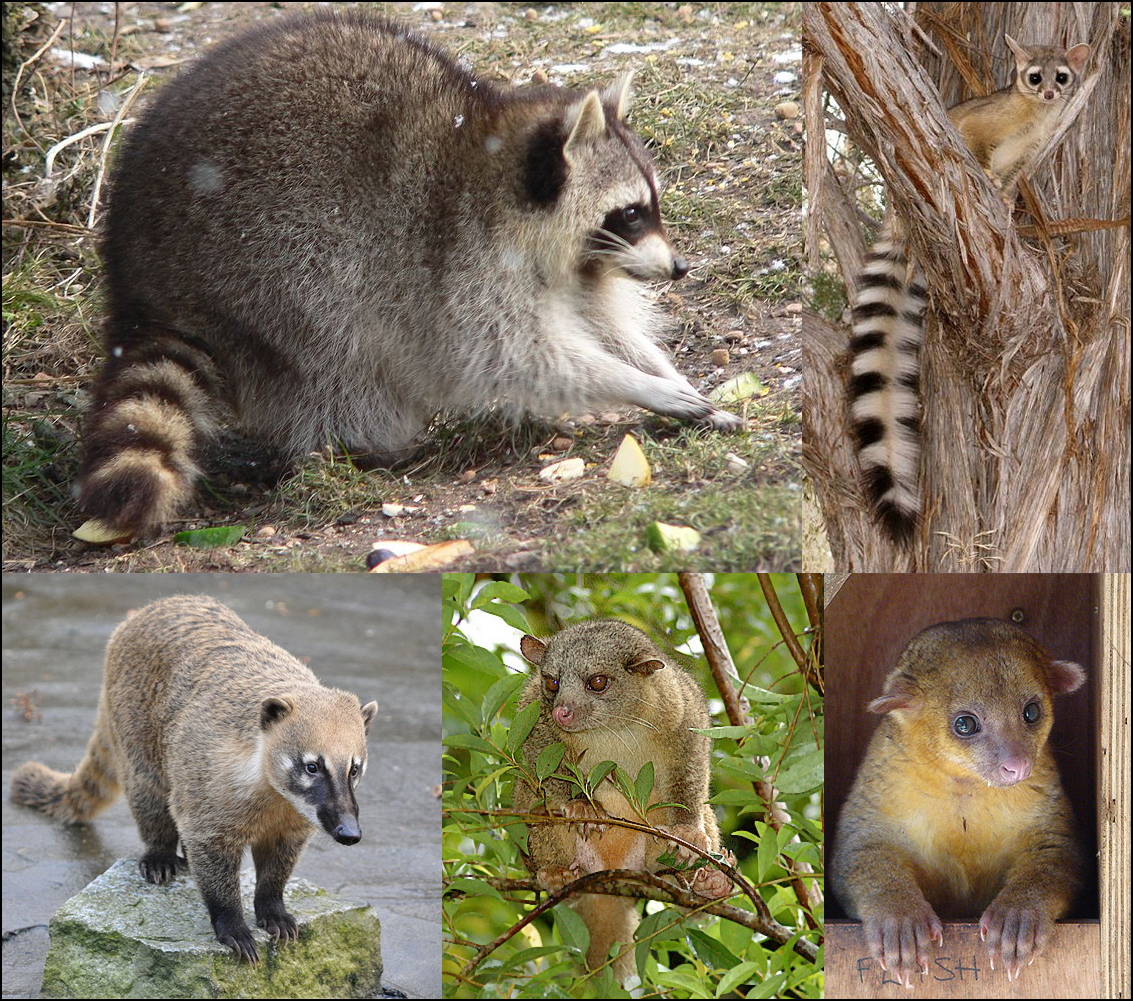
The specific family to which the raccoon belongs is Procyonidae. This is a much more specialized grouping, encompassing a distinct set of mammals found primarily in the Americas. The name “Procyonidae” itself is derived from the genus Procyon, which is the scientific name for the common raccoon. Understanding this family is key to understanding the raccoon’s closest relatives and the unique adaptations that define this group.
The Procyonidae family is characterized by a range of features. Many members are arboreal (tree-dwelling), possess dexterous paws often described as “hand-like” with semi-retractable claws, and have elongated snouts. Their diets are typically omnivorous, and they are known for their intelligence and adaptability. This is akin to identifying a specific niche within a technology market – for instance, a software company specializing in AI-powered productivity tools. It’s more specific than just “software” but defines a clear operational sphere.
Within the Procyonidae family, we find not only the common raccoon (Procyon lotor) but also several other fascinating creatures:
- Coatis (Nasua and Nasuella genera): These are found from the southwestern United States to South America and are easily recognized by their long, prehensile tails, which they often hold upright.
- Kinkajous (Potos flavus): Primarily found in Central and South American rainforests, kinkajous are nocturnal and arboreal, with a prehensile tail and a diet rich in fruit.
- Olingos (Bassaricyon genus): Similar to kinkajous, olingos are also found in the tropical forests of Central and South America and are known for their large eyes, adapted for nocturnal vision.
- Ringtail (Bassariscus astutus): This cat-like mammal, also known as the “miner’s cat” or “ringtail cat,” is found in the arid regions of the southwestern United States and Mexico. It’s distinguished by its long, bushy tail with alternating black and white rings.
- Olinguito (Bassaricyon neblina): Discovered relatively recently in 2013, the olinguito is the first new carnivorous mammal discovered in the Americas in 35 years. It shares similarities with olingos but is more arboreal and has a different diet.
This family structure reveals a shared evolutionary history and a common set of adaptations that have allowed these animals to thrive in various American ecosystems.
The Raccoon’s Unique Niche within Procyonidae
While sharing a family with its cousins, the common raccoon (Procyon lotor) has carved out a particularly successful and widespread niche. Its adaptability is legendary, allowing it to thrive in diverse environments, from dense forests and wetlands to the urban landscapes we ourselves inhabit. This adaptability is a testament to its biological makeup, a blend of traits that have allowed it to persist and even flourish alongside human populations.
Behavioral Adaptations: The Intelligent Forager
Raccoons are renowned for their intelligence and problem-solving abilities. Their dexterous paws, equipped with highly sensitive pads and claws, allow them to manipulate objects with remarkable skill. This is often observed when they “wash” their food, a behavior that likely serves to both clean potential contaminants and enhance their sense of touch, allowing them to better identify textures and textures of food items. This behavior is so distinctive that it’s a primary identifier for the species.
Their nocturnal nature further aids their foraging. Equipped with excellent night vision and a keen sense of smell, they are efficient hunters and scavengers after dark. This strategy allows them to avoid diurnal predators and exploit food sources that are less accessible during the day.
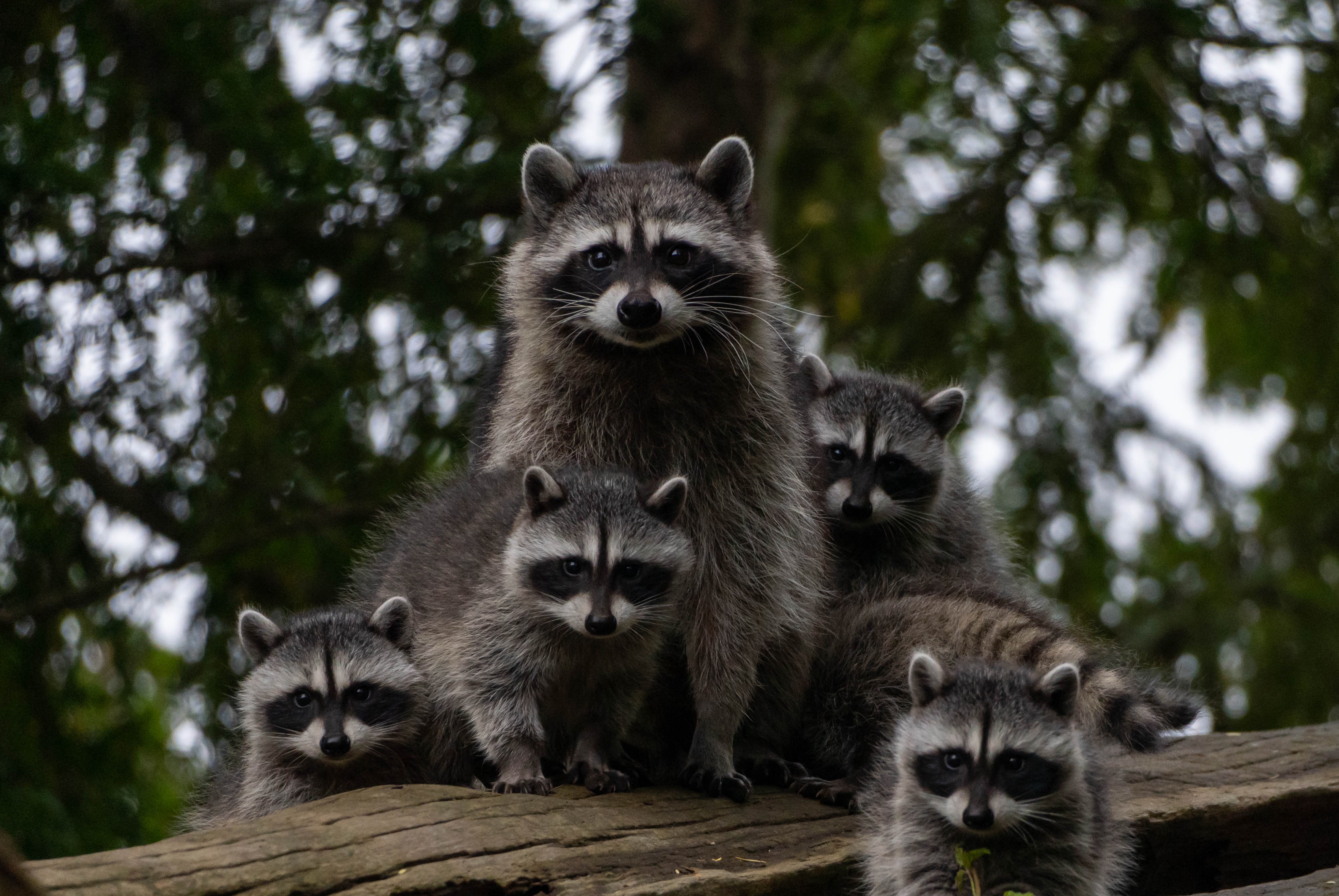
The omnivorous diet of the raccoon is another key to its success. They will eat almost anything – insects, small mammals, birds’ eggs, fruits, nuts, and, of course, readily available human refuse. This dietary flexibility means they can adapt to changing food availability, a crucial trait in fluctuating environments.
Physical Characteristics: The Masked Bandit
Physically, the raccoon is easily recognizable. Its distinctive “mask” of dark fur around the eyes, resembling a bandit’s disguise, is perhaps its most iconic feature. This mask is thought to reduce glare from moonlight, aiding its nocturnal vision. Their bushy, ringed tail also serves as a counterbalance when climbing and can also be used for communication, signaling mood or intent.
Their stocky build and short legs are well-suited for both climbing trees and moving efficiently on the ground. The rough pads on their feet provide excellent traction, further enhancing their arboreal capabilities.
Raccoons in the Digital and Brand Ecosystems: A Comparative Perspective
While the question of the raccoon’s family is firmly rooted in biology, we can draw fascinating parallels to the concepts within the website’s other core topics: Tech, Brand, and Money. These comparisons help us appreciate the raccoon’s success and its place in the world from a different, perhaps more metaphorical, lens.
Tech: Adaptability and Ubiquity
In the realm of technology, a successful application or gadget is often one that is adaptable and widely adopted. Think of a popular operating system or a versatile software suite. It finds its way into numerous devices and workflows because it can serve a broad range of needs and integrate with other systems. Similarly, the raccoon’s ability to adapt to diverse environments – from pristine wilderness to bustling urban centers – mirrors the success of technologies that become ubiquitous.
Their “problem-solving” intelligence, as seen in their ability to navigate human-made obstacles, is analogous to the development of AI tools that learn and adapt to new challenges. The raccoon’s effective use of its physical “tools” (its paws, its senses) is akin to a well-designed app that intuitively uses the features of a device to enhance user experience.
Brand: Recognition and Reputation
The raccoon possesses an incredibly strong and universally recognizable “brand.” Its distinctive masked appearance and its association with nocturnal mischief have cemented its image in popular culture. This is similar to how a strong brand identity is built on memorable visual elements and consistent messaging. The “masked bandit” persona, whether intended or not, has made the raccoon an instantly identifiable figure.
Its reputation, however, is more complex. For some, it’s a cute, curious creature; for others, it’s a pest, a symbol of uninvited intrusion. This dual reputation mirrors how brands can be perceived differently by various consumer segments or stakeholders. Effective brand management, whether for a product or a species, involves understanding and navigating these perceptions. The raccoon’s “brand equity” is high due to its distinctiveness, even if the sentiment attached to it varies.
Money: Resourcefulness and Opportunism
In the financial world, resourcefulness and opportunism are often keys to success. Just as a savvy investor seeks out undervalued assets or a successful entrepreneur identifies unmet market needs, the raccoon is a master of resource acquisition. Its omnivorous diet and its willingness to exploit readily available food sources, including those provided by humans, demonstrate a remarkable opportunistic nature.
This isn’t to say raccoons are “greedy,” but rather that their survival and reproductive success are linked to their ability to find and utilize whatever resources are available. This is analogous to a small business owner who efficiently manages their finances, maximizes profits, and diversifies their income streams to ensure stability and growth. The raccoon’s ability to thrive in environments that are challenging for many other species highlights a form of “ecological capital” that it has skillfully leveraged.

Conclusion: A Family of Adaptability
In conclusion, the raccoon belongs to the Family Procyonidae, a diverse group of mammals primarily found in the Americas. This classification places it within the broader Order Carnivora, highlighting its evolutionary lineage as a meat-eating mammal that has developed omnivorous tendencies. However, beyond its strict biological classification, the raccoon’s story is one of remarkable adaptability, intelligence, and resourcefulness.
These traits, when viewed through the lenses of technology, branding, and finance, reveal a creature that, in its own way, embodies the principles of success in diverse domains. Its ability to thrive, its distinctive “brand,” and its opportunistic nature all contribute to its enduring presence in our world. So, the next time you see a raccoon, remember that it’s not just a common visitor but a testament to the intricate and often surprising ways life organizes itself, mirroring the complexities and innovations we see in our human-driven industries. The raccoon, a member of the Procyonidae family, is indeed a master of its domain, a biological success story that continues to captivate and confound us.
aViewFromTheCave is a participant in the Amazon Services LLC Associates Program, an affiliate advertising program designed to provide a means for sites to earn advertising fees by advertising and linking to Amazon.com. Amazon, the Amazon logo, AmazonSupply, and the AmazonSupply logo are trademarks of Amazon.com, Inc. or its affiliates. As an Amazon Associate we earn affiliate commissions from qualifying purchases.