
In an era where personal finance acumen is paramount, even seemingly mundane household tasks like laundry warrant a strategic review. The simple act of washing a pair of jeans, a wardrobe staple for most, carries significant financial implications often overlooked. Beyond mere cleanliness, the temperature setting on your washing machine directly impacts energy consumption, garment longevity, and ultimately, your wallet. Understanding the optimal wash temperature for your denim is not just about fabric care; it’s a shrewd financial decision that can save money on utility bills, extend the life of your apparel investments, and reduce the frequency of costly replacements.

The True Cost of Laundry Temperature: Energy Efficiency and Your Bills
The energy required to heat water accounts for a substantial portion of a washing machine’s operating cost. According to energy efficiency experts, heating water can consume up to 90% of the energy used during a wash cycle. This makes the choice of water temperature a critical factor in managing household utility expenses. Opting for cooler temperatures isn’t merely an eco-conscious decision; it’s a direct pathway to tangible savings on your monthly energy bill.
Cold Water: The Smart Financial Choice
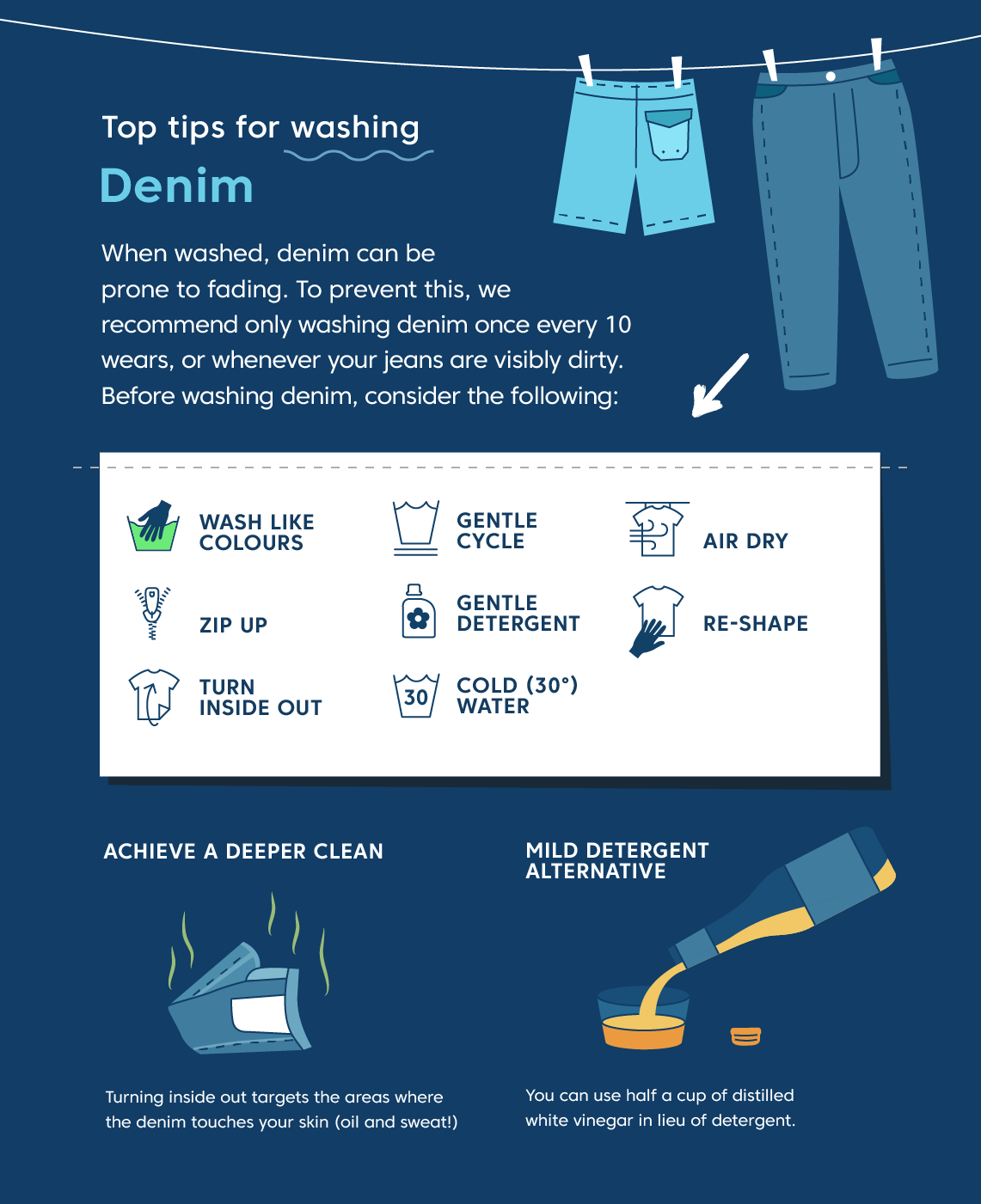
Washing jeans in cold water, typically defined as 60-80°F (15-27°C), is almost universally recommended for both financial prudence and garment preservation. From a financial standpoint, using cold water drastically reduces the energy consumed by your washing machine. Since no energy is expended to heat the water, you’re primarily paying for the machine’s motor and water usage, which are relatively minor costs in comparison. Over a year, this can translate into significant savings, especially for households with frequent laundry cycles.
Beyond the immediate energy savings, cold water contributes to the financial longevity of your jeans. It helps prevent colors from fading, especially with dark wash or indigo denim, thereby maintaining their aesthetic value longer. It also minimizes fabric shrinkage and stretching, preserving the original fit and shape of the jeans. This means you won’t need to replace them as frequently due to premature wear, fading, or fit issues, further extending your initial investment. Modern detergents are highly effective in cold water, often formulated with enzymes that break down stains just as well as, if not better than, hot water. This eliminates the common misconception that cold water is less effective at cleaning.
Warm Water: When the Investment Justifies It
Warm water, typically 90-110°F (32-43°C), occupies a middle ground. While it consumes more energy than cold water due to the need for some heating, it’s not as energy-intensive as hot water. There are specific, albeit limited, circumstances where warm water might be considered for jeans, primarily when dealing with significant oil-based stains or heavily soiled work jeans that cold water might struggle to clean entirely. In these rare cases, the marginal increase in utility cost might be offset by the preservation of the item itself. If a valuable pair of jeans is at risk of being ruined by a stubborn stain, a warm wash could be a calculated risk to salvage the item and avoid the cost of replacement.
However, it’s crucial to weigh this decision carefully. Warm water can accelerate fading in colored denim and might increase the risk of shrinkage or damage to delicate embellishments. The financial justification for warm water should always be tied to preventing a greater financial loss (i.e., replacing the jeans). For the vast majority of routine washes, warm water offers no discernible advantage over cold water in terms of cleaning power for denim, making its higher energy consumption an unnecessary expense.
Hot Water: A Costly Exception
Hot water, often exceeding 130°F (54°C), is almost never recommended for washing jeans and represents the most expensive option in terms of energy consumption. The significant energy required to heat water to these temperatures will noticeably inflate your utility bills. Furthermore, hot water is detrimental to denim fabric and dyes. It can cause significant fading, excessive shrinkage, and can break down the elastic fibers (like spandex) often blended into modern jeans for comfort and fit. This accelerates the degradation of the garment, reducing its lifespan and necessitating earlier replacement.
The only plausible financial rationale for using hot water in laundry is for sanitization, typically for items exposed to illness or extreme contamination. Jeans, by their nature, rarely fall into this category. Therefore, using hot water for denim is a financially irresponsible decision, leading to higher operating costs and premature wear-out of your investment. It depletes your cash flow through increased energy bills and forces you into the replacement market sooner than necessary.
Preserving Your Denim Investment: Extending Longevity and Value
Jeans, particularly high-quality or specialty denim, can represent a significant upfront investment. Treating them as durable assets and adopting best practices for their care directly translates into a greater return on that investment. Proper washing temperature is a cornerstone of this strategy, ensuring your jeans remain wearable and retain their aesthetic and structural integrity for years, thus deferring the cost of purchasing new ones.
Understanding Fabric Integrity and Wear
Denim, while robust, is still susceptible to wear and tear, and inappropriate washing temperatures accelerate this process. Hot water can cause the cotton fibers to swell excessively and weaken, leading to a breakdown of the fabric structure over time. This manifests as thinning areas, tears, and a generally worn-out appearance. Cold water, conversely, is gentler on the fibers, helping them maintain their strength and elasticity. By preserving the fabric’s integrity, you extend the functional life of the jeans, meaning they look good and hold up to daily wear for a longer period. This direct correlation between cold water washing and fabric longevity delays the need for new purchases, keeping money in your pocket.
Protecting Dyes and Preventing Fading
A significant portion of the appeal of a new pair of jeans, particularly dark indigo or colored denim, lies in its vibrant, rich hue. Fading can quickly diminish this appeal, making jeans look old and worn long before their structural integrity gives out. Hot water is particularly aggressive on dyes, causing them to leach out of the fabric more rapidly. This means your expensive dark wash jeans can quickly transform into a pale, faded version of their former self, prematurely aging them in appearance.
Cold water, by contrast, is much more effective at locking in dyes. This preservation of color ensures that your jeans retain their original aesthetic quality and desirability for a longer duration. When your jeans continue to look good, you’re less inclined to replace them for purely cosmetic reasons, thereby maximizing the visual and financial value derived from your initial purchase. This also applies to special finishes or treatments, which can be stripped or altered by excessive heat.

The Impact on Fit and Shape Retention
One of the most frustrating aspects of improper denim care is the loss of fit and shape. Jeans are often purchased for their specific cut and how they flatter the wearer. Hot water can cause cotton fibers to shrink unpredictably, leading to jeans becoming too tight, too short, or simply losing their intended silhouette. Conversely, excessive stretching can also occur due to weakening fibers. Once the original fit is compromised, the garment’s utility and appeal diminish significantly, often rendering it unwearable for the original owner.
Washing in cold water helps to maintain the integrity of the denim fibers, reducing the likelihood of shrinkage and preserving the fabric’s natural elasticity. This ensures that your jeans retain their intended fit and shape over many washes, providing continued comfort and style. By preventing fit-related issues, you avoid the expense of replacing jeans that no longer fit properly, securing a longer useful life from your existing wardrobe.
Beyond the Wash: Maximizing ROI for Your Denim
While wash temperature is crucial, other laundry practices complement this financial strategy, further enhancing the return on investment for your denim. A holistic approach to denim care ensures that every aspect of the washing and drying process contributes to longevity and cost savings.
Drying Practices: Avoiding Costly Damage
The dryer can be as detrimental to denim as hot water, if not more so. High heat in a tumble dryer can cause significant shrinkage, fraying, and can damage elastic fibers, leading to a breakdown of the fabric. This not only shortens the life of your jeans but also contributes to higher energy bills. Financially astute individuals will opt for air drying their jeans whenever possible. Hanging jeans to dry naturally consumes no energy, eliminating associated costs. While it takes longer, the financial and garment-preserving benefits are substantial. If air drying isn’t feasible, using the lowest heat setting on your dryer or removing jeans while still slightly damp can mitigate damage and reduce energy consumption. This conscious choice extends the life of your jeans and reduces utility expenses.
Frequency of Washing: A Habit for Savings
Perhaps the most underrated financial strategy for denim care is simply reducing the frequency of washing. Jeans, particularly raw denim or sturdy washes, do not need to be washed after every wear. Many denim enthusiasts advocate for washing jeans only when visibly dirty, stained, or starting to develop an odor. Wearing jeans multiple times before washing saves water, energy, and reduces the physical stress on the fabric caused by each wash cycle.
This habit directly translates to financial savings in multiple ways: lower water bills, lower energy bills (less hot water, less drying), and a significantly extended lifespan for your jeans. By minimizing exposure to washing detergents and mechanical agitation, you preserve the denim’s integrity, color, and fit, pushing back the timeline for replacement purchases. Spot cleaning minor spills and airing out jeans between wears can be effective alternatives to a full wash.
The Long-Term Financial Benefits of Proper Care
Adopting these strategic denim care practices creates a compounding effect on your personal finances. Individually, each choice – cold water, air drying, infrequent washing – saves small amounts of money. Collectively, these choices lead to substantial long-term savings. Fewer laundry cycles mean lower utility bills year-round. Extended garment life means less frequent purchases of new jeans, freeing up budget for other financial goals like savings, investments, or debt reduction. Moreover, well-maintained jeans often retain better resale value if you ever choose to sell them, offering another avenue for recapturing part of your initial investment. Proper care transforms jeans from a depreciating asset that needs constant replacement into a durable item that offers sustained value.
Strategic Denim Choices: From Purchase to Preservation
The financial journey of your jeans begins long before they ever see the inside of a washing machine. Strategic decision-making at the point of purchase can set the stage for long-term savings and maximize the return on your denim investment. Combining smart purchasing with diligent care creates a comprehensive financial strategy for your wardrobe.
Investing in Quality: The Upfront and Ongoing Costs
While it might seem counterintuitive to spend more money upfront to save money, investing in higher-quality denim often proves to be a shrewd financial move. Cheaper jeans, often made with lower-grade cotton, weaker stitching, and inferior dyes, tend to wear out, fade, or lose their shape much faster, even with proper care. This leads to a cycle of frequent replacements, where the cumulative cost of multiple cheap pairs can quickly exceed that of a single, well-made pair.
High-quality denim, while more expensive initially, is designed for durability and longevity. It uses stronger fibers, superior construction, and more resilient dyes, meaning it stands up better to wear and washing (especially cold water washing). These jeans retain their appearance and fit for longer, reducing the frequency of replacement and offering a lower cost per wear over their lifespan. Consider the initial price against the projected lifespan; a $150 pair of jeans that lasts 5 years is more cost-effective than five $30 pairs that each last one year.
Repair vs. Replace: A Cost-Benefit Analysis
Even with the best care, jeans will eventually show signs of wear. Tears, frayed hems, or worn-out knees are inevitable. At this point, a crucial financial decision arises: repair or replace? From a financial perspective, repairing often presents a more economical solution than purchasing a new pair, especially for quality denim. Mend services, local tailors, or even DIY repairs can often revive a favorite pair of jeans for a fraction of the cost of buying new ones. This approach extends the life of your existing investment and prevents unnecessary expenditure.
Consider the sentimental value and the perfect fit of a broken-in pair of jeans. Replacing them might mean a lengthy search for a new pair that feels just right, adding a hidden “time cost” to the financial outlay. By opting for repair, you not only save money but also retain the comfort and familiarity of a beloved item. This strategic approach to garment maintenance solidifies the long-term financial benefits of intelligent denim care, ensuring every aspect, from wash temperature to wear-and-tear management, is optimized for your financial well-being.
aViewFromTheCave is a participant in the Amazon Services LLC Associates Program, an affiliate advertising program designed to provide a means for sites to earn advertising fees by advertising and linking to Amazon.com. Amazon, the Amazon logo, AmazonSupply, and the AmazonSupply logo are trademarks of Amazon.com, Inc. or its affiliates. As an Amazon Associate we earn affiliate commissions from qualifying purchases.