
Maintaining the optimal temperature in an aquarium is not merely a matter of comfort for its inhabitants; it is a critical aspect of their survival and well-being, directly facilitated and controlled by specialized technology. Fish, being poikilothermic (cold-blooded) organisms, are entirely reliant on their external environment to regulate their body temperature. This makes advanced temperature control systems, monitoring tools, and intelligent heating/cooling solutions indispensable gadgets for any serious aquarist. Understanding the precise temperature requirements for your aquatic ecosystem, and the technology available to meet them, is fundamental to a thriving tank.
The Technological Imperative of Stable Aquarium Temperatures
The question of “what temperature” is deeply intertwined with the “how” of temperature management, which is where technology plays its starring role. Temperature fluctuations, even minor ones, can induce significant stress on fish, weaken their immune systems, and make them susceptible to diseases. Stable temperatures, achieved through reliable tech, ensure consistent metabolic rates, proper immune function, and overall vitality.
Understanding Poikilothermy and Its Technological Implications
Fish cannot internally regulate their body temperature; their internal temperature mirrors that of the surrounding water. This fundamental biological reality means that every physiological process, from digestion and respiration to reproduction and immune response, is directly influenced by water temperature.
For the aquarist, this translates into a technological imperative: precise environmental control. It’s not enough to simply warm the water; the temperature must be maintained within a very narrow, species-specific range. This demands sophisticated heating and cooling systems equipped with accurate sensors and control algorithms, often integrated with digital monitoring dashboards and alerts. Without these technological safeguards, fish are vulnerable to thermal shock, stunted growth, and increased susceptibility to pathogens.
The Impact on Aquatic Life: A Technical Perspective
From a technological standpoint, controlling temperature isn’t just about preventing extremes; it’s about optimizing conditions for biological processes. Elevated temperatures increase metabolic rates, requiring more oxygen and potentially stressing the filtration system due to increased waste production. Conversely, excessively low temperatures slow metabolism, leading to sluggishness, poor digestion, and a weakened immune response.
Different species have evolved to thrive in specific thermal niches. Tropical fish typically require temperatures ranging from 74-82°F (23-28°C), while coldwater species like goldfish prefer cooler climes, often in the 65-72°F (18-22°C) range. Brackish and marine aquariums often have distinct temperature profiles as well. Modern aquarium technology allows for highly customized thermal environments, enabling hobbyists to simulate natural habitats with remarkable accuracy. This level of control goes beyond simple on/off switches, extending to programmable temperature cycles, multi-sensor data logging, and predictive heating/cooling algorithms.
Essential Tech for Precision Temperature Management
Achieving and maintaining the ideal aquarium temperature relies heavily on a suite of interconnected technological devices. Selecting the right tools and understanding their capabilities is paramount.
Advanced Aquarium Heaters: More Than Just Warmth
Modern aquarium heaters are sophisticated gadgets, far removed from simple heating elements. They are the primary temperature regulators in most tropical setups.
Submersible vs. External Heaters and Their Digital Brains
Submersible heaters are the most common type, fully encased in waterproof glass or plastic and submerged directly into the tank. They often come with integrated thermostats and digital displays, allowing for precise temperature setting. Many now feature microprocessors that monitor water temperature continuously and adjust power output to maintain the set point, minimizing fluctuations.
External heaters, integrated into canister filters or sumps, keep equipment out of the display tank. These often feature advanced digital controls, larger heating elements for bigger tanks, and even Wi-Fi connectivity for remote monitoring and adjustment via a smartphone app.
Thermostatic Control and Calibration: The Core Technology
The heart of any effective heater is its thermostat. High-quality heaters utilize sensitive temperature probes and smart algorithms to switch the heating element on and off with precision. However, even the best thermostats can drift. This is why many advanced heaters offer calibration features, allowing users to fine-tune the heater’s reading against an external, trusted thermometer. Some premium models even incorporate self-calibration routines or adaptive learning algorithms that optimize heating cycles based on environmental factors.
Smart Heater Integration: The IoT Aquarium
The advent of the Internet of Things (IoT) has brought smart capabilities to aquarium heaters. Wi-Fi or Bluetooth enabled heaters can connect to home networks, allowing for remote monitoring, temperature adjustments, and even receiving alerts if the temperature deviates from the desired range. These smart devices can often integrate with broader smart home ecosystems, offering voice control or automated responses based on other sensor data (e.g., if room temperature drops significantly).
Digital Thermometers: The Eyes and Ears of Your Tank
Accurate temperature monitoring is impossible without reliable thermometers. Gone are the days of imprecise liquid-in-glass thermometers for critical applications.
Precision and Placement: Analog vs. Digital Sensors
Digital thermometers offer superior accuracy and readability. Many feature external probes that can be placed strategically within the tank to get a representative reading, while the display unit remains outside for easy viewing. Some advanced models come with multiple probes, allowing for temperature mapping across different areas of a large tank or even in a sump.
Remote Monitoring and Alerts: The pinnacle of temperature monitoring tech involves sensors that transmit data wirelessly. Wi-Fi-enabled thermometers can send continuous temperature readings to a dedicated app or cloud service, providing historical data, real-time dashboards, and instant alerts (email, SMS notifications) if temperatures exceed or fall below predefined thresholds. This level of vigilance is crucial for expensive or sensitive setups, providing peace of mind even when you’re away from home.
Cooling Solutions: When Heaters Aren’t Enough
While heaters are essential for most tropical setups, some environments or species require cooling, particularly in warmer climates or during heatwaves.
Aquarium Chillers: Industrial Precision for Aquatic Environments
Aquarium chillers operate much like small refrigerators, using compressor technology to actively remove heat from the water. They are essential for coldwater tanks, reef aquariums (where slight temperature increases can devastate corals), or any tank in a warm climate. Modern chillers are energy-efficient, often feature digital temperature controllers, and some even integrate smart features for remote monitoring and programming. Their robust design ensures continuous, precise cooling.
Cooling Fans: A Simpler Tech Solution
For minor temperature reductions (a few degrees), simple aquarium cooling fans can be effective. They work by increasing evaporative cooling, blowing air across the water surface. While less precise than chillers, they are a cost-effective and low-tech option for preventing overheating during mild heat spikes. Some models feature adjustable speed controls and integrated thermometers for basic automation.
Implementing Your Temperature Tech: A Step-by-Step Guide
Proper installation and configuration of your temperature control gadgets are critical for their performance and the safety of your aquatic inhabitants.
Heater Sizing and Strategic Placement
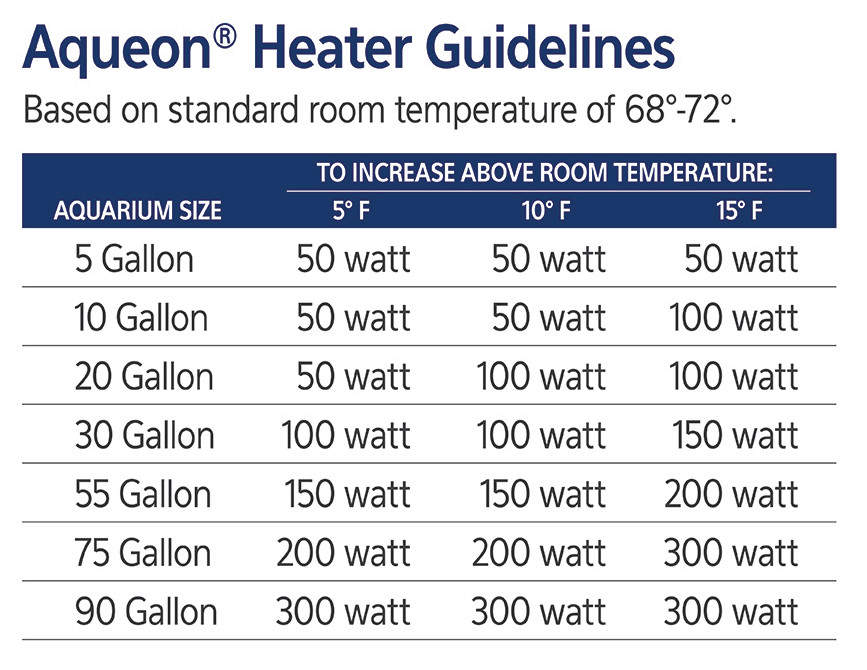
The wattage of your heater must be appropriate for your tank size. A general rule of thumb is 3-5 watts per gallon for typical tropical tanks. For larger tanks, or those in colder rooms, slightly higher wattage or multiple smaller heaters may be necessary to distribute heat evenly and provide redundancy. Heaters should be placed in an area with good water flow to ensure even heat distribution throughout the tank. Near the filter intake or outlet is often ideal.
Thermometer Positioning for Uncompromised Accuracy
Your digital thermometer’s probe should be placed in an area that reflects the average water temperature, away from the heater itself, to avoid artificially high readings. In larger tanks, consider placing multiple probes or a remote sensor at the opposite end of the tank from the heater to verify consistent thermal distribution. Calibration of your thermometer against a known standard (e.g., a medical-grade thermometer) is a good practice to ensure accuracy.
Calibration and Initial Setup Protocols
Before introducing any livestock, allow your heater to run for at least 24 hours, monitoring the temperature with your calibrated digital thermometer. Adjust the heater’s thermostat setting incrementally until the desired temperature is stable. For smart heaters, use the accompanying app to set parameters, schedule temperature cycles if desired, and configure alert notifications.
Continuous Monitoring and Proactive Adjustments
Once established, routine monitoring is key. Daily checks of your thermometer ensure your tech is performing as expected. For smart systems, regularly review historical temperature data logs to identify any subtle trends or fluctuations that might indicate an impending issue. Proactive adjustment, rather than reactive crisis management, is the hallmark of intelligent aquarium management.
Advanced Temperature Management and Troubleshooting
Beyond basic setup, there are advanced considerations for integrating temperature control into a holistic aquarium management strategy.
Integrating with Smart Home Systems
For the tech-savvy aquarist, integrating aquarium temperature control with broader smart home platforms offers unparalleled convenience and control. Using smart plugs, Wi-Fi switches, and dedicated aquarium controllers, heaters, chillers, and fans can be automated based on time of day, ambient room temperature, or even external weather conditions. This level of integration allows for sophisticated scenarios, such as automatically adjusting tank temperature slightly downward during a heatwave detected by a home weather station, or ensuring critical equipment turns on when you leave the house.
Power Outage Preparedness: Tech for Contingency
Power outages are a significant threat to stable aquarium temperatures. While not directly temperature-regulating tech, uninterruptible power supplies (UPS) are crucial gadgets for maintaining critical equipment (including heaters and circulators) for short durations. Battery-powered air pumps and heat packs can provide temporary solutions. Smart aquarium systems can often send alerts during power interruptions, giving you time to implement manual contingency plans.
Identifying and Resolving Temperature Fluctuations
If your temperature fluctuates despite a functioning heater, consider external factors. Is the tank near a window receiving direct sunlight? Is there a draft? Is the heater too small for the tank, or is water flow insufficient? Modern digital thermometers with data logging capabilities can help diagnose these issues by showing patterns of fluctuation over time, revealing intermittent problems that manual checks might miss. Sensor-driven analysis can pinpoint whether the heater is failing, or if environmental factors are overpowering its capabilities.
Automated Dosing and Temperature Compensation
For advanced reef aquariums, some automated dosing systems for trace elements or supplements can be temperature-compensated. While not directly controlling temperature, this tech intelligently adjusts dosages based on water temperature readings, ensuring stability in chemical parameters as well, reflecting the interconnectedness of all environmental controls.
The Future Landscape of Aquarium Temperature Technology
The evolution of aquarium tech continues at a rapid pace, promising even more precise, efficient, and intelligent temperature control solutions.
AI-Powered Environmental Control
Imagine a system that learns your tank’s specific thermal dynamics, anticipating future temperature needs based on historical data, weather forecasts, and even the activity levels of your fish. AI algorithms could optimize heater and chiller cycles, predict potential equipment failures, and automatically adjust parameters for optimal energy efficiency and animal health. This goes beyond simple automation, moving towards predictive and adaptive control.
Energy Efficiency and Eco-Friendly Solutions
Future temperature tech will increasingly focus on reducing power consumption. This includes more efficient heating elements, smarter insulation materials, and chillers that use eco-friendly refrigerants and advanced power management. Solar-powered or hybrid power solutions for certain components might also become more prevalent, catering to environmentally conscious aquarists.
Comprehensive Sensor Networks
The trend is towards comprehensive sensor networks that monitor not just temperature but also pH, salinity, oxygen levels, and nutrient concentrations simultaneously. These integrated systems will allow for a holistic view of tank parameters, with centralized control dashboards and AI-driven recommendations for maintaining the perfect aquatic environment. Such networks would enable a single smart controller to manage all aspects of the aquarium, with temperature control being a seamlessly integrated module within a larger, intelligent ecosystem.
Ultimately, the answer to “what temperature should my fish tank be” is a precise numerical range specific to your aquatic inhabitants, but the how involves a sophisticated array of technological solutions designed to achieve and maintain that critical stability. Embracing these technologies is not just a hobbyist’s preference; it’s a commitment to the health and longevity of your underwater world.
aViewFromTheCave is a participant in the Amazon Services LLC Associates Program, an affiliate advertising program designed to provide a means for sites to earn advertising fees by advertising and linking to Amazon.com. Amazon, the Amazon logo, AmazonSupply, and the AmazonSupply logo are trademarks of Amazon.com, Inc. or its affiliates. As an Amazon Associate we earn affiliate commissions from qualifying purchases.