
The Sonic Palette of Planet Popstar: Understanding Game Audio Synthesis
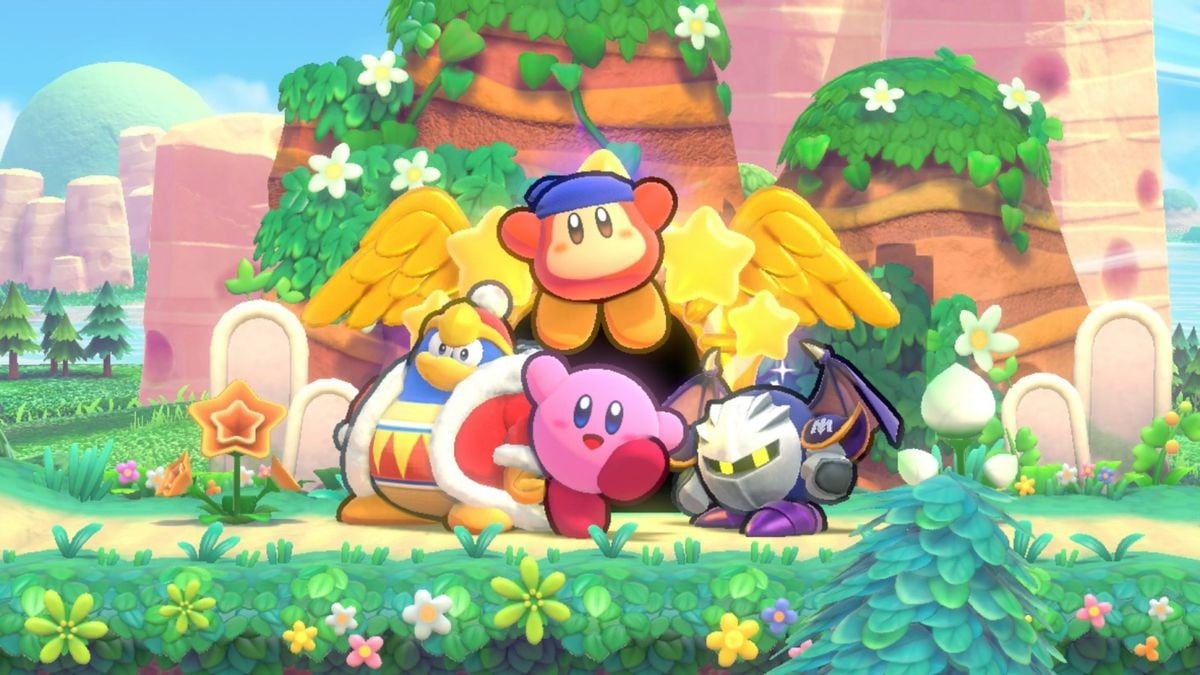
The whimsical, vibrant, and often epic soundscapes of Kirby’s Return to Dream Land (KRtDL), released in 2011 for the Nintendo Wii, are a masterclass in modern game music composition. Beyond the melodies and arrangements, the very sonic textures that bring Planet Popstar to life are meticulously crafted using a combination of sophisticated synthesis techniques and digital audio technologies. Understanding the synthesizers behind this beloved soundtrack offers a fascinating glimpse into the technological underpinnings of game audio production during that era.
Evolution of Game Sound Design
Game audio has come a long way from the rudimentary bleeps and bloops of early chip sounds. The journey from monophonic tones to complex polyphonic compositions saw significant leaps with the introduction of sample-based synthesis, then full orchestral recordings, and ultimately, a powerful hybridization of both with advanced digital and virtual synthesizers. By the early 2010s, game composers had access to an unprecedented array of tools, allowing for rich, dynamic, and emotionally resonant scores that could rival film productions. KRtDL sits comfortably in this era, benefiting from the maturation of digital audio workstations (DAWs), high-quality sample libraries, and versatile hardware and software synthesizers. The distinct “Kirby sound”—characterized by its bright, often brassy or bell-like leads, lush pads, and bouncy rhythms—is a direct result of thoughtful sound design choices made with these advanced tools.
The Role of Synthesizers in OST Production
Synthesizers are the alchemists of sound, capable of generating an infinite spectrum of tones from scratch or manipulating existing ones. In game music production, they are indispensable for several reasons: they provide unique textures that can define a game’s identity; they can emulate acoustic instruments with varying degrees of realism; and they offer unparalleled flexibility in sound design, allowing composers to create everything from ethereal pads and futuristic sound effects to punchy basses and cutting lead melodies. For a game like KRtDL, which relies on a distinct, playful, yet occasionally grand musical identity, synthesizers were crucial for crafting those signature tones that are both memorable and deeply integrated into the game’s fantastical setting. They enabled composers to layer sounds, apply expressive modulation, and achieve a level of polish and originality that simple sample playback alone could not provide.
Deconstructing the Dreamland Sound: Identifying Key Synth Characteristics
The distinctive sounds of Kirby’s Return to Dream Land point towards the likely use of a hybrid setup, combining the robustness of professional-grade hardware workstations with the versatility of software synthesizers and extensive sample libraries. Analyzing the sonic characteristics provides clues about the types of synthesis engines employed.
Classic Digital Synths and Sample Libraries
Many of the rich, layered sounds found in KRtDL’s score bear the hallmarks of high-end digital synthesizers prevalent in studios during the early 2010s. These machines, often referred to as “workstations,” combined powerful PCM (Pulse Code Modulation) sample playback with sophisticated synthesis engines, allowing for complex sound sculpting.
- Roland Fantom Series: Synths like the Roland Fantom G or X were ubiquitous in professional studios. They featured extensive ROM-based wave memory for realistic acoustic instrument emulations, combined with powerful digital synthesis capabilities. The bright, often slightly compressed brass sounds, ethereal pads, and shimmering bell tones often associated with Kirby soundtracks could easily originate from a Fantom’s engine, which excelled at producing clean, polished, and full-bodied sounds. Its deep layering and effects processing capabilities would have been invaluable for creating the lush soundscapes heard in the game.
- Yamaha Motif Series: Similarly, the Yamaha Motif XS or XF series were industry standards. Known for their high-quality acoustic samples and powerful FM (Frequency Modulation) synthesis engines alongside subtractive synthesis, Motifs could generate everything from realistic pianos and orchestral strings to signature metallic, bell-like, or crystalline sounds that are often prominent in Japanese game music. The crisp, percussive synth sounds and some of the more elaborate melodic lead lines could well have been crafted using a Motif.
- Korg M3/Kronos: Korg’s workstations, such as the M3 or the then-new Kronos, offered a multitude of synthesis engines (e.g., HD-1 High-Definition Synthesizer, AL-1 Analog Modeler, MS-20EX/PolysixEX legacy analog emulators). Their ability to layer multiple programs and effects made them ideal for creating complex, evolving textures and powerful lead sounds. The grand, cinematic elements, as well as the more intricate synth pads, might have leveraged Korg’s diverse synthesis options.
These hardware workstations were often the backbone of game music studios, providing reliable, high-quality sounds that could be easily integrated into a larger production workflow. They were particularly adept at creating the kind of clean, punchy, and melodically distinct sounds that define the Kirby series.
Analog-Inspired Warmth and Digital Clarity
While many sounds in KRtDL are distinctly digital, there’s often an underlying warmth or richness to the pads and some bass lines that suggests either sophisticated analog modeling or careful processing. Digital synthesizers of the 2010s had largely perfected the art of emulating analog circuits, providing the best of both worlds: the warmth and character of analog without the tuning issues and high maintenance.
This blend is crucial for a game like Kirby. The bright, sometimes almost saccharine melodies benefit from clear digital leads, but these need to be grounded by a richer, more textural foundation. This is where analog-modeled pads—often slightly detuned or modulated for movement—and robust, full-bodied bass sounds come into play, providing depth and emotional weight to the otherwise playful arrangements. Such sounds would typically involve subtractive synthesis with carefully chosen waveforms (saw, square), filters with resonance, and envelope shaping, often embellished with chorus or phaser effects to add width and movement.
Percussion and Rhythm Synthesis
The rhythmic backbone of KRtDL’s music is equally important. While many percussive elements likely come from high-quality acoustic drum samples (especially for orchestral percussion), synthesized drums and electronic percussion are also prevalent. Crisp snares, bright hi-hats, and punchy kicks, often with a slightly electronic sheen, complement the melodic content. These could be derived from:
- Dedicated Drum Machines: Though less common for full scores by 2011, classic drum machine sounds (like Roland’s 808 or 909) could be sampled or emulated within workstations or VSTs for specific electronic percussion.
- Workstation Drum Kits: The aforementioned Roland Fantom or Yamaha Motif series contained extensive libraries of high-quality drum and percussion sounds, ranging from realistic acoustic kits to various electronic and synthesized options.
- Synthesized Percussion within DAWs: Composers could also synthesize individual drum elements using dedicated drum synths (hardware or software) or by crafting sounds from basic waveforms within general-purpose synths, then layering and processing them.
The careful interplay between acoustic and synthesized percussion provides a dynamic and engaging rhythmic foundation that underpins the diverse musical themes of the game.
Software Synthesizers and Digital Audio Workstations (DAWs) in Production
By 2011, the landscape of music production was heavily influenced by the power and flexibility of software. While hardware synthesizers remained vital, Virtual Studio Technology (VST) instruments and effects, run within Digital Audio Workstations (DAWs), offered unparalleled sound design potential and workflow efficiencies.
The Rise of Virtual Studio Technology (VSTs)
Software synthesizers, or VSTs (Virtual Studio Technology), had matured significantly by the time KRtDL was in production. Game composers frequently adopted a hybrid approach, leveraging the strengths of both hardware and software. This allowed for immense flexibility, cost-effectiveness for certain sounds, and the ability to recall entire sessions with precise settings.
- Native Instruments Kontakt: This powerful sampler/sample playback engine is almost certainly at the heart of many of the orchestral and realistic instrument sounds in KRtDL. Kontakt allows for the creation and playback of incredibly detailed and expressive sample libraries, from orchestral strings and brass to ethnic instruments and custom sound design elements. Composers could layer these samples with synthesized sounds to create rich, complex textures.
- Spectrasonics Omnisphere: A behemoth among software synthesizers, Omnisphere (especially version 1 or 2, which would have been available) is a “power synth” known for its vast library of sounds, deep synthesis capabilities (subtractive, FM, granular, wavetable), and extensive effects processing. Its ability to combine sample-based sounds with powerful synthesis engines makes it exceptionally versatile for creating everything from ethereal pads and complex textures to powerful leads and unique sound effects. Many of the more intricate, evolving, or otherworldly synth sounds in KRtDL could have been crafted or augmented using Omnisphere.
- LennarDigital Sylenth1: Known for its punchy, clear, and rich sound, Sylenth1 was a popular choice for lead sounds, arpeggios, and energetic pads, especially in electronic music. Its warm, analog-modeled sound, despite being a software synth, could have contributed to some of the brighter, more prominent melodic lines in the soundtrack.
- Native Instruments Massive: A wavetable synthesizer known for its aggressive, digital sound and robust modulation capabilities, Massive could have been used for more cutting leads, complex evolving pads, or even some of the more electronic bass sounds.
The use of VSTs provided composers with an expansive sonic palette and allowed for rapid iteration and detailed sound design, complementing the foundational sounds provided by hardware units.
DAW Integration and Workflow
The entire production process would have been orchestrated within a Digital Audio Workstation (DAW). Popular DAWs during this period, such as Logic Pro, Cubase, Pro Tools, or Ableton Live, served as the central hub for sequencing MIDI data (from hardware synths, VSTs, and MIDI controllers), recording audio, mixing, and mastering.
- MIDI Control: Hardware synthesizers and VSTs would be controlled via MIDI, allowing composers to record performances, edit notes, and automate parameters with precision. Physical MIDI controllers (keyboards, faders, knobs) would have been used for expressive playing and real-time manipulation of synth parameters.
- Audio Recording and Mixing: The audio output from hardware synths would be recorded into the DAW, where it would be combined with the audio from VSTs and sample libraries. The DAW’s mixer, along with its extensive suite of built-in and third-party VST effects (EQ, compression, reverb, delay, chorus, etc.), would be used to shape the sound, balance levels, and create a cohesive, polished mix.
- Orchestration and Arrangement: Within the DAW, composers could arrange complex layers of synthesized sounds, orchestral samples, and percussive elements, building up the rich textures that characterize KRtDL’s score. The ability to quickly experiment with different sounds and arrangements within the DAW environment is crucial for efficient game audio production.
Sound Design Philosophy and Technical Execution for Kirby
The unique sonic identity of the Kirby series isn’t merely a consequence of using specific synths; it’s also a reflection of a deliberate sound design philosophy executed with technical prowess.
Signature Kirby Sound Elements
The music of Kirby’s Return to Dream Land, much like the entire series, is characterized by its infectious optimism, melodic clarity, and often grand yet whimsical scale. Specific synth choices directly contribute to these traits:
- Bell-like Tones and Chimes: These are a hallmark of Kirby music, conveying a sense of wonder and childlike joy. Such sounds are often achieved through FM synthesis (Yamaha Motifs excel here), carefully shaped subtractive synthesis with high-frequency content, or sampled bell sounds layered with synth pads.
- Sweeping, Ethereal Pads: Providing atmospheric depth and emotional resonance, these pads often have slow attack times, rich modulation (chorus, flanger, phaser), and generous reverb. Omnisphere, Korg workstations, or layered VSTs would be ideal for creating these lush backdrops.
- Cheerful Leads and Robust Basses: The prominent melodic lines are often bright and clear, sometimes with a slightly brassy or ‘plastic’ quality, cutting through the mix. These might come from digital workstations or VSTs like Sylenth1 or Massive, using saw or square waves with tight envelopes and perhaps some detuning for thickness. The basses, conversely, need to be full and supportive, ranging from deep, sine-wave-based subs to more harmonically rich, filtered saw-wave basses.
The careful application of effects—reverb for space, delay for rhythmic echoes, chorus for thickening, and EQ for clarity—is just as important as the initial synth patch selection. These effects are often integrated into the synths themselves or applied as inserts/sends within the DAW.
Optimizing for Console Hardware
Composers for games like KRtDL, while using high-fidelity production tools, must also consider the limitations and capabilities of the target console—in this case, the Nintendo Wii. The Wii’s audio hardware, while capable, had specific characteristics that could influence mixing decisions and sound complexity. This might involve:
- Polyphony Management: Ensuring that too many voices or complex synth layers don’t overwhelm the console’s audio processing capabilities.
- Sample Rate and Bit Depth Optimization: While tracks are composed at high fidelity, they are eventually rendered and optimized for the game engine and console. This means sounds need to be robust and distinctive even when potentially compressed or down-sampled for in-game playback.
- Mix Clarity: Given that game audio competes with sound effects and dialogue, synth sounds must be clearly defined in the mix to avoid muddiness, especially when played through standard TV speakers. This often means careful EQing and dynamic processing to make each synth part occupy its own sonic space.
The sonic choices are thus a balance between artistic vision and technical practicalities, aimed at delivering a high-quality audio experience within the constraints of the gaming platform.
The Enduring Legacy of Synthesized Dreamland Scores
The techniques and tools used in Kirby’s Return to Dream Land‘s soundtrack represent a snapshot of high-end game audio production in the early 2010s. The enduring appeal of its music is a testament to the masterful combination of melodic composition and sophisticated sound design.
Influence on Modern Game Audio
The approach taken in KRtDL—blending powerful hardware workstations, extensive sample libraries, and versatile software synthesizers within a professional DAW environment—set a precedent for many subsequent game soundtracks. This hybrid methodology continues to be a cornerstone of contemporary game audio, evolving with new technologies but retaining the core principle of leveraging diverse tools for maximum creative output. The signature blend of orchestral grandeur and vibrant synthesized textures seen in Kirby has inspired countless composers in the industry.

Accessibility of Tools Today
While the exact hardware used in KRtDL might be high-end, the underlying synthesis principles and even many of the software emulations are now more accessible than ever. Modern DAWs often include powerful built-in synthesizers, and the market for affordable yet high-quality VSTs has exploded. Aspiring composers and sound designers can now achieve similar sonic richness and complexity with more budget-friendly software tools, democratizing the techniques once exclusive to professional studios. This accessibility ensures that the legacy of synthesized soundscapes, pioneered and perfected in games like Kirby’s Return to Dream Land, continues to inspire and shape the future of interactive entertainment audio.
aViewFromTheCave is a participant in the Amazon Services LLC Associates Program, an affiliate advertising program designed to provide a means for sites to earn advertising fees by advertising and linking to Amazon.com. Amazon, the Amazon logo, AmazonSupply, and the AmazonSupply logo are trademarks of Amazon.com, Inc. or its affiliates. As an Amazon Associate we earn affiliate commissions from qualifying purchases.