
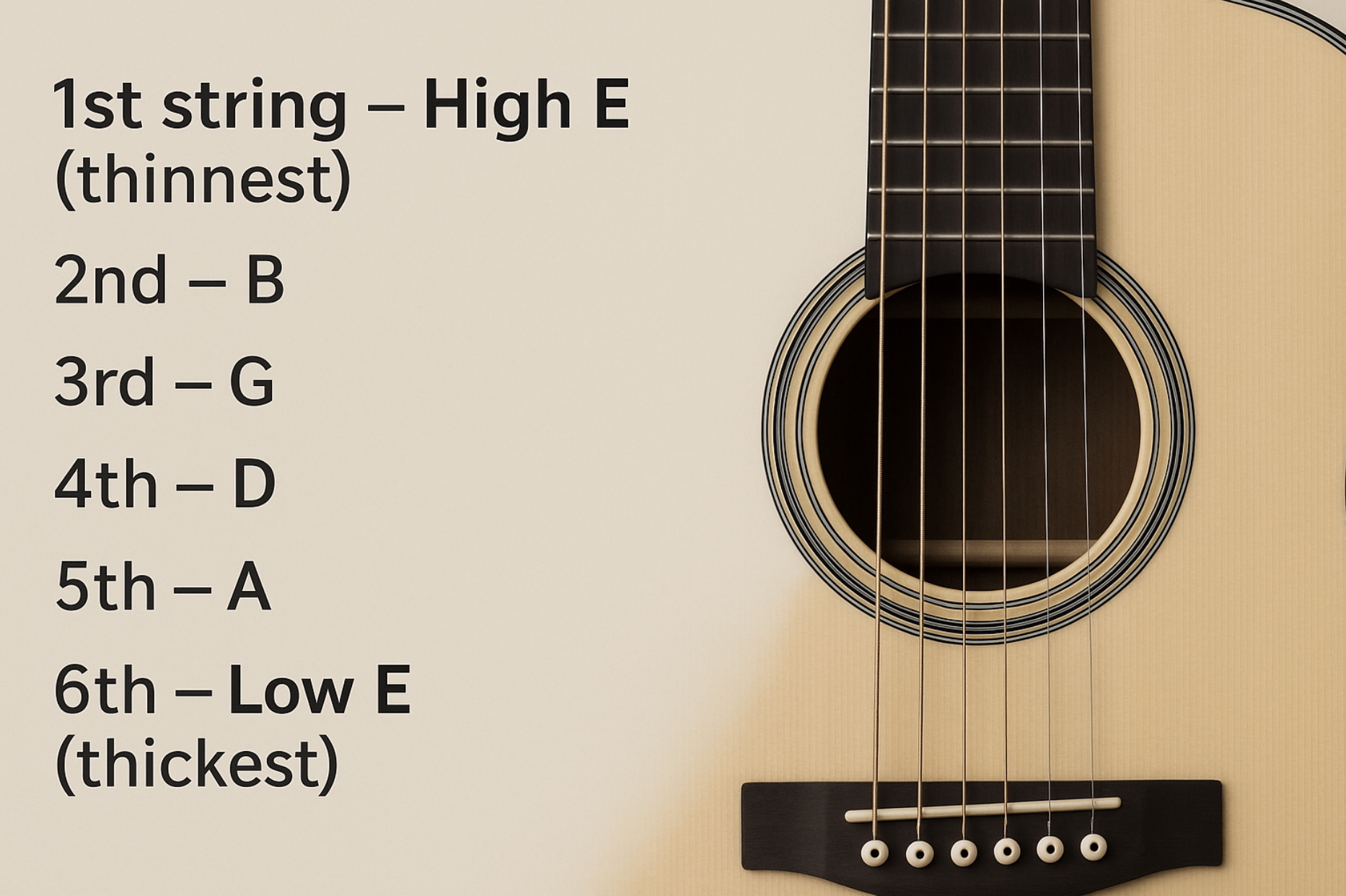
The seemingly simple question “what strings are on a guitar” unlocks a fascinating realm of engineering, material science, and acoustic technology. Far from being mere taut wires, guitar strings are precision-engineered components, each designed to optimize specific sonic characteristics, playability, and durability. Understanding the technology behind these slender conduits of sound is crucial for any musician, manufacturer, or enthusiast seeking to harness the full potential of their instrument.
The Core Technology of Guitar Strings
At their heart, guitar strings are sophisticated examples of applied physics and material science. Their construction, from the choice of metals to the winding techniques, directly dictates their vibrational properties, sustain, tonal response, and even their interaction with magnetic fields in electric guitars.
Material Science: The Foundation of Tone
The fundamental material composition of a guitar string is perhaps the most significant determinant of its sound. Different metals and alloys are chosen for their unique acoustical and physical properties:
- Steel: High-carbon steel is the bedrock for most guitar strings, particularly the unwound (plain) strings. Its high tensile strength allows for tight tension, producing bright, clear tones with excellent sustain. For wound strings, steel often forms the core.
- Nickel-Plated Steel: This is the most common winding material for electric guitar strings. The nickel plating provides a smoother feel and corrosion resistance, while the steel core and wrap ensure strong magnetic interaction with pickups, producing a balanced, punchy tone suitable for a wide range of genres.
- Pure Nickel: Used historically and by players seeking a vintage tone, pure nickel wraps produce a warmer, mellower sound with less treble response compared to nickel-plated steel. This material offers a distinct sonic character, often favored for jazz or blues.
- Phosphor Bronze: The preferred winding material for acoustic guitar strings, phosphor bronze (typically 92% copper, 8% tin, with a trace of phosphorus) offers a warm, rich, and full-bodied tone with excellent sustain and good corrosion resistance. The phosphorus helps to extend string life.
- 80/20 Bronze (Brass): Also known as “brass” strings in common parlance for its bright, ringing tone. Composed of 80% copper and 20% zinc, these strings deliver a brighter, more brilliant sound than phosphor bronze, which can be ideal for cutting through mixes or for guitars that naturally tend towards a darker tone.
- Nylon: Predominantly used for classical and flamenco guitars, nylon strings (often with silver-plated copper or bronze wound bass strings) produce a softer attack, warmer tone, and extended sustain. The unique material properties of nylon allow for a distinct dynamic range and tactile response.
Each material choice is a deliberate engineering decision, balancing factors like tensile strength, ductility, magnetic permeability, corrosion resistance, and specific acoustic dampening characteristics to achieve a desired sonic outcome.
Winding Techniques and Core Design
Beyond the material, the construction method of wound strings is critical. Guitar strings are typically comprised of a central core wire around which one or more outer wires are wrapped.
- Core Wire:
- Round Core: Historically, round core wires were prevalent. They allow the wrap wire to seat deeply, potentially offering more sustain and a more flexible feel. However, they can be more prone to slippage during installation if not handled correctly.
- Hex Core: The industry standard for modern strings, hex core wires feature a hexagonal cross-section. This shape provides a secure grip for the wrap wire, preventing slippage and ensuring consistent string integrity. This design contributes to better tuning stability and easier manufacturing, though some argue it can result in a slightly stiffer feel compared to round core.
- Wrap Wire Techniques:
- Roundwound: The most common winding technique, where a round wrap wire is coiled tightly around the core. This creates a textured surface that produces a bright, clear tone with excellent sustain and articulation. The grooves in the winding can, however, collect dirt and cause finger noise.
- Flatwound: Utilizes a flat, ribbon-like wire wrapped around the core, resulting in a smooth, polished surface. Flatwound strings produce a very mellow, dark tone with reduced finger noise and longer string life due to less debris accumulation. They are favored by jazz and blues guitarists for their distinctive thumpy, upright bass-like sound.
- Halfwound (Groundwound/Pressurewound): A hybrid approach where roundwound strings are processed (ground down or compressed) to create a semi-flat surface. This offers a compromise between the brightness of roundwounds and the smoothness/reduced noise of flatwounds.
These winding techniques are not merely aesthetic choices; they are fundamental engineering decisions that dictate string mass, flexibility, surface friction, and ultimately, the vibrational mode and harmonic content of the string’s output.
Electric vs. Acoustic String Technology
While both types of guitars use strings, their technological requirements diverge significantly due to their respective methods of sound production and amplification.
Electric Guitar Strings: Amplification and Magnetic Fields
Electric guitar strings are fundamentally designed to interact with magnetic pickups. This requires materials that are ferromagnetic—meaning they can be magnetized or strongly attracted to a magnet.
- Ferrous Metals: Nickel-plated steel and pure nickel are chosen because their magnetic properties allow them to disrupt the magnetic field generated by the pickups when they vibrate. This disruption is converted into an electrical signal, which is then amplified.
- Gauge and Tension: The specific gauge (thickness) of electric guitar strings is meticulously balanced to achieve desired playability, tuning stability, and tonal characteristics. Lighter gauges are easier to bend and produce a brighter, snappier tone, while heavier gauges offer increased sustain, fuller tone, and greater output, though they require more finger strength.
- Coatings: Modern advancements include polymer coatings applied to the wrap wire. These microscopic layers protect against corrosion from sweat and environmental factors, extending string life significantly. While some traditionalists perceive a slight dampening of tone or alteration of feel, the technological benefit of longevity and consistent performance is undeniable.
Acoustic Guitar Strings: Resonance and Projection
Acoustic guitar strings are engineered to vibrate the guitar’s soundboard directly, relying on the instrument’s natural resonance and projection. Magnetic properties are irrelevant; the focus is entirely on acoustic output.
- Non-Ferrous Alloys: Bronze and brass alloys are ideal for acoustic guitars because they offer a vibrant, rich harmonic content and high acoustic output. They are less dense and more resonant than the steel used in electric strings, allowing them to effectively transfer vibrational energy to the guitar’s wooden body.
- High Tension for Resonance: Acoustic strings generally have higher tension than electric strings of comparable gauge. This increased tension is necessary to drive the larger soundboard of an acoustic guitar, producing greater volume and a more robust tone.
- Nylon for Classical Instruments: Classical guitars, with their fan bracing and specific construction, are designed for the lower tension and mellower tone of nylon strings. These strings allow for intricate fingerstyle playing and produce a distinct, warm, and resonant sound profile.
String Gauge: A Crucial Technological Variable

String gauge refers to the diameter of each individual string, typically measured in thousandths of an inch (e.g., .009, .010, .011 for high E strings). The choice of string gauge is one of the most significant technological decisions a guitarist makes, impacting virtually every aspect of their playing experience.
Impact on Playability and Tone
- Playability: Lighter gauge strings are easier to fret, bend, and use for vibrato, making them popular for lead guitarists and those who prefer a less demanding playing experience. Heavier gauges require more finger strength but offer greater resistance, which can be advantageous for aggressive strumming, slide playing, or achieving a specific attack.
- Tone: Heavier strings tend to produce a fuller, louder, and more sustained tone with a stronger fundamental frequency. They provide more mass to vibrate, translating into a richer sound. Lighter strings offer a brighter, snappier tone with quicker decay and often emphasize upper harmonics.
- Tuning Stability: While lighter strings are easier to bend, they can sometimes be more prone to going out of tune with aggressive playing. Heavier strings generally offer better tuning stability due to their increased mass and tension.
Customization for Diverse Applications
The extensive range of string gauges available, from extra-light sets (.008-.038) to heavy sets (.012-.054 and beyond), allows for incredible customization. Players often choose specific gauges to suit:
- Musical Style: Jazz players might prefer heavier gauges for a warmer, richer tone, while metal guitarists might opt for hybrid sets (heavier bass, lighter treble) for drop tunings combined with fast lead playing.
- Tuning: For guitars tuned down (e.g., drop D, C standard, B standard), heavier strings are essential to maintain proper tension and intonation.
- Instrument Scale Length: Shorter scale length guitars (e.g., Gibson Les Paul) might benefit from slightly heavier strings to achieve similar tension to lighter strings on a longer scale length instrument (e.g., Fender Stratocaster).
- Ergonomics and Hand Strength: Beginners or players with hand issues often start with lighter gauges for easier playability.
Advanced String Technologies and Innovations
The evolution of guitar strings continues with manufacturers constantly pushing the boundaries of material science and manufacturing processes to enhance performance and longevity.
Coated Strings: Durability and Performance
Perhaps the most significant innovation in recent decades has been the development of coated strings. Brands like Elixir, D’Addario, and Ernie Ball have pioneered polymer coatings that encapsulate the string’s outer wrap wire.
- Mechanism: These microscopic coatings act as a barrier, protecting the metal alloys from corrosive elements like sweat, skin oils, and environmental humidity. This significantly slows down the oxidation process that causes strings to lose their vibrancy and tone.
- Benefits: Coated strings offer significantly extended string life (often 3-5 times longer than uncoated strings), consistent tone over time, and a smoother feel, which can reduce finger noise.
- Variations: Different brands and coating types offer varying degrees of thickness and feel, influencing both tone and tactile response. Some players prefer ultra-thin coatings (like Elixir Nanoweb or D’Addario XS) for a more “uncoated” feel, while others prefer thicker coatings (like Elixir Polyweb) for maximum protection and a distinct slick feel.
Hybrid and Specialty Strings
Beyond standard sets, manufacturers now offer a plethora of specialized strings:
- Hybrid Gauge Sets: These sets combine different gauges for bass and treble strings (e.g., light top/heavy bottom) to cater to specific playing styles, such as heavy rhythm playing with bright lead lines.
- Baritone and Multi-Scale Strings: Designed for guitars with extended scale lengths or fanned frets, these strings are engineered for specific tension requirements in much lower tunings.
- Nickel-Free and Hypoallergenic Strings: Addressing player sensitivities, some brands offer strings made from alternative alloys that reduce allergic reactions to nickel.
The Future of Smart Strings
While still largely in the conceptual phase, the future of guitar string technology hints at “smart strings.” Imagine strings embedded with micro-sensors that could:
- Monitor Performance: Provide real-time data on tuning stability, intonation, and even dynamic response, feeding directly into digital interfaces or tuning apps.
- Integrated Effects: Perhaps even subtly alter vibrational characteristics through micro-actuators to achieve specific tonal shifts or sustain enhancements without external pedals.
- MIDI/Digital Integration: Function as advanced input devices, translating nuanced string vibrations into detailed MIDI data for unparalleled control over digital soundscapes.
These concepts represent a fascinating convergence of traditional string manufacturing with cutting-edge microelectronics and data processing, promising to redefine the interface between player and instrument.

Maintaining String Performance: A User’s Guide to Longevity
Even the most technologically advanced strings require proper care to maximize their engineered lifespan and performance.
- Regular Cleaning: After each playing session, wipe down strings with a clean, dry cloth to remove sweat, oil, and grime. This is especially crucial for uncoated strings but also beneficial for coated ones.
- Proper Installation: Incorrect stringing can lead to tuning instability and premature string breakage. Ensure strings are properly seated in the bridge and nut, and that windings on the tuning posts are neat and secure. Stretching new strings gently after installation helps them settle and improves tuning stability.
- Hand Hygiene: Washing hands before playing reduces the transfer of corrosive elements to the strings.
- Storage: If a guitar is stored for an extended period, consider detuning the strings slightly to reduce tension and remove any accumulated moisture or dirt from the fretboard.
- Replacement Schedule: Even with the best care, strings eventually lose their tone and vibrancy. A general rule of thumb for regular players is to replace strings every 1-3 months for uncoated strings, and every 3-9 months for coated strings, depending on playing frequency and individual body chemistry.
Understanding the intricate technology behind guitar strings transforms them from simple accessories into critical components that directly influence a guitar’s voice and a player’s interaction with their instrument. From the selection of alloys and sophisticated winding patterns to advanced polymer coatings and futuristic sensor integration, the world of guitar strings is a testament to ongoing innovation in musical technology.
aViewFromTheCave is a participant in the Amazon Services LLC Associates Program, an affiliate advertising program designed to provide a means for sites to earn advertising fees by advertising and linking to Amazon.com. Amazon, the Amazon logo, AmazonSupply, and the AmazonSupply logo are trademarks of Amazon.com, Inc. or its affiliates. As an Amazon Associate we earn affiliate commissions from qualifying purchases.