
While the precise medical stage at which hypersexuality may manifest in dementia is a complex clinical question, its appearance, typically in moderate to severe stages, invariably brings a cascade of profound financial challenges for individuals, their families, and caregivers. This challenging symptom often signals a critical juncture where standard care provisions may no longer suffice, necessitating specialized interventions that carry significant economic implications. Proactive financial planning, asset protection, and understanding the cost structures associated with advanced dementia care become paramount when confronting such difficult behavioral changes. This article delves into the financial realities and strategic considerations demanded by the progression of dementia, particularly when symptoms like hypersexuality emerge, reshaping the landscape of care costs, financial management, and long-term economic stability.

The Unforeseen Financial Burden of Advanced Dementia Symptoms
The onset of challenging behavioral symptoms in dementia, including hypersexuality, represents a significant inflection point in the cost of care. These behaviors often necessitate a level of supervision and specialized intervention that far exceeds routine care, directly impacting household budgets, investment strategies, and estate plans.
Escalating Costs of Specialized Care and Environment Management
When hypersexuality or other disinhibited behaviors manifest, typical in the moderate to severe stages of dementia, the existing care framework often proves inadequate. Families may be faced with difficult choices regarding living arrangements and professional support, each option carrying a distinct financial weight.
- Increased In-Home Care: Managing such behaviors at home often requires highly specialized caregivers, potentially with backgrounds in psychiatric care or behavioral therapy, who command higher hourly rates. Furthermore, the need for round-the-clock supervision may escalate to 24/7 care, significantly multiplying costs. Adapting the home environment, such as installing additional security measures or creating specific zones, also adds to expenses.
- Specialized Residential Facilities: Many standard assisted living facilities may be unprepared or unwilling to manage residents exhibiting severe hypersexuality or other complex behavioral issues due to staffing limitations and the potential impact on other residents. This often necessitates a move to a memory care unit with specialized programming and higher staff-to-resident ratios, or even a skilled nursing facility, particularly those with dedicated behavioral units. These specialized facilities typically carry a substantial premium over conventional long-term care options, with monthly costs ranging from several thousand to over ten thousand dollars, depending on location and level of care.
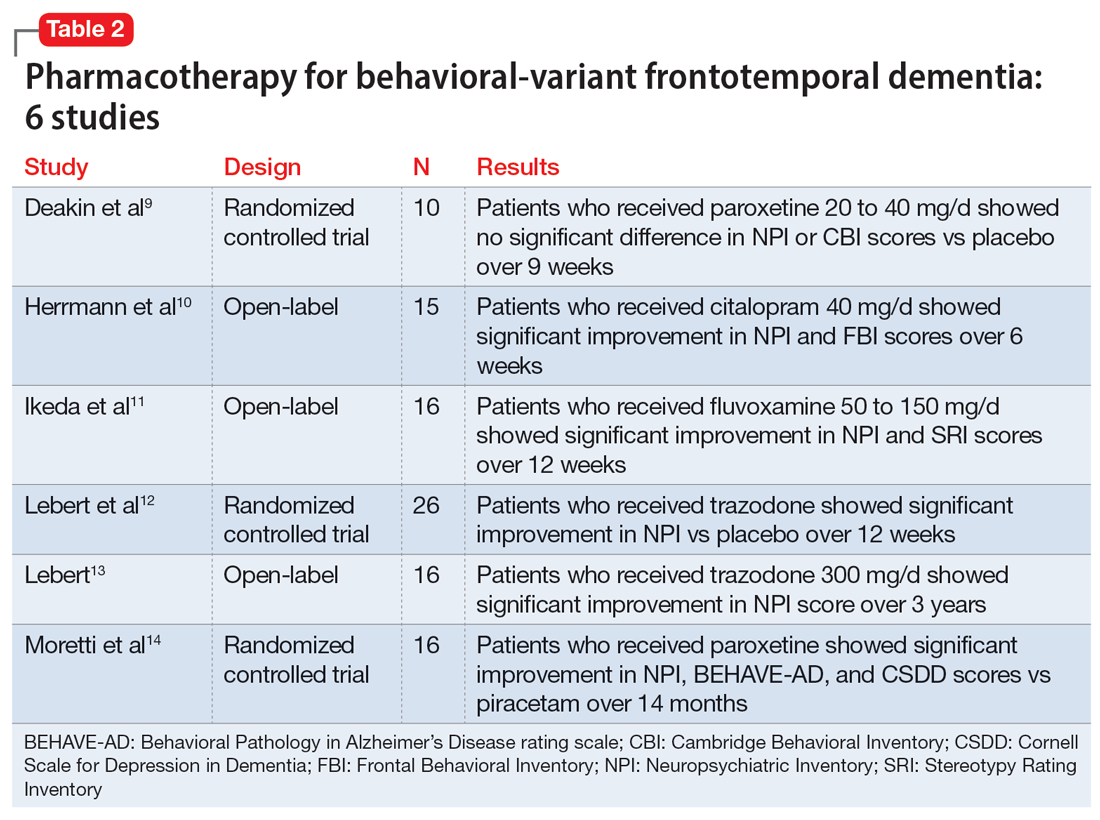
- Therapeutic and Medical Interventions: While not always successful, managing hypersexuality might involve pharmacological interventions, behavioral therapy, or other specialized consultations. The costs of frequent doctor visits, medication, and therapeutic sessions can accumulate, often not fully covered by standard health insurance, especially in the long term.
The Economic Impact on Family Caregivers
Beyond the direct costs of care, the progression of dementia and the emergence of challenging symptoms profoundly impact family caregivers’ financial stability.
- Lost Income and Career Stagnation: Family members, particularly primary caregivers, often reduce their work hours, take unpaid leave, or leave their jobs entirely to provide care. This results in direct income loss, diminished retirement savings contributions, and potential career stagnation, which can have long-lasting financial repercussions. The financial opportunity cost of caregiving can be substantial, often equaling hundreds of thousands of dollars over the course of the disease.
- Out-of-Pocket Expenses: Caregivers frequently incur significant out-of-pocket expenses for medical supplies, transportation, specialized equipment, and adaptations to the home. When a loved one’s needs become complex due to behaviors like hypersexuality, these incidental costs can escalate rapidly.
- Emotional and Physical Toll Leading to Financial Strain: The immense stress and burnout experienced by caregivers can lead to their own health issues, incurring additional medical costs and potentially further reducing their capacity for paid work. The emotional burden often translates into financial strain as resources are diverted to manage crisis situations.
Proactive Financial Planning for Dementia’s Later Stages
Anticipating the financial demands of advanced dementia is critical. While no one can perfectly predict the trajectory of the disease, establishing robust financial safeguards and strategies early on can mitigate the economic shocks when challenging symptoms arise.
Leveraging Long-Term Care Insurance and Annuities
Long-term care (LTC) insurance is a cornerstone of financial planning for dementia. Purchased early, it can provide significant financial relief when specialized care, such as that required for managing hypersexuality, becomes necessary.
- Understanding LTC Coverage: Review policy details carefully to understand daily benefit maximums, elimination periods, and the types of care covered (e.g., home care, assisted living, skilled nursing, memory care). Some policies may have specific provisions for cognitive impairment or behavioral issues.
- Hybrid Policies: For those wary of traditional LTC policies that might not be used, hybrid policies combining life insurance with an LTC rider offer a death benefit if LTC is never needed, or a portion of the death benefit for LTC expenses.
- Annuities for Income Stream: Certain immediate annuities or deferred annuities with long-term care riders can be structured to provide a guaranteed income stream, which can be invaluable for covering the high costs of specialized care when other resources dwindle.
Strategic Estate Planning and Asset Protection
Effective estate planning goes beyond simple wills; it involves protecting assets from depletion by catastrophic care costs and ensuring financial directives are clear and legally binding before cognitive decline prevents sound decision-making.
- Establishing Trusts: Irrevocable trusts can be a powerful tool for asset protection, shielding assets from being counted towards Medicaid eligibility in some circumstances (subject to look-back periods). A special needs trust might be appropriate if there’s a need to preserve eligibility for government benefits.
- Powers of Attorney (POAs): A durable power of attorney for finances is absolutely essential. This document designates a trusted individual to make financial decisions on behalf of the person with dementia, ensuring bills are paid, investments are managed, and care expenses are covered even when the individual is no longer capable. This must be established while the individual still has the capacity to understand and sign legal documents.
- Healthcare Directives: While primarily medical, financial planning often intersects with healthcare decisions. Ensuring advance directives, such as a healthcare power of attorney or living will, are in place can clarify preferences for care and potentially influence the financial trajectory of medical interventions.
Navigating Government Benefits and Aid Programs
When personal resources are insufficient, understanding and accessing government programs becomes crucial.
- Medicaid: For those with limited assets and income, Medicaid can be a lifeline for covering the costs of nursing home care and, in some states, home and community-based services. Eligibility rules are complex and vary by state, often involving strict asset and income limits and look-back periods for asset transfers.
- Veterans Benefits: Veterans and their spouses may be eligible for benefits such as Aid and Attendance, which can provide monthly financial assistance for long-term care expenses, including in-home care, assisted living, or nursing home care, even if not directly related to a service-connected disability.
- Social Security and Medicare: While Medicare primarily covers acute medical care and short-term skilled nursing, it does not cover long-term custodial care. Social Security benefits, however, can provide a steady income stream, which can be directed towards care costs.
Protecting Assets and Preventing Financial Exploitation
Individuals with dementia, especially as cognitive decline progresses and behaviors like disinhibition or impaired judgment emerge, become increasingly vulnerable to financial exploitation. Safeguarding their assets is a critical component of financial planning.
Legal Safeguards: Guardianships and Conservatorships
If a durable power of attorney was not established in time, or if the appointed agent is not acting in the best interest of the individual, court-appointed guardianship (for personal decisions) or conservatorship (for financial decisions) may become necessary. While these processes are legally complex, expensive, and involve relinquishing control, they provide a legal framework for protecting vulnerable individuals and their assets.
Vigilant Monitoring of Financial Transactions
Families and appointed agents must maintain rigorous oversight of bank accounts, investments, and credit card statements. Any unusual or suspicious transactions, such as large withdrawals, unexplained transfers, or new lines of credit, should be investigated immediately.
- Automate Bill Payments: Wherever possible, automate bill payments to ensure essential expenses are covered consistently and to minimize the need for the individual with dementia to manage daily finances.
- Fraud Protection Services: Consider enrolling in identity theft protection services or credit monitoring to alert to potential fraudulent activity.
- Professional Financial Advisor: Engaging a financial advisor specializing in elder care can provide an impartial third party to help manage assets, monitor transactions, and ensure financial decisions align with the individual’s best interests.

The Holistic Economic Impact on Families
The financial ramifications of advanced dementia, particularly when challenging symptoms like hypersexuality emerge, extend far beyond direct care costs. They encompass an intricate web of emotional, social, and economic burdens that demand comprehensive and compassionate planning. Families often face difficult trade-offs between providing optimal care and preserving their own financial futures. Seeking guidance from elder law attorneys, geriatric care managers, and financial advisors specializing in long-term care planning is not merely advisable but essential. These professionals can help navigate the complex landscape of legal requirements, financial instruments, and care options, ultimately aiming to optimize resources and ensure dignity and security for both the individual with dementia and their caregiving family.
aViewFromTheCave is a participant in the Amazon Services LLC Associates Program, an affiliate advertising program designed to provide a means for sites to earn advertising fees by advertising and linking to Amazon.com. Amazon, the Amazon logo, AmazonSupply, and the AmazonSupply logo are trademarks of Amazon.com, Inc. or its affiliates. As an Amazon Associate we earn affiliate commissions from qualifying purchases.