
Testosterone Replacement Therapy (TRT) has become a common treatment for individuals experiencing low testosterone levels. While the medical aspects of TRT, including dosage and administration methods, are frequently discussed, the financial considerations surrounding the ancillary supplies—such as needles—often receive less attention. Yet, the choice and procurement of these seemingly minor components can significantly impact the overall cost-effectiveness and sustainability of your TRT regimen. Understanding the financial nuances of needle size, acquisition strategies, and the broader economic impact of successful treatment is crucial for any patient managing their long-term health budget.

The Hidden Costs of Needle Choice: Beyond the Per-Unit Price
The upfront cost of a single needle might appear negligible, perhaps a few cents or a dollar. However, when multiplied by weekly or bi-weekly injections over many years, these small expenses accumulate. More importantly, the choice of needle size and type can introduce a cascade of hidden financial costs that extend far beyond the direct purchase price.
Initial Outlay vs. Long-Term Value in Needle Selection
Different types of injections (intramuscular vs. subcutaneous) and individual patient preferences necessitate various needle gauges and lengths. For instance, smaller gauge needles (higher number, e.g., 27G to 30G) are often preferred for subcutaneous injections due to reduced discomfort, while larger gauges (lower number, e.g., 23G to 25G) are common for intramuscular routes to ensure proper depth and potentially faster delivery. The market for these specialized medical supplies can sometimes price finer gauge needles or those with advanced features (like ultra-sharp tips or low-dead-space designs) at a premium. While seemingly a small difference per unit, consistently opting for the more expensive, specialized needles can add up over time.
Patients must weigh this initial outlay against the long-term value. A slightly more expensive needle that significantly reduces pain or anxiety associated with injections might lead to better treatment adherence. If a patient is more likely to skip doses due to discomfort from cheaper, less optimal needles, the entire investment in the testosterone medication itself could be compromised, rendering the treatment less effective and, therefore, a poorer return on the overall health expenditure. Conversely, an appropriate, well-sourced standard needle can be highly cost-effective without sacrificing comfort or safety, provided it meets the medical requirements for the individual’s prescribed injection method.
The Cost of Complications: When Incorrect Choice Leads to Financial Burden
Perhaps the most significant hidden financial cost associated with needle choice stems from potential complications due to improper selection or technique. Using a needle that is too short for an intramuscular injection could result in subcutaneous administration of a medication intended for muscle, leading to poor absorption, reduced efficacy, and wasted medication—a direct financial loss. Conversely, using an overly long needle for a subcutaneous injection could cause unnecessary discomfort, bruising, or even damage to underlying tissues.
More severe complications, such as injection site infections, abscesses, nerve damage, or significant scarring, carry substantial financial burdens. Treating an infection could require doctor visits, antibiotics, and in severe cases, drainage procedures or hospitalization. Each of these interventions incurs additional medical bills, co-pays, deductibles, and lost time from work—costs that far eclipse the price of any needle. Furthermore, chronic pain or discomfort due to repeated improper injections could necessitate consultations with pain specialists or physical therapists, adding another layer of expense. The financial prudence, therefore, lies not just in finding the cheapest needle but in selecting the correct needle size and type to prevent these costly, avoidable health setbacks.
Optimizing Your Budget for TRT Supplies: Smart Procurement Strategies
Managing the ongoing costs of TRT supplies requires a proactive approach to procurement. Savvy patients can leverage various strategies to reduce expenses without compromising safety or treatment efficacy.
Bulk Purchasing and Subscription Models for Cost Savings
One of the most effective ways to reduce the per-unit cost of needles, syringes, and alcohol swabs is through bulk purchasing. Medical supply distributors and large online retailers often offer significant discounts when these items are bought in larger quantities, for example, boxes of 100 or even 500 units. While the initial cash outlay is higher, the long-term savings can be substantial compared to buying smaller packs more frequently from a local pharmacy. Some specialized medical supply websites also offer subscription services, providing regular deliveries of supplies at a reduced rate, often with the added convenience of automated refills. This eliminates the risk of running out of supplies and incurring expedited shipping fees or having to purchase at inflated prices in an emergency. Planning ahead and estimating annual supply needs allows patients to capitalize on these volume discounts.
Insurance Coverage and Flexible Spending Accounts (FSAs) for Medical Supplies
Navigating insurance coverage for TRT supplies can be complex but is a vital step in managing costs. While the testosterone medication itself is often covered, policies regarding ancillary supplies like needles and syringes vary widely. Some insurance plans may categorize these as durable medical equipment (DME) or essential medical supplies and cover them, particularly if prescribed by a physician. It is imperative for patients to contact their insurance provider directly to understand their specific benefits, coverage limits, and any requirements for pre-authorization or specific suppliers.
Furthermore, patients with employer-sponsored health plans may have access to Flexible Spending Accounts (FSAs) or Health Savings Accounts (HSAs). These accounts allow individuals to set aside pre-tax dollars to pay for qualified medical expenses, which typically include prescription medications and medical supplies. Utilizing an FSA or HSA for TRT needles and syringes effectively lowers the net cost of these supplies by reducing one’s taxable income, offering a substantial financial advantage over using post-tax dollars. Keeping meticulous records and receipts is crucial for tax and reimbursement purposes.
Comparing Suppliers: Online Pharmacies vs. Local Retailers
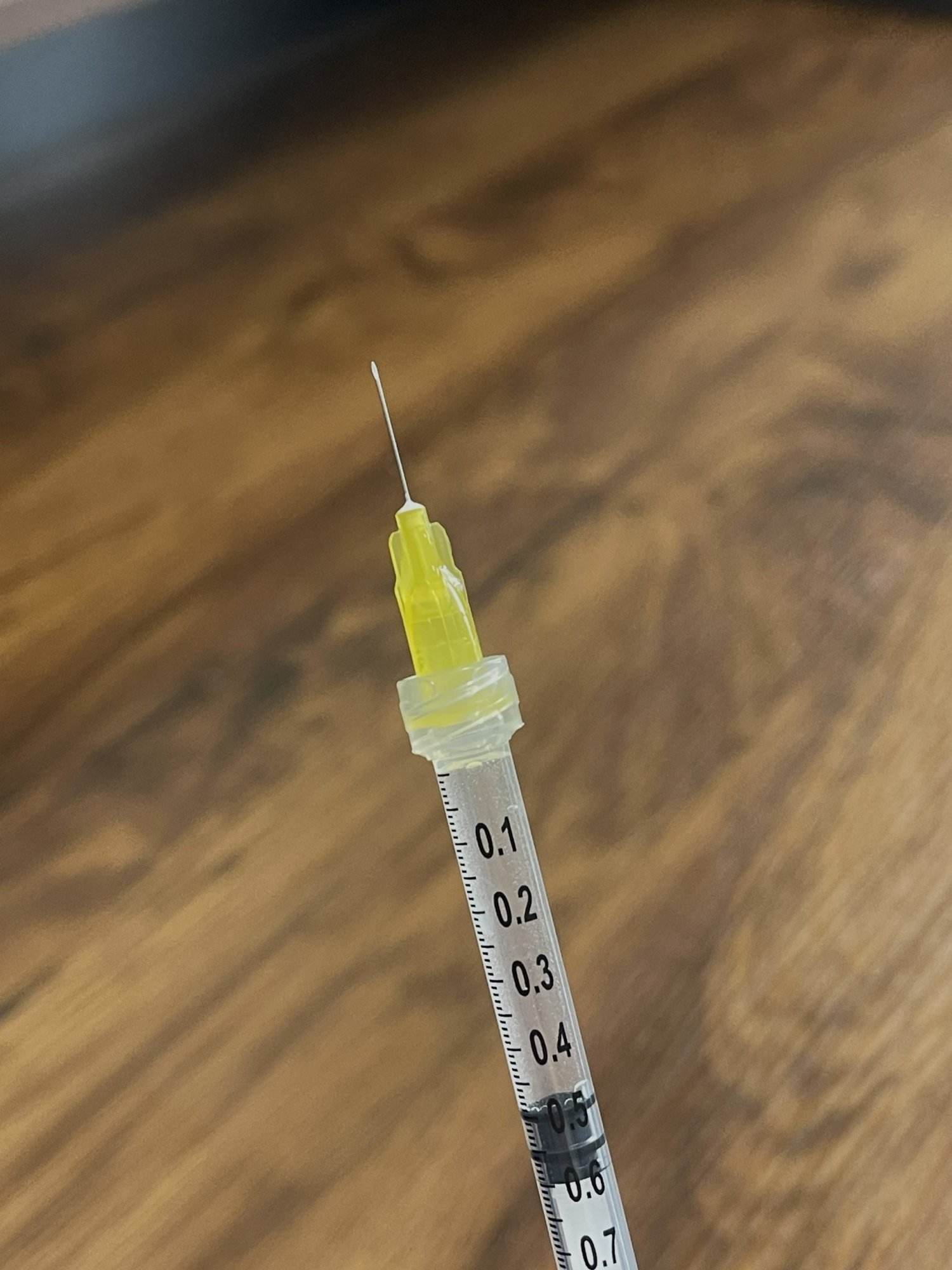
The landscape for purchasing medical supplies has expanded considerably. Patients have the choice between traditional local pharmacies and a multitude of online pharmacies and medical supply distributors. Each channel presents distinct financial advantages and disadvantages. Local pharmacies offer immediate access, personalized service, and the ability to ask questions directly. However, their prices for supplies can often be higher due to overheads and smaller purchasing volumes.
Online pharmacies and dedicated medical supply websites typically offer a wider selection of brands, gauges, and lengths, often at significantly lower prices, especially for bulk purchases. The convenience of home delivery and the ability to easily compare prices across different vendors make them an attractive option for budget-conscious patients. However, patients must exercise due diligence, ensuring they purchase from reputable, licensed suppliers to guarantee product quality and safety. Comparing shipping costs and delivery times is also essential, as some online vendors may offset lower unit prices with higher shipping fees. A hybrid approach, using local pharmacies for urgent needs and online vendors for planned, bulk purchases, can often strike the best financial balance.
The Financial Impact of Adherence and Comfort on TRT Success
Beyond the direct costs of supplies, the financial journey of TRT is profoundly influenced by patient adherence and comfort. A well-managed treatment that prioritizes patient experience can lead to better outcomes and, consequently, a more cost-effective therapy.
Minimizing Discomfort to Maximize Treatment Adherence and Investment
The ongoing nature of TRT means injections are a regular part of life. If the process is consistently painful or uncomfortable, it can lead to anxiety, dread, and ultimately, missed doses. Non-adherence directly undermines the financial investment made in the testosterone medication itself. Each missed dose reduces the therapeutic benefit, potentially prolonging the time until desired outcomes are achieved or even necessitating adjustments to the treatment plan, which can incur additional consultation fees and testing costs.
Investing in appropriate needle sizes—for instance, finer gauge needles for subcutaneous injections or optimally sized needles for intramuscular—that minimize discomfort can be a financially sound decision. If a patient is less likely to skip injections because the process is tolerable, the medication can work as intended, providing the maximum possible return on the cost of the testosterone. This also applies to accessory items; for example, using high-quality alcohol wipes can prevent skin irritation, avoiding minor discomfort that might contribute to injection fatigue. The goal is to make the entire process as comfortable and routine as possible, thereby safeguarding the financial commitment to long-term therapy.
Psychological Costs: Anxiety, Pain, and Their Financial Repercussions
The psychological burden of regular injections, especially if associated with significant pain or fear (needle phobia), can also have financial ramifications. Chronic anxiety surrounding injections can impact mental well-being, potentially leading to increased stress, sleep disturbances, and a reduced quality of life. In some cases, severe anxiety might even necessitate psychological counseling or prescription medications, adding another layer of healthcare costs.
Moreover, if the discomfort is severe enough to cause a patient to abandon self-administration, they might opt for clinic-administered injections. While this alleviates the personal burden of self-injection, it introduces recurring costs for clinic visits, often involving co-pays and facility fees, which can accumulate to hundreds or even thousands of dollars annually. These indirect financial costs underscore the importance of selecting the correct, most comfortable needle size and employing proper injection techniques, not just for physical comfort but for the overall economic sustainability of TRT.
Evaluating the Total Financial Picture of Testosterone Replacement Therapy
Understanding the true cost of TRT goes beyond simply pricing the testosterone vials. It involves a holistic view of all associated expenses, from consultations to ancillary supplies, and an appreciation for the return on investment in one’s health.
Breaking Down the Comprehensive Costs of TRT Management
The total financial burden of TRT encompasses several components:
- Medical Consultations: Initial diagnostic visits, follow-up appointments, and periodic check-ups with an endocrinologist or primary care physician.
- Laboratory Testing: Regular blood tests to monitor testosterone levels, red blood cell count, prostate-specific antigen (PSA), and other markers. These can be frequent in the initial phases of therapy.
- Testosterone Medication: The cost of the testosterone itself, which varies based on formulation (injectable, gel, patch), dosage, brand vs. generic, and insurance coverage.
- Ancillary Supplies: Needles, syringes, alcohol swabs, sharps disposal containers. As discussed, these seemingly small costs add up.
- Potential Adjunctive Medications: Medications for managing potential side effects, such as aromatase inhibitors to control estrogen or HCG for fertility preservation.
- Management of Complications: As highlighted, costs associated with treating infections, severe discomfort, or other adverse events.
Patients should create a detailed budget that accounts for all these elements, not just the medication. Negotiating fees where possible, utilizing generics, and strategically procuring supplies can significantly reduce the overall cost of TRT, making it more manageable for the long term.

The Return on Investment: Health, Productivity, and Quality of Life
While TRT represents an ongoing financial commitment, it is essential to consider the return on this investment. For individuals genuinely suffering from symptomatic low testosterone, successful TRT can lead to profound improvements in energy levels, mood, cognitive function, libido, muscle mass, and overall well-being. These health benefits translate into tangible economic advantages.
Improved energy and cognitive function can boost productivity at work, potentially leading to better job performance, career advancement, and increased earning potential. Enhanced mood and reduced fatigue can improve personal relationships and social engagement, contributing to a higher quality of life that is difficult to quantify but inherently valuable. Avoiding the long-term health consequences of untreated low testosterone—such as increased risk of osteoporosis, metabolic syndrome, and cardiovascular issues—can prevent far greater medical expenses down the line. From a financial perspective, viewing TRT as an investment in one’s long-term health, productivity, and happiness provides a crucial context for understanding the importance of managing all associated costs, including the often-overlooked financial implications of something as specific as needle size.
aViewFromTheCave is a participant in the Amazon Services LLC Associates Program, an affiliate advertising program designed to provide a means for sites to earn advertising fees by advertising and linking to Amazon.com. Amazon, the Amazon logo, AmazonSupply, and the AmazonSupply logo are trademarks of Amazon.com, Inc. or its affiliates. As an Amazon Associate we earn affiliate commissions from qualifying purchases.