
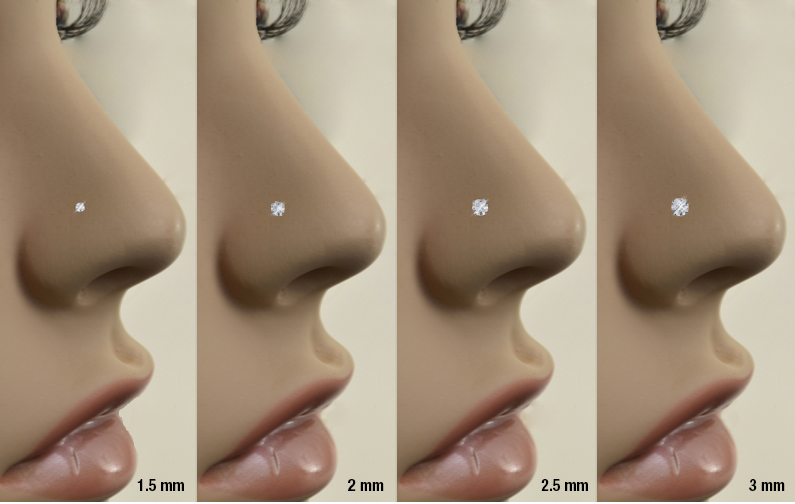
The seemingly straightforward question, “what size is nose piercing,” unfurls into a complex landscape of financial considerations for both the individual seeking adornment and the businesses thriving in the body modification industry. Far from being a mere aesthetic choice, the size of a nose piercing—encompassing gauge, diameter, and length—carries significant economic weight, influencing initial outlay, long-term costs, inventory management, and market dynamics. Understanding these financial dimensions is crucial for informed decision-making, whether you’re a prospective client budgeting for your next piece or an entrepreneur strategizing your inventory and pricing.
The Financial Dimensions of Nose Piercing Sizes
Every aspect of nose piercing size directly correlates with its financial implications, starting from the raw materials to the specialized services required.

Initial Investment: Jewelry Costs by Gauge and Diameter
The most immediate financial impact of nose piercing size is reflected in the cost of the jewelry itself. Several factors tied to size contribute to this varying price tag:
- Gauge (Thickness): The gauge refers to the thickness of the jewelry post or ring. Common nose piercing gauges range from 20G (thinnest, 0.8mm) to 16G (thicker, 1.2mm), and sometimes even larger for more stretched piercings. Thicker gauges generally require more material. While the difference in material volume between, say, a 20G and an 18G stud might seem negligible, when multiplied across thousands of units or when dealing with precious metals, it becomes a significant cost driver for manufacturers and retailers. Furthermore, larger gauges often imply a more substantial piece of jewelry overall, which can require more intricate manufacturing processes, leading to higher labor costs.
- Diameter (Hoops and Rings): For nose rings and hoops, the diameter refers to the internal measurement of the ring. Common diameters range from 6mm to 10mm. Larger diameters naturally use more material. This is particularly noticeable in solid gold or platinum pieces, where an extra millimeter in diameter can add a substantial amount to the price due to the increased precious metal content. Manufacturing larger diameter rings can also require different tooling or more precise bending techniques to maintain perfect circularity, contributing to production overheads.
- Length (Studs and Barbells): For nose studs or barbells used in specific piercings like a septum, the length of the wearable area is a key dimension. Similar to gauge and diameter, longer posts require more material. This is especially relevant during the initial healing phase where a slightly longer post is often used to accommodate swelling, after which a shorter, “downsized” post might be necessary. This often means two separate jewelry purchases for a single piercing over a short period, effectively doubling the initial jewelry investment for that specific piercing style.
The choice of material further amplifies these size-based cost variations. Surgical stainless steel and titanium (especially implant-grade) offer excellent biocompatibility and are generally more affordable, with their prices fluctuating less dramatically with size increases. However, when moving to precious metals like 14k or 18k gold, platinum, or palladium, the material cost becomes paramount. An increase in gauge or diameter in a gold piece will result in a far greater price jump than a similar increase in a titanium piece, directly reflecting the market value of the metals.
The Business of Body Jewelry: Inventory and Overhead
For piercing studios and jewelry retailers, managing the financial implications of nose piercing sizes is a critical aspect of their business model and profitability.
- Inventory Investment: A professional piercing studio must stock a comprehensive range of jewelry sizes to cater to diverse client anatomies and piercing placements. This means maintaining inventory across multiple gauges (20G, 18G, 16G, etc.), various diameters for hoops (6mm, 7mm, 8mm, 9mm, 10mm), and different post lengths (e.g., 6mm, 7mm, 8mm for studs). Each of these size variations must also be available in multiple materials (titanium, gold, etc.) and often in different decorative styles. This diverse inventory represents a substantial capital investment, tying up significant funds that could otherwise be used for other business expenditures or investments.
- Optimal Stocking Levels: Determining the optimal stocking levels for each size is a delicate financial balancing act. Overstocking less popular sizes leads to “dead stock” – inventory that depreciates in value and ties up capital without generating revenue. Understocking popular sizes, conversely, can result in lost sales and customer dissatisfaction. Piercing studios must analyze sales data, predict trends, and manage supplier relationships effectively to optimize their inventory, directly impacting their cash flow and profitability.
- Customization Costs: While standard sizes cover the vast majority of clients, some individuals may require custom-sized jewelry due to unique anatomy or specific aesthetic preferences. Custom orders involve additional costs for the business, including specialized manufacturing requests, potential minimum order quantities from suppliers for non-standard items, and extended lead times, all of which contribute to higher final prices for the consumer and increased operational complexity for the business.
Long-Term Financial Considerations: Maintenance and Replacement
The financial journey of a nose piercing doesn’t end with the initial purchase. Ongoing costs related to size can arise over the lifetime of the piercing.
- Jewelry Changes and Downsizing: During the healing process, initial jewelry might be a longer post to accommodate swelling. Once healed, downsizing to a shorter, better-fitting post is often recommended for comfort and to prevent snagging. This necessitates a second jewelry purchase for the post, adding to the overall cost. While the decorative “top” of a stud might be reusable, the post itself must be replaced, incurring additional material and labor costs if a professional piercer performs the change.
- Loss, Damage, and Replacement: Small items like nose jewelry are prone to loss or damage. Replacing a lost piece, especially if it’s a unique size or made from precious materials, can be a significant unexpected expense. This underscores the financial wisdom of investing in higher quality pieces that are less likely to break, and potentially considering insurance for very expensive items.
- Gauge Changes: While less common for nose piercings than other body modifications, deliberately stretching a nostril piercing to a larger gauge requires a series of progressively larger pieces of jewelry, each representing a separate financial outlay.
Navigating the Market: Value vs. Cost in Nose Piercing Selection
Making an informed decision about nose piercing size involves more than just picking what looks good; it’s about understanding the intersection of cost, value, and personal preference.
Understanding Material and Craftsmanship Premiums
Not all jewelry is created equal, and price differences for seemingly similar sizes can be attributed to material quality and craftsmanship.
- Implant-Grade Materials: High-quality, implant-grade materials like titanium (ASTM F-136) and specific surgical stainless steels are rigorously tested for biocompatibility and smoothness. These materials, crucial for initial piercings and sensitive skin, come with a premium due to their purity and the strict manufacturing standards required. This is an investment in health and comfort, minimizing the risk of complications that could lead to further medical expenses or removal.
- Artisan Craftsmanship: Many high-end jewelry pieces, even in standard sizes, feature intricate designs, hand-polished finishes, or specialty gem settings that require skilled artisans. The labor and expertise involved in creating such pieces contribute significantly to their cost, offering an added layer of aesthetic value and durability. Consumers are often willing to pay a premium for unique designs or superior finish, seeing it as an investment in a statement piece.
- Brand Reputation and Certification: Established jewelry brands known for their ethical sourcing, quality control, and adherence to industry standards often price their products higher. This “brand premium” can be viewed as an investment in reliability and assurance of quality, which can translate to long-term value, fewer issues, and better resale potential compared to unbranded, lower-quality alternatives.
Budgeting for Your Nose Piercing Journey
A holistic financial approach to nose piercing involves budgeting for more than just the initial jewelry.
- Comprehensive Budgeting: When planning for a nose piercing, individuals should budget for the piercing service itself (which varies by studio reputation and location), the initial jewelry (often included or a separate purchase), and potential “downsize” jewelry. Factor in future changes or replacements, especially if considering precious metals or unique designs.
- Prioritizing Investment: It is financially prudent to invest in high-quality, implant-grade jewelry for the initial piercing phase to ensure proper healing and minimize complications. Skimping on quality here can lead to infections or prolonged healing, potentially incurring medical costs or necessitating jewelry replacement sooner than expected. Once healed, individuals have more flexibility to explore less expensive, decorative options for aesthetic changes.
- Researching and Comparing: Just as one would compare prices for a car or a major appliance, researching reputable piercers and jewelers for their pricing structures on specific sizes and materials can yield significant savings or highlight value disparities. Transparency in pricing for different sizes and materials is a hallmark of an ethical business.
The Economic Impact of Piercing Trends and Personal Branding
The aesthetic appeal of specific nose piercing sizes and styles can also have economic ramifications, influencing market demand and even contributing to personal value perception.
Market Demand for Specific Sizes and Styles
Fashion trends heavily influence the popularity of certain piercing sizes and styles.
- Popularity and Pricing: When a particular size or style (e.g., a tiny 20G stud or an 8mm seamless ring) becomes highly fashionable, demand surges. While increased production can sometimes lead to economies of scale and slightly lower prices, very popular, high-quality items can also command premium prices due to their desirability and perceived scarcity. Conversely, less common sizes might be harder to find and thus more expensive due to lower production volumes and specialized manufacturing.
- Wholesale vs. Retail: For businesses, understanding these trends is vital for inventory management and pricing. Predicting which sizes will be in demand allows for strategic wholesale purchasing, potentially securing better bulk rates and improving profit margins. Ignoring trends can lead to stagnant inventory and reduced profitability.
Personal Branding as a Financial Asset
While nose piercings are not direct financial assets, the thoughtful selection of size and style can contribute to one’s personal brand, which, in certain contexts, can have indirect economic benefits.
- Professional Presentation: In some creative or progressive professional fields, a carefully chosen nose piercing (in terms of size, style, and material) can enhance a unique personal brand, contributing to an overall image that is perceived as innovative, stylish, or confident. This “brand investment” can subtly differentiate an individual in the job market or within their industry, potentially influencing opportunities or perceived value.
- Perceived Value and Investment: Individuals often invest in specific piercing jewelry sizes and styles to align with their self-image or aspirational identity. This investment in personal aesthetics, while primarily non-monetary, reflects a consumer’s willingness to allocate financial resources towards elements that enhance their personal brand and self-expression, underscoring the intrinsic value they place on these choices.
Financial Wisdom for Piercing Enthusiasts and Entrepreneurs
Both consumers and business owners stand to benefit from applying sound financial principles to the world of nose piercings.
Smart Purchasing Strategies for Clients
- Informed Decisions: Always consult with a professional, reputable piercer about appropriate sizes for your anatomy and the specific piercing location. Their expertise can prevent costly mistakes in jewelry choice or piercing placement that could lead to financial losses from having to replace jewelry or seek medical attention.
- Long-Term Value: Consider the long-term value of your purchase. A slightly more expensive, high-quality piece of jewelry in a timeless size and design will likely last longer, maintain its appearance, and cause fewer issues than cheaper alternatives, representing a better financial return over time.
- Insurance Considerations: For very high-value nose jewelry (e.g., custom-made gold pieces with significant diamonds), consider adding them to your homeowner’s or renter’s insurance policy, or obtaining a separate jewelry rider. This protects your financial investment against loss, theft, or damage.

Business Insights for Piercing Studios
- Dynamic Inventory Management: Implement robust inventory management systems (potentially using specialized software) to track sales data by jewelry size, material, and style. This allows for data-driven decisions on purchasing, minimizing dead stock, and ensuring popular items are always available, optimizing cash flow and profitability.
- Strategic Pricing Models: Develop a clear and justifiable pricing strategy that accurately reflects the cost of materials, labor, overheads, and market positioning. Offer transparency to clients regarding why certain sizes or materials command specific prices, fostering trust and justifying the value proposition.
- Supplier Relationships: Cultivate strong relationships with reputable jewelry suppliers who offer competitive pricing, consistent quality, and reliable lead times across a range of sizes. This ensures a stable supply chain, helps manage inventory costs, and allows for quick adaptation to market trends.
The seemingly simple query “what size is nose piercing” thus opens a detailed dialogue about financial planning, market dynamics, and astute business operations within a niche but vibrant industry. Whether as a client or a business owner, approaching the topic with financial acumen enhances both satisfaction and profitability.
aViewFromTheCave is a participant in the Amazon Services LLC Associates Program, an affiliate advertising program designed to provide a means for sites to earn advertising fees by advertising and linking to Amazon.com. Amazon, the Amazon logo, AmazonSupply, and the AmazonSupply logo are trademarks of Amazon.com, Inc. or its affiliates. As an Amazon Associate we earn affiliate commissions from qualifying purchases.