
Silver, a timeless precious metal, has captivated humanity for millennia, serving as a medium of exchange, a store of value, and a cherished material for adornment. Its lustrous appeal and intrinsic worth make it a popular investment and a staple in personal finance. However, for many, the allure of silver jewelry or lesser-known silver items can be overshadowed by a common, often perplexing, cosmetic issue: the dreaded green finger. This seemingly innocuous reaction isn’t just a skin irritation; it’s a crucial indicator of the metal’s composition, directly impacting its financial value, longevity, and your personal investment. Understanding which types of silver avoid this unsightly discoloration is paramount for any savvy consumer or investor looking to protect their financial interest in this precious commodity.
The Metallurgy Behind the Mystery: Why Some Silver Turns Green
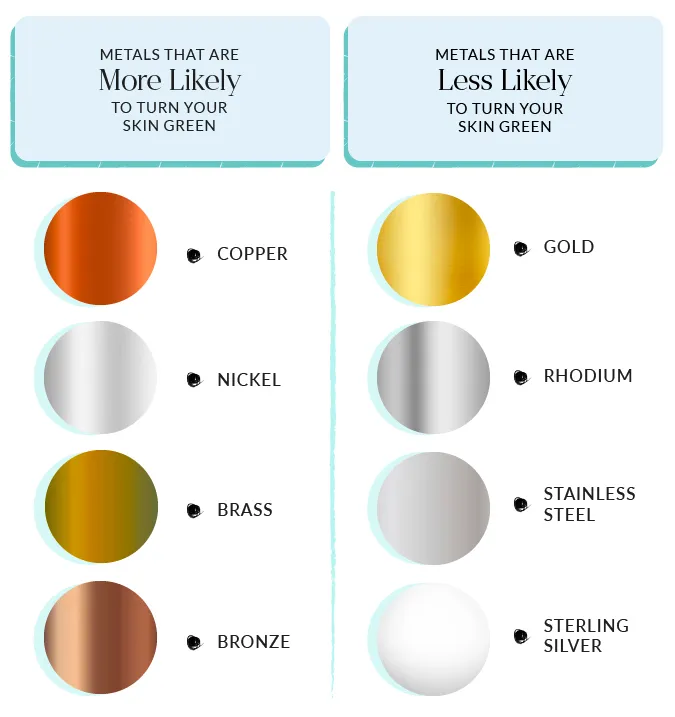
The phenomenon of a “green finger” is primarily a chemical reaction, not an allergic one to silver itself. Pure silver (fine silver) is remarkably stable and does not react with skin or oxidize readily to produce a green residue. The culprit, almost without exception, is copper, an alloy often mixed with silver to increase its hardness and durability, especially in jewelry. When copper comes into contact with skin, moisture (sweat), and oxygen, it undergoes oxidation, forming copper compounds (like copper carbonate or copper chloride) that have a greenish or bluish hue. These compounds then transfer to the skin, staining it.
From a financial perspective, this reaction immediately signals that the item in question is not pure silver. It implies a lower percentage of silver content, affecting its intrinsic value. While alloying is common and necessary for creating functional jewelry, the specific alloy composition dictates both the aesthetic outcome and, more significantly, the item’s market value and potential for long-term appreciation. Understanding this chemical interaction is the first step in making informed financial decisions about silver purchases, distinguishing between genuine high-value items and those with compromised purity.
Decoding Silver Purity: From Fine Silver to Silver-Plated
The world of silver encompasses a spectrum of purities, each carrying distinct financial implications. Differentiating between these grades is crucial for investors and consumers alike to ensure they are getting what they pay for and to avoid the “green finger” dilemma.
Fine Silver (99.9% Pure)
Also known as pure silver or .999 silver, this is the highest grade available for commercial use. Comprising 99.9% silver and only 0.1% other trace elements, fine silver is too soft for most functional jewelry pieces. However, its exceptional purity makes it the preferred form for investment-grade bullion, coins, and bars. It is hypoallergenic and, most importantly for our discussion, it does not turn your finger green. Its high purity means there’s virtually no copper to oxidize.
Financial Implications: Fine silver commands the highest price per ounce due to its intrinsic metal content. It is a direct investment in silver’s market value, with minimal concern for alloying metals. Investors seeking to hedge against inflation or diversify their portfolio often opt for fine silver products. Its value is directly tied to the global spot price of silver.
Sterling Silver (92.5% Pure)
Sterling silver is the most common form of silver used in jewelry, flatware, and decorative objects. It is an alloy containing 92.5% pure silver and 7.5% other metals, typically copper. The addition of copper makes sterling silver much harder and more durable than fine silver, making it suitable for intricate designs and daily wear.
Financial Implications: While generally more affordable than fine silver due to its lower silver content, sterling silver still holds significant value. High-quality sterling silver jewelry from reputable brands can retain or even increase its value over time, especially if it’s well-designed or antique. The “green finger” issue can occur with sterling silver, though it’s less common than with lower-grade alloys. The key factor is the individual’s skin chemistry and exposure to oxidizing agents. However, high-quality sterling silver, especially when rhodium-plated, is significantly less likely to cause discoloration.
Silver-Plated and Nickel Silver

At the lower end of the purity spectrum, and often the primary culprits for green fingers, are silver-plated items and nickel silver.
- Silver-Plated: These items have a very thin layer of pure silver (or sterling silver) electroplated over a base metal, which is almost always copper, brass, or nickel. As the thin silver layer wears off, the underlying base metal is exposed, leading to rapid oxidation and green discoloration.
- Nickel Silver (German Silver): This is a misnomer, as nickel silver contains no silver at all. It’s an alloy of copper, nickel, and sometimes zinc. It has a silvery appearance but will invariably tarnish and cause green stains as its high copper content oxidizes.
Financial Implications: Silver-plated items and nickel silver have minimal intrinsic value related to silver. Their cost reflects manufacturing and design, not precious metal content. Purchasing these items with the expectation of investment or lasting value is a common financial misstep. They offer an aesthetic approximation of silver at a much lower price point but come with the inherent risk of discoloration and a much shorter lifespan for their “silver” appearance. Identifying these lower-grade items is crucial to avoid wasteful spending and disappointing purchases.
Identifying Authentic Silver: Safeguarding Your Investment
For both personal adornment and financial investment, discerning genuine, high-purity silver from its less valuable counterparts is essential. Several methods can help you safeguard your purchase.
Hallmarks and Stamps
The most reliable indicator of silver purity is the hallmark or stamp. These tiny marks, usually found on an inconspicuous part of the item, indicate the silver content.
- .999 or 999: Denotes fine silver (99.9% pure). Common on bullion.
- .925 or Sterling: Denotes sterling silver (92.5% pure). Standard for jewelry.
- Other numbers (e.g., 800, 900): Indicate lower silver content alloys, common in antique European silver.
- “EPNS” (Electro-Plated Nickel Silver) or “SP” (Silver Plated): These indicate plated items with minimal silver content. Any item without a clear purity hallmark, especially if it seems too cheap for its size, should be approached with caution. Absence of a hallmark often suggests a base metal or very low-grade alloy.
Magnet Test
Silver is not magnetic. A strong magnet will not stick to pure silver or sterling silver. If an item strongly attracts a magnet, it is likely steel, iron, or another base metal, not silver. This test can quickly rule out many fakes, though it won’t distinguish between non-magnetic base metals like copper or brass, which might be silver-plated.
Weight and Density
Silver is a dense metal. A pure silver item will feel heavier than a similar-sized item made of a lighter metal. While this requires a keen sense of touch or comparison with known silver items, it can be a useful informal test. Serious investors often use precise scales and density calculations for bullion.
Price as an Indicator
If the price of a seemingly silver item appears too good to be true, it almost certainly is. The market price of silver fluctuates daily, but a baseline value exists. Items significantly below this expected price point for genuine silver are likely plated or an inferior alloy. Financial prudence dictates skepticism towards unusually low prices.

The True Cost of Cheap Silver: A Financial Perspective
The decision to purchase silver, whether for its aesthetic appeal or as an investment, should always consider its purity and authenticity. Opting for cheaper, lower-grade or silver-plated items often leads to a false economy. While the initial outlay is lower, these items are prone to rapid tarnishing, discoloration (the green finger), and wear, meaning they have a short lifespan for their intended appearance and virtually no resale or investment value.
In contrast, investing in fine silver or high-quality sterling silver, though a larger initial expense, offers significant long-term financial benefits. Fine silver retains its market value based on its precious metal content, providing a tangible asset. Quality sterling silver jewelry, while not purely an investment in metal, offers durability, lasting beauty, and can hold its value as an heirloom or a collectible piece. For those keen on protecting their fingers from discoloration and their wallets from depreciating assets, prioritizing purity and authenticity is the only sound financial strategy. In the world of silver, the adage holds true: you generally get what you pay for, and understanding the nuances of its composition is key to making financially astute decisions.
aViewFromTheCave is a participant in the Amazon Services LLC Associates Program, an affiliate advertising program designed to provide a means for sites to earn advertising fees by advertising and linking to Amazon.com. Amazon, the Amazon logo, AmazonSupply, and the AmazonSupply logo are trademarks of Amazon.com, Inc. or its affiliates. As an Amazon Associate we earn affiliate commissions from qualifying purchases.