
Brazil, a nation spanning a vast geographical area and largely situated in the Southern Hemisphere, experiences seasons that are contrary to those in North America and Europe. For those considering financial ventures, investment opportunities, or managing personal finances within the country, understanding this seasonal dynamic is not merely a matter of curiosity but a critical piece of economic intelligence. As of late November, Brazil is transitioning from spring into summer. While the official start of summer in the Southern Hemisphere is typically around December 21st, many regions are already experiencing summer-like conditions, characterized by warmer temperatures and increased rainfall, particularly in the central and northern states. This shift profoundly impacts key economic sectors, shaping market trends, consumer behavior, and operational strategies across the nation.

Seasons and Their Economic Footprint in Brazil
The diverse climatic zones within Brazil mean that “the season” can vary significantly from one region to another. However, the overarching Southern Hemisphere calendar dictates the primary rhythm, which profoundly influences the nation’s economic pulse.
The Southern Hemisphere’s Calendar
In broad terms, the Southern Hemisphere observes:
- Summer: December to March
- Autumn: March to June
- Winter: June to September
- Spring: September to December
Currently, as we approach the end of the calendar year, Brazil is deep into its spring period, with summer’s arrival imminent. This transition is marked by rising temperatures, increased humidity, and for many agricultural regions, the onset of the wet season, which is crucial for planting and growth. This period is often associated with heightened economic activity in sectors like tourism, retail, and certain agricultural commodities.
Beyond Calendar Dates: Regional Climates and Their Economic Influence
While the Southern Hemisphere calendar provides a general framework, Brazil’s continental scale means local variations are significant. The Amazon region, for instance, experiences a tropical climate with distinct wet and dry seasons rather than four temperate seasons, impacting forestry, mining, and specific agricultural ventures differently. The Northeast’s arid to semi-arid climate influences water management and agricultural practices, necessitating different financial strategies. The South and Southeast, with more temperate climates, experience a clearer delineation of the four seasons, which directly impacts energy consumption, agricultural cycles for crops like soy and coffee, and consumer spending on seasonal goods.
Understanding these regional nuances is paramount for investors and businesses. For example, a heavy rainfall season in the Amazon might open opportunities in logistics or water-dependent industries, while a particularly dry spell in the Northeast could necessitate investment in drought-resistant agriculture or water infrastructure. These micro-climates create a complex but predictable tapestry of financial ebbs and flows throughout the year.
Strategic Investment: Capitalizing on Brazil’s Seasonal Cycles
The seasonal rhythms of Brazil present distinct opportunities and challenges for investors, demanding a nuanced approach to portfolio management and market timing.
Agricultural Commodities: A Harvest of Opportunities
Brazil is an agricultural powerhouse, a leading global producer and exporter of commodities such as soybeans, coffee, sugar, and beef. The seasonal calendar directly dictates planting, growing, and harvesting periods, creating predictable cycles of supply and demand that astute investors can leverage.
- Soybeans: The planting season typically begins in October-November (spring/early summer), with harvesting from January to May (summer/autumn). Futures contracts for soybeans often see increased volatility and trading volume during these periods, influenced by weather forecasts and crop yield predictions.
- Coffee: Brazil’s coffee harvest generally occurs between May and September (autumn/winter). Investors monitoring global coffee prices must factor in Brazil’s harvest conditions, which are heavily influenced by winter frosts (a risk for higher altitude plantations) and rainfall during the preceding spring/summer.
- Sugar Cane: Harvesting usually runs from April to November (autumn through spring). The crushing season drives the supply of sugar and ethanol, with prices susceptible to weather patterns and global demand for biofuels.
Investing in agricultural exchange-traded funds (ETFs), futures contracts, or even publicly traded agribusiness companies in Brazil requires a deep understanding of these seasonal cycles and their potential impact on production volumes and commodity prices.
Tourism and Hospitality: Riding the High Season Wave
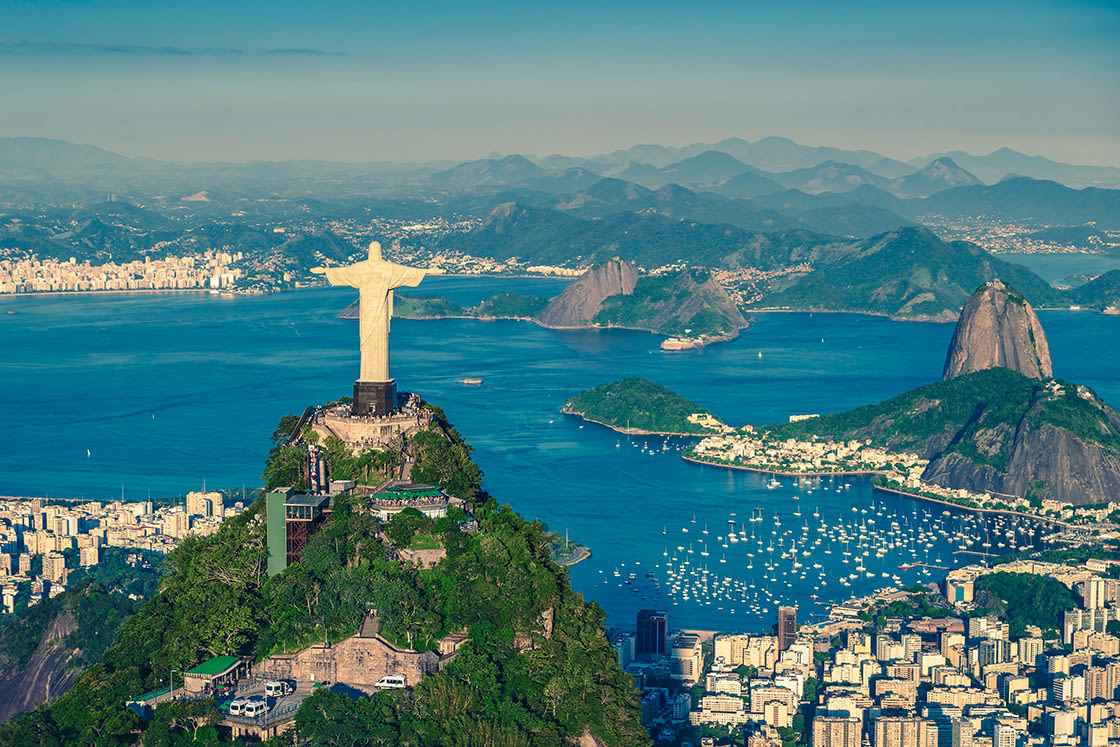
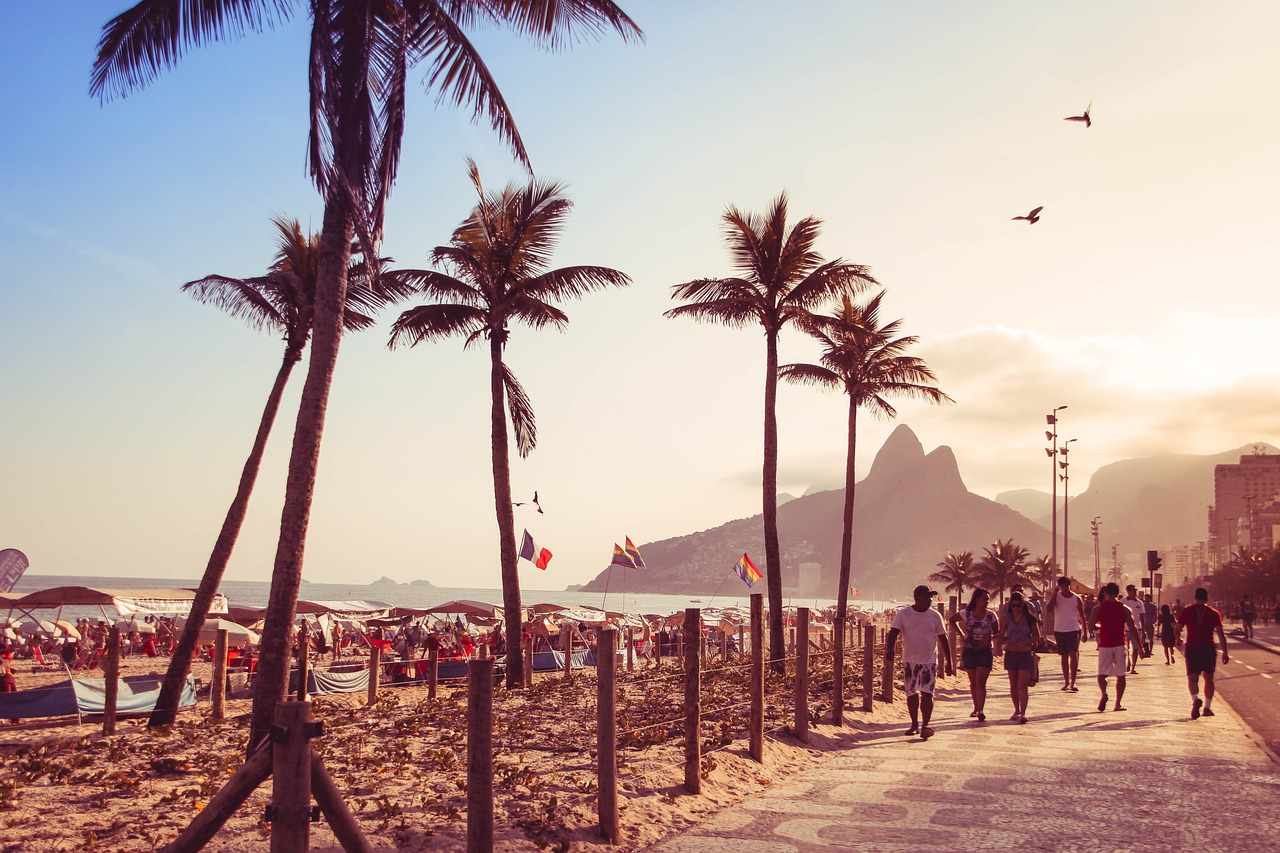
Brazil’s stunning natural beauty and vibrant culture make tourism a significant economic driver. The high season aligns largely with the Southern Hemisphere summer (December to March), when Brazilians often take their summer vacations, and international tourists flock to coastal cities like Rio de Janeiro and Florianópolis, and natural wonders like the Amazon and Iguazu Falls.
- Investment in Hospitality: Hotels, resorts, and related services (e.g., tour operators, car rentals) experience peak demand and higher revenue during this period. Investors might consider equity in publicly traded hospitality groups or real estate investment trusts (REITs) focused on tourism infrastructure, timing their entry or exit to anticipate seasonal surges and lulls.
- Travel Infrastructure: Airlines, bus companies, and cruise lines see increased passenger volumes. Investing in these sectors can yield returns correlated with the seasonal flow of tourists.
- Challenges: The off-season (winter months in the South/Southeast) can bring reduced occupancy rates and lower revenue, requiring businesses to offer competitive pricing or focus on niche markets (e.g., cultural tourism, business travel). Understanding these cycles is crucial for valuing assets and managing expectations.
Retail and Consumer Spending Patterns
Consumer spending in Brazil exhibits distinct seasonal patterns. The summer months, with longer days and holiday periods, boost sales of clothing, beverages, leisure goods, and electronics. Key dates like Christmas (during summer) and Carnival (late summer/early autumn) are major retail events.
- Holiday Spending: Christmas is a significant retail event, amplified by the onset of summer holidays. Brands launch marketing campaigns and discounts to capture increased consumer spending.
- Carnival: This global spectacle drives massive spending on costumes, travel, parties, and related goods and services.
- Back-to-School: Early autumn (February/March) sees a surge in spending on school supplies and uniforms.
Investors in retail chains, e-commerce platforms, and consumer goods companies must account for these cycles, as quarterly earnings can be heavily influenced by seasonal sales peaks and troughs. Predictive analytics and data science tools become invaluable for forecasting these trends and informing investment decisions.
Business Finance and Operational Resilience
For businesses operating in Brazil, understanding and adapting to seasonal shifts is fundamental to financial health and operational efficiency. It impacts cash flow, supply chain management, and energy costs.
Cash Flow Management in Cyclical Industries
Businesses heavily reliant on seasonal demand, such as tourism operators, agricultural processors, and some retail segments, face significant fluctuations in revenue.
- Forecasting and Budgeting: Accurate sales forecasting linked to seasonal patterns is crucial for managing cash flow. Businesses must budget for periods of lower revenue by conserving funds during peak seasons or securing lines of credit to cover operational costs during troughs.
- Working Capital: Managing working capital efficiently is key. Inventory levels need to be optimized for seasonal demand, avoiding excessive stock during slow periods and ensuring sufficient supply during peak times.
- Diversification: Some businesses mitigate seasonal risks by diversifying their offerings or targeting different customer segments throughout the year. For instance, a beach resort might pivot to corporate retreats or wellness programs during the off-season.
Supply Chain Optimization for Seasonal Demands
Brazil’s vast distances and varying infrastructure present complex supply chain challenges, especially when compounded by seasonal demands and weather events.
- Logistics Planning: The wet summer season can affect road conditions, particularly in agricultural regions, leading to delays and increased transportation costs. Businesses must plan logistics carefully, perhaps front-loading inventory before the heaviest rains or investing in more robust transport solutions.
- Inventory Management: For agricultural businesses, ensuring timely procurement of raw materials during harvest season and efficient storage is vital. For retail, having the right stock at the right time in various regions (e.g., winter clothing in the South during June-August, swimwear nationwide during December-March) requires sophisticated inventory systems.
- Risk Mitigation: Supply chain disruptions due to extreme weather are a tangible risk. Businesses need contingency plans, including alternative suppliers or transport routes, and appropriate insurance coverage.
Energy Costs and Infrastructure Adaptation
Seasonal temperature changes directly impact energy consumption patterns, particularly in residential and commercial sectors.
- Summer Heat: The high temperatures during Brazil’s summer lead to increased demand for air conditioning, driving up electricity consumption. Businesses and households face higher utility bills. Industries that rely on consistent cooling (e.g., food processing, data centers) must budget for these spikes.
- Hydroelectric Dependence: Brazil’s energy matrix is heavily reliant on hydroelectric power. Rainfall patterns (which are seasonal) directly influence reservoir levels. Periods of drought, often exacerbated by specific seasonal conditions, can lead to energy rationing or increased reliance on more expensive thermal power, impacting energy costs across the economy.
- Investment in Renewables: The predictability of seasonal sunlight and wind patterns in different regions can inform investment in solar and wind energy projects, offering long-term cost stability and environmental benefits for businesses.
Personal Finance and Brazilian Lifestyle
For residents, expatriates, and long-term visitors in Brazil, understanding the seasonal calendar is crucial for effective personal financial planning and budgeting.
Budgeting for Seasonal Expenses and Income
The seasonal flow affects household budgets significantly.
- Holiday Spending: The festive summer season (Christmas, New Year’s, Carnival) often brings increased spending on gifts, travel, and leisure activities. Families need to budget accordingly, perhaps setting aside funds throughout the year.
- Utility Bills: As mentioned, summer months typically see higher electricity bills due to increased air conditioning use. Winter in the southern states can also bring higher heating costs.
- Income Fluctuations: For individuals working in seasonal industries (e.g., tourism, agriculture), income can fluctuate, necessitating careful savings and investment strategies to smooth out earnings throughout the year. For expats, understanding these local variations can impact budgeting for daily living costs and expatriation benefits.
Real Estate Market Fluctuations
The real estate market in Brazil also experiences seasonal patterns.
- High Season Demand: Coastal properties and vacation rentals see peak demand and higher rental rates during the summer months. Investors in such properties can capitalize on these periods.
- Sales Activity: Property sales often slow down during major holiday periods (e.g., Christmas, Carnival) and the depths of winter, picking up again in spring. Understanding these cycles can help buyers and sellers time their transactions for optimal outcomes. For long-term rental properties, demand can be more stable but still influenced by academic calendars and major corporate relocation cycles.
Financial Planning for Expats and Travelers
For foreigners considering moving to or investing in Brazil, seasonal awareness is not just an operational detail but a core component of financial planning.
- Cost of Living: Certain times of the year can be more expensive for travel and accommodation. Understanding peak seasons allows for more cost-effective planning for relocation or extended stays.
- Business Setup: Timing the launch of a new business to coincide with a favorable economic season can significantly impact initial success. For example, a new retail venture might aim for a pre-summer launch to capitalize on holiday spending.
- Investment Decisions: For those investing in Brazilian assets, aligning investment strategies with the country’s seasonal economic cycles, rather than solely relying on global trends, can provide a significant advantage. This includes everything from purchasing local commodities to investing in public Brazilian companies whose performance is intrinsically linked to seasonal production and consumption.
In conclusion, knowing “what season it is in Brazil right now” extends far beyond a simple meteorological fact. It is a fundamental piece of financial intelligence that underpins strategic investment, resilient business operations, and effective personal finance management across this diverse and dynamic economy. Engaging with Brazil’s economic landscape requires an appreciation for its unique seasonal rhythms and their profound financial implications.
aViewFromTheCave is a participant in the Amazon Services LLC Associates Program, an affiliate advertising program designed to provide a means for sites to earn advertising fees by advertising and linking to Amazon.com. Amazon, the Amazon logo, AmazonSupply, and the AmazonSupply logo are trademarks of Amazon.com, Inc. or its affiliates. As an Amazon Associate we earn affiliate commissions from qualifying purchases.