
The silent network of pipes beneath our homes is often overlooked until something goes catastrophically wrong. While modern plumbing materials offer impressive longevity and reliability, certain pipe types, particularly those found in older properties, represent significant financial liabilities for homeowners, property investors, and even insurers. Identifying these “bad” pipes is not merely about understanding plumbing; it’s about recognizing substantial financial risks that can lead to escalating costs, diminished property value, and severe budgeting challenges.
The Financial Black Holes of Outdated Plumbing Materials
Ignoring the composition of your home’s plumbing system is akin to overlooking a ticking time bomb in your investment portfolio. The financial repercussions of outdated or inherently flawed pipe materials can manifest in various costly ways, ranging from day-to-day expenses to catastrophic capital outlays.
The Hidden Drain: Escalating Utility Costs
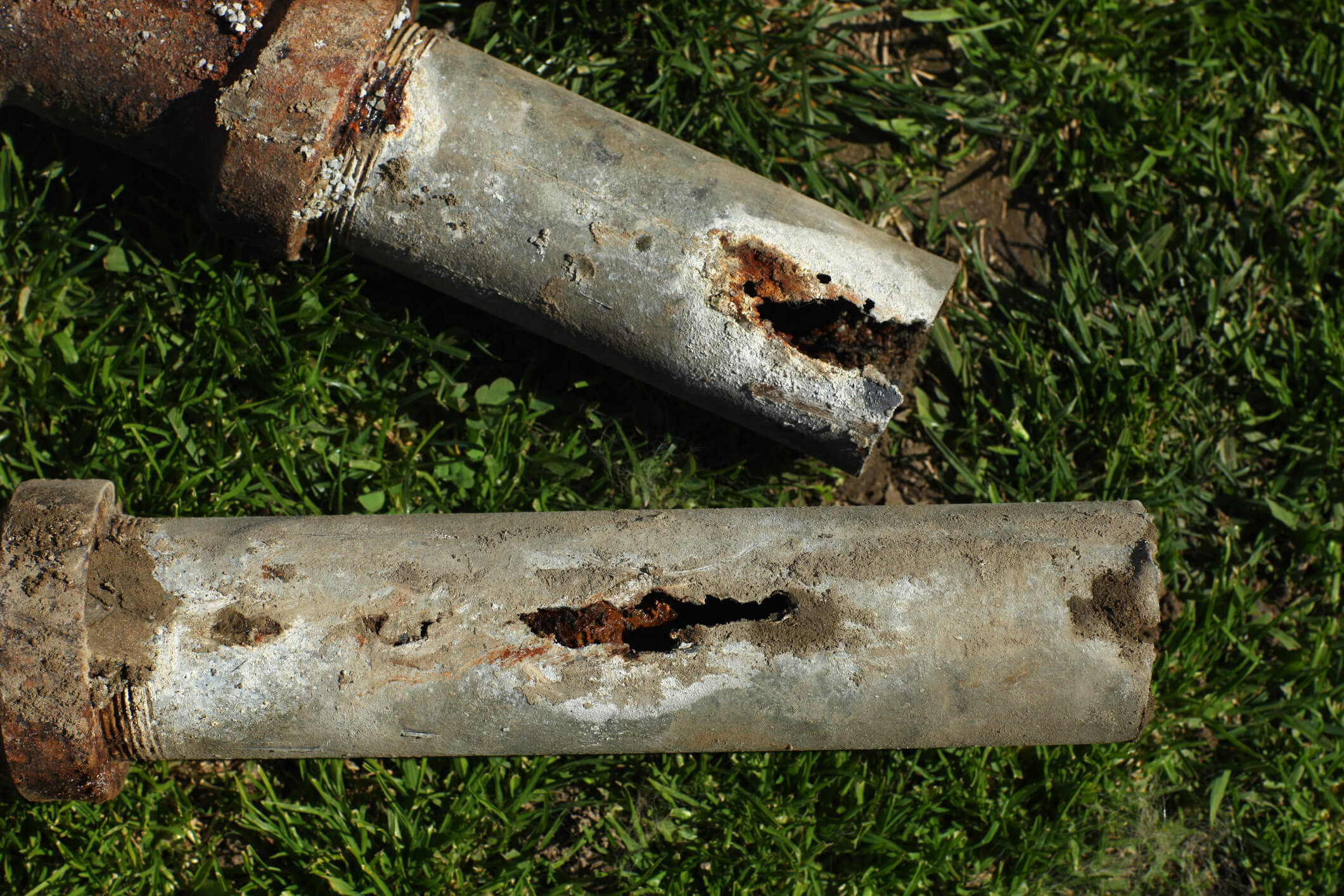
One of the more insidious financial drains associated with problematic plumbing is the unnoticed increase in utility bills. Pipes prone to minor leaks, even slow drips, can steadily waste thousands of gallons of water annually. While a pinhole leak might seem negligible, its cumulative effect over months and years can add hundreds or even thousands of dollars to water bills. Moreover, internal corrosion or mineral buildup in certain older pipe materials can restrict water flow, forcing pumps and water heaters to work harder and consume more energy, indirectly inflating electricity or gas bills. This constant, incremental expense often goes unnoticed, simply appearing as a higher-than-average utility cost without a clear explanation, until a significant failure occurs.
Repair vs. Replacement: The Costly Dilemma
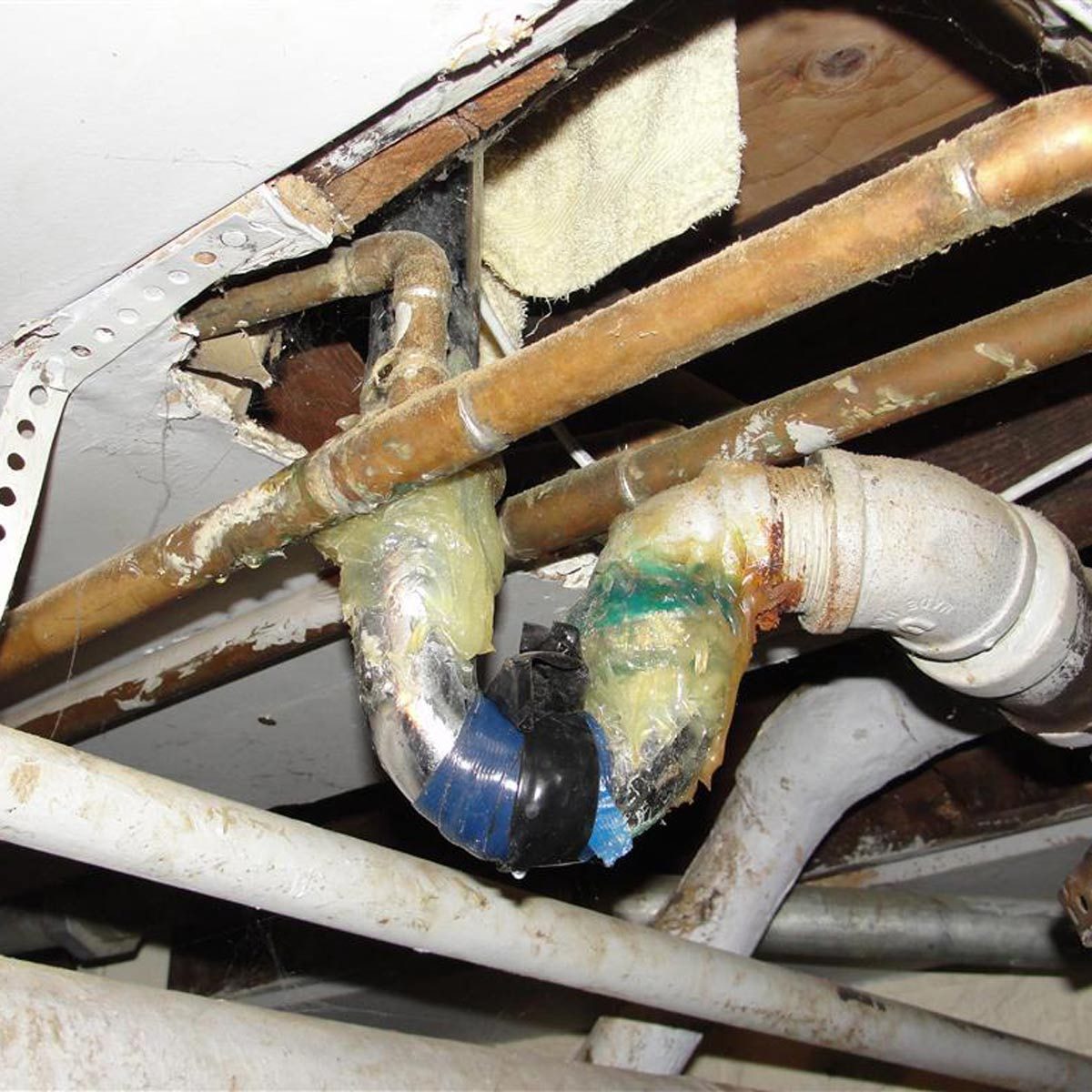
When an old or “bad” pipe material inevitably fails, homeowners face a critical financial decision: repair a segment or replace the entire system. Opting for a localized repair on a system known for widespread failures, such as galvanized steel or polybutylene, often proves to be a false economy. Patching one leak in a corroded galvanized system usually means another will spring elsewhere soon, leading to a relentless cycle of costly, disruptive repairs. Similarly, repairing polybututylene pipes, even with approved methods, does not eliminate the inherent material flaws that lead to systemic failure. The initial lower cost of a repair pales in comparison to the aggregated expenses of multiple repairs, coupled with the inevitable need for a full system replacement down the line. A comprehensive overhaul, while a larger upfront investment, typically offers a superior return on investment by eliminating future repair costs, improving water quality, and increasing property value and peace of mind.
Insurance Woes: Premiums, Claims, and Coverage Gaps
The type and condition of a home’s plumbing system are critical factors for insurance providers. Properties with known high-risk piping materials, such as polybutylene or lead, often face significantly higher insurance premiums due to the elevated risk of catastrophic water damage claims. In some cases, insurers may even refuse to offer coverage for water damage originating from these specific pipe types or may require a higher deductible. A previous claim related to burst pipes or water damage, especially if tied to problematic plumbing, can further increase future premiums or make it difficult to obtain comprehensive coverage. Homeowners are frequently required to disclose the type of plumbing during the underwriting process, and failure to do so can lead to denied claims in the event of a loss. Understanding these insurance implications is vital for managing ongoing housing costs and protecting against unforeseen financial burdens.
Identifying Financially Risky Pipe Materials for Homeowners and Investors
Certain pipe materials have earned a reputation for being financially detrimental due to their inherent flaws, limited lifespans, and propensity for costly failures. Recognizing these materials is the first step in mitigating future financial exposure.
Lead Pipes: A Costly Health and Property Liability
Lead pipes, prevalent in homes built before the 1950s (and sometimes used for solder until the 1980s), represent perhaps the most severe financial and health liability. While the health risks associated with lead in drinking water are paramount, the financial implications are equally staggering. The presence of lead service lines or internal lead plumbing significantly devalues a property and often makes it difficult to sell. Many municipalities and health authorities mandate lead pipe replacement programs, which can be extremely expensive, even with partial subsidies. Homeowners can face costs ranging from thousands to tens of thousands of dollars to replace lead service lines running from the street to their home, let alone internal plumbing. This is not merely an upgrade; it is a legally and morally mandated remediation that comes with a hefty price tag and is non-negotiable for property safety and future marketability.
Galvanized Steel: The Slow, Expensive Demise
Galvanized steel pipes, commonly installed in homes between the 1930s and 1960s, are steel pipes coated with a layer of zinc to prevent rust. While initially effective, this zinc coating degrades over time, typically after 40-50 years. Once the zinc erodes, the steel beneath begins to rust and corrode from the inside out. This internal corrosion leads to several expensive problems:
- Reduced Water Pressure: Rust buildup significantly narrows the pipe’s diameter, restricting water flow and causing noticeable drops in water pressure, particularly in showers and faucets.
- Contaminated Water: Rust flakes can break off and enter the water supply, leading to discolored water (brown or reddish tint) and a metallic taste or odor, which can also stain fixtures and laundry.
- Leaks and Bursts: As corrosion weakens the pipe walls, pinhole leaks and eventual catastrophic bursts become inevitable. These leaks can occur behind walls or under floors, leading to extensive water damage and expensive remediation.
Replacing galvanized steel plumbing is a major undertaking, often requiring the demolition of walls and ceilings to access the pipes. The cost of a full home repipe using modern materials can range from $8,000 to $20,000 or more, depending on the size and complexity of the home, representing a significant capital expense.
Polybutylene (PB) Piping: The Exploding Investment Risk
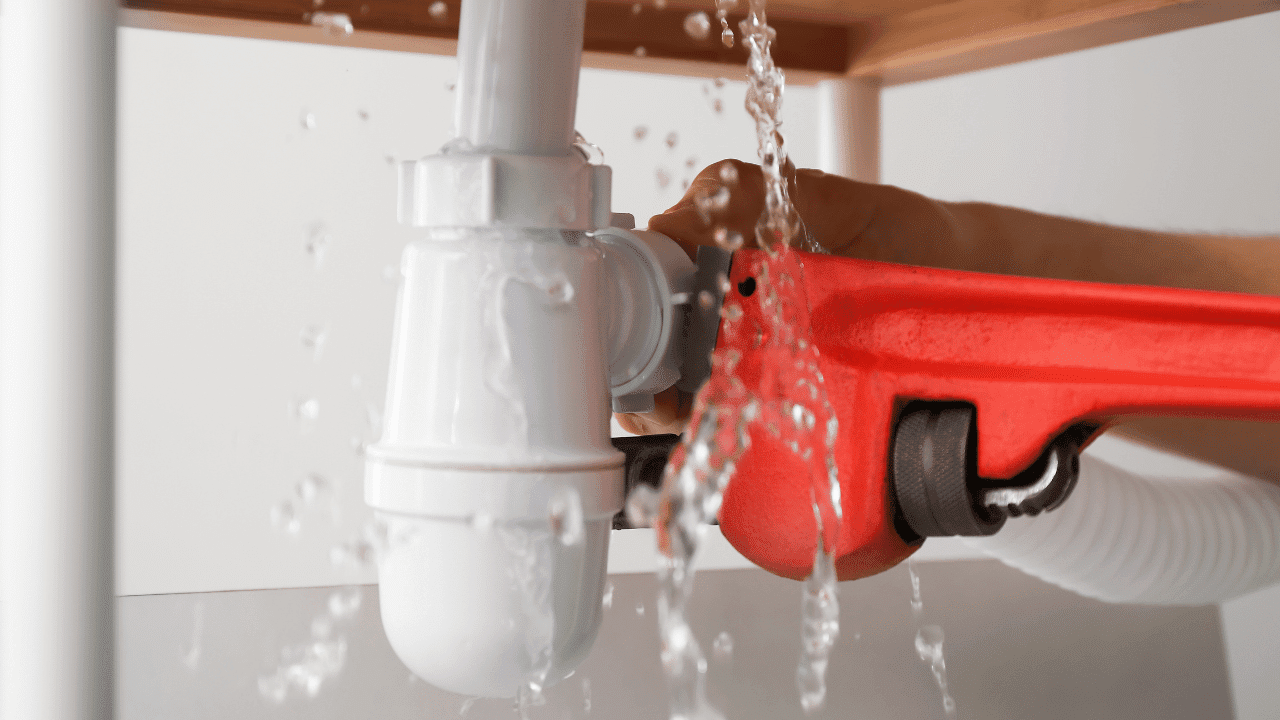
Polybutylene (PB) piping, a grey, flexible plastic pipe installed extensively from the late 1970s to the mid-1990s, is arguably the most notorious “bad” pipe material due to its catastrophic failure rates. While initially seen as a cost-effective alternative to copper, PB pipes proved highly susceptible to degradation from common oxidants found in municipal water supplies (like chlorine). This degradation causes the pipe to become brittle and prone to cracking, particularly at fittings.
The financial implications are severe:
- Sudden, Catastrophic Failures: PB pipes do not typically leak slowly; they burst without warning, causing massive flooding and extensive water damage in a short period.
- Widespread Class-Action Lawsuits: The widespread failures led to a multi-billion dollar class-action settlement, underscoring the severity of the problem.
- Uninsurability and Devaluation: Many insurance companies will not cover homes with polybutylene pipes, or they impose extremely high premiums. Mortgage lenders may also refuse to finance homes unless the PB pipes are replaced. The presence of PB plumbing significantly devalues a property and makes it very difficult to sell.
Repiping a home with polybutylene is not optional; it is a necessity to protect the property from flood damage and maintain insurability and market value. This replacement is a significant cost, often similar to or exceeding that of galvanized pipe replacement, but it is an unavoidable investment for any property owner or prospective buyer.
The Long-Term Financial Impact on Property Value and Resale
Beyond the immediate costs of repairs and utility bills, “bad” plumbing pipes cast a long shadow over a property’s overall financial health, directly impacting its market value and future financial flexibility.
Buyer Beware: Disclosure Requirements and Negotiation Levers
In many jurisdictions, sellers are legally obligated to disclose known material defects, including the presence of problematic plumbing like polybutylene or lead pipes. Such disclosures immediately raise red flags for potential buyers and their lenders. The knowledge of these “bad” pipes often leads to significantly lower offers, as buyers factor in the inevitable cost and hassle of repiping. It also provides a strong negotiation lever for buyers, who may demand substantial price reductions or require the seller to replace the plumbing before closing. For a seller, this can mean leaving tens of thousands of dollars on the table or incurring unexpected costs to complete a sale. A home with modern, reliable plumbing, conversely, can command a higher price and attract more confident buyers.
Renovation Roadblocks and Future Investments
Home renovation projects, whether a bathroom remodel or a kitchen upgrade, invariably involve plumbing. When a home has “bad” pipes, even minor renovations can become exponentially more complex and expensive. What might be a simple fixture replacement in a modern home can turn into a full-scale wall demolition and partial repiping project if the existing galvanized or polybutylene pipes are discovered to be compromised or non-compliant with current codes. The cost of upgrading other systems, like water heaters or filtration systems, also becomes complicated when connected to an unreliable pipe network. This translates into higher labor costs, extended project timelines, and increased overall budgets, effectively diminishing the return on investment for other renovation efforts.
Preventative Investment: Enhancing Property Equity
Conversely, proactively replacing problematic plumbing with modern, durable materials like PEX (cross-linked polyethylene) or copper represents a significant investment in a property’s long-term equity. While the upfront cost of a repipe can be substantial, it is an investment that pays dividends. It eliminates future repair costs, reduces utility bills, minimizes insurance risks, and significantly enhances a home’s appeal and value to future buyers. A property with new, reliable plumbing is perceived as well-maintained, reducing buyer anxiety and often leading to a quicker sale at a better price. This preventative investment transforms a potential financial liability into a strong asset, securing the property’s financial future.
Mitigation Strategies: Financial Planning for Plumbing Overhauls
Addressing “bad” plumbing pipes requires a strategic financial approach. Proactive planning can significantly reduce stress and economic fallout.
Professional Assessment: The Value of an Expert Audit
The first and most crucial step is to engage a qualified, reputable plumber for a comprehensive plumbing inspection. An expert can accurately identify the pipe materials in your home, assess their current condition, and predict potential failure points. They can provide a detailed report outlining the risks associated with your specific plumbing system and offer a clear, itemized estimate for necessary repairs or a full repipe. This professional audit is an invaluable financial tool, enabling you to understand the scope of the problem and the potential costs involved, allowing for informed decision-making rather than reacting to a crisis.
Budgeting for the Inevitable: Setting Aside Funds
Once the scope and cost are understood, financial planning becomes paramount. If your home has identified “bad” pipes, consider their replacement an inevitable future expense, not just a possibility. Start setting aside funds specifically for this purpose. This might involve creating a dedicated savings account, exploring low-interest home equity lines of credit (HELOCs), or even considering refinancing options if the project is extensive and adds significant value. Spreading the cost over time through careful budgeting is far less financially disruptive than facing a sudden, emergency repipe due to a catastrophic burst pipe.
Choosing Wisely: The ROI of Modern Plumbing Materials
When replacing “bad” pipes, the choice of new materials also carries financial implications. Modern options like PEX and copper offer excellent long-term value. PEX is generally more affordable to install than copper due to its flexibility and ease of fitting, leading to lower labor costs. It’s also highly durable, resistant to corrosion, and flexible, making it less prone to bursting from freezing. Copper, while a premium option with higher material and installation costs, offers exceptional longevity, is fully recyclable, and has natural antimicrobial properties. Both materials provide a significant return on investment through peace of mind, reduced repair costs, and enhanced property value. Making an informed decision about the replacement material ensures that your significant financial outlay results in a durable, reliable plumbing system that serves as a long-term asset, rather than another future liability.
aViewFromTheCave is a participant in the Amazon Services LLC Associates Program, an affiliate advertising program designed to provide a means for sites to earn advertising fees by advertising and linking to Amazon.com. Amazon, the Amazon logo, AmazonSupply, and the AmazonSupply logo are trademarks of Amazon.com, Inc. or its affiliates. As an Amazon Associate we earn affiliate commissions from qualifying purchases.