
The enchanting world of Disney’s Aladdin has captivated audiences for decades, bringing to life a tale of magic, adventure, and romance. At the heart of this beloved animated classic is Princess Jasmine, a strong-willed and independent royal who yearns for freedom beyond the palace walls. While her story is firmly rooted in the fantastical, a recurring question that sparks considerable discussion is: what ethnicity is Jasmine from Aladdin? This inquiry delves into the character’s visual design, narrative context, and the broader implications of cultural representation in popular media.

Beyond the surface-level enjoyment of the film, understanding Jasmine’s intended cultural background is crucial. It speaks to how stories are told, who they are intended for, and the impact of these portrayals on diverse audiences. In an era increasingly focused on digital engagement and understanding nuanced branding, dissecting character ethnicity becomes more than just a trivia question; it’s a way to explore the intricate connections between storytelling, audience perception, and the ethical considerations of creative production.
Unpacking Jasmine’s Origins: Beyond the Sands of Agrabah
The fictional city of Agrabah, the setting for Aladdin, is deliberately depicted as a melting pot of influences, drawing inspiration from various Middle Eastern and South Asian cultures. This rich tapestry of inspiration is a key element in understanding Jasmine’s identity, or rather, the lack of a single, definitive ethnic label placed upon her by the filmmakers.
Visual Cues and Interpretive Ambiguity
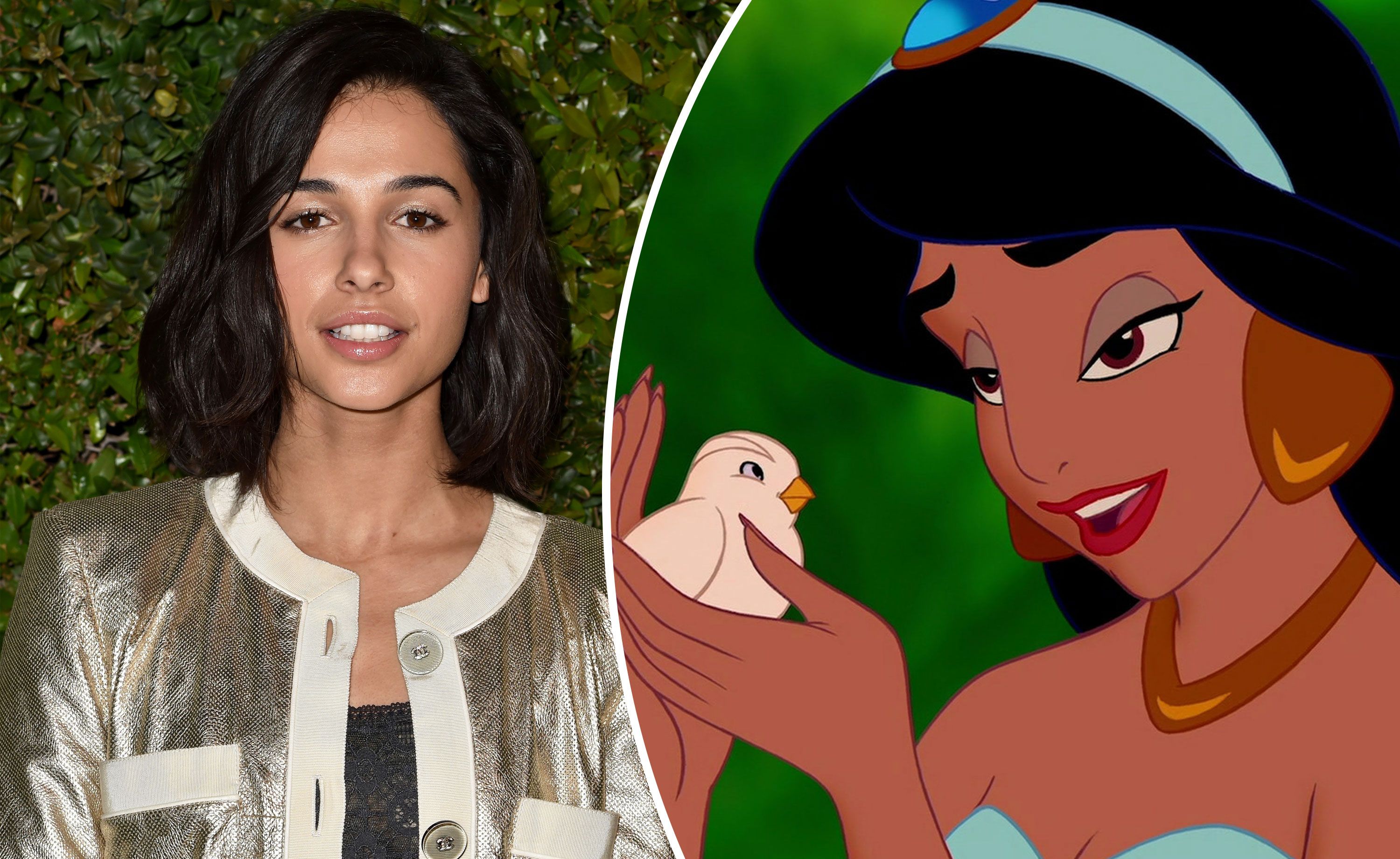
When we first meet Jasmine, her appearance immediately suggests a departure from Western European archetypes. Her dark, wavy hair, almond-shaped eyes, and often depicted tan complexion are visual cues that have led many to associate her with ethnicities from the Middle East or South Asia. Her attire, featuring flowing silks, ornate jewelry, and the iconic turquoise garb, further solidifies this perception, echoing styles prevalent in regions like Persia, India, and the Arabian Peninsula.
However, Disney has historically been careful about explicitly defining the ethnicity of many of its characters, particularly those from non-Western settings. This ambiguity, while perhaps intended to create a more universally relatable “fairy tale” feel, has also opened the door to diverse interpretations. For some, Jasmine embodies the essence of an Arabian princess; for others, she carries strong markers of South Asian heritage. The very vagueness allows audiences to see reflections of themselves and their own cultural backgrounds in the character, which can be a powerful tool for engagement and emotional connection.
Narrative Influences: A Blend of Traditions
The narrative of Aladdin itself is a fascinating blend of folklore. While often categorized as an “Arabian Nights” tale, the source material, specifically Antoine Galland’s adaptation of One Thousand and One Nights, draws from a vast array of oral traditions and literary works from across the Middle East, South Asia, and even China. The inclusion of characters like the Genie, whose magical origins are left intentionally open, further emphasizes this cross-cultural pollination.
Jasmine’s character arc – her struggle against an arranged marriage and her desire for autonomy – resonates with themes found in numerous cultural narratives about independent women challenging societal expectations. Her desire to experience life beyond the palace and her empathy for the less fortunate are universal traits, but their expression within the context of Agrabah’s unique setting hints at a heritage that values both tradition and individual spirit.
The creative team behind Aladdin has spoken about their intention to create a fantastical world inspired by the “general feel” of the region, rather than replicating any one specific culture. This approach, while aimed at originality, can sometimes lead to a superficial representation or a “pan-ethnic” portrayal. The challenge then becomes ensuring that the inspiration translates into respectful and nuanced characterization, rather than a pastiche of cultural elements.
The Power of Representation: Jasmine’s Impact on Audiences
The question of Jasmine’s ethnicity is not merely academic. It touches upon the vital importance of representation in media, especially for young audiences. When characters on screen reflect the diversity of the real world, it can have a profound positive impact on self-esteem, cultural pride, and a sense of belonging.
Bridging Cultural Divides Through Storytelling
For children and adults from Middle Eastern, North African, and South Asian backgrounds, seeing a strong, intelligent, and heroic princess like Jasmine can be incredibly empowering. It offers a counter-narrative to the often limited or stereotypical portrayals of their communities in Western media. Her agency, her refusal to conform, and her quest for self-determination are aspirational qualities that transcend any single ethnic identifier.
However, the lack of explicit definition can also lead to frustration for some who feel that their cultural heritage is being generalized or diluted. The desire for accurate and specific representation is a valid one, and it pushes creators to be more mindful of the cultural nuances they weave into their stories.
Evolving Perceptions and Cultural Sensitivity
In the years since Aladdin‘s release, there has been a growing global awareness of cultural appropriation and the importance of authentic representation. This has prompted a re-evaluation of how characters like Jasmine are perceived and discussed. What might have been overlooked in the early 90s is now a subject of critical analysis.
The live-action adaptation of Aladdin in 2019, while facing its own set of criticisms, made a conscious effort to delve deeper into the cultural inspirations for Agrabah. The casting of Naomi Scott, a British actress of Indian descent, in the role of Jasmine, further cemented the South Asian influence in the interpretation, although the film maintained a deliberate ambiguity about Agrabah’s precise geographical and ethnic makeup. This evolution in casting and storytelling reflects a growing maturity in Hollywood’s approach to diversity and inclusion.
Beyond Ethnicity: Jasmine’s Universal Appeal and Brand Building
While the ethnic background of a character can be a significant point of discussion, Jasmine’s enduring appeal also lies in aspects that transcend any specific cultural context. Her universal themes and her evolution as a character have contributed to her lasting presence as a beloved Disney icon.
The Archetype of the Rebel Princess
Jasmine is more than just a princess; she’s an archetype. Her rebellious spirit, her fight for freedom, and her willingness to challenge the status quo are themes that resonate universally. She is a proto-feminist icon who paved the way for many subsequent Disney princesses who sought to define themselves on their own terms. Her journey from a sheltered royal to a woman who actively seeks to understand and help her people is a powerful narrative arc that captivates audiences regardless of their own cultural backgrounds.
Her refusal to be a passive pawn in political games or a mere ornament in the palace highlights her intelligence and her deep sense of justice. This strong characterization is a key reason why she has remained a popular figure, her appeal built not just on her visual aesthetics but on her internal fortitude and moral compass.
Jasmine as a Brand Asset: Marketing and Merchandise
From a brand perspective, Jasmine is an incredibly valuable asset for The Walt Disney Company. Her iconic look, her compelling storyline, and her association with themes of adventure and romance make her a prime candidate for merchandise, theme park attractions, and further media adaptations. The ambiguity of her ethnicity, in a commercial sense, might even be seen as an advantage, allowing for broader market appeal. However, this commercialization also comes with the responsibility to ensure that the character’s representation remains respectful and avoids tokenism or misrepresentation.
The way Jasmine is marketed and the narratives that are built around her continue to evolve. As audiences become more diverse and discerning, the pressure on brands to present authentic and inclusive portrayals increases. The ongoing conversation around Jasmine’s ethnicity is a testament to the fact that audiences are not just passive consumers of entertainment; they are active participants who engage with characters on a deeper, more personal level.

Conclusion: An Enduring Enigma
Ultimately, the question of what ethnicity Jasmine is from Aladdin remains a point of nuanced discussion rather than a definitive answer. The filmmakers intentionally drew inspiration from a broad spectrum of cultures to create the magical world of Agrabah. This deliberate ambiguity allows for diverse interpretations and can be seen as both a strength and a point of contention.
What is undeniable is Jasmine’s impact. She stands as a powerful symbol of independence, intelligence, and a thirst for a life beyond prescribed boundaries. Her story, while set in a fantastical land, speaks to universal human desires for agency and self-discovery. As we continue to consume and analyze media, the conversation around characters like Jasmine will undoubtedly persist, pushing for richer, more authentic, and more inclusive storytelling that reflects the beautiful complexity of our globalized world. The exploration of her character, her visual design, and her narrative roots offers a valuable lens through which to understand the evolving landscape of representation in entertainment and the enduring power of well-crafted characters to spark meaningful dialogue.
aViewFromTheCave is a participant in the Amazon Services LLC Associates Program, an affiliate advertising program designed to provide a means for sites to earn advertising fees by advertising and linking to Amazon.com. Amazon, the Amazon logo, AmazonSupply, and the AmazonSupply logo are trademarks of Amazon.com, Inc. or its affiliates. As an Amazon Associate we earn affiliate commissions from qualifying purchases.