
Choosing a nursing specialty is a pivotal decision that profoundly impacts not only your daily professional life but also your long-term financial stability and wealth-building potential. Beyond passion and patient care preferences, the economic realities of different specialties warrant careful consideration. Understanding the financial landscape of various nursing paths is crucial for making an informed choice that aligns with your personal finance goals, from immediate income to retirement planning. This article will explore the financial dimensions of selecting a nursing specialty, offering insights into how to make a financially savvy decision.

Understanding Earning Potential Across Specialties
The salary scale for nurses varies significantly depending on the chosen specialty, geographic location, experience level, and certifications. While all nursing roles are vital, some command higher compensation due reflecting specialized skills, increased demand, or critical responsibility. Evaluating these differences is the first step in assessing your financial future.
High-Earning Specialties and Their Demand
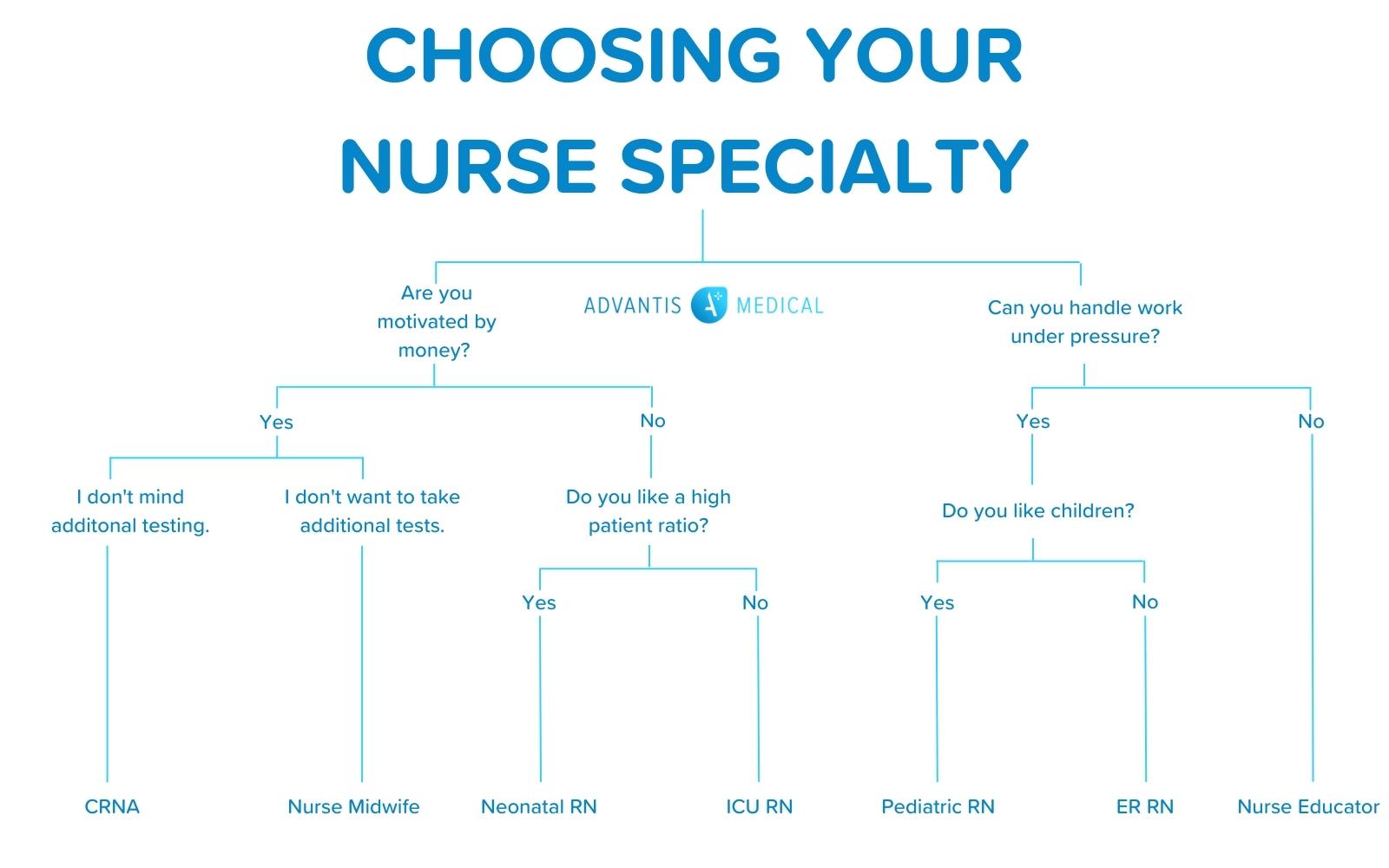
Certain nursing specialties consistently appear at the top of salary surveys due to the advanced education, complex skills, and high-stakes environments they involve. Nurse anesthetists (CRNAs), for example, typically command the highest salaries in the nursing field, often exceeding $180,000 annually, given their Master’s or Doctorate-level education and critical role in surgical procedures. Other financially rewarding specialties include Nurse Practitioners (NPs), particularly those specializing in psychiatric mental health or acute care, and Certified Nurse-Midwives (CNMs).
Beyond these advanced practice roles, staff nursing positions in high-demand areas can also offer competitive compensation. Specialties like Critical Care (ICU), Emergency Room (ER), Operating Room (OR), and Neonatal Intensive Care Unit (NICU) often have higher base salaries, increased opportunities for overtime, and sign-on bonuses due to their specialized nature and the continuous need for skilled professionals. Understanding which specialties are experiencing current or projected shortages can also guide your decision, as high demand often translates to better pay and job security.
Factors Influencing Salary Beyond Specialty
While specialty is a primary determinant, several other factors can significantly impact your earning potential. Years of experience play a crucial role; seasoned nurses in any specialty will generally earn more than new graduates. Geographical location is another major variable, with nurses in metropolitan areas and states with higher costs of living (e.g., California, New York, Hawaii) typically earning more than their counterparts in rural areas or states with lower living expenses. However, it’s essential to consider the cost of living index in these areas to understand real income.
Furthermore, employer type can influence pay. Nurses working in large hospital systems, academic medical centers, or specialized outpatient clinics might earn more than those in smaller community hospitals or long-term care facilities. Unionized hospitals often offer more structured pay scales and benefits. Finally, pursuing additional certifications within your chosen specialty demonstrates expertise and can often lead to salary bumps or eligibility for higher-paying positions.
Financial Investment and Return on Education
The path to becoming a specialized nurse often requires additional education, certifications, and sometimes even advanced degrees. While these educational pursuits represent a significant financial investment, they are also a gateway to higher earning potential and career advancement.
Cost of Advanced Degrees and Certifications
For advanced practice registered nurse (APRN) roles such as CRNA, NP, or CNM, a Master of Science in Nursing (MSN) or Doctor of Nursing Practice (DNP) degree is required. These programs can range from two to five years and entail substantial tuition fees, living expenses, and foregone income if studying full-time. The cost of a DNP can easily exceed $50,000 to $100,000, depending on the institution. Similarly, specialized certifications for roles like critical care (CCRN), emergency nursing (CEN), or perioperative nursing (CNOR) require fees for exams and continuing education units (CEUs).
When evaluating these costs, consider them as an investment. Calculate the potential return on investment (ROI) by comparing the additional educational expenses against the projected increase in annual income. A specialty requiring an extra two years of schooling and $30,000 in tuition might be a sound investment if it leads to a $30,000 annual salary increase, allowing you to recoup your investment within a few years.
Strategies for Funding Your Education
Financing advanced nursing education can be managed through several avenues. Federal student loans are a common option, but exploring grants, scholarships specifically for nursing students, and tuition reimbursement programs offered by employers can significantly reduce out-of-pocket costs and future debt burden. Many hospitals offer tuition assistance to nurses willing to commit to working for them for a certain period post-graduation. Researching these options early can save you tens of thousands of dollars.
Additionally, consider the flexibility of online or hybrid programs, which may allow you to continue working part-time or full-time, thus mitigating the impact of lost income during your studies. Opting for in-state public universities often provides a more cost-effective education compared to private institutions.
Job Security, Benefits, and Long-Term Financial Planning
Beyond the immediate paycheck, the choice of nursing specialty can influence job security, the quality of your benefits package, and your ability to build long-term wealth. These elements are crucial for a comprehensive financial strategy.
Job Market Stability and Future Outlook
Certain nursing specialties are projected to experience robust growth due to demographic shifts (e.g., aging population) and evolving healthcare needs. Geriatric nursing, home health nursing, and specialties focused on chronic disease management are likely to see sustained demand. Likewise, specialties that provide primary care or address mental health gaps, such as Family Nurse Practitioner or Psychiatric-Mental Health Nurse Practitioner, are consistently in high demand.
High demand often translates to greater job security, more negotiating power for salaries and benefits, and diverse employment opportunities. A specialty with high turnover or diminishing need might offer less stability, making it harder to plan for the future. Reviewing projections from the Bureau of Labor Statistics (BLS) and professional nursing organizations can provide valuable insights into the long-term viability of various specialties.
Evaluating Benefit Packages
While salary is paramount, the total compensation package significantly impacts your financial well-being. Different employers and, sometimes, different specialties within the same organization, may offer varying benefits. Key components to assess include:
- Health Insurance: Understand the premiums, deductibles, co-pays, and network coverage. A robust health plan can save you thousands annually.
- Retirement Plans: Employer-sponsored 401(k) or 403(b) plans with matching contributions are a powerful tool for wealth accumulation. Maximize these contributions to take full advantage of compounding interest.
- Paid Time Off (PTO): Generous vacation, sick leave, and holiday pay contribute to work-life balance and provide financial security during periods of absence.
- Life and Disability Insurance: These are essential for protecting your income and dependents in unforeseen circumstances.
- Continuing Education Allowances: Some employers offer funds or time off for professional development, which can save you money on maintaining certifications or pursuing further education.
A specialty that offers lower base pay but a superior benefits package might sometimes offer better overall financial value than a higher-paying job with minimal benefits. Calculate the monetary value of the benefits when comparing offers.
Opportunities for Online Income and Side Hustles
Nursing is a profession ripe with opportunities for supplementary income, often facilitated by the specialized knowledge gained in specific fields. Many nursing specialties lend themselves well to side hustles or even full-time online ventures, offering avenues to diversify income streams and accelerate financial goals.
For instance, nurses with expertise in specific areas can engage in medical writing, content creation, or course development for nursing education platforms. Specialties like legal nurse consulting (LNC) allow nurses to use their clinical knowledge to assist legal teams, often on a freelance or contract basis. Telehealth nursing, which grew significantly, offers flexible hours and the ability to work from home, potentially as a primary role or a side gig. Travel nursing is another lucrative option, allowing nurses to work short-term contracts in various locations, often with significantly higher pay rates, though it involves frequent relocation.
Exploring these avenues can provide financial flexibility, allowing you to pay down debt faster, save for a down payment, or invest more aggressively for retirement. When choosing a specialty, consider whether your acquired skills and knowledge could open doors to these additional income opportunities.

Making Your Financially Savvy Decision
Ultimately, the decision of “what nursing specialty should I do” requires a holistic approach that balances your passion for nursing with pragmatic financial considerations. Start by honestly assessing your financial goals: Are you looking for maximum income growth, work-life balance with stable earnings, or opportunities for entrepreneurial ventures?
Research salary ranges, job market projections, and educational requirements for specialties that pique your interest. Speak with nurses already working in those fields about their compensation, benefits, and the reality of their financial situation. Use financial planning tools to model different scenarios, considering how debt repayment, savings, and investment strategies will be impacted by varying income levels and educational costs.
Your nursing career is a marathon, not a sprint. By thoughtfully integrating financial planning into your specialty selection process, you lay a robust foundation for a rewarding and financially secure future.
aViewFromTheCave is a participant in the Amazon Services LLC Associates Program, an affiliate advertising program designed to provide a means for sites to earn advertising fees by advertising and linking to Amazon.com. Amazon, the Amazon logo, AmazonSupply, and the AmazonSupply logo are trademarks of Amazon.com, Inc. or its affiliates. As an Amazon Associate we earn affiliate commissions from qualifying purchases.