
Fire extinguishers are indispensable tools in the initial stages of a fire, capable of preventing minor incidents from escalating into catastrophic financial disasters. However, their efficacy hinges entirely on proper understanding, maintenance, and deployment. Misusing a fire extinguisher, or neglecting crucial aspects of fire safety readiness, can transform a potential quick save into a compounding financial burden. Businesses and individuals alike must recognize that treating these vital safety devices casually is not just a safety oversight, but a significant financial risk. The following outlines critical missteps to avoid, framing them within the context of protecting assets, mitigating financial loss, and ensuring fiscal stability.
Overlooking Training and Preparedness: A Costly Gamble for Your Bottom Line
One of the most profound financial errors concerning fire extinguishers is the assumption that their operation is intuitive or self-explanatory. This oversight in training and preparedness can lead directly to property damage, business interruption, and substantial economic losses.
The Financial Peril of Ignorance
Without proper training, individuals are likely to make critical errors under the stress of a real fire. This might include:
- Incorrect Aiming or Technique: Failing to follow the P.A.S.S. (Pull, Aim, Squeeze, Sweep) method effectively can mean the extinguishing agent misses the fire’s base, allowing it to spread and consume more valuable assets, from inventory and machinery to critical infrastructure. The cost of replacing these items, often depreciated or specialized, can far exceed the initial savings from forgoing training.
- Choosing the Wrong Extinguisher: Different fire types (Class A, B, C, D, K) require specific extinguishing agents. An untrained individual might instinctively grab the nearest extinguisher, regardless of its suitability. Using a water-based extinguisher on an electrical fire, for instance, can spread the blaze, cause electrocution, and destroy sensitive electronics, leading to much greater repair and replacement costs, not to mention potential worker’s compensation claims or legal liabilities.
- Delaying Evacuation: Overconfidence in an extinguisher’s ability, without understanding its limitations or the appropriate time to evacuate, can lead to individuals staying in a dangerous environment for too long. This not only risks lives but can result in injuries that incur significant medical costs, rehabilitation expenses, and potential lawsuits, all of which impact a company’s financial health or an individual’s personal savings.
Risk Mitigation as an Investment
Investing in comprehensive fire extinguisher training for employees or household members is not an expense; it’s a strategic investment in risk mitigation. Proper training ensures that potential fire incidents are managed swiftly and effectively, minimizing damage and preventing the escalation that leads to massive financial outlays. Reduced property damage means lower repair bills, less downtime, and potentially stable insurance premiums. For businesses, this translates to maintaining operational continuity, protecting revenue streams, and preserving shareholder value. The ROI on fire safety training becomes evident when considering the alternative—the multi-million-dollar losses associated with unchecked fires.
Neglecting Regular Maintenance: A Deferred Expense That Multiplies
A fire extinguisher is a tool designed for a critical moment, and like any tool, it requires regular maintenance to ensure it performs as expected. Failing to maintain extinguishers is akin to deferring a small, manageable expense that inevitably escalates into a colossal financial liability.
The Hidden Costs of an Unready Extinguisher
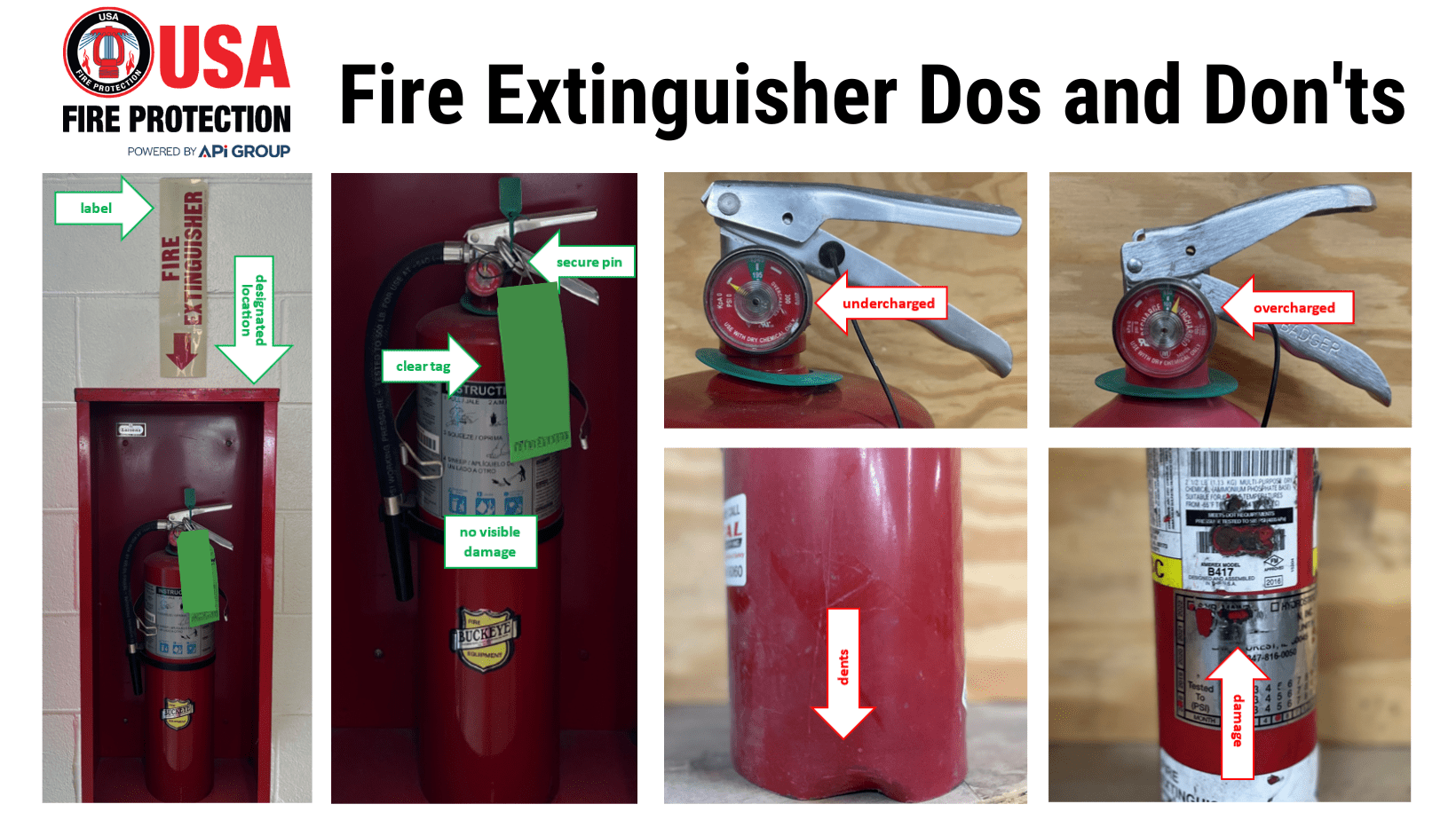
Fire extinguishers are subject to internal pressure, chemical degradation, and wear and tear. Without routine checks and professional servicing:
- Loss of Pressure: Over time, an extinguisher can lose its internal pressure, rendering it useless when needed most. This means a fire, which could have been contained, will spread unimpeded, leading to significantly higher costs for property damage repair, asset replacement, and business interruption. The initial “saving” from skipping a maintenance check pales in comparison to the cost of rebuilding a facility.
- Blocked Nozzles or Hoses: Dust, debris, or corrosion can obstruct the nozzle or hose, preventing the extinguishing agent from being discharged. This creates a false sense of security and leaves assets vulnerable to complete destruction.
- Expired or Degraded Agent: The chemicals within an extinguisher have a shelf life. An expired or degraded agent may be ineffective, failing to suppress the fire and allowing it to grow, further increasing damage and recovery expenses.
- Physical Damage: Extinguishers can be dented, corroded, or have broken components. These issues compromise their structural integrity and operational readiness. An extinguisher that fails during a fire can lead to injuries or the complete loss of assets, both carrying steep financial consequences.
Regulatory Fines and Insurance Claim Denials
Beyond the direct costs of fire damage, neglecting extinguisher maintenance carries significant legal and financial penalties. Regulatory bodies (like OSHA in the U.S.) mandate regular inspections and servicing of fire safety equipment in commercial settings. Non-compliance can result in substantial fines, which are direct drains on a company’s financial resources.
Furthermore, insurance policies often include clauses requiring adherence to fire safety regulations and proper maintenance of safety equipment. If a fire occurs and it’s discovered that fire extinguishers were not properly maintained or inspected, an insurance provider could partially or entirely deny a claim. This leaves the policyholder to bear the full financial brunt of the damage, turning a potentially recoverable loss into a devastating economic blow for a business or an individual.
Deploying the Wrong Extinguisher: Exacerbating Losses and Liabilities
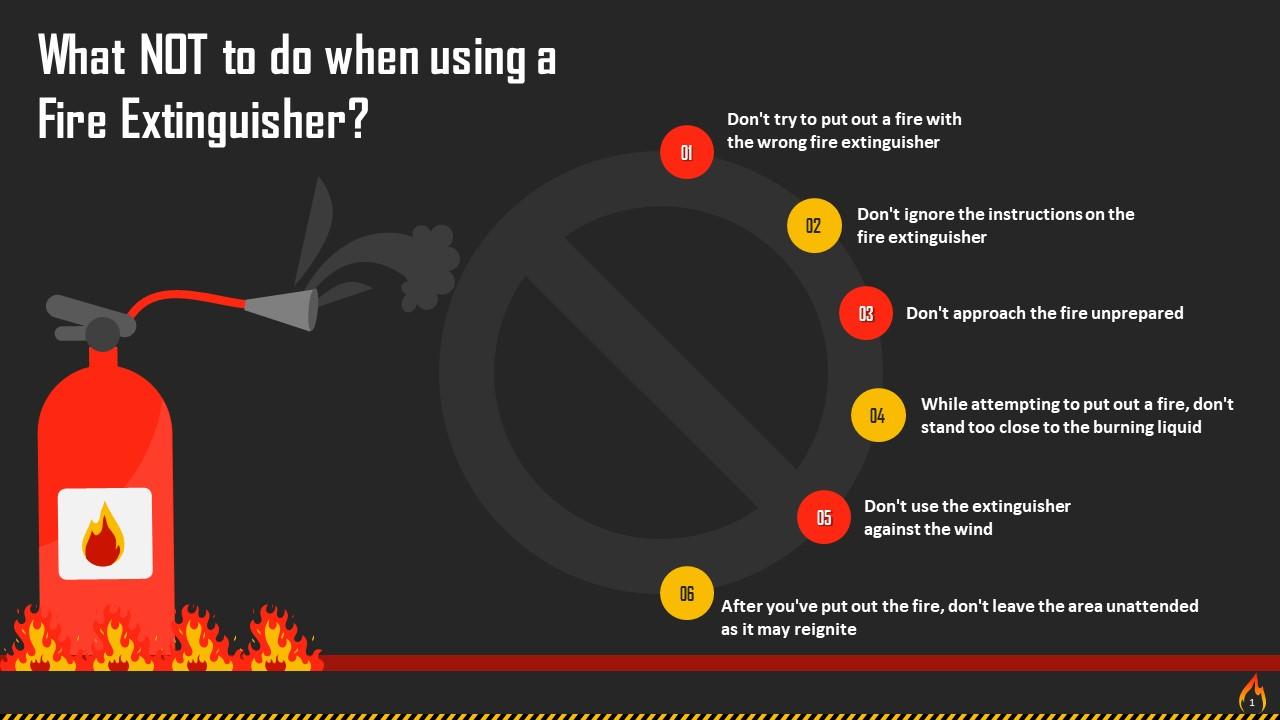
Using an unsuitable fire extinguisher is a critical error that can escalate a contained incident into a larger, more destructive event, magnifying financial losses and exposing entities to significant liabilities.
Asset Destruction and Business Interruption
Fires are categorized, and each category requires a specific approach.
- Class A (ordinary combustibles): Water or foam. Using a CO2 extinguisher might be ineffective, allowing the fire to spread.
- Class B (flammable liquids/gases): Foam, CO2, dry chemical. Using water can spread the liquid fire, increasing damage exponentially. Imagine dousing a grease fire with water in a commercial kitchen; the fire spreads rapidly, destroying expensive equipment and forcing a prolonged business closure.
- Class C (electrical equipment): CO2, dry chemical. Water-based extinguishers are highly dangerous due to conductivity, risking electrocution and further damaging electrical systems, leading to costly repairs and extended downtime for operations reliant on power.
- Class K (cooking oils/fats): Wet chemical. Using a general-purpose extinguisher on a deep fryer fire can be ineffective or even cause the fire to flash back, causing severe burns and extensive damage to kitchen infrastructure.
In each scenario, the wrong choice leads to greater property destruction, necessitating higher replacement costs, and extending the period of business interruption—a direct and often significant loss of revenue and profit. For homeowners, it means higher repair bills and the potential loss of irreplaceable personal items.
Legal and Reputational Financial Fallout
The financial repercussions extend beyond direct property damage. If the incorrect use of an extinguisher leads to injury or death, particularly in a commercial environment, the entity faces potentially crippling lawsuits, worker’s compensation claims, and regulatory penalties. The legal fees, settlements, and fines can run into millions, severely impacting financial solvency.
Furthermore, public perception and brand reputation are invaluable assets. An incident where a fire escalated due to improper safety measures can severely damage a company’s image, leading to a loss of customer trust, decreased sales, and a struggle to attract or retain talent. Rebuilding a damaged reputation is a long, expensive process with no guaranteed financial return, underscoring the importance of correct fire safety practices for both tangible and intangible assets.
Delaying Professional Intervention: When Seconds Cost Millions
While fire extinguishers are invaluable for incipient fires, they have limitations. A critical financial misstep is to delay calling professional firefighters, either through overconfidence or underestimation of a fire’s rapid progression.
The Escalation of Damage and Revenue Loss
An incipient fire can double in size every 30 to 60 seconds. What starts as a small, containable blaze can quickly become an unmanageable inferno that overwhelms a portable extinguisher.
- Expanded Property Destruction: Every minute a fire burns uncontrolled, more structural elements, equipment, inventory, and data are destroyed. This directly translates to increased costs for demolition, reconstruction, replacement of assets, and environmental remediation.
- Prolonged Business Interruption: A small fire might result in a few hours or days of operational pause. A major fire can mean weeks, months, or even permanent closure. The loss of revenue, payroll for non-operational staff, contractual penalties, and the exodus of customers to competitors can be financially devastating, often leading to bankruptcy for small and medium-sized enterprises.
- Higher Insurance Premiums: Even if insurance covers the immediate losses, a major fire incident will almost certainly lead to higher insurance premiums in subsequent years, representing a long-term financial drain.
Post-Incident Recovery Expenses
Delaying professional help also inflates post-incident recovery costs. Extensive damage requires more intensive and expensive clean-up efforts, including smoke and water damage restoration, hazardous material disposal, and structural integrity assessments. The more widespread the damage, the more complex and costly the recovery process, impacting the speed at which operations can resume and profits can be generated. For homeowners, this means higher out-of-pocket expenses beyond insurance coverage and prolonged displacement costs.
Improper Disposal: Unseen Financial and Environmental Burdens
The lifecycle of a fire extinguisher concludes with its proper disposal. Many individuals and businesses overlook this final step, leading to potential fines, environmental hazards, and unforeseen financial liabilities.
Compliance Penalties and Waste Management Costs
Fire extinguishers contain various chemicals (e.g., dry chemicals, halon, CO2, foam) that can be hazardous to the environment and human health if not managed correctly. Regulations vary by jurisdiction, but generally, extinguishers cannot simply be thrown into regular trash or recycling bins.
- Environmental Fines: Improper disposal, such as discarding a halon extinguisher that releases ozone-depleting substances, can result in significant environmental fines imposed by regulatory agencies. These penalties can be substantial, directly impacting a company’s profitability or an individual’s finances.
- Specialized Disposal Fees: Proper disposal often requires engagement with certified hazardous waste disposal companies. While these services incur a fee, it is a necessary expenditure to avoid larger fines and environmental clean-up costs down the line. Attempting to circumvent these fees by improper disposal is a false economy.
- Reputational Damage: For businesses, a public or regulatory discovery of improper waste handling can severely damage brand reputation, impacting customer loyalty and investor confidence, which has its own long-term financial consequences.
Long-Term Financial Accountability
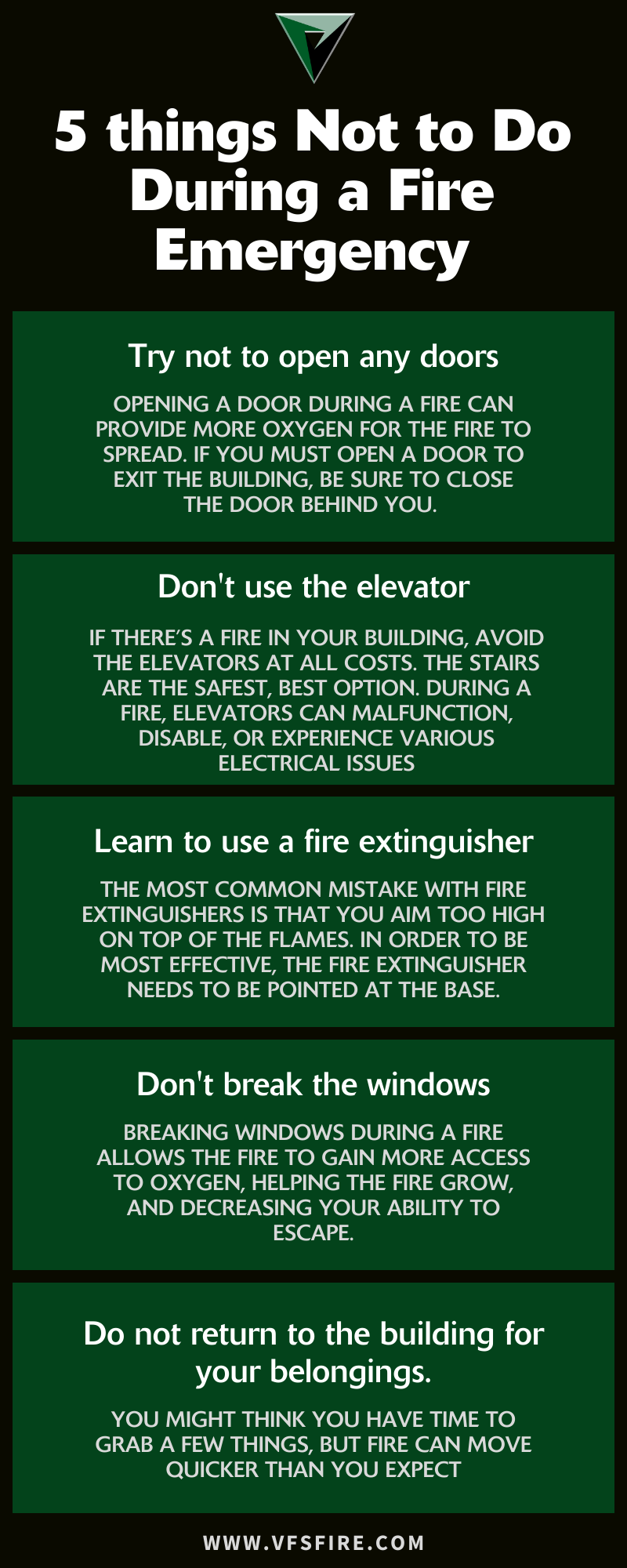
The “out of sight, out of mind” approach to disposal can lead to long-term financial accountability. Contamination caused by improperly discarded extinguishers can require costly site remediation years later, with the original responsible party bearing the financial burden. This underscores that every aspect of an asset’s lifecycle, including its end, has financial implications that demand careful consideration and adherence to best practices.
aViewFromTheCave is a participant in the Amazon Services LLC Associates Program, an affiliate advertising program designed to provide a means for sites to earn advertising fees by advertising and linking to Amazon.com. Amazon, the Amazon logo, AmazonSupply, and the AmazonSupply logo are trademarks of Amazon.com, Inc. or its affiliates. As an Amazon Associate we earn affiliate commissions from qualifying purchases.