
Investing in jewelry is often a decision driven by aesthetics, sentiment, or a desire for personal adornment. However, from a financial perspective, understanding which types of jewelry resist tarnishing is paramount. Tarnish, a natural chemical reaction that dulls and discolors metal, can significantly impact a piece’s longevity, aesthetic appeal, and ultimately, its financial value. For the discerning buyer and smart investor, selecting jewelry that retains its luster over time translates directly into preserved value, reduced maintenance costs, and a more robust long-term asset.
Understanding Tarnish and Its Financial Impact
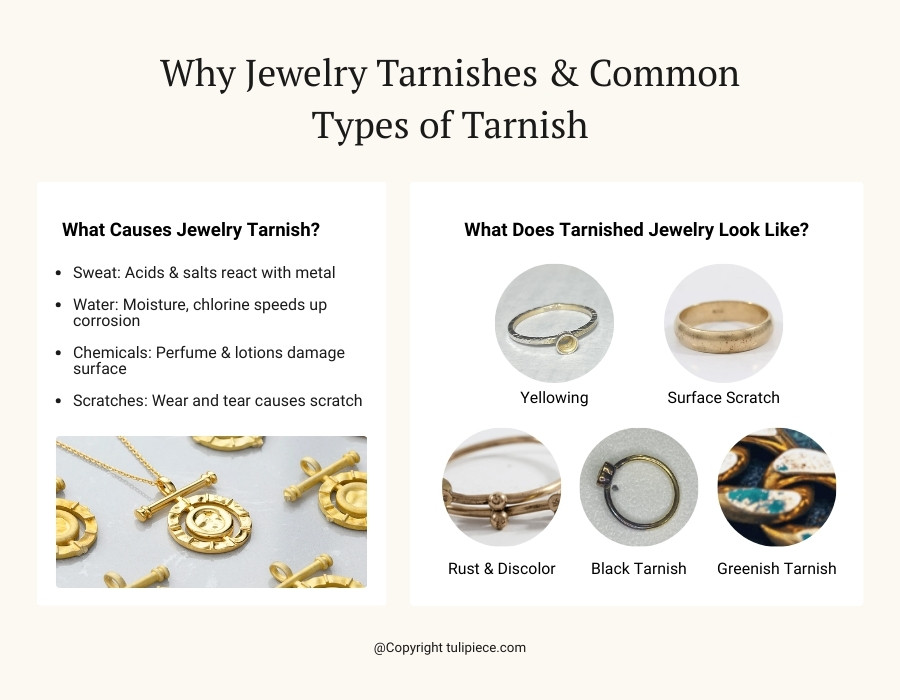
Tarnish is more than just an aesthetic inconvenience; it’s a slow degradation that can erode the financial soundness of your jewelry purchase. Most commonly affecting silver, brass, and copper, tarnish occurs when these metals react with sulfur compounds or moisture in the air, creating a dark, dull layer on the surface.
The Cost of Tarnishing
The immediate financial cost of tarnishing manifests in several ways. Firstly, there’s the cost of maintenance. Regular cleaning, polishing, and professional restoration services for tarnished pieces can add up over time. If a piece requires re-plating to restore its original finish, this represents an additional, recurring expense. Secondly, tarnishing diminishes a piece’s market value. A dull, discolored item will fetch a lower price on the secondary market compared to a well-maintained, untarnished equivalent, directly impacting its potential as a resale asset. Finally, frequent cleaning or harsh chemicals used to remove tarnish can gradually wear down the metal, potentially damaging delicate settings or engraved details, leading to costly repairs or even rendering the piece irreparable.
Protecting Your Jewelry Investment
To truly protect your jewelry investment, understanding the material science behind tarnish resistance is crucial. Opting for metals known for their inherent stability against environmental factors minimizes ongoing costs and ensures the piece maintains its beauty and market appeal for decades. This forward-thinking approach transforms a simple purchase into a durable asset, safeguarding your initial outlay and potentially appreciating in value over time.
Gold: The Enduring Standard for Value
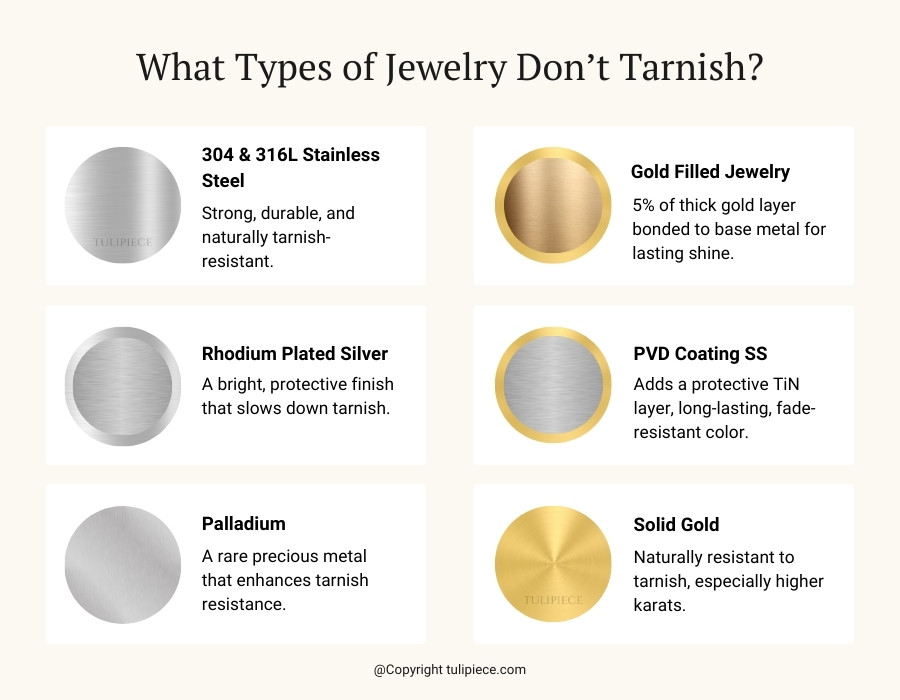
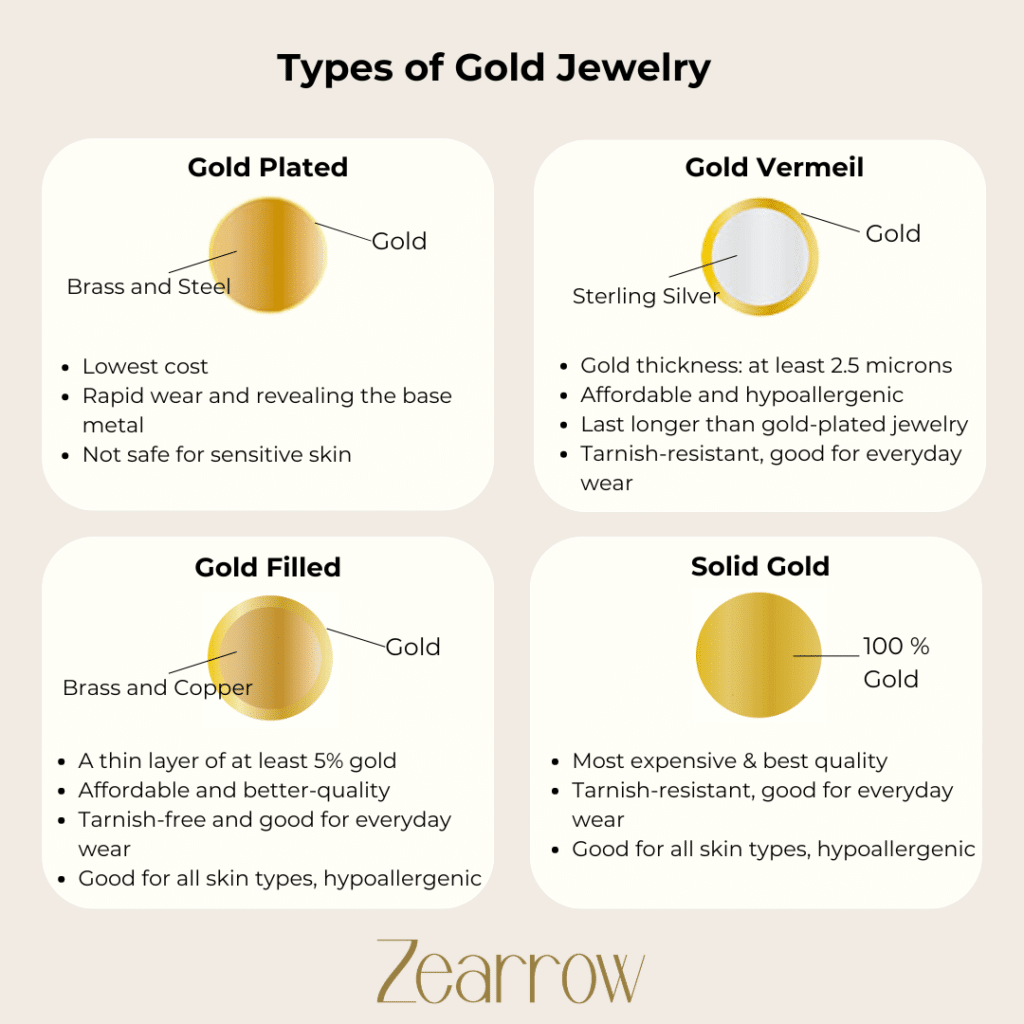
Gold has been a cornerstone of wealth and adornment for millennia, and its reputation for tarnish resistance is a key factor in its enduring financial appeal. Pure gold (24-karat) is virtually impervious to tarnish, making it an excellent investment that holds its intrinsic value exceptionally well. Its chemical inertness means it doesn’t react with oxygen, sulfur, or most other common corrosive agents.
Karat Purity and Tarnish Resistance
While 24-karat gold offers maximum tarnish resistance, it is often too soft for everyday jewelry. Therefore, gold is alloyed with other metals like copper, silver, or zinc to increase its durability. The karat system indicates the proportion of pure gold:
- 24 Karat (100% pure gold): Extremely resistant to tarnish, but soft.
- 18 Karat (75% pure gold): Highly tarnish-resistant, good balance of durability and purity. A strong financial choice for high-value pieces.
- 14 Karat (58.3% pure gold): Still very resistant to tarnish and more durable, making it a popular choice for everyday wear. Represents a smart financial compromise between cost, durability, and intrinsic value.
- 10 Karat (41.7% pure gold): The lowest karatage that can still be legally called gold in the U.S. While more durable, its higher proportion of alloy metals means it has a slightly increased, though still minimal, susceptibility to tarnish compared to higher karats. However, it offers a more accessible price point for a durable gold investment.
The higher the karat, the higher the gold content, and generally, the greater its intrinsic value and tarnish resistance. Investing in higher karat gold jewelry ensures a piece that not only looks beautiful indefinitely but also serves as a stable, liquid asset that retains its worth over time, often appreciating with the global gold market.
Investment Value of Gold Jewelry
Beyond its tarnish resistance, gold jewelry offers significant investment advantages. Gold is a tangible asset, often seen as a hedge against inflation and economic uncertainty. Its universal recognition and demand ensure high liquidity, meaning it can be easily converted back into cash. High-karat gold pieces, especially well-crafted ones, can command substantial resale value, making them a wise long-term financial holding. Unlike many other consumer goods that depreciate rapidly, quality gold jewelry has a strong tendency to hold or increase its value, provided it is cared for.
Platinum: The Pinnacle of Durability and Prestige
Platinum stands as another premier choice for tarnish-resistant jewelry, often favored for its exceptional durability, rarity, and distinctive luster. This noble metal is naturally white, dense, and remarkably resilient, making it a top-tier financial investment.
Hypoallergenic and Tarnish-Proof Qualities
Platinum is inherently hypoallergenic, making it ideal for individuals with sensitive skin who might react to alloys found in other metals. From a financial health perspective, choosing hypoallergenic jewelry can prevent skin irritations, medical expenses, and the need to replace pieces due to adverse reactions. Crucially, platinum is highly tarnish-resistant. It does not oxidize or corrode, ensuring its brilliant white sheen remains untouched by environmental factors. Over time, platinum develops a natural patina, a subtle softening of its surface, rather than discoloring or tarnishing. This patina can be easily polished back to its original shine, ensuring the metal’s appearance can be fully restored without loss of material, a key indicator of its lasting value.
Platinum as a Long-Term Asset
While platinum jewelry typically commands a higher initial price point than gold, its density and resistance to wear make it an outstanding long-term asset. Its ability to withstand scratches and maintain its integrity means it requires less maintenance and fewer repairs over its lifetime, saving on future costs. Furthermore, platinum’s rarity, coupled with its industrial demand (used in catalytic converters, medical devices), contributes to its intrinsic value and potential for appreciation. For high-value heirloom pieces or engagement rings, platinum offers superior security for gemstones due to its strength, minimizing the risk of expensive stone loss. This combination of durability, low maintenance, and intrinsic value positions platinum as a robust and wise financial choice for significant jewelry investments.
Sterling Silver: Navigating Tarnish with Financial Savvy
Sterling silver (92.5% silver, 7.5% other metals, usually copper) is beloved for its bright luster and affordability. However, unlike gold and platinum, sterling silver is prone to tarnishing due to its copper content reacting with sulfur in the air. While it does tarnish, smart purchasing decisions can mitigate this issue and preserve its financial appeal.
Rhodium Plating for Enhanced Durability
A common and financially intelligent solution for sterling silver is rhodium plating. Rhodium, a member of the platinum group metals, is extremely durable, highly reflective, and completely tarnish-resistant. A thin layer of rhodium applied over sterling silver creates a protective barrier, preventing the underlying silver from tarnishing and giving it a brighter, whiter finish often mistaken for white gold. From a cost-benefit perspective, rhodium-plated sterling silver offers the aesthetic benefits of higher-end metals at a fraction of the cost, while significantly extending the lifespan of its lustrous appearance. While rhodium plating may eventually wear off and require re-plating (a periodic expense), it substantially reduces the frequency and intensity of cleaning, protecting the silver beneath, and maintaining the piece’s initial appeal and value for longer.
Maintenance and Value Retention
For unplated sterling silver, diligent care is essential to preserve its value. Regular cleaning with a soft cloth and proper storage in airtight bags or anti-tarnish pouches can slow down the tarnishing process, reducing the need for costly professional cleaning or harsh chemical treatments that could damage the metal. While sterling silver typically doesn’t hold the same investment value as gold or platinum, well-maintained, high-quality sterling pieces, especially those with intricate designs or from renowned artisans, can retain significant sentimental and aesthetic value, and a modest resale value. For those seeking durable, attractive jewelry on a more modest budget, understanding rhodium plating and proper care methods is a financially astute approach to sterling silver.
Other Tarnish-Resistant Options for the Discerning Buyer
Beyond the traditional precious metals, several other materials offer excellent tarnish resistance, providing diverse options for various budgets and lifestyles while maintaining financial prudence.
Stainless Steel and Titanium: Affordable Durability
Stainless steel and titanium have gained popularity in jewelry for their exceptional strength, hypoallergenic properties, and remarkable resistance to tarnish and corrosion. Both metals are incredibly durable, making them ideal for everyday wear, active lifestyles, and situations where more delicate precious metals might be at risk. From a financial standpoint, these materials offer outstanding value:
- Stainless Steel: Inexpensive, robust, and maintains its shine without special care. It’s a fantastic choice for those seeking durable, fashionable pieces without a significant financial outlay. Its resistance to scratching and tarnishing means virtually no maintenance costs over its lifespan.
- Titanium: Even lighter and stronger than stainless steel, titanium is also completely hypoallergenic and tarnish-proof. While slightly more expensive than stainless steel, its superior strength and lightness justify the cost for specialized pieces like watches or custom designs. Both represent smart investments for functional, long-lasting jewelry.
Niobium: Color Without Tarnish
Niobium is another excellent tarnish-resistant option, particularly valued for its ability to be anodized into a wide spectrum of vibrant colors without the use of dyes or plating. This process creates an oxide layer that produces interference colors, similar to a prism, making the color inherent and permanent. Niobium is hypoallergenic, extremely durable, and will not tarnish or fade. For those seeking colorful, unique jewelry that is also safe for sensitive skin and requires zero maintenance for color retention, niobium offers a financially sound alternative to plated or painted metals that might chip, fade, or tarnish over time, incurring future replacement costs.
Palladium: A Lesser-Known Investment
Palladium, another member of the platinum group metals, shares many of platinum’s desirable properties, including its naturally white color, hypoallergenic nature, and excellent tarnish resistance. For a period, it was a very popular choice for fine jewelry due to its lighter weight compared to platinum and a lower price point. While its market price can fluctuate significantly (sometimes exceeding or falling below platinum), it remains an intrinsically valuable and tarnish-proof precious metal. Investing in palladium jewelry, while perhaps less common than gold or platinum, offers the benefits of a durable, low-maintenance, and intrinsically valuable asset that will not tarnish.
Choosing jewelry that does not tarnish is a fundamental aspect of making financially savvy decisions in the realm of adornment. By understanding the properties of various metals and opting for those known for their stability and longevity, individuals can ensure their purchases remain beautiful, valuable, and free from the recurring costs and diminishing returns associated with tarnishing. This approach transforms jewelry from a mere expense into a lasting, cherished, and financially sound investment.
aViewFromTheCave is a participant in the Amazon Services LLC Associates Program, an affiliate advertising program designed to provide a means for sites to earn advertising fees by advertising and linking to Amazon.com. Amazon, the Amazon logo, AmazonSupply, and the AmazonSupply logo are trademarks of Amazon.com, Inc. or its affiliates. As an Amazon Associate we earn affiliate commissions from qualifying purchases.