
The world of Heating, Ventilation, and Air Conditioning (HVAC) systems is constantly evolving, driven by an imperative for greater efficiency, precision, and sustainability. Central to this evolution is the Variable Frequency Drive (VFD), a sophisticated technological component that has revolutionized how HVAC equipment operates. Understanding VFDs is not merely about grasping a technical gadget; it’s about appreciating a fundamental shift in managing energy consumption and environmental control in buildings, from residential complexes to vast industrial facilities.
Understanding the Fundamentals of VFDs
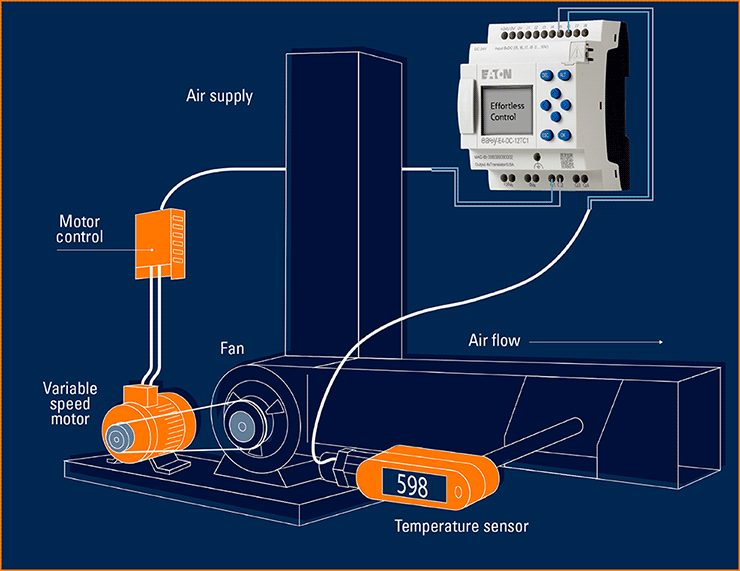
At its core, a Variable Frequency Drive, often referred to as an Adjustable Speed Drive (ASD) or inverter, is an electronic device designed to control the speed of an AC electric motor by varying the frequency and voltage of its power supply. In HVAC, motors power everything from large centrifugal chillers and cooling tower fans to air handling unit (AHU) fans and various pumps circulating water or refrigerant.
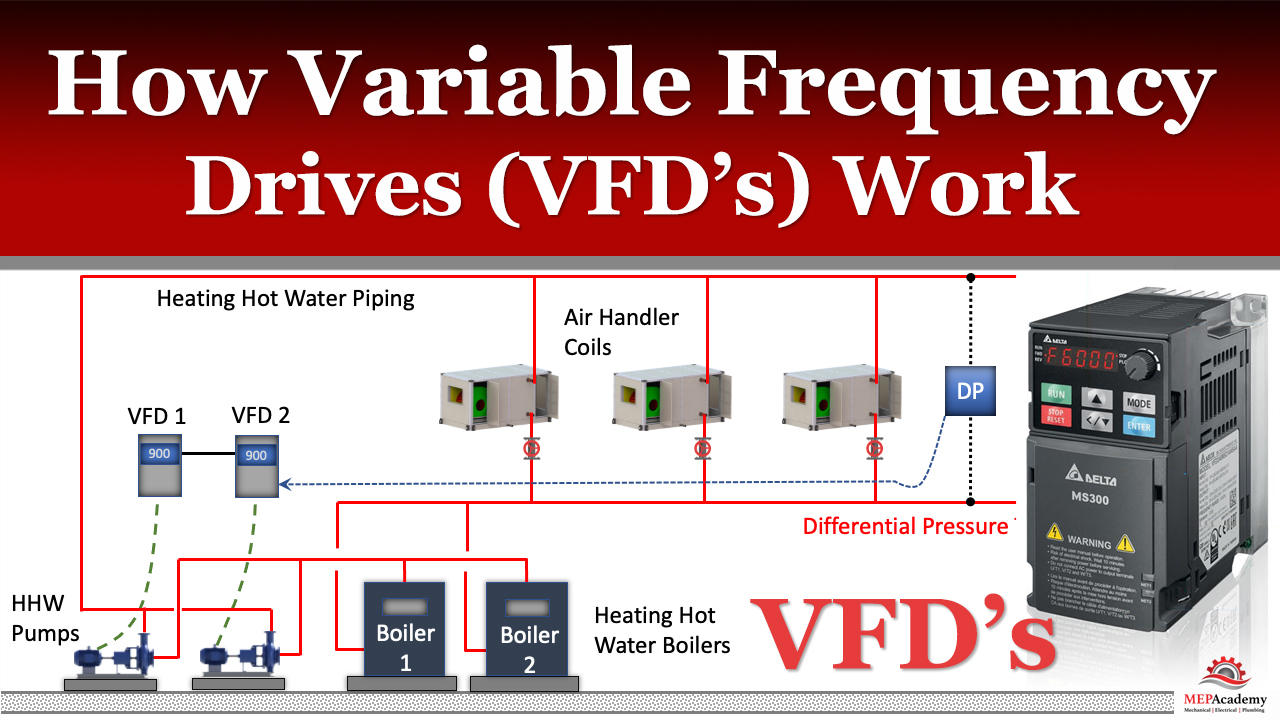
What is a VFD?
Traditionally, AC motors operate at a fixed speed determined by the frequency of the incoming power supply (e.g., 50 Hz or 60 Hz) and the number of poles in the motor. This means a motor is either running at its full, designed speed or it’s off. This “all or nothing” approach leads to significant energy waste when the actual demand for cooling, heating, or ventilation is less than maximum. A VFD intervenes in this process, providing a dynamic control mechanism.
How a VFD Works
The operation of a VFD involves several key stages. First, incoming AC power (typically 3-phase) is converted into DC power using a rectifier. This DC power is then smoothed by a DC bus, often incorporating capacitors, which acts as an energy reservoir. Finally, an inverter stage converts this DC power back into AC power, but crucially, at a variable frequency and voltage.
The cleverness lies in the inverter’s ability to precisely control the output frequency and voltage. By adjusting these parameters, the VFD can dictate the rotational speed of the connected motor. If less airflow is needed from a fan, the VFD reduces the frequency and voltage supplied to its motor, causing it to spin slower. Conversely, if more airflow is required, the VFD increases these parameters, speeding up the motor. This continuous adjustment based on real-time demand is what unlocks the substantial benefits of VFD technology.
The Role of Frequency and Voltage
Motor speed is directly proportional to the applied frequency. Reduce the frequency, and the motor slows down. Increase it, and the motor speeds up. However, simply reducing the frequency isn’t enough; the voltage must also be adjusted proportionally to maintain the motor’s magnetic flux and prevent saturation, which could damage the motor. This constant Voltage/Frequency (V/Hz) ratio control is fundamental to a VFD’s effective operation, ensuring that the motor runs efficiently and safely across its entire speed range.
Why VFDs are Crucial in Modern HVAC Systems
The integration of VFDs into HVAC systems is no longer a luxury but a standard practice driven by stringent energy efficiency goals, advancements in building automation, and an increasing demand for occupant comfort. Their advantages span multiple critical areas, fundamentally altering the operational paradigm of HVAC equipment.
Energy Efficiency: The Primary Driver
The most compelling reason for VFD adoption in HVAC is energy savings. Centrifugal fans and pumps, common in HVAC, follow what are known as the “affinity laws.” These laws state that the power required by a fan or pump motor is proportional to the cube of its speed. This means that even a small reduction in motor speed can lead to significant energy savings. For example, reducing a fan’s speed by just 20% can decrease power consumption by nearly 50% (0.8^3 = 0.512).
Traditional HVAC systems often control airflow or water flow using mechanical dampers or throttling valves. While these methods reduce flow, the motor continues to run at full speed, consuming nearly full power. A VFD, by directly controlling motor speed, eliminates this wasteful practice, allowing the system to match output precisely to actual demand, resulting in substantial energy cost reductions—often 30% or more, depending on the application and operating profile.
Enhanced Comfort and Control
VFDs provide unparalleled control over environmental conditions. By precisely modulating fan and pump speeds, they can maintain incredibly stable temperature, humidity, and pressure levels within a building. This eliminates the discomfort of “all-or-nothing” operation, where temperatures might swing noticeably as traditional systems cycle on and off. Smoother transitions and consistent control contribute to a more pleasant and productive indoor environment for occupants. Furthermore, precise control minimizes over-cooling or over-heating, further contributing to energy savings.
Extended Equipment Lifespan
Starting an AC motor at full voltage, known as a “full voltage start,” generates high inrush currents and significant mechanical stress on the motor and connected equipment (e.g., fan belts, pump impellers). This abrupt shock can accelerate wear and tear, leading to premature failure and increased maintenance costs. VFDs provide a “soft start” by gradually ramping up the voltage and frequency, gently bringing the motor up to the desired speed. This reduced mechanical stress significantly extends the lifespan of motors, bearings, couplings, belts, and other mechanical components, leading to lower replacement costs and fewer unexpected breakdowns.
Reduced Noise and Vibration
Constant full-speed operation often generates unnecessary noise and vibration, especially in large fan and pump systems. By allowing motors to operate at lower, variable speeds that match actual demand, VFDs significantly reduce acoustic output and mechanical vibrations. This is particularly beneficial in noise-sensitive environments like hospitals, offices, and residential buildings, contributing to a quieter and more comfortable living or working space.
Key Applications of VFDs in HVAC
The versatility of VFDs makes them indispensable across a wide array of HVAC applications, each leveraging the technology’s ability to precisely match output to demand.
Fan Applications
Fans are ubiquitous in HVAC, moving air for ventilation, cooling, and heating.
- Air Handling Units (AHUs): VFDs are commonly used on AHU supply and return fans to maintain precise duct static pressure, airflow, and indoor air quality. As building occupancy or external conditions change, the VFD adjusts fan speed to deliver just the right amount of air, preventing over-ventilation or under-ventilation.
- Cooling Tower Fans: In cooling towers, VFDs control the speed of large fans that draw air across water to dissipate heat. By varying fan speed, VFDs optimize cooling capacity based on the load, significantly reducing energy consumption compared to two-speed or single-speed fans.
- Exhaust Fans: In commercial kitchens, laboratories, or industrial settings, exhaust fans remove contaminated air. VFDs ensure that exhaust rates are precisely matched to the production of contaminants, improving safety and energy efficiency.
Pump Applications
Pumps circulate water or other fluids in various HVAC circuits.
- Chilled Water Pumps: In central plant chilled water systems, VFDs on primary and secondary chilled water pumps adjust flow rates to meet the cooling load of the building. As cooling demand drops, pump speed decreases, saving substantial energy.
- Condenser Water Pumps: These pumps circulate water to and from cooling towers. VFDs on condenser water pumps optimize flow to maintain efficient heat rejection, especially beneficial in partial-load conditions.
- Hot Water Heating Pumps: Similar to chilled water systems, VFDs control the flow of hot water to radiators or air coils, ensuring comfort and efficiency.
Compressor Applications
While more complex due to the dynamics of refrigerant circuits, VFDs are increasingly applied to compressors in larger chiller units. By varying the compressor’s speed, VFDs can precisely modulate the cooling capacity of the chiller, leading to higher efficiency, particularly at part-load conditions which represent the majority of a chiller’s operating hours. This is a significant step beyond traditional fixed-speed or stepped-capacity compressors.
Technical Considerations and Implementation
Implementing VFDs requires careful planning and consideration to ensure optimal performance, reliability, and system compatibility. Ignoring these aspects can lead to operational issues or failure to realize expected benefits.
Sizing and Selection
Proper VFD sizing is critical. The VFD must be correctly matched to the motor’s horsepower, voltage, and current ratings. Over-sizing can lead to unnecessary cost and potential control instability, while under-sizing can result in VFD damage or insufficient motor control. Factors such as the application type (constant torque vs. variable torque), environmental conditions (temperature, humidity), and required control features must also be taken into account during selection. Modern VFDs come with a vast array of features, from advanced control algorithms to communication protocols for integration with Building Management Systems (BMS).
Installation and Commissioning
Installation requires adherence to manufacturer guidelines and electrical codes. Proper grounding is paramount to prevent electrical noise and ensure safety. During commissioning, the VFD is programmed with motor parameters and application-specific settings. This involves tuning control loops, setting acceleration/deceleration ramps, and configuring protective features. A correctly commissioned VFD will operate smoothly, efficiently, and provide the desired level of control.
Potential Challenges and Mitigation
While highly beneficial, VFDs can introduce certain technical challenges:
- Harmonics: The rectification process within a VFD can generate harmonic currents, which are multiples of the fundamental power frequency. These harmonics can distort the electrical waveform, potentially affecting other sensitive equipment on the same electrical grid. Mitigation strategies include using harmonic filters, multi-pulse rectifiers, or active front-end VFDs.
- Electromagnetic Interference (EMI): The high-speed switching of semiconductors in the inverter stage can generate electromagnetic interference. This EMI can disrupt nearby communication systems, sensors, or other electronic devices. Proper shielding of motor cables, conduit, and filtration can effectively mitigate EMI.
- Motor Insulation Stress: The rapid voltage changes (dV/dt) produced by the VFD can, under certain conditions and with long cable runs, stress motor winding insulation, potentially leading to premature motor failure. Using VFD-rated motors, output filters (like dV/dt filters or sine wave filters), and limiting cable lengths can address this concern.
The Future of HVAC with VFD Technology
VFD technology is not static; it continues to evolve, integrating deeper into the broader ecosystem of smart buildings and sustainable infrastructure.
Integration with Building Management Systems (BMS)
Modern VFDs are designed for seamless integration with Building Management Systems (BMS). Using standard communication protocols like Modbus, BACnet, or LonWorks, VFDs can provide real-time operational data (speed, current, power consumption) to the BMS and receive commands. This allows for centralized control, sophisticated scheduling, and system-wide optimization, where the HVAC system dynamically responds to occupancy, outdoor weather, and other building parameters to maximize efficiency and comfort.
Smart Controls and Predictive Maintenance
The data streaming from VFDs enables smarter control strategies. Beyond basic speed modulation, VFDs can participate in advanced algorithms that predict building loads, optimize chiller plant operations, or even communicate with the electrical grid for demand response initiatives. This rich data also facilitates predictive maintenance. By monitoring trends in motor current, speed, and other diagnostic parameters, potential mechanical issues can be identified before they lead to costly breakdowns, allowing for proactive servicing and reduced downtime.
Sustainability and Regulatory Compliance
As global efforts intensify to reduce carbon footprints and energy consumption, VFDs play a pivotal role in achieving sustainability goals in the built environment. Their inherent energy-saving capabilities directly contribute to lower operational costs and reduced greenhouse gas emissions. Future regulatory frameworks will likely continue to emphasize energy efficiency in HVAC, making VFDs an even more critical component for compliance and for buildings aiming for green certifications. The drive towards Net-Zero energy buildings will increasingly rely on the precision and efficiency that VFDs bring to climate control systems.
In essence, the VFD is far more than just a motor controller. It is a cornerstone technology enabling intelligent, efficient, and sustainable HVAC operations, driving the industry towards a future where comfort, cost-effectiveness, and environmental responsibility coexist harmoniously.
aViewFromTheCave is a participant in the Amazon Services LLC Associates Program, an affiliate advertising program designed to provide a means for sites to earn advertising fees by advertising and linking to Amazon.com. Amazon, the Amazon logo, AmazonSupply, and the AmazonSupply logo are trademarks of Amazon.com, Inc. or its affiliates. As an Amazon Associate we earn affiliate commissions from qualifying purchases.