
Understanding the nuances of North Carolina’s window tint laws isn’t merely about legal compliance; it’s a critical aspect of sound financial management for vehicle owners. Ignoring these regulations can lead to a cascade of unforeseen expenses, ranging from immediate fines to long-term financial liabilities. For residents and those traveling through the Tar Heel State, knowing the precise legal limits for window tint is a fundamental step in avoiding unnecessary financial burdens and ensuring their vehicle remains an asset rather than a source of escalating costs.
The Financial Imperative of Understanding NC’s Tint Laws
The immediate aftermath of a tint law violation can quickly hit your pocketbook. North Carolina law enforcement is vigilant about ensuring vehicles comply with safety and visibility standards, which include window tint regulations. A traffic stop for illegal tint can translate into direct financial penalties that could have been easily avoided with prior knowledge and adherence.
Direct Fines and Penalties for Non-Compliance
In North Carolina, window tint violations are typically considered an infraction. While not usually leading to jail time, they carry a monetary fine. The base fine can vary, but more importantly, it’s often accompanied by court costs and administrative fees. These cumulative charges can quickly elevate a seemingly minor infraction into a significant expense. Consider the opportunity cost: money spent on fines could instead be allocated to routine vehicle maintenance, savings, or other financial priorities. Repeat offenses can also lead to more severe penalties, potentially escalating to a misdemeanor charge in certain circumstances, which carries even heavier financial implications, including potentially higher fines and increased legal fees. Prudent financial planning dictates understanding these potential costs and proactively avoiding them.
Hidden Costs: Re-Tinting and Court Fees
Beyond the initial fine, a citation for illegal tint often necessitates costly corrective action. Drivers found in violation are typically required to remove the non-compliant tint and, if desired, replace it with tint that meets NC standards. This process involves:
- Removal Fees: Professional removal of illegal tint can be time-consuming and costly, as it requires specialized tools and expertise to prevent damage to defroster lines or window mechanisms.
- Re-Tinting Costs: Purchasing and installing new, compliant tint film represents another significant outlay. While prices vary, quality legal tinting by certified professionals is an investment that must be factored into your vehicle budget. Attempting a DIY removal or re-tinting without proper knowledge can lead to damaged windows or poorly applied film, resulting in even greater repair expenses down the line.
- Court Appearances and Legal Fees: Depending on the specific circumstances and if the citation is contested, drivers may incur additional expenses related to court appearances, such as lost wages from taking time off work, travel costs, and potentially even legal representation fees if they choose to hire an attorney. These indirect costs can far exceed the initial fine, emphasizing the financial wisdom of compliance.
Decoding NC’s Window Tint Regulations: A Financial Compliance Guide
To navigate the financial risks associated with window tint, a clear understanding of North Carolina’s specific regulations is paramount. These rules dictate not only the darkness of the tint but also where it can be applied on different vehicle types.
Visible Light Transmission (VLT) Explained: Your Budget for Visibility
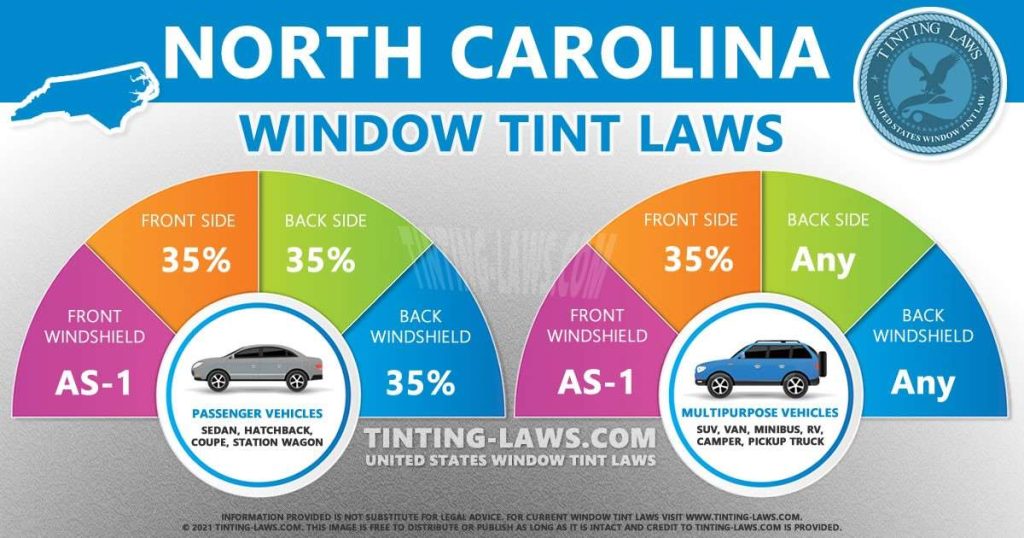
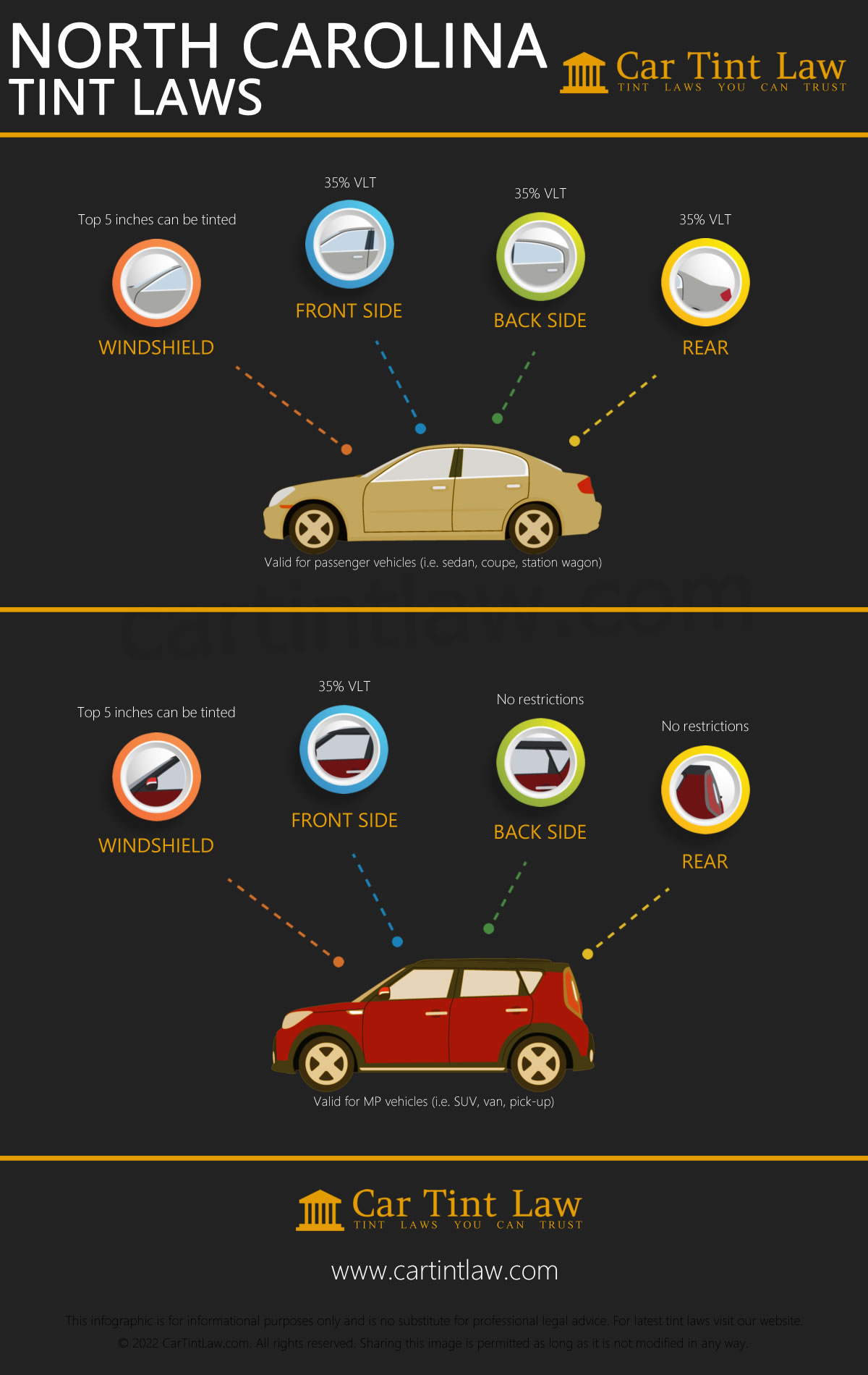
North Carolina law measures tint darkness by Visible Light Transmission (VLT), which is the percentage of visible light allowed to pass through the window. A lower VLT percentage means a darker tint. NC has distinct VLT requirements for different windows:
- Sedans (Passenger Vehicles):
- Front Side Windows: Must allow more than 35% of light in (i.e., VLT must be greater than 35%). This means the tint must be relatively light.
- Back Side Windows: Must allow more than 35% of light in (i.e., VLT must be greater than 35%).
- Rear Window: Must allow more than 35% of light in (i.e., VLT must be greater than 35%).
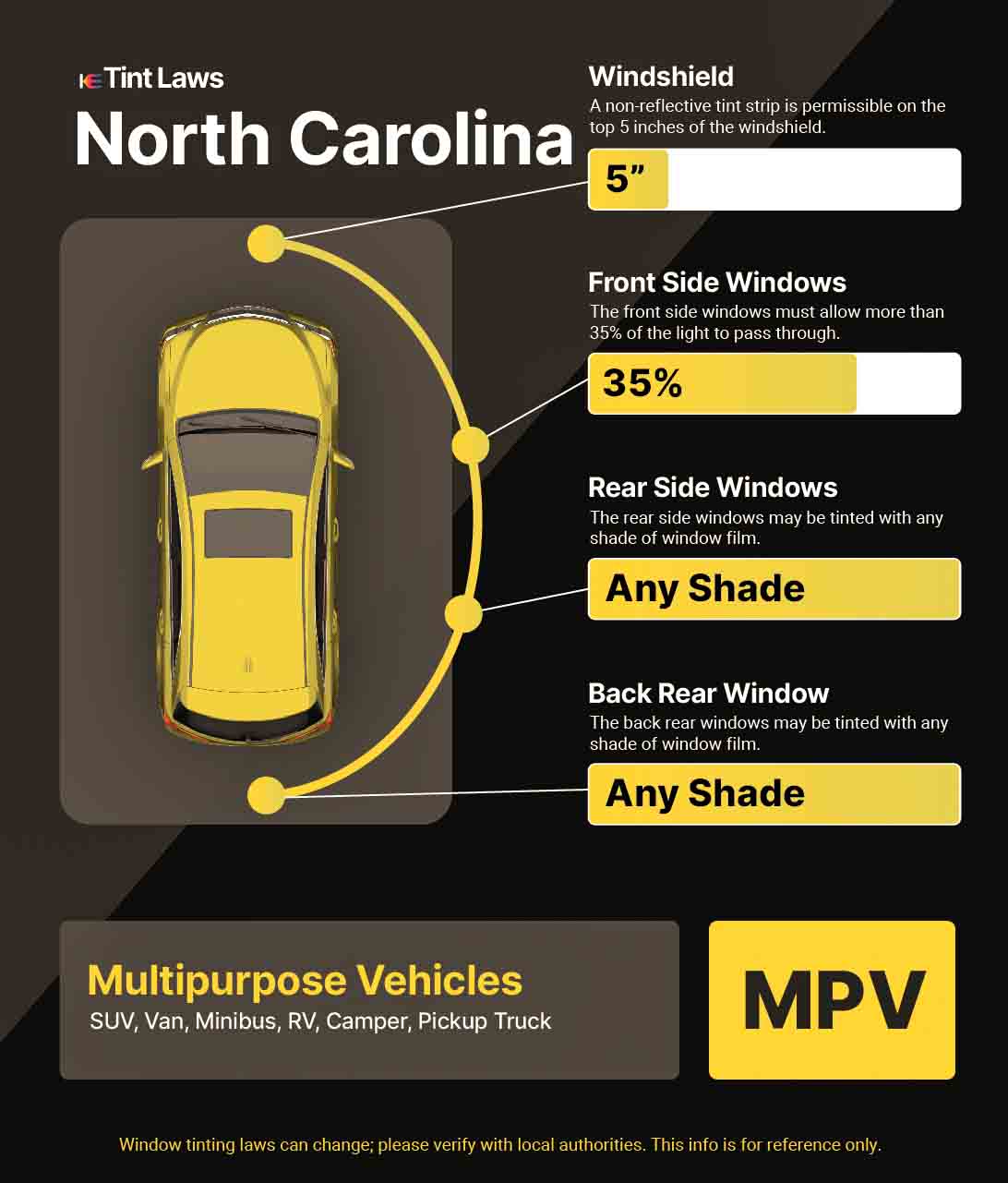
- Multi-Purpose Vehicles (SUVs, Vans, Trucks):
- Front Side Windows: Must allow more than 35% of light in (i.e., VLT must be greater than 35%).
- Back Side Windows: Any darkness can be applied. This significant difference offers owners of these vehicle types more flexibility but also requires careful consideration to avoid non-compliance on front windows.
- Rear Window: Any darkness can be applied.
Choosing tint film with the correct VLT percentage is a critical financial decision. Opting for a darker, non-compliant tint, even if initially cheaper, will almost certainly lead to future costs in fines and re-tinting. Conversely, investing in high-quality, legally compliant tint from the outset ensures long-term financial peace of mind.
Specific Vehicle Requirements and Exemptions: Avoiding Costly Mistakes
Beyond VLT, other specific regulations exist:
- Windshield Tint: Non-reflective tint is allowed only on the top 5 inches of the windshield. Any tint below this line, or reflective tint, is illegal and a guaranteed source of financial penalty.
- Reflectivity: North Carolina prohibits tint film that is highly reflective. The law states that tint on side and rear windows should not be more than 20% reflective. High reflectivity can impair other drivers’ vision and is another direct path to a costly citation.
- Colors: Certain tint colors, such as red, amber, and yellow, are prohibited. While less common, installing such tints is an immediate compliance issue.
- Medical Exemptions: North Carolina provides for medical exemptions for individuals with conditions requiring protection from the sun. To qualify, a doctor’s certification is required, and the vehicle must carry specific documentation. Attempting to claim a medical exemption without proper paperwork will result in fines. For those with legitimate medical needs, this exemption represents a financial benefit, allowing them to legally install darker tint without incurring penalties.
Understanding these specific nuances is crucial for any financially responsible vehicle owner. A small oversight in choosing the wrong tint color or reflectivity can be just as financially detrimental as choosing the wrong VLT.
Professional Installation vs. DIY: A Cost-Benefit Analysis
When considering window tinting, vehicle owners often face a choice between professional installation and a DIY approach. While DIY might seem like a cost-saving measure upfront, it often proves to be a false economy, leading to greater expenses in the long run.
- DIY Risks: Improper application can result in bubbles, creases, peeling, or incorrect VLT application if the wrong film is purchased. These aesthetic and legal failures necessitate professional correction, effectively doubling the cost as you pay for removal and re-application. Furthermore, damage to window seals or defroster lines during DIY can lead to costly repairs far exceeding the initial savings.
- Professional Advantages: Certified tinting professionals possess the expertise, tools, and knowledge of local laws to ensure a perfect, compliant application. They often provide warranties on their work and the film itself, offering financial protection against defects. The slightly higher initial investment in professional services is often recouped through avoiding fines, preventing damage, and maintaining the vehicle’s aesthetic and functional value. For the financially astute vehicle owner, professional installation is an investment in long-term compliance and asset preservation.
Long-Term Financial Implications of Tint Law Violations
The financial consequences of tint law violations extend far beyond the immediate fines and re-tinting costs. There are significant long-term financial risks that every vehicle owner should consider.
Insurance Risks and Potential Premium Increases
While a single tint violation may not immediately spike your insurance premiums, a pattern of traffic infractions, even minor ones, can be flagged by insurance providers. As an infraction, a tint violation becomes part of your driving record. Accumulating multiple minor violations can lead to an increase in insurance premiums, as insurers may perceive you as a higher-risk driver. Over years, these increased premiums can amount to hundreds, if not thousands, of dollars in additional expenses. Furthermore, in the event of an accident, an insurer might scrutinize any non-compliant modifications, potentially complicating claims or even leading to disputes over coverage if they can argue the illegal tint somehow contributed to the incident or obscured vision. Understanding this potential impact is crucial for comprehensive financial planning related to vehicle ownership.
Vehicle Resale Value and Compliance
The condition and legal compliance of a vehicle significantly impact its resale value. A car with illegally tinted windows can deter potential buyers or necessitate a price reduction to account for the cost and inconvenience of bringing it into compliance. Buyers are often wary of purchasing vehicles with modifications that require immediate legal attention, as it signals potential neglect or additional costs. Investing in legal tinting, or ensuring any existing tint adheres to regulations, preserves your vehicle’s market appeal and protects its resale value, which is a key component of your overall financial asset portfolio.
The Economic Impact on Tinting Businesses
For businesses operating in the automotive customization sector, understanding and adhering to tint laws is not just about client compliance; it’s about their own financial viability. Businesses that consistently install illegal tint risk legal repercussions, fines, and damage to their reputation. Such actions can lead to a loss of customer trust, decreased business, and potentially even license revocation. Conversely, reputable tinting businesses that prioritize legal compliance offer peace of mind to their customers, fostering loyalty and sustainable growth. For consumers, choosing a compliant, certified installer is an investment in quality service that safeguards against future financial headaches.
Strategic Financial Planning for Vehicle Customization
Approaching vehicle modifications, particularly window tinting, with a strategic financial mindset is essential. It’s about making informed decisions that prioritize compliance, quality, and long-term savings over short-term perceived bargains.
Budgeting for Legal Tinting Services
When planning to tint your vehicle, allocate a specific budget for professional, compliant services. Research reputable installers in North Carolina, obtain multiple quotes, and inquire about the types of film they use and their warranties. Remember that the cheapest option isn’t always the most cost-effective in the long run if it leads to non-compliance, poor quality, or future repairs. View the cost of legal tinting as an investment in your vehicle’s value, your personal safety, and your financial security against future penalties.
Verifying Installer Credentials: An Investment in Compliance
A crucial step in financial prudence is ensuring your chosen tint installer is reputable and knowledgeable about NC tint laws. Ask for proof of certification, check reviews, and verify their understanding of VLT requirements for different vehicle types. A professional installer will not only apply the tint correctly but will also advise you on the legal limits, preventing you from making a costly mistake. This due diligence is a small investment of time that can save you significant money and stress.
Proactive Compliance: Saving Money in the Long Run
Ultimately, the most effective financial strategy regarding NC tint laws is proactive compliance. Before purchasing a tinted vehicle or having tint installed, educate yourself on the specific regulations. If you buy a used car with existing tint, have it inspected to ensure it meets NC standards. Addressing any non-compliance immediately, rather than waiting for a citation, is the fiscally responsible choice. By staying informed and acting responsibly, you protect your finances from avoidable fines, re-tinting costs, potential insurance hikes, and diminished vehicle value, ensuring your vehicle remains a reliable asset within your financial plan.
aViewFromTheCave is a participant in the Amazon Services LLC Associates Program, an affiliate advertising program designed to provide a means for sites to earn advertising fees by advertising and linking to Amazon.com. Amazon, the Amazon logo, AmazonSupply, and the AmazonSupply logo are trademarks of Amazon.com, Inc. or its affiliates. As an Amazon Associate we earn affiliate commissions from qualifying purchases.