
In the intricate world of financial transactions, various roles and entities contribute to the seamless movement of money. One of the fundamental participants in almost any payment, transfer, or exchange is the “remitter.” Understanding the remitter’s identity, responsibilities, and the broader context of their actions is crucial for anyone involved in personal finance, business finance, or international money transfers. Essentially, the remitter is the individual or entity that initiates a payment, sending funds from their account or possession to another. This act of sending money is known as remitting, and the funds themselves are often referred to as a remittance, especially in the context of cross-border transfers.
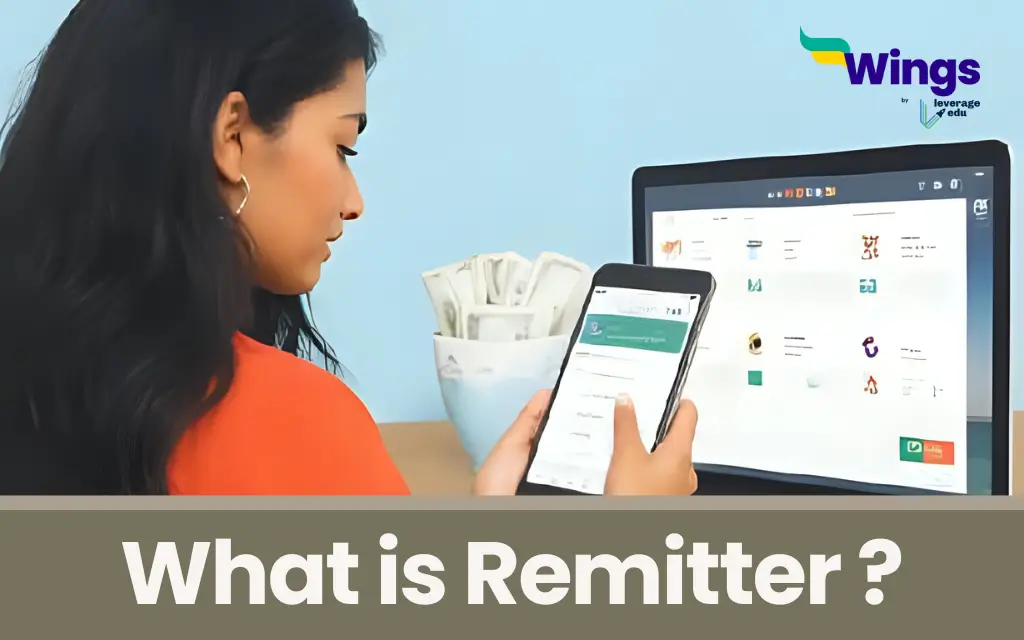
Defining the Remitter in Financial Transactions
At its core, a remitter is the source of funds in a transaction. They are the ones who authorize and execute the transfer of money, whether it’s paying a bill, sending money to family, or compensating a vendor. This role is universal across various financial instruments and systems, from traditional bank transfers to modern digital payment platforms.
The Core Role of the Sender
The primary function of the remitter is to provide the funds and the instructions necessary for a financial transaction to occur. Without a remitter, there would be no initiation of payment. This involves clearly identifying the recipient (the beneficiary), specifying the amount, and often providing details about the purpose of the transaction. For individuals, this might be as simple as logging into a banking app to send money to a friend. For businesses, it could involve processing payroll or making a large international payment to a supplier. The remitter bears the initial responsibility for ensuring the availability of funds and the accuracy of the payment details.
Differentiating Remitter from Beneficiary and Intermediaries
To fully grasp the remitter’s role, it’s helpful to distinguish them from other key players in a financial transaction:
- Beneficiary (or Payee): This is the individual or entity who receives the funds from the remitter. While the remitter sends, the beneficiary receives. Their roles are opposite but complementary, forming the two essential ends of any payment.
- Intermediaries: These are the financial institutions or service providers that facilitate the transfer of funds from the remitter to the beneficiary. Examples include banks, credit unions, money transfer operators (like Western Union or MoneyGram), payment processors (like PayPal or Stripe), and even blockchain networks. Intermediaries handle the logistics, security, and often the compliance aspects of the transaction, but they do not originate or receive the funds themselves. They act as trusted conduits.
For instance, when an individual uses a mobile banking app to send money to a friend, the individual is the remitter, their friend is the beneficiary, and the bank (or the app’s underlying payment network) is the intermediary.
Types of Remitters and Their Contexts
The concept of a remitter is broad, encompassing various types of senders, each operating within different financial contexts and with distinct motivations.
Individual Remitters: Personal Finance and Cross-Border Transfers
Individual remitters are typically consumers or private citizens sending money for personal reasons. This is a common occurrence in daily financial life and includes:
- Bill Payments: Paying utility bills, rent, mortgage, or credit card statements.
- Person-to-Person (P2P) Transfers: Sending money to friends or family for shared expenses, gifts, or support.
- Online Purchases: Paying merchants for goods and services through e-commerce platforms.
- Cross-Border Remittances: A significant aspect of individual remittances involves migrants sending money back to their home countries to support family members. These “migrant remittances” play a vital role in the economies of many developing nations, contributing to poverty reduction and economic stability. Understanding the remitter’s needs for speed, cost-effectiveness, and reliability is paramount in this sector.
Business Remitters: Payments, Payroll, and International Trade
Businesses are frequent remitters, engaging in a wide array of financial transactions essential for their operations:
- Vendor Payments: Paying suppliers for goods, services, or raw materials.
- Payroll: Disbursing salaries and wages to employees.
- Tax Payments: Fulfilling obligations to government tax authorities.
- Dividend Payments: Distributing profits to shareholders.
- International Trade Payments: Businesses involved in importing or exporting goods often make large cross-border payments to settle invoices with international partners, which can involve complex foreign exchange considerations.
- Loan Repayments: Paying back borrowed capital to financial institutions.
For businesses, the remitter’s role often involves managing complex payment systems, adhering to strict accounting standards, and ensuring compliance with financial regulations.
Institutional Remitters: Government and Large Organizations
Governments and large non-profit organizations also act as significant remitters, often on a massive scale:
- Social Security and Welfare Payments: Governments distribute benefits to citizens.
- Foreign Aid: Governments and international organizations send funds to support development projects or disaster relief in other countries.
- Grants and Subsidies: Institutions may remit funds to research bodies, educational institutions, or other organizations to support specific initiatives.
These types of remittances often involve extensive auditing, regulatory oversight, and policy considerations due to their public nature and significant financial impact.
The Remitter’s Responsibilities and Considerations
Being a remitter carries important responsibilities and requires careful consideration to ensure that funds are transferred accurately, securely, and in compliance with relevant laws.
Accuracy and Verification
The most critical responsibility of any remitter is to ensure the accuracy of the payment details. This includes:

- Correct Recipient Information: Verifying the beneficiary’s full name, account number, routing details, and any other identifying information. A single digit error can lead to funds being sent to the wrong person or institution, causing significant delays and potential loss.
- Accurate Amount: Double-checking the transfer amount to prevent overpayments or underpayments.
- Currency Conversion: For international transfers, understanding and confirming the exchange rate and any associated conversion fees is vital.
Compliance and Regulatory Adherence
Remitters, particularly businesses and institutions, must adhere to a complex web of financial regulations. This often includes:
- Anti-Money Laundering (AML) and Counter-Terrorism Financing (CTF) Laws: These regulations require financial institutions to scrutinize transactions and report suspicious activity. Remitters themselves may be subject to reporting requirements for large cash transactions or international transfers.
- Sanctions Compliance: Ensuring that payments are not made to individuals, entities, or countries subject to economic sanctions.
- Tax Regulations: Understanding the tax implications of sending money, especially for income, gifts, or business expenses.
Even individual remitters must be aware of reporting thresholds and potential restrictions, particularly when sending large sums internationally.
Cost and Efficiency
Remitters are also responsible for evaluating the cost and efficiency of their chosen remittance method. This involves considering:
- Fees: Transaction fees charged by banks or money transfer services.
- Exchange Rates: For international transfers, a favorable exchange rate can significantly impact the final amount received by the beneficiary.
- Speed: How quickly the funds will be delivered to the beneficiary. Some methods are instant, while others may take several business days.
- Convenience: The ease of initiating the transfer, whether through an app, online portal, or in-person visit.
Security and Fraud Prevention
Protecting funds from fraud and unauthorized access is a shared responsibility, but the remitter plays a primary role:
- Protecting Personal Information: Safeguarding bank details, passwords, and other sensitive information.
- Verifying Requests: Being wary of unsolicited requests for money, especially those with an urgent tone or unusual circumstances (e.g., lottery scams, romance scams, phishing attempts). A common scam involves imposters pretending to be a known entity and requesting money.
- Using Secure Channels: Utilizing reputable financial institutions and secure online platforms for transfers.
The Evolving Landscape for Remitters
The financial industry is in a constant state of flux, driven by technological innovation and evolving global standards. This dynamic environment significantly impacts how remitters operate and the options available to them.
Digital Transformation and Fintech Innovations
The rise of financial technology (fintech) has revolutionized the remittance landscape. Digital platforms, mobile apps, and online payment services have made it faster, more convenient, and often cheaper for individuals and businesses to send money. Key innovations include:
- Mobile Wallets and Apps: Platforms like PayPal, Venmo, Wise (formerly TransferWise), and Remitly offer intuitive interfaces for sending money domestically and internationally.
- Blockchain and Cryptocurrencies: While still emerging for mainstream remittances, blockchain technology offers the potential for faster, lower-cost, and more transparent cross-border payments by removing traditional intermediaries.
- API-driven Banking: Businesses can integrate payment functionalities directly into their enterprise resource planning (ERP) systems, automating large volumes of payments.
These innovations empower remitters with greater control and choice, driving competition among service providers and often leading to better terms for the end-user.
Regulatory Changes and Global Standards
Regulators worldwide are continually adapting to the new technologies and global challenges. Changes in AML/CTF regulations, data privacy laws (like GDPR), and cross-border payment standards directly affect how remittances are processed and the information that must be collected from remitters. Efforts to standardize payment messaging (e.g., ISO 20022) aim to improve efficiency and transparency across borders, which ultimately benefits remitters by reducing errors and speeding up transactions. Remitters must remain aware of these changes, especially those operating across multiple jurisdictions.
Best Practices for Remitters
To navigate the complexities of financial transactions effectively, remitters should adopt several best practices.
Due Diligence Before Sending
Always exercise caution and verify details before initiating any transfer. For personal payments, confirm the recipient’s identity and account information verbally or through a trusted channel. For business payments, cross-reference invoices, purchase orders, and known vendor details. Be particularly wary of sudden changes in payment instructions.
Choosing the Right Remittance Channel
The optimal way to send money depends on various factors: the amount, speed required, cost sensitivity, and destination. For international transfers, compare exchange rates, fees, and delivery times across different providers (banks, dedicated money transfer services, online platforms). For domestic payments, consider the convenience and security of bank transfers, P2P apps, or online bill pay services.

Record Keeping and Documentation
Maintaining thorough records of all remittances is crucial for personal financial management, business accounting, and compliance. This includes transaction confirmations, receipts, recipient details, amounts, dates, and the purpose of the payment. These records are invaluable for reconciling accounts, resolving disputes, and providing evidence for tax purposes or audits.
In conclusion, the remitter is the essential starting point of any financial transfer. Understanding their multifaceted role, the responsibilities they carry, and the evolving tools at their disposal is fundamental to effective financial management, whether for an individual managing their household budget or a multinational corporation overseeing global transactions. By embracing diligence, leveraging appropriate technologies, and staying informed about regulatory landscapes, remitters can ensure their money moves efficiently, securely, and purposefully.
aViewFromTheCave is a participant in the Amazon Services LLC Associates Program, an affiliate advertising program designed to provide a means for sites to earn advertising fees by advertising and linking to Amazon.com. Amazon, the Amazon logo, AmazonSupply, and the AmazonSupply logo are trademarks of Amazon.com, Inc. or its affiliates. As an Amazon Associate we earn affiliate commissions from qualifying purchases.