
In the rapidly evolving landscape of industrial safety and personal audio technology, understanding the metrics that define performance is critical. For anyone operating in high-decibel environments—ranging from data centers and construction sites to professional shooting ranges—the primary metric used to evaluate the efficacy of hearing protection is the Noise Reduction Rating, or NRR. While the NRR is the standard in the United States, the global tech landscape utilizes several different systems, including the Single Number Rating (SNR) and the Sound Level Conversion (SLC80).
Choosing the right hardware requires more than just looking at a number on a box; it involves understanding the engineering behind these ratings, how sound waves interact with physical barriers, and how modern digital advancements are augmenting traditional passive protection.
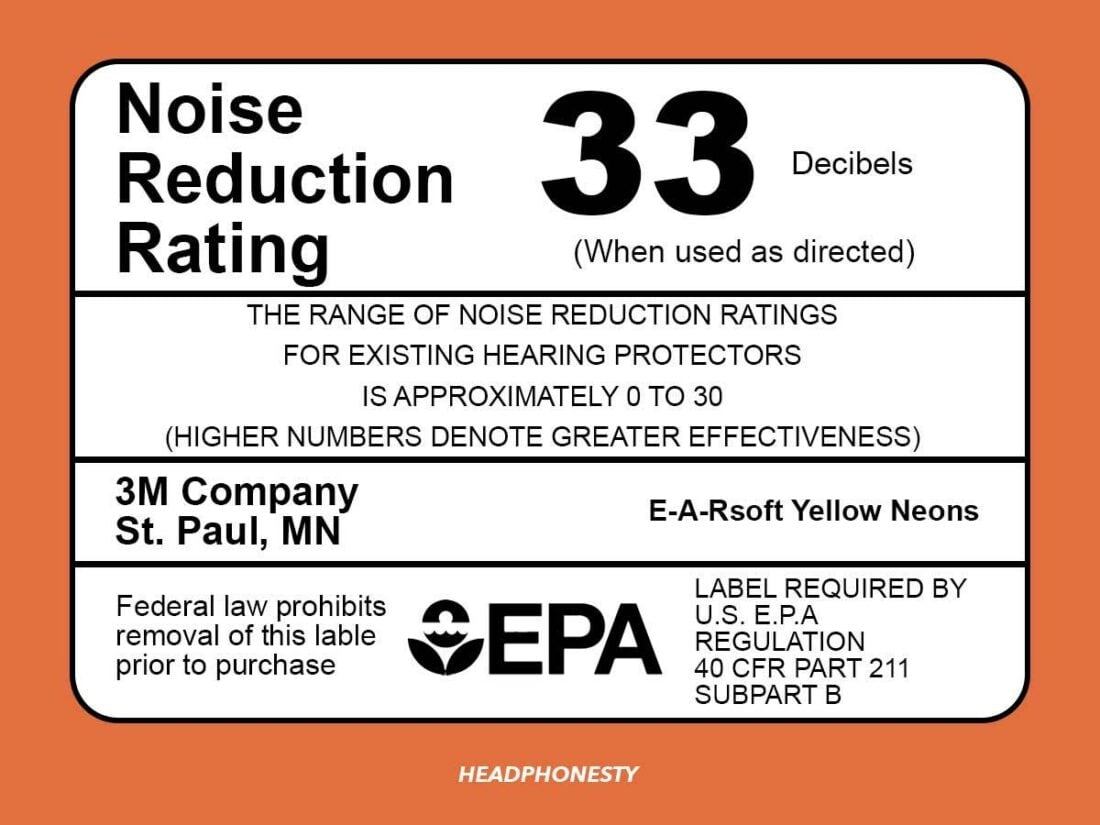
Understanding the Noise Reduction Rating (NRR) and Its Technical Foundation
The Noise Reduction Rating (NRR) is a unit of measurement used to determine the effectiveness of hearing protection devices (HPDs) in decreasing sound exposure within a given environment. Established by the Environmental Protection Agency (EPA) in accordance with American National Standards (ANSI), the NRR provides a standardized laboratory-derived estimate of how much noise a device can theoretically block.
The Physics of Sound Attenuation
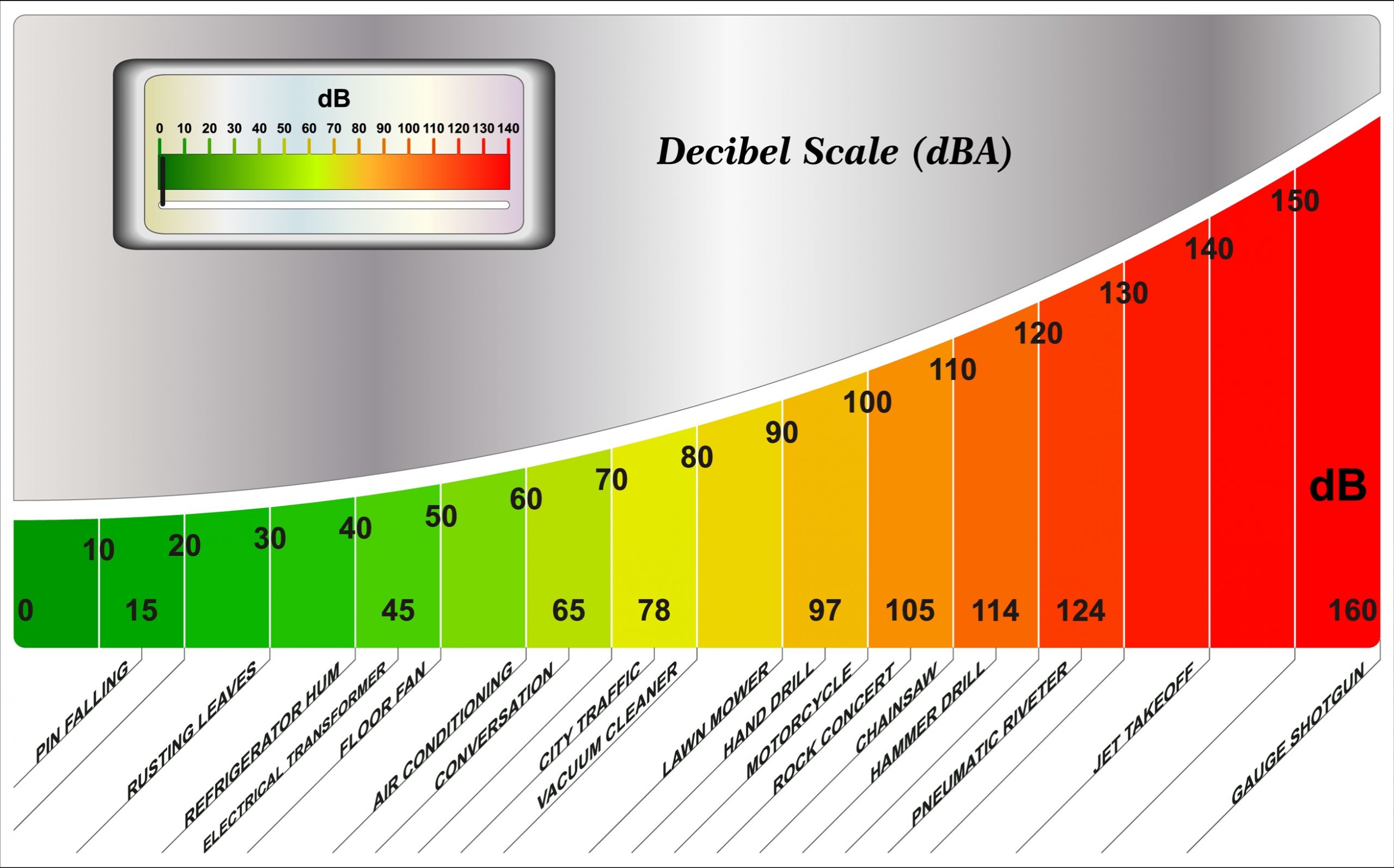
Sound is a mechanical wave that travels through air, measured in decibels (dB). Because the decibel scale is logarithmic rather than linear, a small change in the number represents a massive change in sound pressure. For instance, an increase of 3 dB represents a doubling of sound energy.
Hearing protection devices work through attenuation—the reduction of the amplitude of these sound waves before they reach the delicate structures of the inner ear. The NRR rating is determined by testing the device across a spectrum of frequencies, typically from 125 Hz to 8000 Hz. This technical assessment ensures that the device can handle both the low-frequency rumble of heavy machinery and the high-frequency hiss of pneumatic tools.
How NRR is Calculated in Laboratory Settings
To arrive at an NRR value, manufacturers conduct tests in controlled acoustic laboratories. Human subjects are placed in a sound-attenuated booth and asked to identify the lowest level at which they can hear specific frequencies, both with and without the hearing protection.
However, there is a significant “real-world” gap in NRR ratings. In a lab, earplugs are inserted perfectly and earmuffs are fitted with surgical precision. In the field, factors like safety glasses breaking the seal of an earmuff or improperly inserted foam plugs can drastically reduce performance. Because of this, tech-savvy safety officers often use a “derating” formula. To calculate the actual protection provided in a workplace, one must subtract 7 from the NRR and then divide by 2. This conservative approach ensures that the technology being deployed actually meets the safety requirements of the environment.
Global Standards: SNR, SLC80, and the Engineering Behind Diversity
While the NRR is the dominant standard in North America, the global nature of hardware manufacturing means that tech professionals often encounter alternative rating systems. Understanding these is essential for procurement and safety compliance in international markets.
Single Number Rating (SNR) and the European Context
In the European Union, the standard is the Single Number Rating (SNR). While similar to the NRR, the SNR calculation uses different mathematical weighting. Generally, an SNR value will appear higher than an NRR value for the same piece of equipment—often by 3 to 5 decibels. This isn’t because European gear is inherently better, but because the testing protocols (determined by ISO 4869) utilize different statistical averages.
SNR-rated devices often include additional data points known as HML values. These stand for High, Medium, and Low frequency attenuation. This allows engineers to choose a device specifically tuned to the noise profile of their environment. If a server room has a high-pitched cooling fan whine, a technician might prioritize a device with a high “H” value rather than just looking at the overall SNR.
SLC80: The Australian and New Zealand Approach
In Australia and New Zealand, the SLC80 (Sound Level Conversion) rating is used. The “80” signifies that the rating is based on the protection level achieved by 80% of users in a real-world setting. This is a more user-centric metric compared to the laboratory-idealized NRR. The SLC80 system also categorizes devices into “Classes” (Class 1 through Class 5), making it easier for non-technical users to select gear based on the decibel level of their workplace without performing complex math.
The Evolution of Hearing Tech: Beyond Passive Protection
In the modern era, hearing protection has moved far beyond simple foam and plastic. We are currently witnessing a convergence of high-end consumer audio technology and industrial safety gear. This has led to the rise of active hearing protection, which utilizes sophisticated circuitry to manage sound environments.
Active Noise Cancellation (ANC) vs. Passive Isolation
Passive protection relies on physical mass—foam, silicone, or plastic—to block sound waves. Active Noise Cancellation (ANC), a staple in high-end consumer gadgets, uses microphones to “listen” to incoming sound waves and then generates an “anti-phase” wave (180 degrees out of phase) to cancel out the noise.
In the tech world, it is important to distinguish between “noise-canceling headphones” used for music and “active hearing protection” used for safety. Most consumer ANC headphones are not NRR rated because they are designed to cancel constant, low-frequency sounds (like a jet engine) but struggle with the sudden, high-intensity impulses of a hammer drill or a gunshot. Professional-grade active HPDs combine passive barriers (to provide a base NRR) with electronic clipping circuits that instantly suppress sounds above a safe threshold (usually 82 dB).
The Role of Digital Signal Processing (DSP) in Modern Ear Protection
Digital Signal Processing (DSP) is the brain of modern electronic earmuffs. These devices don’t just block noise; they enhance the environment. Through DSP, a device can suppress the roar of a generator while simultaneously amplifying the sound of a coworker’s voice or an approaching forklift’s backup beeper.
This creates a “situational awareness” that was previously impossible with traditional earplugs. High-end models now feature multiple microphones to provide 360-degree directional audio, allowing the user to precisely locate sounds in their environment while remaining protected. This is a significant leap in wearable tech, merging the fields of acoustics, software engineering, and ergonomics.
Consumer Tech and Professional Gear: Decoding the Specs
As the line between professional “prosumer” gear and industrial equipment blurs, tech enthusiasts often wonder if their premium earbuds can serve as hearing protection. The short answer lies in the certification.
Why Your High-End Headphones Aren’t Always Safety Rated
A pair of flagship noise-canceling earbuds might boast incredible sound quality and noise reduction, but unless they carry an NRR or SNR certification, they are not legally considered personal protective equipment (PPE). The certification process is rigorous and expensive, involving destructive testing and long-term durability assessments.
Furthermore, many consumer devices use “vented” designs for comfort, which allows air (and sound) to pass through. Safety-rated earplugs and muffs are designed to create an airtight seal. For those working in tech manufacturing or heavy infrastructure, relying on non-rated consumer gear is a significant risk to long-term auditory health.
Industrial IoT and Smart PPE Integration
We are now seeing the integration of hearing protection into the Industrial Internet of Things (IIoT). Modern HPDs are becoming “smart” nodes in a connected workplace. Some advanced earmuffs now include:
- Integrated Bluetooth 5.0: For seamless communication with mobile devices and diagnostic tools.
- Dosimetry Sensors: Built-in microphones that monitor the actual noise exposure of the worker throughout the day, syncing the data to a cloud dashboard for safety compliance.
- Mesh Intercom Systems: Allowing teams to communicate over long distances without the need for cellular service or handheld radios, utilizing localized high-frequency networks.
Implementing Protection: Tech-Driven Best Practices
For organizations looking to deploy hearing protection technology, the NRR rating is just the starting point. A holistic approach involves leveraging modern digital tools to ensure maximum effectiveness.
Using Mobile Apps for Decibel Monitoring
Before selecting a device with a specific NRR, it is essential to know the noise profile of the environment. There are now several high-accuracy mobile applications, such as the NIOSH Sound Level Meter app, which turn a smartphone into a calibrated decibel meter. By analyzing the frequency and intensity of the noise, tech managers can choose the most efficient HPD for the job, avoiding “over-protection” (which can isolate a worker and cause safety hazards) or “under-protection.”
The Future of Wearable Audio Safety
The future of the hearing protection rating system may eventually shift away from a static number on a box to a dynamic, real-time assessment. We are moving toward a world where ear-worn devices will provide “fit-testing” feedback via an app, telling the user if they have achieved the rated NRR based on the seal detected by internal sensors.
As we continue to push the boundaries of what wearable technology can do, the rating systems—whether NRR, SNR, or SLC80—will remain the gold standard for ensuring that our technological advancements do not come at the cost of our physical well-being. Understanding these metrics is the first step in mastering the complex, high-decibel world of modern industry and technology.
aViewFromTheCave is a participant in the Amazon Services LLC Associates Program, an affiliate advertising program designed to provide a means for sites to earn advertising fees by advertising and linking to Amazon.com. Amazon, the Amazon logo, AmazonSupply, and the AmazonSupply logo are trademarks of Amazon.com, Inc. or its affiliates. As an Amazon Associate we earn affiliate commissions from qualifying purchases.