
In the dynamic digital landscape of Fortnite, where millions battle for supremacy, cosmetic items serve as coveted emblems of player identity and achievement. Among these, gliders—the airborne conveyances that ferry players from the Battle Bus to the island—hold a special place. The quest to identify the “rarest” glider is not merely a trivial pursuit of aesthetics; it delves deep into the technological infrastructure of game design, digital scarcity, and the intricate psychology of digital ownership within a massive online multiplayer ecosystem. Understanding true rarity in Fortnite requires a technical examination of item distribution mechanisms, player acquisition patterns, and the lifecycle management of digital assets within Epic Games’ colossal software environment.

The Digital Frontier of Rarity: Understanding Fortnite’s Cosmetic Ecosystem
Fortnite’s appeal extends beyond its core gameplay loop, deeply embedding itself in the collection and display of its vast array of cosmetic items. Gliders, as one category of these digital embellishments, exemplify how scarcity is engineered and perceived in the virtual realm.
The Anatomy of a Digital Asset: Gliders as Software Constructs
From a technical perspective, a Fortnite glider is a complex digital asset. It comprises 3D models, texture maps, animation sequences, sound files, and associated metadata—all rendered in real-time by the game’s engine (Unreal Engine, developed by Epic Games itself). These components are stored on Epic’s servers and delivered to players’ clients upon purchase or unlock. When a player selects a glider, the game client executes a specific rendering sequence, displaying the chosen cosmetic.
The concept of “rarity” for such a digital item is not inherent to its data structure. Unlike a physical artifact, a digital item can be infinitely duplicated without loss of quality. Its scarcity is therefore entirely programmed and managed through database entries and distribution policies. Epic Games explicitly controls how many copies of an item are “available” to the player base, defining its rarity through:
- Time-gated availability: Items offered only for a limited duration.
- Event-specific unlocks: Rewards tied to participation in particular challenges or promotions.
- Battle Pass exclusivity: Items obtainable only by progressing through a seasonal Battle Pass, which itself is time-limited.
- Algorithmic store rotations: A curated selection of items cycling through the in-game shop, some appearing far less frequently than others.
These mechanisms are not arbitrary; they are meticulously designed algorithms and database management strategies intended to drive player engagement, encourage consistent login activity, and foster a sense of urgency around acquisitions.
The Role of Scarcity in Player Engagement and Retention
The deliberate engineering of digital scarcity is a cornerstone of Fortnite’s long-term retention strategy. By making certain items available for a finite period, Epic Games capitalizes on the psychological principles of FOMO (Fear Of Missing Out) and the human desire for unique possessions. The technology tracking player ownership is robust, associating each acquired item with a specific user account in Epic’s backend databases. This ensures that once an item’s availability window closes, the database entry confirming its acquisition becomes a permanent record, immutable by subsequent game updates or store rotations.
This system creates a digital economy where currency (V-Bucks) is used to acquire items whose value is primarily aesthetic and social, yet profoundly influenced by their perceived scarcity. Players derive satisfaction not just from the item’s appearance, but from the exclusive knowledge that fewer fellow players possess it. This interplay between psychological drivers and technological implementation forms the bedrock of Fortnite’s collectible ecosystem.
Deconstructing “Rarity”: More Than Just Low Ownership Numbers
Pinpointing the “rarest” glider is complicated by the nuanced definition of rarity itself. Is it based on the absolute lowest ownership count, the longest period an item has been unavailable, or the difficulty of its original acquisition? From a technical data perspective, Epic Games holds the definitive numbers, but for players, “rarity” is often a blend of perceived scarcity and community lore.
Initial Release Mechanisms and Their Impact on Scarcity
The method of an item’s initial release is the most significant factor determining its ultimate rarity.
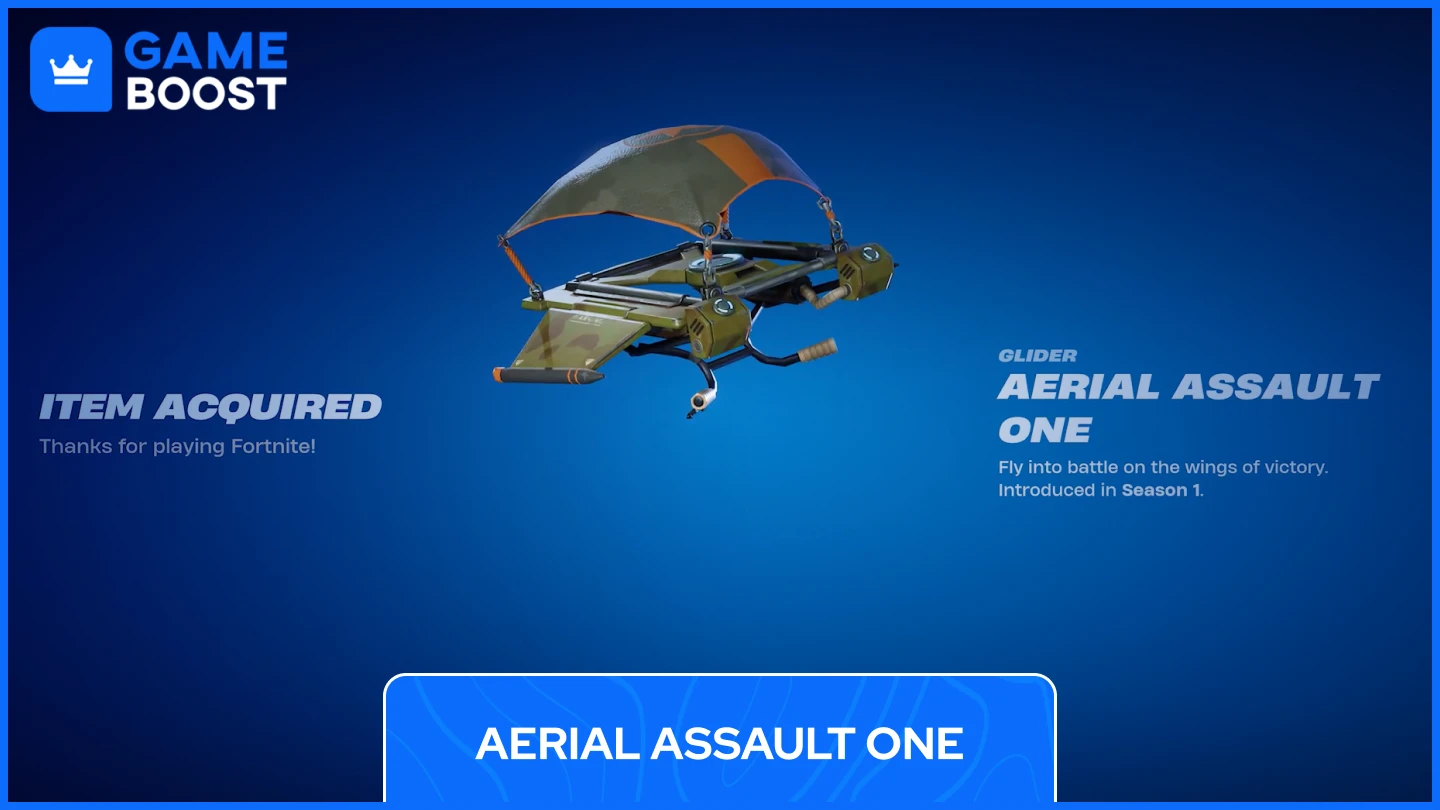
- Battle Pass Exclusives: Gliders obtained through Battle Passes (e.g., the Mako Glider from Season 1, or High-Octane from Season 3) are arguably the purest form of true rarity. Once a Battle Pass season concludes, its cosmetic rewards are explicitly stated to never return to the game. This programmatic immutability means their ownership count is permanently capped by the number of players who acquired them during that specific, time-limited window. As Fortnite’s player base has grown exponentially since its early seasons, these items were obtained by a comparatively minuscule fraction of the current total player count. The underlying database schema for Battle Pass items typically includes a
season_idandexclusive_flagthat prevent re-release logic. - Event Rewards: Gliders awarded for participating in specific in-game events or challenges often have tight acquisition windows. An example might be a glider granted for completing a specific set of quests during a collaboration event. The difficulty of the challenge, combined with the event’s limited duration, contributes to rarity.
- Promotional Items: These are perhaps the most technically constrained forms of rarity. Gliders tied to external promotions, such as purchasing specific hardware (e.g., NVIDIA GeForce bundles), subscribing to services (e.g., Twitch Prime packs), or owning particular console bundles (e.g., PlayStation Plus exclusives), inherently limit availability to a specific demographic outside the core game’s V-Bucks economy. The digital keys or redemption codes for these items are finite and expire, making them virtually impossible to acquire once the promotion ends. Their rarity is a direct function of the external marketing campaign’s reach and duration.
- Item Shop Rotations: While items in the daily Item Shop can return, some gliders have appeared so infrequently or had such long hiatuses that they are considered rare. This “perceived rarity” is a result of Epic’s content rotation algorithms. A glider that hasn’t been seen in 1,000+ days technically isn’t “exclusive,” but its lack of appearance creates a similar sense of scarcity among the player base. The algorithms behind these rotations are complex, balancing popularity, novelty, and deliberate scarcity management.
The Concept of “True Rarity” vs. “Perceived Rarity”
“True rarity” from a technical standpoint refers to items whose ownership numbers are demonstrably low due to their strictly limited availability and non-reissue policy. These are trackable via Epic’s internal databases. “Perceived rarity,” on the other hand, is community-driven. It stems from an item’s absence from the Item Shop for extended periods, or its obscure origins, leading to speculation and elevated desirability among players who may not have been active during its original release. While perceived rarity can influence demand, true rarity is anchored in the item’s distribution history.
Identifying the Apex of Digital Scarcity: Contenders for Fortnite’s Rarest Glider
Given the technical criteria, the rarest gliders in Fortnite are unequivocally those that were available during the game’s nascent stages or via highly restrictive external promotions, never to be re-released.
The OG Exclusives: A Look at Early Battle Pass Gliders
- Mako Glider (Season 1 Battle Pass): This is often cited as the prime contender for the rarest glider. Available during Fortnite’s inaugural Battle Pass in Chapter 1, Season 1, it required players to reach level 25. At this early stage, Fortnite’s player base was significantly smaller than its eventual explosion. Furthermore, many early players might not have invested enough time to reach level 25, or even understood the concept of a Battle Pass. As a Battle Pass item, it is guaranteed never to return. Its rarity is a direct consequence of the low initial player count and the time-gated, non-reissuable nature of Battle Pass rewards.
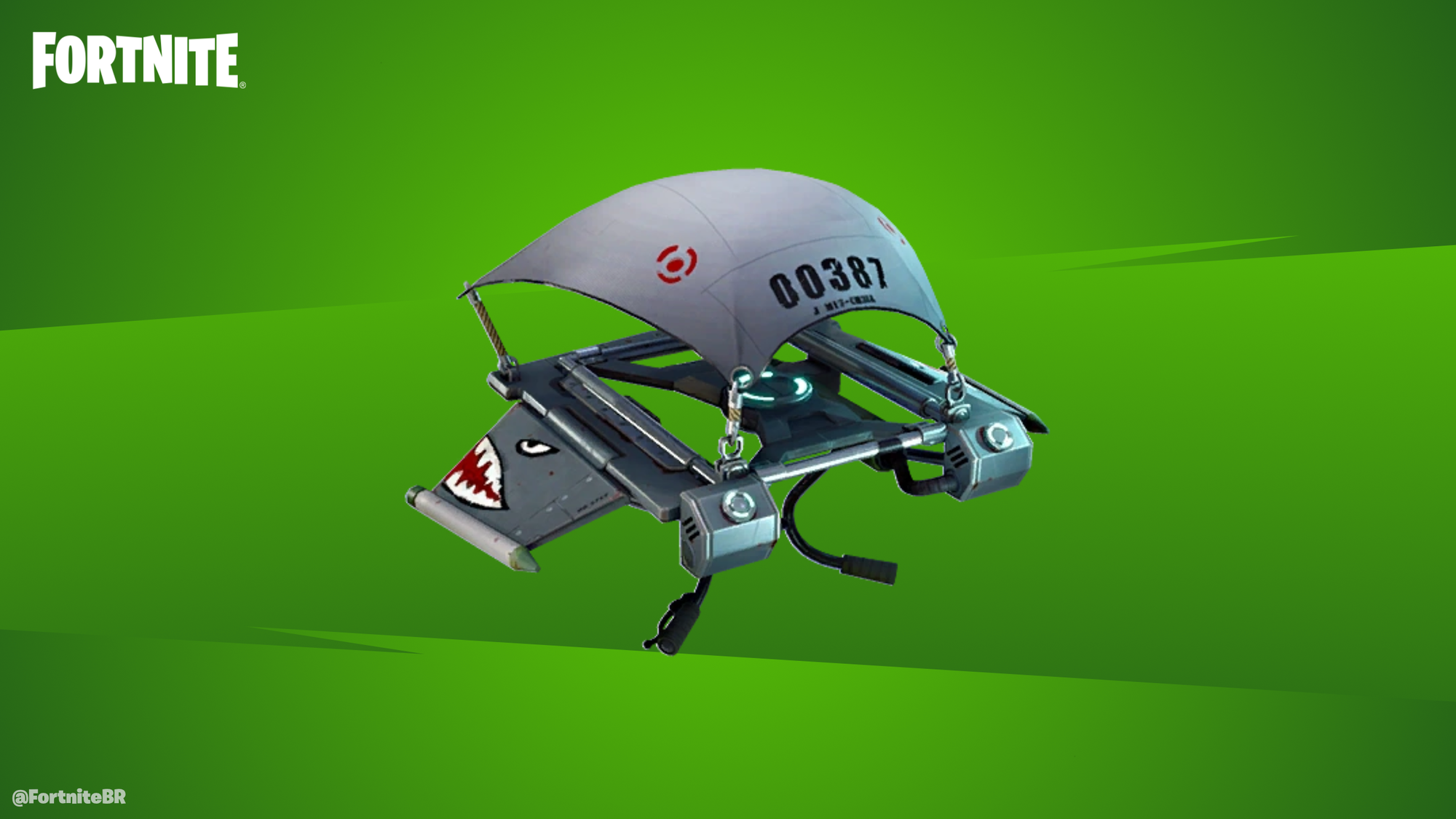
- Raptor Glider (Season 1 Battle Pass): Similar to the Mako, the Raptor glider was another Chapter 1 Season 1 Battle Pass reward. Its conditions for acquisition and its permanent exclusivity place it in the same league of extreme rarity.
- High-Octane Glider (Season 3 Battle Pass): While from a slightly later season, the High-Octane glider is also a Battle Pass exclusive from Chapter 1, Season 3. It belongs to the early era of Fortnite where the player base, though growing, was still considerably smaller than its peak.
These Battle Pass gliders represent the pinnacle of true rarity because their availability window is definitively closed, and their acquisition numbers are relatively low compared to the game’s entire history.
Promotional and Event-Specific Gliders: Ultra-Limited Releases
Beyond Battle Pass items, certain promotional gliders stand out for their extreme scarcity, often due to stringent acquisition requirements tied to external factors.
- Founders Gliders (e.g., Storm Shredder): These gliders were awarded to players who purchased a “Founder’s Pack” for Fortnite’s Save the World mode before it transitioned out of early access. While Save the World is still available, the Founder’s Pack editions with these specific cosmetic bonuses are no longer sold, making these gliders exclusive to a specific group of early supporters. Their rarity is tied to a specific product purchase window outside of the standard Battle Royale shop.
- Platform-Exclusive Gliders (e.g., PlayStation Plus Gliders): Sony often offered gliders (and other cosmetics) as free bonuses for PlayStation Plus subscribers for a limited time. Similarly, Xbox Game Pass or other console-specific bundles occasionally included unique gliders. These items were only accessible to players on a specific platform with a particular subscription, making their distribution highly segmented and rare among the general player base.
- Twitch Prime Pack Gliders: Over various periods, Fortnite collaborated with Twitch Prime (now Prime Gaming) to offer exclusive cosmetic bundles, including gliders. These required an active Amazon Prime subscription and a Twitch account, and were only available for a few weeks or months per pack. Once the promotional period ended, these gliders became unobtainable.
- NVIDIA GeForce Bundle Glider: Some gliders were distributed as part of hardware bundles, requiring the purchase of specific NVIDIA graphics cards during a promotional window. The acquisition was tied to an expensive hardware purchase, severely limiting their distribution.
These promotional gliders often rival or even surpass early Battle Pass items in terms of their true rarity, as their acquisition required not just in-game play but also external purchases or subscriptions, creating highly specific and narrow acquisition funnels.
The Technological Underpinnings of Digital Collectibility and Future Trends
The quest for the rarest glider in Fortnite is a microcosm of broader trends in digital asset management and ownership within gaming. It highlights the power of centralized platforms to engineer scarcity and the evolving perception of value for virtual goods.
Blockchain and NFTs: A Glimpse into the Future of Digital Ownership?
While Fortnite’s in-game economy is entirely centralized and managed by Epic Games, the discussion of digital scarcity inevitably touches upon emerging technologies like blockchain and Non-Fungible Tokens (NFTs). NFTs aim to provide verifiable digital scarcity and true ownership of digital assets, even outside the original platform, through decentralized ledgers. In Fortnite’s current model, the “ownership” of a glider is essentially a database entry controlled by Epic Games. Players don’t “own” the asset in a transferrable sense; they own a license to use it within Epic’s ecosystem.
The theoretical application of blockchain to in-game items would allow for player-to-player trading without Epic’s direct involvement, potentially creating a secondary market where the “rarest” items could fetch real-world value based on verifiable scarcity. However, Epic Games, like many major publishers, has expressed caution about fully embracing NFTs within its core titles, preferring the control and revenue models of its centralized system. Nevertheless, the concept of provable scarcity and immutable ownership—the very traits that make certain Fortnite gliders “rare” within Epic’s system—are central to the blockchain’s value proposition.
Preserving Digital Heritage: The Challenge of Archiving Game Content
As games like Fortnite evolve as “live service” platforms, the sheer volume of content, including gliders, presents a technical challenge for preservation and backward compatibility. Maintaining older assets, ensuring they function correctly with new engine updates, and managing the vast database of player inventories are continuous development tasks. The rarity of early gliders also highlights a form of “digital heritage”—items that represent specific moments in a game’s history. These assets, though just lines of code and textures, become cultural artifacts within the gaming community, celebrated for their scarcity and historical significance. The architecture supporting Fortnite’s persistent world must balance rapid content iteration with the enduring digital records of player achievements and acquisitions, including the rarest gliders that few will ever see in the skies of the island.
aViewFromTheCave is a participant in the Amazon Services LLC Associates Program, an affiliate advertising program designed to provide a means for sites to earn advertising fees by advertising and linking to Amazon.com. Amazon, the Amazon logo, AmazonSupply, and the AmazonSupply logo are trademarks of Amazon.com, Inc. or its affiliates. As an Amazon Associate we earn affiliate commissions from qualifying purchases.