
Beyond Carat Weight: Defining True Value in Gems
The pursuit of the “most valuable gem” transcends mere aesthetic appeal, delving deep into a complex interplay of geological scarcity, market dynamics, and historical significance. While many might instinctively point to size as the primary determinant, an astute financial perspective reveals that a gem’s true worth is a multifaceted calculation, far beyond simple carat weight. For investors and collectors, understanding these intrinsic and extrinsic factors is paramount to identifying assets with genuine appreciation potential.
The Intrinsic Qualities: Color, Clarity, Cut, and Carat
The foundational assessment of any gemstone typically begins with the “Four Cs,” though their relative importance shifts depending on the gem type. For most colored gemstones, Color reigns supreme. A gem’s hue, tone, and saturation are critical. A vivid, pure color with optimal saturation – neither too dark nor too light – commands the highest premiums. For instance, the coveted “pigeon’s blood” red in rubies or the velvety blue of Kashmir sapphires are specific color descriptions that drive astronomical prices. Clarity refers to the absence of inclusions or blemishes. While flawless clarity is desirable for all gems, certain inclusions, like the “jardin” (garden) in emeralds, are often accepted or even characteristic, provided they do not compromise the stone’s structural integrity or transparency. Cut assesses how well a gem has been shaped and faceted to maximize its brilliance, fire, and overall visual appeal. An expert cut can significantly enhance a gem’s beauty and value, ensuring optimal light return. Lastly, Carat Weight, while important, is often secondary to the other Cs for colored gems. A smaller gem with exceptional color and clarity can far outweigh a larger, lower-quality stone in value.

Rarity and Origin Premiums
Scarcity is a fundamental driver of financial value, and in the world of gemstones, rarity is often intrinsically linked to origin. Specific geographic locations have, for centuries, produced gems of unparalleled quality and distinct characteristics. A “Burmese ruby” from the Mogok Valley, a “Kashmir sapphire” known for its unique velvety blue, or a “Colombian emerald” celebrated for its vivid green, all carry significant origin premiums. This is not merely about branding; these locations often yield gems with specific chemical compositions or growth patterns that result in superior color, clarity, or unique optical properties. As many of these historic mines deplete, the scarcity of authenticated, high-quality gems from these sources further amplifies their value, making them prized investment assets.
Provenance and Historical Significance
Beyond geological origin, a gem’s human history can add an extraordinary layer of financial value. Provenance, the documented history of ownership, can elevate a valuable gem into an irreplicable treasure. A gem that has adorned royalty, been part of a renowned private collection, or played a role in significant historical events commands a premium that often far exceeds its intrinsic material worth. These pieces are not merely gems; they are artifacts, embodying cultural legacy and often fetching record-breaking prices at auction. This intangible value is a potent factor for top-tier collectors and investors, distinguishing mere assets from truly iconic pieces.
Market Dynamics and Economic Factors
The global economy, shifts in consumer preferences, and even geopolitical stability in mining regions all play a role in shaping the value of gemstones. Economic prosperity generally boosts demand for luxury goods, including high-value gems, while economic downturns can see a flight to tangible assets like precious stones as a hedge against inflation or currency devaluation. Emerging markets can introduce new pools of collectors and investors, driving up demand for specific types of gems. Understanding these broader market dynamics is crucial for anyone considering gems as a serious investment.
The Blue-Chip Gemstones: Established Investment Vehicles
Certain gemstones have consistently proven their mettle as stable and appreciating assets, often referred to as the “blue-chip” investments of the gem world. These are the stones with established markets, reliable grading systems (for diamonds), and a long history of commanding high prices for exceptional examples.
Diamonds: The Enduring Luster of Investment
While commonly associated with engagement rings, it is the rare diamond that serves as a potent investment vehicle. Specifically, large, colorless diamonds of D-flawless grade or, more spectacularly, fancy colored diamonds (pink, blue, red, green, orange) are sought after by investors. Fancy colored diamonds are exceedingly rare, with their value often eclipsing that of their colorless counterparts. For example, a flawless pink diamond can achieve millions of dollars per carat. The market for investment-grade diamonds benefits from robust certification standards (e.g., GIA), which provide a critical layer of trust and transparency for investors, ensuring verified quality and authenticity. These diamonds offer a unique combination of liquidity (relative to other gems) and long-term wealth preservation.
Rubies: The King of Colored Gems
Rubies, particularly those with the elusive “pigeon’s blood” color from Myanmar (Burma), are among the most financially valuable colored gemstones. This specific hue is characterized by a vivid, saturated red with a hint of blue, often exhibiting strong fluorescence that makes the gem appear to glow from within. Untreated, high-quality Burmese rubies of significant size are exceedingly rare and have seen a consistent, dramatic appreciation in value. They are highly liquid assets within the specialized collector’s market and are often compared to fancy colored diamonds in terms of per-carat value for top-tier specimens.
Sapphires: Deep Blue and Beyond
While blue sapphires are well-known, it is the rare and exceptionally colored varieties that command investment attention. “Kashmir” sapphires, renowned for their intense, velvety blue color and often a subtle milky texture that diffuses light, are considered the pinnacle. These stones, mined for only a brief period in the late 19th and early 20th centuries, are now incredibly rare and fetch prices rivaling top-tier rubies and diamonds. Beyond blue, “Padparadscha” sapphires, with their unique salmon-pink to orange-pink hue, are another incredibly rare and valuable variety, particularly those showing a delicate balance of pink and orange without leaning too heavily to either side.
Emeralds: The Green Jewel of Rarity
Colombian emeralds are celebrated for their unparalleled vibrant green and are typically the most valuable emeralds. Unlike diamonds, flawless emeralds are virtually non-existent; their characteristic inclusions, known as “jardin” (French for garden), are generally accepted. However, the intensity and purity of their green color are paramount. Investment-grade emeralds are typically those that are untreated or only minimally treated (e.g., minor oiling, which is common practice) and possess exceptional clarity for their type, combined with significant size. Large, vivid, untreated Colombian emeralds are among the world’s most valuable gemstones, with their value steadily appreciating.
Emerging and Exotic Gems: High-Risk, High-Reward Opportunities
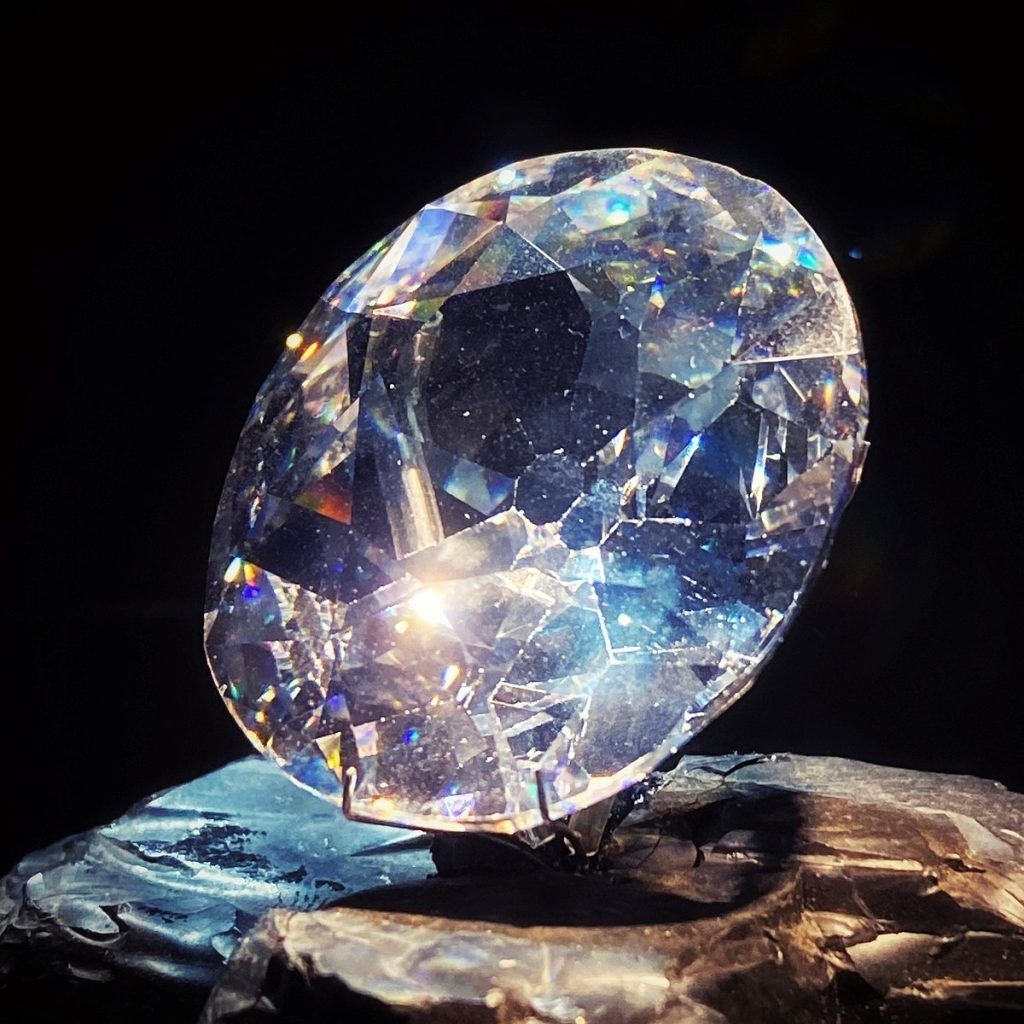
Beyond the traditional blue-chips, a fascinating segment of the gem market offers potentially higher returns for those willing to venture into less liquid, ultra-rare stones. These are often characterized by unique optical properties, extreme scarcity, or a single-source origin.
Tanzanite: A Finite Wonder
Discovered relatively recently in Tanzania, tanzanite is a unique blue-violet variety of zoisite, found only in a small mining area at the foot of Mount Kilimanjaro. Its single-source origin makes it inherently finite. As the mines are projected to deplete within the next few decades, the scarcity factor is a significant driver of its potential future value. High-quality, deeply saturated blue-violet tanzanite of significant size is highly sought after, with many investors betting on substantial price appreciation as supply dwindles.
Alexandrite: The Chameleon Gem
Alexandrite is a rare variety of chrysoberyl famous for its dramatic color change, appearing emerald green in daylight and raspberry red-purple in incandescent light. This extraordinary optical phenomenon, combined with its rarity—especially in larger sizes and with a strong color change—makes it a highly prized collector’s gem and a potentially lucrative investment. Original Russian alexandrite from the now-depleted Ural Mountains mines are particularly coveted and command the highest prices.
Grandidierite and Painite: The Rarest of the Rare
For the ultra-niche investor, stones like Grandidierite and Painite represent the extreme end of gem rarity. Grandidierite, a bluish-green mineral, and Painite, known for its deep red-brown to orange-red hues, are so rare that for decades only a handful of faceted specimens were known to exist globally. While still incredibly scarce, new discoveries have increased their availability slightly, but they remain among the most exclusive and expensive gemstones per carat. These are highly speculative investments, primarily for advanced collectors and those with deep market access.
Natural Pearls: The Ocean’s Untouched Treasures
Often overlooked in favor of faceted gems, large, perfectly spherical natural saltwater pearls are exceptionally rare and historically significant. Unlike cultured pearls, which are farmed, natural pearls form spontaneously in the wild. A truly magnificent natural pearl, particularly one with excellent luster, orient, and shape, can command prices that rival or even exceed those of top-tier diamonds on a per-carat basis. Their organic origin, historical appeal (many belonged to royalty), and extreme rarity make them a unique and highly valued asset.
Prudent Gemstone Investment Strategies
Investing in gemstones requires a specialized approach, distinct from traditional financial markets. Diligence, expert consultation, and a long-term perspective are paramount.
The Primacy of Certification and Due Diligence
The single most critical step in gemstone investment is obtaining independent, reputable gemological laboratory reports. Institutions like the Gemological Institute of America (GIA), Gübelin Gem Lab, Swiss Gemmological Institute (SSEF), and American Gemological Laboratories (AGL) provide objective assessments of a gem’s authenticity, quality characteristics (color, clarity, cut, weight), and, crucially, any treatments or enhancements it may have undergone. These reports are non-negotiable for determining a gem’s true value and ensuring buyer confidence for future resale. Without proper certification, a gem’s investment potential is severely compromised.
Understanding Treatments and Enhancements
Many gemstones undergo treatments to enhance their appearance, such as heating for rubies and sapphires, or oiling for emeralds. Some treatments are common and accepted within the trade, while others are less so. Crucially, all treatments, especially those that are significant or non-permanent, must be fully disclosed, as they invariably impact a gem’s value. Untreated, high-quality gemstones often command a substantial premium and are generally considered superior investments due to their natural rarity and unaltered state.
Liquidity Considerations and Exit Strategies
Unlike stocks or bonds, gemstones are not highly liquid assets. Selling a high-value gem can take time, potentially months or even years, and typically involves specialized channels such as auction houses, reputable antique dealers, or private sales to collectors. Investors should enter the market with a long-term horizon, prepared to hold the asset for several years to realize significant appreciation. Understanding potential exit strategies and the associated costs (e.g., auction house commissions) is vital before making a purchase.
Market Expertise and Network
Navigating the nuanced world of gem investment requires expert guidance. Partnering with reputable, experienced gem dealers, appraisers, or advisors who possess deep market knowledge and a vast network is crucial. These professionals can source authenticated, investment-grade pieces, provide insightful valuations, and offer counsel on market trends and potential pitfalls. Building trust and a strong relationship with a knowledgeable expert is invaluable for a successful gem investment journey.
Portfolio Diversification
High-value gemstones should be viewed as a component of a diversified investment portfolio, rather than a sole focus. They serve as tangible assets, offering a potential hedge against inflation, currency fluctuations, and geopolitical instability. Their portability, beauty, and enduring appeal make them a unique store of wealth, particularly for individuals seeking to diversify away from traditional financial instruments.

The Evolving Definition of Gemstone Wealth
Ultimately, the question of “what is the most valuable gem” doesn’t have a single, static answer. True value emerges from a confluence of extreme rarity, verifiable quality, impeccable provenance, and the nuanced dynamics of a specialized market. While some categories, like fancy colored diamonds or unheated Burmese rubies, consistently lead in terms of per-carat value, exceptional examples within many other gem species can also achieve extraordinary prices. For the astute investor, the most valuable gem is not merely the one that glitters brightest, but the one that represents a verifiable, rare asset poised for long-term financial appreciation, meticulously chosen with expert guidance and a comprehensive understanding of its unique place in the global wealth landscape.
aViewFromTheCave is a participant in the Amazon Services LLC Associates Program, an affiliate advertising program designed to provide a means for sites to earn advertising fees by advertising and linking to Amazon.com. Amazon, the Amazon logo, AmazonSupply, and the AmazonSupply logo are trademarks of Amazon.com, Inc. or its affiliates. As an Amazon Associate we earn affiliate commissions from qualifying purchases.