
Crafting Culinary Identities: The Brand of Cured Meats
In the intricate world of food branding, few product categories offer as compelling a study in distinct identity and market positioning as cured meats. Among these, pepperoni and salami stand out as prime examples of how nuanced differences in composition, origin, and application coalesce to form unique brand identities in the consumer’s mind. While both are fermented and air-dried sausages, often sharing a base of pork and beef, their evolutionary paths, sensory profiles, and market applications have sculpted two profoundly different “brands.” Understanding these distinctions is not merely an exercise in culinary knowledge; it’s a deep dive into how heritage, formulation, and strategic consumer messaging create powerful product brands.

The Core Distinctions Beyond the Slice: Defining Product Brands
At the heart of any brand lies its foundational offering. For pepperoni and salami, their fundamental differences in ingredients and processing are the bedrock of their separate brand identities. Salami, an umbrella term derived from the Italian “salare” (to salt), encompasses a vast family of cured sausages. Its brand is characterized by diversity and regionality, with varieties like Genoa, Soppressata, Finocchiona, and Cacciatore each carrying distinct brand associations tied to specific Italian or European locales and traditions. These varieties boast an array of spices, curing times, and fermentation processes, leading to a spectrum of flavors, textures, and appearances. The salami brand is inherently complex, artisanal, and global, signaling a rich tapestry of culinary heritage.
Pepperoni, in contrast, is an American invention, though inspired by Italian-American traditions. Its brand identity is far more singular and focused. Born from the Italian word “peperone” (bell pepper), American pepperoni is typically characterized by its vibrant red color and a distinct spicy kick, largely attributed to the generous inclusion of paprika or other chili peppers. Its brand promise is consistent: a reliable, spicy, often slightly smoky, and distinctly savory flavor profile. This consistency, in itself, is a powerful branding element, offering predictability and comfort to consumers.
How Production & Flavor Profiles Define Brand Promise
The manufacturing process and resulting flavor profile are critical elements in shaping a product’s brand promise. The brand of salami emphasizes artisanal variation. The meat (often pork, but can include beef or venison) is coarsely ground, mixed with a specific blend of fat, salts, and an array of spices such as garlic, black pepper, wine, or herbs. The fermentation and curing process, which can last weeks to months, develops complex umami flavors and a firm, often chewier texture. The natural molds that bloom on the casings of many salamis are not merely cosmetic; they are an integral part of its brand equity, signaling authentic aging and contributing to its distinctive flavor. The brand promise here is one of sophisticated taste, intricate craft, and often, an elevated culinary experience.
Pepperoni’s production, while also involving fermentation and curing, leans into a different brand promise. The meat, typically a blend of pork and beef, is more finely ground than most salamis. The defining brand characteristic is the spice blend: smoked paprika, cayenne pepper, and other chili powders are prominent, alongside garlic powder, fennel, and often anise. This combination gives pepperoni its signature bright red color, a slightly softer texture, and a pronounced, spicy-savory flavor that “cups and crisps” when cooked on a pizza. The brand promise of pepperoni is one of bold, approachable flavor, high versatility (especially in cooked applications), and a distinct, universally recognizable taste that resonates with a broader, more mainstream audience. Its slightly greasy quality when heated is not a flaw, but a desired textural and flavor attribute that enhances its brand perception for its primary application.
Market Positioning and Consumer Perception: Brand Strategy in Action
The strategic positioning of pepperoni and salami in the marketplace further solidifies their distinct brand identities, influencing consumer perception and purchasing behavior. Each product occupies a unique niche, cultivated through decades of culinary evolution and targeted marketing (both explicit and implicit).
Pepperoni: The Icon of Comfort and Convenience
Pepperoni’s brand positioning is inextricably linked to comfort food, particularly pizza. It is, arguably, the most iconic and frequently ordered pizza topping in North America. This ubiquitous association has forged a brand identity built on familiarity, accessibility, and a certain kind of unpretentious deliciousness. Its presence on menus from large fast-food chains to local pizzerias underscores its brand as a reliable, crowd-pleasing option. The marketing of pepperoni, even when not overtly branded by a specific manufacturer, benefits from this ingrained cultural association. Its flavor profile is designed to complement other common pizza ingredients, and its ability to crisp up appealingly under high heat makes it an ideal choice for this application. The brand persona of pepperoni is therefore friendly, dependable, and universally enjoyed, symbolizing casual dining and family gatherings.
Salami: The Emblem of Artisan Craft and Sophistication
In stark contrast, salami’s brand persona leans towards artisan craft, gourmet appreciation, and culinary exploration. Its market positioning is often found in specialty delis, charcuterie boards, and gourmet food sections. The sheer variety of salamis allows brands to target different consumer segments, from those seeking robust, garlic-infused flavors to those preferring milder, herb-kissed profiles. The brand narrative for salami often emphasizes its European heritage, traditional methods, and the quality of its ingredients. Regional names like “Genoa Salami” or “Hungarian Salami” function as powerful sub-brands, conjuring images of specific terroirs and time-honored techniques. The visual appeal of different salami types – from fine-grained, brightly colored slices to rustic, mold-dusted logs – is also a crucial aspect of its branding, inviting consumers to explore and appreciate its diverse aesthetic. Salami’s brand promise is one of elevated taste, sophisticated pairings (with cheese, wine, and artisanal bread), and an exploration of global culinary traditions.
Design, Packaging, and the Visual Brand of Cured Meats
Visual identity is paramount in branding, and for cured meats, this extends beyond traditional packaging to the very presentation of the product itself. The design elements surrounding pepperoni and salami reinforce their distinct market positions and brand promises.
Visual Cues and Brand Storytelling
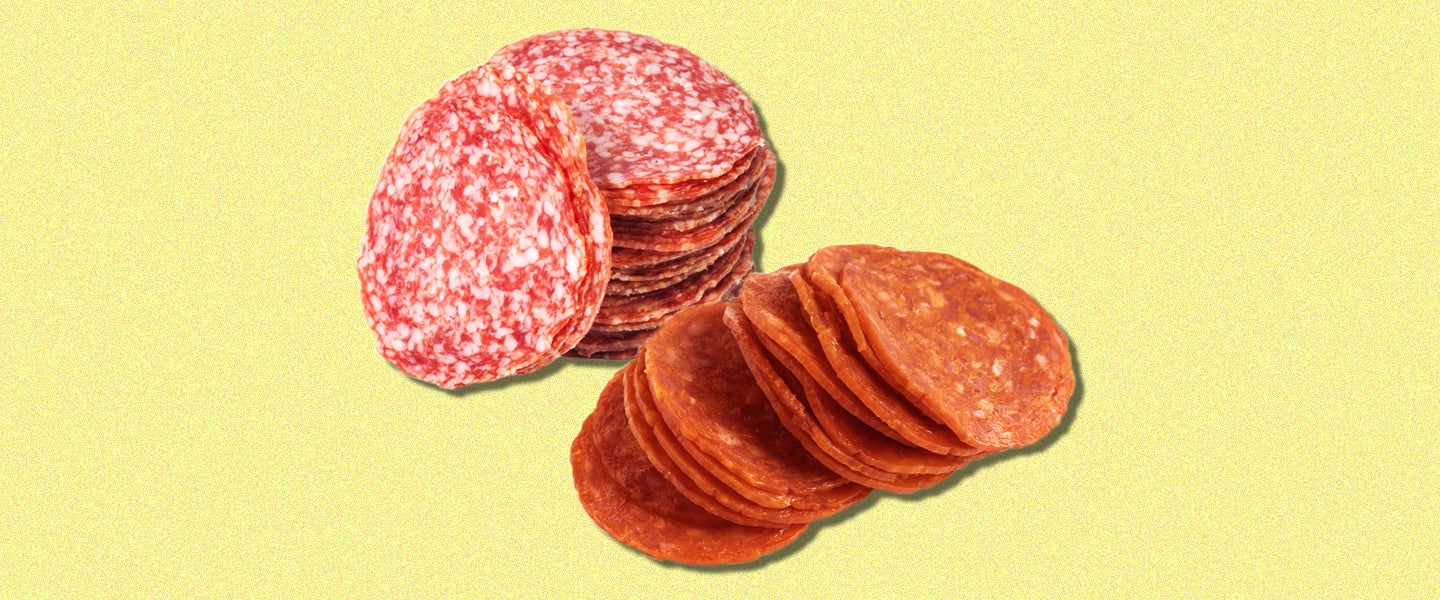
The visual branding of pepperoni is largely defined by its consistent appearance: bright reddish-orange, often pre-sliced into thin, round disks. Its packaging, whether in vacuum-sealed bags or on deli counters, tends to emphasize this uniformity, often with imagery that highlights its use on pizza. The visual brand storytelling for pepperoni is direct and functional, signaling “pizza-ready” or “snack-ready.” The uniformity in color and size across various pepperoni brands contributes to a collective category brand that is instantly recognizable and reassuringly familiar to consumers.
Salami, conversely, leverages its visual diversity as a key branding asset. Its packaging often showcases the unique characteristics of each variety: the coarse grind of a Soppressata, the distinctive white mold on a Finocchiona, or the varying diameters and shapes of different logs. Salami’s visual brand storytelling is more evocative, hinting at artisanal creation and regional origin. Labels often feature elegant typography, historical motifs, or maps, underscoring its heritage and craft. When presented on a charcuterie board, the array of salami types, each with its unique texture, color, and marbling, becomes a visual feast, an intentional part of its premium brand experience. The distinct “brand” of each salami type is often conveyed as much by its visual characteristics as by its flavor profile.
The Role of Origin and Heritage in Brand Equity
Origin and heritage are powerful drivers of brand equity, particularly in food. Pepperoni, while inspired by Italian tradition, has developed a distinctly American brand identity. Its brand equity is tied to its role in American cuisine, particularly within the fast-casual and convenience food sectors. While some higher-end pepperoni brands might play on Italian-American roots, the dominant brand narrative is one of American culinary integration and widespread popularity.
Salami’s brand equity is heavily reliant on its European heritage. The “Italian-style,” “French,” or “Spanish” designations are critical branding elements, communicating authenticity, quality, and traditional methods. Geographic indicators, similar to appellations in wine, imbue salami with a sense of place and a centuries-old lineage. Brands leverage these origins to command premium pricing and to appeal to consumers seeking authentic, traditional food experiences. This deep connection to heritage forms a significant part of salami’s brand value, signifying craftsmanship and cultural richness.
Brand Extension and Innovation: Beyond the Traditional Slice
The ability to extend a brand into new product formats or applications is a testament to its strength and adaptability. Both pepperoni and salami, despite their distinct core brands, demonstrate this capacity for innovation.
Adaptability and New Product Development
Pepperoni’s strong, recognizable flavor profile makes it highly adaptable for brand extension. Beyond pizza, it appears in snack sticks, sandwich meats, and even as a flavor in other processed foods. Brands leverage the established “pepperoni taste” to introduce new products that carry the same promise of bold, savory flavor. This brand extension strategy taps into existing consumer familiarity and loyalty, making new product adoption easier. The simplicity and widespread appeal of its flavor ensure its continued relevance in an evolving food landscape, allowing brands to innovate within its established taste profile.
Salami’s brand extension often involves incorporating its diverse varieties into pre-packaged charcuterie kits, gourmet sandwiches, or upscale snack boxes. The focus here is on convenience without sacrificing the perceived quality or artisanal nature of the product. Brands may also innovate with new flavor profiles or artisanal blends, building on salami’s reputation for complexity and culinary exploration. This strategy reinforces salami’s premium positioning, making gourmet experiences more accessible while maintaining its brand integrity. The innovation aims to enhance, rather than dilute, its brand image as a sophisticated ingredient.
Maintaining Brand Integrity in a Diversifying Market
For both pepperoni and salami, maintaining brand integrity in an increasingly diversified market is a constant challenge. For pepperoni, the risk lies in over-commoditization, where mass production might dilute its signature flavor and texture. Brands must balance widespread availability with quality consistency to protect its established appeal. For salami, the challenge is in preserving its artisanal image amidst larger-scale production. Ensuring that regional specificities and traditional curing methods are respected is crucial for maintaining its brand equity as a premium, authentic product. Brands must communicate transparency about sourcing and production to reassure discerning consumers, safeguarding its identity against generic alternatives.
The Strategic Impact on Food Service and Retail Branding
The distinct brand identities of pepperoni and salami have significant strategic implications for businesses in the food service and retail sectors. Their specific brand attributes allow for targeted marketing and product development.
Menu Integration and Brand Associations
In food service, restaurants strategically leverage the distinct “brand” of pepperoni versus salami. A pizzeria might feature “Classic Pepperoni” to signal comfort and familiarity, while an upscale Italian restaurant might offer “Artisan Soppressata” to convey sophistication and authenticity. The choice of which cured meat to feature directly impacts the restaurant’s own brand image and desired customer experience. Pepperoni’s brand supports family-friendly, casual dining concepts, while salami’s brand elevates gourmet and fine-dining establishments. These choices are not accidental; they are deliberate branding decisions that shape consumer expectations and perceptions of the establishment.

Retail Shelf Presence and Consumer Choice
In retail, the branding of pepperoni and salami influences shelf placement, packaging design, and ultimately, consumer choice. Pepperoni often occupies highly visible spaces, emphasizing its versatility for pizza and sandwiches, typically in convenient pre-sliced formats. Its packaging focuses on readability and clear messaging about its key attributes (e.g., “spicy,” “classic”). Salami, by contrast, is often found in dedicated deli sections or gourmet aisles, with packaging designed to highlight its premium quality, origin, and specific variety. The visual cues—from the type of casing to the elegance of the label—are all part of its brand strategy to attract a discerning clientele. Retailers understand that these products appeal to different shopping missions and brand preferences, and their merchandising strategies reflect these underlying brand distinctions.
aViewFromTheCave is a participant in the Amazon Services LLC Associates Program, an affiliate advertising program designed to provide a means for sites to earn advertising fees by advertising and linking to Amazon.com. Amazon, the Amazon logo, AmazonSupply, and the AmazonSupply logo are trademarks of Amazon.com, Inc. or its affiliates. As an Amazon Associate we earn affiliate commissions from qualifying purchases.