
In a world where even the most fundamental ingredients are subject to meticulous branding and strategic differentiation, salt stands as a fascinating case study. Far from being a monolithic commodity, salt has evolved into a diverse category, with “kosher” and “sea salt” representing two distinct product identities, each with a unique market position, consumer perception, and brand narrative. Understanding the difference isn’t merely about chemistry or origin; it’s about dissecting how these attributes translate into compelling brand propositions and influence purchasing decisions.
The Foundations of Salt Branding: Understanding Core Product Identity
The fundamental distinctions between kosher and sea salt are not just culinary preferences but cornerstone elements that define their individual brand identities. These intrinsic characteristics—origin, processing, and crystal structure—are the bedrock upon which their respective brand narratives are built, shaping how consumers perceive their value, usage, and overall appeal.
Kosher Salt: A Brand Defined by Form and Function
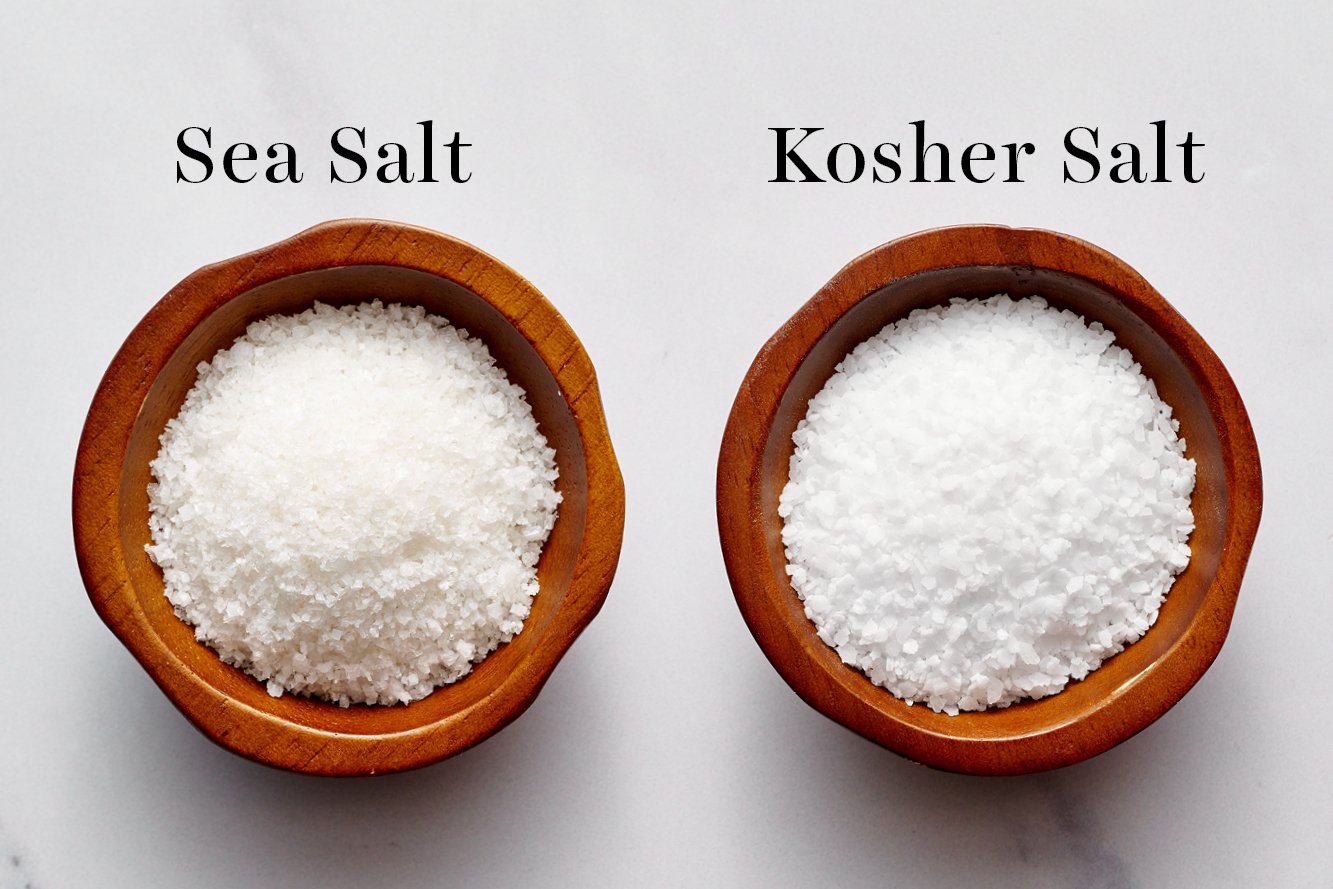
Kosher salt’s brand identity is intrinsically linked to its unique physical properties and the practical applications it enables. Its large, flat, and often irregular crystal structure is not merely an aesthetic choice but a deliberate functional design that drives its market positioning. This particular morphology contributes to its brand association with superior control during seasoning, as the larger flakes are easier to pick up and sprinkle by hand, providing a tactile experience valued by culinary professionals and home cooks alike.
The “kosher” in its name, while originating from its use in the koshering process (drawing blood from meat), has transcended its religious roots to become a secular brand descriptor. For many consumers, “kosher salt” signifies a specific type of salt rather than a religiously certified product. Its brand promise centers on consistency, solubility, and purity. Manufacturers often emphasize its additive-free nature (absence of iodine, anti-caking agents in many varieties) as a mark of purity, positioning it as a “cleaner” alternative for those who seek unadulterated flavor. The brand’s strength lies in its practical utility and its adoption by professional chefs, who often serve as powerful, organic brand advocates, reinforcing its image as a reliable, high-performance ingredient. This professional endorsement establishes kosher salt as a trusted “tool of the trade,” a brand attribute highly valued by the discerning culinary audience.
Sea Salt: A Brand Rooted in Origin and Terroir
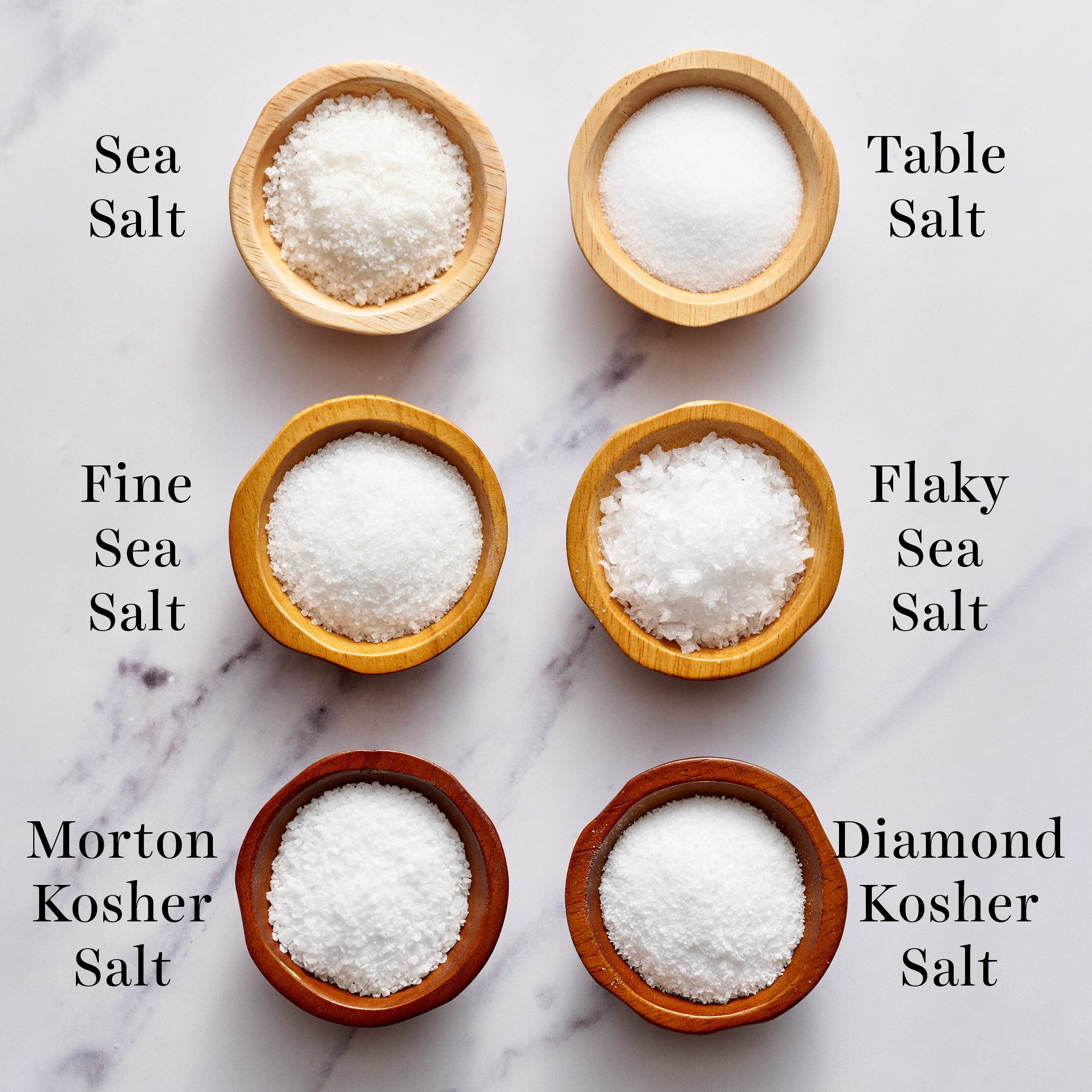
Sea salt, in stark contrast, builds its brand identity on a narrative of origin, authenticity, and natural purity. Its story begins with its source: the ocean. This immediate connection to nature evokes images of pristine waters and traditional harvesting methods, imbuing sea salt with a romanticism that conventional table salt or even kosher salt often lacks. The brand promise of sea salt is inherently tied to its “natural” qualities and its perceived artisanal heritage.
The production process of sea salt, typically involving evaporation of seawater, often results in a complex mineral profile beyond just sodium chloride. These trace minerals—magnesium, calcium, potassium—are frequently highlighted as key brand differentiators, suggesting a more nuanced flavor profile and, for some brands, perceived health benefits. This emphasis on natural composition and “terroir” allows sea salt brands to command premium pricing and appeal to a gourmet market segment. Different geographical origins—Celtic sea salt, Fleur de Sel from France, Hawaiian sea salt—each become sub-brands with their own unique stories, crystal structures, and flavor nuances, further segmenting the market and allowing for specialized branding efforts. The brand strategy for sea salt often focuses on storytelling, showcasing picturesque harvesting locations, sustainable practices, and the distinct characteristics imparted by the specific ocean source, cultivating an image of a premium, experiential ingredient.
Crafting Market Perception: Leveraging Distinctive Attributes
The inherent differences between kosher and sea salt provide fertile ground for strategic marketing and branding efforts. Companies selling these products expertly leverage their unique attributes to cultivate distinct market perceptions, establish emotional connections with consumers, and differentiate themselves in a competitive landscape.
Marketing the “Kosher” Distinction
The marketing of kosher salt often goes beyond its religious certification, although that historical association remains a subtle part of its branding. The primary focus is on its functional excellence. Brands emphasize the large, coarse flakes as ideal for tasks like brining, curing, and general seasoning because of their excellent solubility and the control they offer over application. Packaging frequently features imagery of professional kitchens, hands sprinkling salt, or food photography that highlights even seasoning, reinforcing its image as a chef-preferred ingredient.
The “additive-free” claim is a significant marketing tool, appealing to consumers who are increasingly wary of synthetic ingredients. This positions kosher salt as a “purer” alternative, even for those not strictly adhering to dietary laws. Furthermore, the accessibility and relatively consistent pricing of kosher salt, despite its premium attributes, allows brands to position it as a high-quality, everyday staple. Its brand strategy often targets home cooks who aspire to professional-level cooking, offering an approachable yet sophisticated ingredient that elevates their culinary endeavors. The consistency across different brands of kosher salt also builds consumer trust, as the experience is largely predictable, fostering loyalty through reliable performance.
Branding the “Sea” Experience
Branding for sea salt is a masterclass in evoking sensory experiences and aspirational lifestyles. Marketers meticulously craft narratives around the salt’s origin—whether it’s hand-harvested from ancient salt pans, evaporated by the sun on remote coastlines, or infused with regional botanicals. This artisanal narrative is crucial for justifying its premium price point and differentiating it from more industrial salt varieties. Packaging plays a pivotal role, often featuring earthy tones, natural textures, and imagery that conveys tradition, craftsmanship, and natural beauty.
The emphasis on unique mineral profiles is another key branding strategy. Brands highlight how trace minerals contribute to a more complex, nuanced flavor, positioning sea salt as a “finishing salt” – an ingredient to be savored rather than merely used for basic seasoning. This “gourmet” positioning targets consumers who view cooking as an art form and seek ingredients that offer distinct sensory contributions. Moreover, some sea salt brands subtly leverage the “natural” halo effect, implying health benefits from the trace minerals, though scientific evidence for significant health impacts is often limited. This perceived naturalness appeals to health-conscious consumers and those seeking products free from processing. The brand promise of sea salt is often about elevating the dining experience, transforming a simple dish into something extraordinary through the subtle magic of a unique, naturally sourced ingredient.
Consumer Psychology and Brand Loyalty in the Salt Market
The distinct branding strategies for kosher and sea salt tap into different facets of consumer psychology, cultivating specific types of brand loyalty and preference based on culinary identity, values, and desired experiences.
The Culinary Professional’s Brand Choice
For culinary professionals, salt is not just an ingredient; it’s a fundamental tool. Their brand loyalty to kosher salt stems from its consistent performance and ease of use in high-volume, precision-focused environments. The larger crystal size offers unparalleled control when seasoning, crucial for professional applications where consistency is paramount. Chefs often become organic brand advocates for specific brands of kosher salt, not out of emotional attachment, but due to its functional reliability and cost-effectiveness for bulk use. This brand loyalty is driven by practical utility and trust in consistent results. The brand becomes synonymous with efficiency, precision, and foundational flavor building, making it an indispensable part of their professional toolkit. This strong endorsement from experts naturally influences home cooks aspiring to culinary excellence, further solidifying kosher salt’s brand image as the “chef’s choice.”
The Gourmet Consumer’s Quest for Authenticity
The gourmet consumer, often driven by a quest for authenticity, unique experiences, and high-quality ingredients, is the primary target for sea salt brands. Their brand loyalty is often emotional and experiential, valuing the story, origin, and perceived purity of the salt as much as its taste. For this segment, sea salt is more than just sodium chloride; it’s a connection to tradition, a taste of a specific place, and an expression of their culinary philosophy. They are willing to pay a premium for artisanal, small-batch, or regionally specific sea salts, viewing these purchases as an investment in a superior dining experience.
This consumer segment often uses sea salt as a “finishing salt,” appreciating its texture and subtle flavor nuances as a final flourish to a dish. Their brand preference is influenced by packaging aesthetics, sustainability claims, and the broader lifestyle narrative presented by sea salt brands—one of mindful consumption, culinary exploration, and a connection to nature. For them, sea salt isn’t just a seasoning; it’s a culinary statement, reflecting a sophisticated palate and a commitment to quality ingredients.
Strategic Positioning: Differentiating in a Commodity Market
In a market often perceived as a commodity, the strategic positioning of kosher and sea salt demonstrates how differentiation, even for a basic ingredient, can create distinct value propositions and capture diverse consumer segments.
Identifying Target Audiences for Each “Brand”
The primary differentiator between kosher and sea salt lies in their target audience. Kosher salt brands primarily target general consumers and culinary professionals seeking a reliable, versatile, and cost-effective bulk seasoning. Its brand messaging emphasizes functionality, purity, and control, appealing to those who value practicality and consistency in their everyday cooking. It aims for broad market accessibility, positioning itself as the ideal all-purpose salt for a wide range of culinary applications, from brining to baking.
Sea salt brands, conversely, meticulously target the gourmet, health-conscious, and discerning consumer. Their positioning is premium, focusing on niche appeal rather than mass market penetration. Messaging highlights unique origins, artisanal production, complex flavor profiles, and perceived natural benefits. This strategy cultivates a perception of exclusivity and specialty, attracting consumers willing to invest more for an ingredient that offers a unique story, an elevated sensory experience, or aligns with their lifestyle values. The differentiation strategy is clear: one aims for the indispensable pantry staple, the other for the occasional indulgence or signature ingredient.
The Evolution of Salt Branding
The journey of salt from an undifferentiated commodity to a category with specialized “brands” like kosher and sea salt reflects a broader trend in consumer packaged goods. Decades ago, salt was salt. Today, sophisticated branding strategies have carved out distinct niches, transforming a basic necessity into a product with varied perceived values and uses. This evolution has been driven by several factors: increased consumer education, a growing interest in food origins and preparation, and a desire for “cleaner” labels and artisanal products.
The future of salt branding is likely to see further innovation. This could include a focus on sustainability, ethical sourcing, or even personalized salt blends tailored to specific dietary needs or flavor preferences. As consumers become more sophisticated and demand greater transparency and personalization from brands, the distinction between “just salt” and a carefully branded culinary ingredient will only grow. Both kosher and sea salt have successfully demonstrated that even the simplest ingredients can be transformed into compelling brands through strategic storytelling, clear differentiation, and a deep understanding of consumer aspirations.
aViewFromTheCave is a participant in the Amazon Services LLC Associates Program, an affiliate advertising program designed to provide a means for sites to earn advertising fees by advertising and linking to Amazon.com. Amazon, the Amazon logo, AmazonSupply, and the AmazonSupply logo are trademarks of Amazon.com, Inc. or its affiliates. As an Amazon Associate we earn affiliate commissions from qualifying purchases.