
The discerning eye often differentiates between crystal and glass, but beyond aesthetic appeal, the distinction carries significant financial implications for both consumers and businesses. While visually similar, their fundamental composition, manufacturing processes, and market positioning lead to vast differences in cost, value, durability, and investment potential. Understanding these nuances is crucial for making informed financial decisions, whether you’re a collector, a retailer, or simply furnishing your home.
The Cost of Composition: Raw Materials and Production Efficiency
The primary differentiator between crystal and glass lies in their chemical composition, which directly influences production costs and ultimately, market price. Regular glass, often referred to as soda-lime glass, is composed primarily of silica (sand), soda ash (sodium carbonate), and lime (calcium oxide). These materials are abundant and relatively inexpensive, making soda-lime glass an economical choice for everyday items. Its melting point is high, requiring significant energy, but the raw material cost keeps the overall price low.
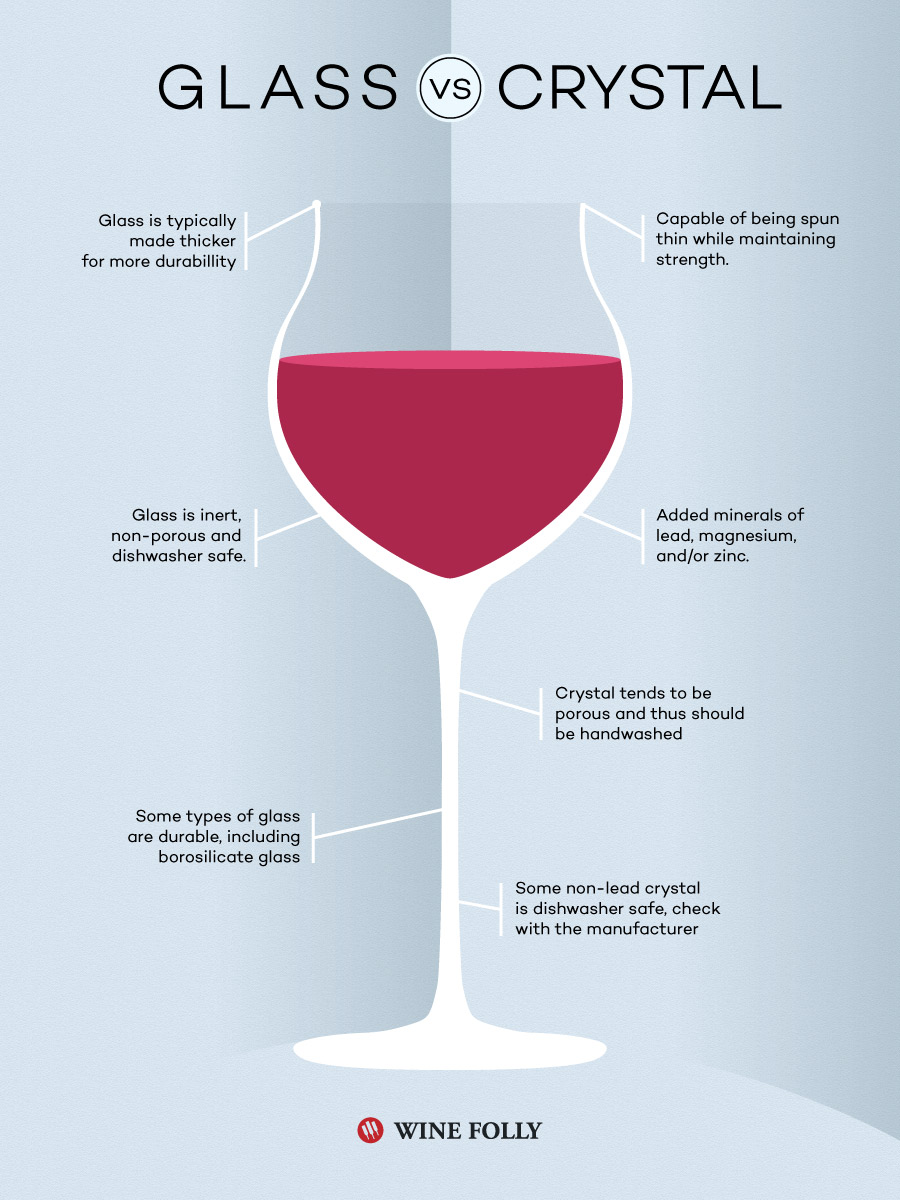
Crystal, on the other hand, traditionally incorporates lead oxide, or in modern lead-free alternatives, other metal oxides like barium, zinc, or potassium. The addition of lead oxide (or its substitutes) serves several purposes: it lowers the melting point of the silica, making the molten material more workable; it increases the density, giving crystal its characteristic weight; and crucially, it enhances the refractive index, allowing crystal to sparkle more brilliantly than conventional glass.
The raw materials for crystal are inherently more expensive. Lead oxide itself is a costlier additive, and the specialized silica required might also be premium grade. Furthermore, the presence of lead demands stricter environmental and safety regulations during manufacturing, adding to operational overheads. For lead-free crystal, the substitute metal oxides also come with a higher price tag than the basic components of soda-lime glass. This initial material cost disparity is the foundational element driving the financial divergence between the two.
Craftsmanship and Labor: Investing in Artistry
Beyond raw materials, the labor and artistry involved in creating crystal products significantly elevate their financial value compared to mass-produced glass. Glass manufacturing is highly mechanized. Automated processes can churn out thousands of identical glasses, bottles, or windows per hour, minimizing labor costs per unit. The speed and efficiency of these operations are a core reason for glass’s affordability.
Crystalware, conversely, often demands a much higher degree of skilled human intervention. The lower melting point and increased workability (viscosity) due to additives allow artisans to manipulate the material with greater precision and complexity. This enables techniques like hand-blowing intricate shapes, precise cutting, and delicate engraving – processes that are difficult or impossible to achieve with regular glass.
- Hand-blowing: Skilled glassblowers shape molten crystal into elegant forms, often requiring multiple artisans for a single piece. This labor-intensive process is a stark contrast to automated glass molding.
- Cutting and Polishing: The brilliance and fire of crystal are largely achieved through meticulous hand-cutting of facets. Each cut requires precision and experience to maximize light reflection and refraction. This can be an arduous process, with some intricate designs taking hours or even days to complete for a single piece. The subsequent polishing to achieve a flawless finish also adds to labor costs.
- Engraving and Etching: Decorative elements often involve hand-engraving, further increasing the artisan’s time investment and expertise.

The higher demand for specialized skills, combined with the longer production times for each individual piece, translates directly into substantially higher labor costs. For a business, this means a higher expenditure on wages and training, which must be recouped through a premium selling price. For consumers, purchasing crystal often means paying for not just the material, but for the embedded artistry and human effort – an investment in craftsmanship.
Market Positioning and Brand Value: Luxury vs. Utility
The financial differences between crystal and glass are heavily amplified by their respective market positioning. Glass typically occupies the utility and mass-market segments. It is a functional, everyday material, priced for broad accessibility and volume sales. Brands producing glass items compete on price, practicality, and basic design. Profit margins per unit might be lower, but they are compensated by high turnover.
Crystal, by its very nature, is positioned as a luxury good. Its superior aesthetics, perceived quality, and higher production costs allow brands to command premium prices. Crystal manufacturers invest heavily in building brand identity around prestige, heritage, and exclusivity. Names like Waterford, Baccarat, and Lalique are synonymous with high-end crystal, having cultivated reputations over centuries.
- Premium Pricing Strategy: Crystal brands employ premium pricing strategies, reflecting not just material and labor costs, but also the intangible value of brand recognition, design exclusivity, and perceived social status. Consumers are willing to pay more for a branded crystal item because of its association with luxury and quality.
- Target Demographics: Crystal marketing targets affluent consumers, gift-givers for special occasions (weddings, anniversaries), and collectors. This allows for higher profit margins on individual sales, even if the sales volume is lower than that of mass-market glass.
- Retail Environment: Crystal is often sold in specialized boutiques, high-end department stores, and luxury online platforms, reinforcing its premium status. This contrasts with glass, which is found in supermarkets, discount stores, and general retailers.
- Insurance and Valuation: The high monetary value of crystal pieces often necessitates specialized insurance for both retailers and private owners, a cost rarely associated with common glassware. For businesses, inventory of high-value crystal requires robust security and higher insurance premiums, impacting operational finances.
For businesses, understanding this market segmentation is vital for financial planning – from inventory management and marketing budgets to pricing strategies and profit forecasting. For consumers, the choice between crystal and glass often boils down to whether one is seeking functional utility at a low cost, or a statement piece with significant aesthetic and potential investment value.

Investment, Collectibility, and Resale Value
Perhaps one of the most compelling financial arguments for differentiating crystal from glass lies in their respective potential as investments or collectible items. Generally, common glass holds very little to no resale value beyond its initial purchase price, often depreciating rapidly if used. It’s bought for its immediate utility or decorative purpose, not as an asset.
Crystal, particularly from renowned manufacturers or limited editions, can represent a tangible asset with appreciating value over time.
- Durability and Longevity: The inherent strength and resistance to scratching (due to higher density) mean well-cared-for crystal retains its pristine condition longer than glass, crucial for maintaining value. Its brilliance doesn’t fade, contributing to its enduring appeal.
- Collectibility: Certain crystal pieces, especially antique items, limited production runs, or those from celebrated designers, are highly sought after by collectors. The market for fine crystal collectibles is robust, driven by rarity, craftsmanship, and brand prestige.
- Heirloom Potential: High-quality crystal is often passed down through generations, becoming family heirlooms. This intergenerational transfer of value underscores its enduring worth, a characteristic rarely attributed to standard glass.
- Secondary Market: There is a significant secondary market for pre-owned crystal, encompassing auction houses, specialized dealers, and online platforms. The prices in this market can fluctuate based on demand, condition, and rarity, but many pieces hold or even increase their value. This stands in stark contrast to the negligible secondary market for used everyday glassware.
For individuals looking to invest in tangible assets or acquire items with potential long-term value, crystal offers a more viable option than glass. For businesses dealing in luxury goods, crystal provides a product line that can command high margins, appeal to discerning customers, and potentially appreciate, making it a valuable part of their financial portfolio and brand identity. The financial decision to purchase crystal often transcends immediate utility, leaning instead towards a long-term acquisition with aesthetic pleasure and potential monetary returns.
aViewFromTheCave is a participant in the Amazon Services LLC Associates Program, an affiliate advertising program designed to provide a means for sites to earn advertising fees by advertising and linking to Amazon.com. Amazon, the Amazon logo, AmazonSupply, and the AmazonSupply logo are trademarks of Amazon.com, Inc. or its affiliates. As an Amazon Associate we earn affiliate commissions from qualifying purchases.