
Understanding the precise distinctions between burglary and robbery is not merely an academic exercise in legal terminology; it holds profound implications for personal finance, business operations, and the efficacy of asset protection strategies. While both involve the unlawful taking of property, their fundamental differences dictate everything from insurance coverage to the nature of preventative security investments and the potential for financial recovery. For individuals and businesses alike, clarity on these terms is essential for comprehensive financial planning and risk management.
The Core Financial and Legal Distinctions
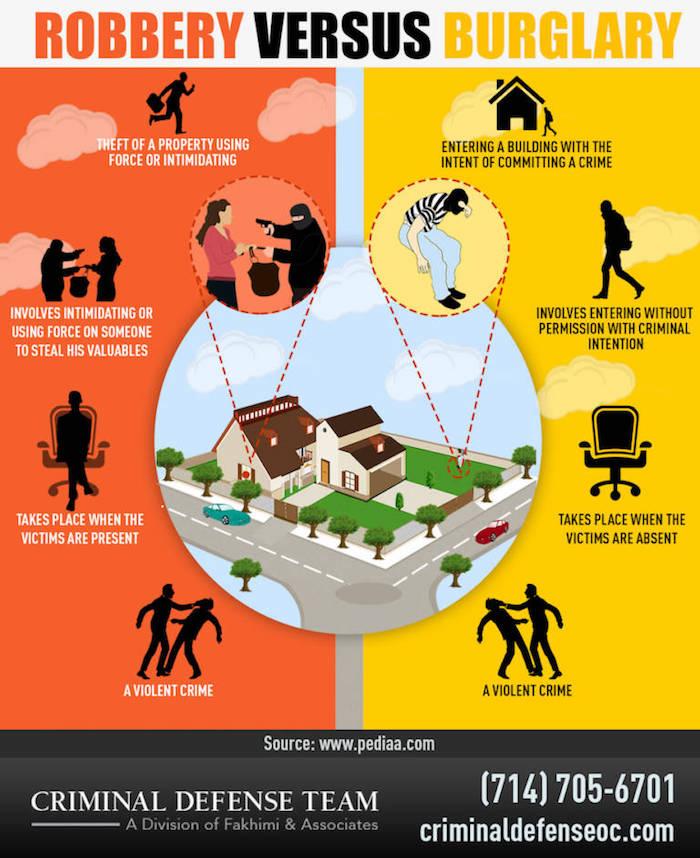
At the heart of the matter lies the presence, or absence, of a victim during the commission of the crime, and the methods employed by the perpetrator. These factors fundamentally alter the financial fallout and the avenues for recourse.

Burglary: Unauthorized Entry and Property Theft
Burglary, in its most common understanding, is a crime against property. It occurs when an individual unlawfully enters a building or dwelling with the intent to commit a crime inside, typically theft. The critical elements are unauthorized entry and criminal intent; the victim does not need to be present or confronted for a burglary to occur.
- Financial Impact Characteristics:
- Direct Asset Loss: This is the most immediate financial consequence, involving stolen valuables such as electronics, jewelry, cash, or inventory from a business. The value of these items constitutes a direct hit to net worth or business assets.
- Property Damage: Burglars often cause damage during entry (e.g., forced doors, broken windows) or while searching for valuables, incurring repair or replacement costs for the property owner.
- Insurance Implications: Homeowners’ insurance and business property insurance policies are typically designed to cover losses from burglary, including both stolen items and property damage, up to policy limits. However, coverage amounts, deductibles, and specific exclusions (e.g., high-value items requiring separate riders) are crucial considerations.
- Security System Costs: Following a burglary, individuals and businesses often invest in enhanced security systems (alarms, cameras, reinforced locks), representing a new, sometimes significant, financial outlay aimed at future prevention.
Robbery: Theft by Force or Threat
Robbery, conversely, is a crime against a person. It involves taking money or property from another person directly, or in their immediate presence, by means of force or threats of force. The defining characteristic is the direct confrontation and coercion of a victim.
- Financial Impact Characteristics:
- Direct Asset Loss (Personal/Cash): Similar to burglary, there’s a direct loss of property, but often this involves cash, wallets, cell phones, or items immediately on a person. For businesses, this might include cash register contents or valuables taken directly from employees.
- Psychological and Emotional Costs: While not directly financial, the trauma of a robbery can lead to lost wages due to time off work, therapy expenses, and a significant decrease in productivity, especially for business owners and employees. This “human capital” cost can be substantial.
- Business Interruption: A robbery can force a business to close temporarily for police investigation, cleanup, and to allow employees to recover, leading to lost revenue and operational costs during the downtime.
- Insurance Implications: While property insurance might cover some aspects of stolen goods, general liability insurance or specific business crime policies may be more relevant for certain aspects of robbery, particularly those involving employee safety or business interruption. Personal property stolen during a robbery might fall under homeowners’ or renters’ insurance, but the ‘force or threat’ aspect can sometimes lead to different claim considerations than a simple theft.
- Enhanced Security Training: For businesses, a robbery often prompts investments in employee training for de-escalation, cash handling procedures, and heightened security protocols, adding to operational costs.
Financial Consequences for Individuals and Businesses
The distinction profoundly shapes the financial strategies required for protection, recovery, and long-term stability.
Impact on Personal Finance
For individuals, the financial fallout extends beyond the value of stolen goods. A burglary can leave homeowners with substantial repair bills, deductible payments, and the emotional toll of feeling unsafe in their own home, potentially leading to additional costs for counseling or relocation. High-value items, if not adequately insured with riders, can represent irrecoverable losses. A robbery, by its nature, introduces the direct threat to personal safety, which can have prolonged effects on mental health, leading to medical bills, lost income from missed work, and the psychological burden of replacing personal documents and financial instruments. The inconvenience and time spent resolving these issues also represent an indirect financial cost.
Impact on Business Finance
Businesses face a multi-faceted financial challenge when confronted with these crimes.
Burglary’s Business Implications
A business burglary can result in:
- Inventory Depletion: Loss of saleable goods, raw materials, or equipment, directly hitting the balance sheet and potentially disrupting supply chains.
- Operational Downtime: If critical machinery or infrastructure is damaged or stolen, the business may be unable to operate, leading to lost sales and ongoing fixed costs without revenue.
- Increased Security Costs: Post-burglary, businesses often feel compelled to upgrade security systems, hire security personnel, or implement more robust physical barriers, adding to overhead.
- Insurance Premium Hikes: A successful claim may result in higher future insurance premiums.
Robbery’s Business Implications
A business robbery carries even more acute risks due to the human element:
- Cash Loss: Immediate loss of cash from registers or safes.
- Employee Trauma and Turnover: Staff involved in a robbery may experience trauma, leading to absenteeism, reduced productivity, or even resignation, increasing recruitment and training costs.
- Reputational Damage: News of a robbery can deter customers, impacting sales and long-term brand value, especially for retail establishments.
- Legal Liability: In some cases, businesses might face legal challenges from employees or customers who were harmed during a robbery, especially if security measures were deemed inadequate.
- Psychological Safety Investment: Creating a safer environment might require increased investment in security guards, panic buttons, or a complete overhaul of cash handling procedures.
Protecting Your Assets: Prevention and Mitigation Strategies
Understanding the difference informs more effective financial strategies for security and risk management.
Tailored Security Investments
- For Burglary Prevention: Focus on physical deterrents and detection. This includes robust locks, reinforced doors and windows, sophisticated alarm systems connected to monitoring services, security cameras (CCTV) with remote access, adequate exterior lighting, and even guard dogs. For businesses, inventory management systems and secure storage for high-value items are crucial. The financial decision involves balancing the cost of these systems against the value of assets protected and potential insurance premium reductions.
- For Robbery Prevention: The emphasis shifts to personnel safety and immediate response. This includes training employees on cash handling, situational awareness, de-escalation techniques, and emergency protocols. Physical measures might involve panic buttons, security screens, limited cash on premises, time-locked safes, and security personnel. For individuals, personal safety training and awareness of surroundings are paramount. The investment here extends beyond hardware to human capital and operational procedures.
Robust Insurance Coverage
The nuanced differences between burglary and robbery underscore the necessity of thoroughly understanding insurance policies.
- Homeowners’ and Renters’ Insurance: Review personal property limits, deductibles, and whether high-value items (jewelry, art, rare collections) require specific riders for adequate coverage against theft and damage from burglary. Understand how the policy treats property taken during a robbery, especially if it occurs outside the home.
- Business Property and Casualty Insurance: Ensure policies specifically cover inventory, equipment, and property damage from burglary.
- Business Crime Insurance: This specialized policy can cover losses from various criminal acts, including employee dishonesty, forgery, and both burglary and robbery, sometimes with broader definitions than standard property policies. It’s crucial for businesses with significant cash transactions or high-value inventory.
- Business Interruption Insurance: This is vital for businesses, covering lost income and ongoing expenses if operations cease due to covered events like a robbery or extensive burglary damage.

Financial Preparedness and Recovery
Beyond prevention and insurance, financial resilience post-incident is critical.
- Emergency Funds: Individuals should maintain an emergency fund to cover deductibles, immediate repairs, and living expenses if displaced.
- Business Contingency Plans: Businesses need cash reserves or accessible lines of credit to manage immediate cash flow disruptions, replace essential equipment quickly, and manage unforeseen expenses related to crime.
- Detailed Inventories: Maintaining a meticulously documented inventory of personal and business assets (with photos, serial numbers, and purchase receipts) is invaluable for insurance claims and proving loss, significantly streamlining the financial recovery process.
- Police Reports and Documentation: Immediately filing a police report and securing a copy is a mandatory step for insurance claims. All correspondence, repair estimates, and receipts related to losses and recovery should be diligently kept.
In conclusion, distinguishing between burglary and robbery is more than a legal nicety; it is a financial imperative. Recognizing whether a crime targets property via stealth or a person via force directly influences the preventative measures one should implement, the type and scope of insurance coverage required, and the strategic financial recovery plan necessary to mitigate losses and restore stability. Armed with this understanding, individuals and businesses can make more informed decisions to safeguard their assets and financial well-being.
aViewFromTheCave is a participant in the Amazon Services LLC Associates Program, an affiliate advertising program designed to provide a means for sites to earn advertising fees by advertising and linking to Amazon.com. Amazon, the Amazon logo, AmazonSupply, and the AmazonSupply logo are trademarks of Amazon.com, Inc. or its affiliates. As an Amazon Associate we earn affiliate commissions from qualifying purchases.