
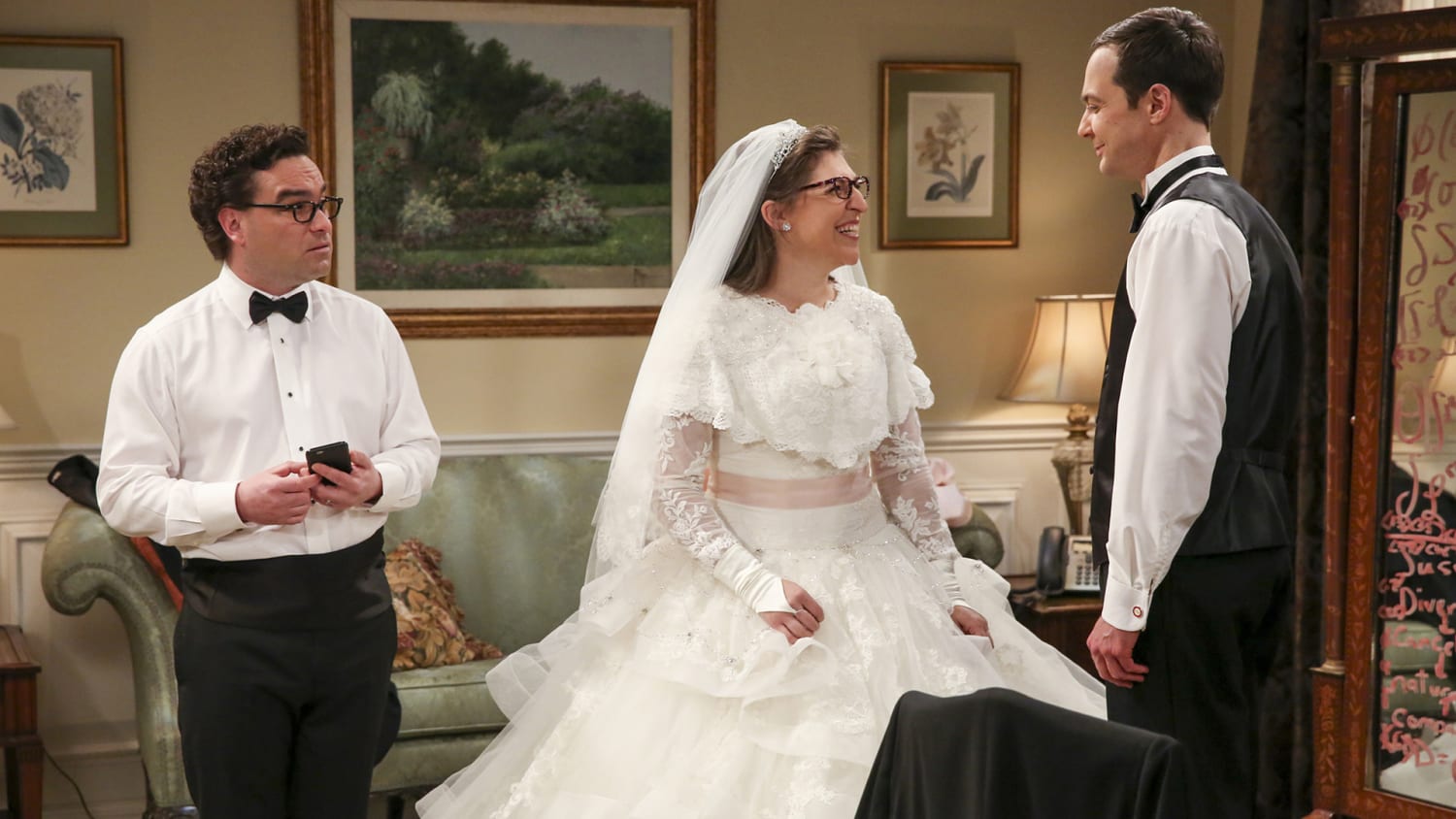
In the high-stakes world of television syndication and global entertainment, a long-running sitcom is more than just a collection of jokes; it is a meticulously managed brand. One of the most significant brand milestones in modern television history occurred in Season 11, Episode 24, titled “The Bow Tie Asymmetry.” This is the episode where the show’s most unconventional couple, Sheldon Cooper and Amy Farrah Fowler—affectionately dubbed “Shamy” by the fanbase—finally tie the knot.
While fans tuned in to see the emotional payoff of an eight-year courtship, brand strategists and media analysts viewed the event as a masterclass in audience retention, narrative positioning, and brand longevity. To understand why this specific episode remains a cultural touchstone, we must look beyond the script and analyze it through the lens of brand strategy and corporate identity.

Building a Global Sitcom Brand: The Evolution of The Big Bang Theory
The success of The Big Bang Theory (TBBT) was not an accident; it was the result of a calculated shift in brand identity. When the show premiered, its “brand promise” was centered on the friction between high-intellect “nerd culture” and mainstream social norms. However, for a brand to survive over a decade, it must evolve.
From Niche Nerd Culture to Mainstream Dominance
In its early seasons, TBBT occupied a specific niche. Its branding was built around physics, comic books, and the social ineptitude of its male leads. While this garnered a loyal following, it had a ceiling. To reach the status of a global powerhouse, the brand needed to broaden its appeal without alienating its core demographic. The introduction of Amy Farrah Fowler (Mayim Bialik) and Bernadette Rostenkowski-Wolowitz (Melissa Rauch) was a strategic “brand expansion.” It transformed the show from a “guys’ club” sitcom into a sophisticated ensemble comedy that addressed complex relationship dynamics, professional rivalries, and personal growth.
The “Shamy” Brand Identity: Why Fans Invested in Their Journey
The pairing of Sheldon and Amy was a risky brand move. Sheldon Cooper, as a character brand, was established as a rigid, asexual, and highly independent “lone wolf.” Introducing a romantic interest threatened the “integrity” of the Sheldon brand. However, the writers handled this as a slow-burn merger. By keeping the progression glacial, the creators ensured that the “Shamy” identity felt authentic rather than forced. By the time they reached their wedding in the Season 11 finale, the audience’s “emotional equity” in the relationship was at an all-time high.
The Strategy of the Milestone Episode: Season 11, Episode 24
In branding, a “Milestone Event” is a way to reward loyal customers and attract new ones through high-visibility spectacles. “The Bow Tie Asymmetry” served as the ultimate brand activation for TBBT.
“The Bow Tie Asymmetry” as a Marketing Masterclass
The title of the episode itself—referencing a scientific concept—stayed true to the show’s core brand identity while signaling a major life event. Strategically, the episode was positioned as the finale of the eleventh season. In the world of television marketing, “The Wedding Episode” is a reliable trope used to spike ratings and create “water cooler” moments. By scheduling the wedding at this juncture, the network ensured a massive lead-in for the twelfth and final season, maximizing the show’s value for advertisers and future syndication deals.

High-Value Guest Branding: Leveraging Mark Hamill and Kathy Bates
A key tactic in brand strategy is the “collab” or the “celebrity endorsement.” For this milestone episode, the showrunners brought in heavy-hitting guest stars to boost the brand’s prestige. Having Mark Hamill (an icon of geek culture via Star Wars) officiate the wedding was a genius move that bridged the gap between the fictional world of the characters and the real-world interests of the audience. Additionally, the inclusion of Kathy Bates and Teller (of Penn & Teller) added layers of comedic authority and “prestige branding,” signaling to the audience that this was an “A-list” television event.
Long-Term Brand Loyalty: How Character Arcs Sustain Viewership
For a brand to remain relevant over twelve seasons, it must deliver on its promises while surprising its consumers. The wedding of Sheldon and Amy was the fulfillment of a long-term narrative contract between the producers and the audience.
The Pivot from Static Comedy to Narrative Growth
Early sitcoms often relied on a “status quo” brand model—characters never changed, and situations reset every week. Modern brand management for long-form storytelling, however, requires “Narrative Growth.” If Sheldon had remained the same person he was in Season 1, the brand would have become stale. The wedding episode represented the ultimate “product upgrade.” It showcased a Sheldon Cooper who was still intellectually superior but now emotionally capable of commitment. This growth allowed the brand to stay fresh and relevant, proving that even the most rigid “product” can adapt to market (audience) demands.
Emotional ROI: Delivering the “Wedding” Payoff to Stakeholders
In brand terms, the fans are the stakeholders. They invest time, attention, and emotional energy into a series. The “Return on Investment” (ROI) for a fan is the emotional satisfaction of seeing a storyline resolved. Sheldon and Amy’s wedding was a high-yield dividend. By focusing the episode on the “asymmetry” of Sheldon’s bow tie—a metaphor for the beautiful imperfections in science and love—the show delivered a message that resonated deeply with its audience. This reinforced brand loyalty, ensuring that fans would not only watch the final season but also continue to consume the brand through streaming services like Max (formerly HBO Max) for years to come.
Lessons for Modern Brands: Authenticity and Consistency
The trajectory of The Big Bang Theory leading up to Sheldon and Amy’s wedding offers several valuable insights for brand managers and marketers in any industry.
Managing Brand Expectations in the Digital Age
Throughout the “Shamy” arc, the showrunners faced immense pressure from fans on social media. Some wanted the characters to move faster; others wanted them to stay the same. The lesson here is the importance of “Brand Integrity.” The producers didn’t rush the wedding to satisfy a temporary trend. They stayed true to the characters’ internal logic. For a brand, this means knowing your “Core Values” and not compromising them for short-term gains. Authenticity is the most valuable currency in the modern market, and the slow evolution of Sheldon and Amy is a testament to the power of a well-paced brand strategy.
The Legacy Effect: Syndication and Brand Longevity
The wedding episode serves as a “tentpole” in the show’s syndication library. When a show enters the “Legacy” phase of its brand lifecycle, certain episodes become iconic anchors. “The one where Sheldon gets married” is a searchable, recognizable, and highly rewatchable asset. In the digital landscape, where content is often fragmented, having these “Brand Anchors” is essential for long-tail profitability. It ensures the brand remains a “Premium Experience” in the minds of viewers, even years after the final curtain call.
In conclusion, Season 11, Episode 24 of The Big Bang Theory is far more than just the answer to a trivia question. It is the culmination of a decade-long branding journey. By evolving its characters, leveraging strategic partnerships, and delivering a high-quality emotional payoff, the show solidified its place as a dominant force in the global entertainment market. Whether you are a fan of the “Shamy” romance or a brand strategist looking for lessons in audience engagement, the wedding of Sheldon and Amy stands as a shining example of how to execute a milestone event with precision, authenticity, and enduring impact.
aViewFromTheCave is a participant in the Amazon Services LLC Associates Program, an affiliate advertising program designed to provide a means for sites to earn advertising fees by advertising and linking to Amazon.com. Amazon, the Amazon logo, AmazonSupply, and the AmazonSupply logo are trademarks of Amazon.com, Inc. or its affiliates. As an Amazon Associate we earn affiliate commissions from qualifying purchases.