
The landscape of FDM 3D printing is continuously evolving, driven by innovations that refine print quality, enhance user experience, and expand creative possibilities. Among the recent advancements that have captured the attention of the 3D printing community is the “Bambu 3D Effect Sheet.” Far from being a mere aesthetic accessory, this component represents a subtle yet significant technological refinement designed to improve both the visual outcome and the practical aspects of 3D printing. Understanding what the Bambu 3D effect sheet is requires a dive into its fundamental design, its functional purpose, and its integration within the broader Bambu Lab ecosystem.

Unpacking the Innovation: What Exactly Is It?
At its core, the Bambu 3D effect sheet is a specialized build plate surface designed for Bambu Lab 3D printers, engineered to impart unique textural and visual characteristics to the bottom layer of 3D prints. Unlike standard smooth or PEI (Polyetherimide) textured plates, which offer a consistent matte or glossy finish, the 3D effect sheet is characterized by a finely patterned surface that creates a distinct visual effect on the first layer of printed objects.
The Core Technology: Micro-texture Surfaces
The innovation lies in the precisely engineered micro-texture applied to the sheet’s surface. This texture is not arbitrary; it is a meticulously designed pattern, often involving small, repeating geometric shapes or randomized organic structures, etched or coated onto a flexible spring steel plate. When the molten filament is extruded onto this surface, it flows into and around these micro-features, solidifying to mirror the exact pattern. The result is a bottom surface of the 3D print that exhibits a noticeable “depth” or “patterned” effect, which can range from a subtle shimmering to a more pronounced, almost lenticular appearance, depending on the specific sheet and filament used.
Purpose and Functionality
Beyond aesthetics, the 3D effect sheet serves several critical functions:
- Aesthetic Enhancement: This is the most immediately apparent purpose. It allows users to produce prints with a factory-like finish on their first layer, elevating the perceived quality and uniqueness of the printed object without requiring post-processing.
- Improved First Layer Adhesion: While seemingly counterintuitive for a textured surface, the carefully designed micro-patterns can often improve the mechanical interlocking between the molten plastic and the build plate, leading to more consistent and reliable first-layer adhesion, particularly for certain filament types.
- Ease of Print Removal: Like other flexible spring steel plates, the 3D effect sheet allows for effortless removal of prints simply by flexing the plate once it has cooled. This minimizes the risk of damaging prints or the build surface during removal, a common frustration with rigid build plates.
- Durability and Longevity: Constructed from robust spring steel and coated with specialized materials, these sheets are designed to withstand repeated heating and cooling cycles, as well as the mechanical stresses of printing and print removal, offering a long operational lifespan.
Enhancing Print Quality and Aesthetics
The true value of the Bambu 3D effect sheet manifests in its ability to significantly enhance both the visual appeal and the underlying quality of 3D prints. It transforms a typically mundane aspect of 3D printing—the first layer—into a canvas for distinctive design.
Visual Impact: Beyond the Standard Finish
Traditional build plates often leave a smooth, glossy, or uniformly matte finish on the first layer. While perfectly functional, these finishes lack character. The 3D effect sheet breaks this mold by imbuing prints with an intrinsic pattern and texture. Imagine a phone case with a subtly shimmering base, a decorative coaster with an intricate geometric bottom, or a functional part with a premium, almost injection-molded feel. This optical effect can vary depending on the angle of light, the color of the filament, and even the infill pattern within the first few layers. Darker, opaque filaments tend to highlight the pattern more dramatically, while translucent filaments can create a sense of depth and luminosity. This elevates the aesthetic value of prints, making them appear more professional and thoughtfully designed from all angles.
The Science of Adhesion: Why Texture Matters
Good first-layer adhesion is the bedrock of a successful 3D print. Poor adhesion leads to warping, lifting, and ultimately, print failure. The micro-textured surface of the Bambu 3D effect sheet, while primarily aesthetic, also plays a crucial role in improving adhesion. The minute indentations and peaks on the surface create a greater surface area for the molten plastic to bond with. When the filament is extruded, it not only adheres chemically but also mechanically “grips” into the textured pattern. This mechanical interlocking provides a strong anchor for the print, reducing the likelihood of detachment during the printing process. This is particularly beneficial for materials known to be prone to warping, such as ABS or certain PETG formulations, as it helps counteract the internal stresses that develop as these materials cool.
Minimizing Warping and Imperfections
Warping occurs when differential cooling causes parts of a print to contract and lift from the build plate. By providing a superior and more evenly distributed adhesion across the entire first layer, the 3D effect sheet helps to mitigate these forces. The strong bond prevents the edges or corners from peeling up, ensuring the print remains flat and true to its intended geometry throughout the print job. Furthermore, the textured surface can cleverly hide minor first-layer imperfections that might be glaringly obvious on a perfectly smooth surface. Slight over-extrusion or minor inconsistencies in bed leveling become less noticeable against the backdrop of the intentional pattern, leading to a higher perceived quality even if the initial setup isn’t absolutely perfect.
Practical Applications and Benefits for Users
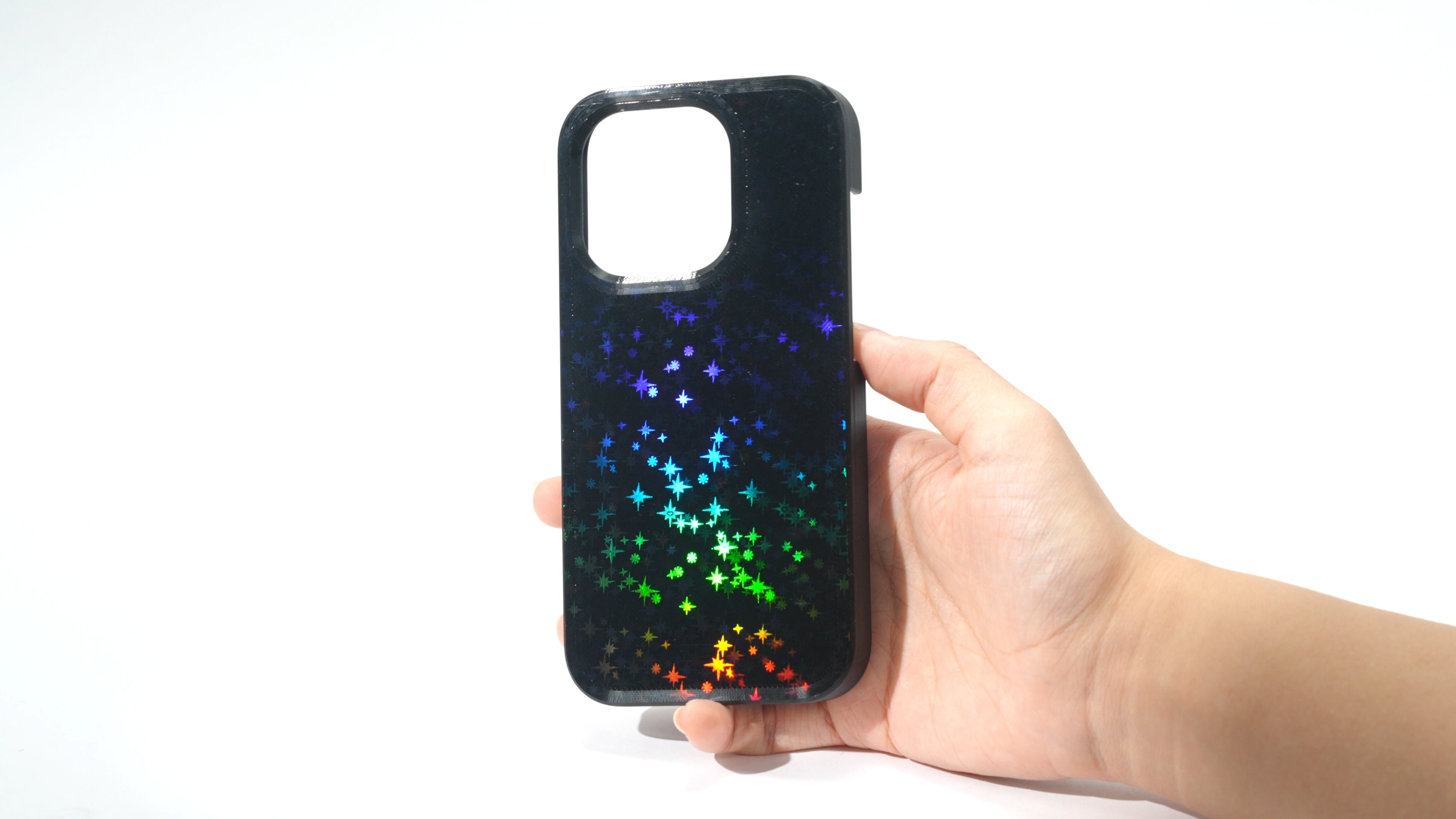
The implementation of the Bambu 3D effect sheet brings tangible benefits to a wide range of 3D printing users, from hobbyists to professional designers, impacting workflow, creative output, and the longevity of equipment.
Ease of Use and Maintenance
One of the standout features of the Bambu Lab ecosystem is its emphasis on user-friendliness, and the 3D effect sheet aligns perfectly with this philosophy. The flexible spring steel plate design ensures that removing prints is incredibly simple: once the plate cools, a gentle flex is usually all it takes for the print to pop off. This eliminates the need for scrapers or excessive force, which can damage both the print and the build surface. Maintenance is also straightforward; a simple wipe with isopropyl alcohol (IPA) between prints is often sufficient to keep the surface clean and maintain optimal adhesion properties. This ease of use significantly reduces the barrier to entry for new users and streamlines the workflow for experienced professionals.
Expanding Creative Possibilities
For designers and makers, the 3D effect sheet opens up new avenues for creativity. The ability to impart a unique, patterned texture to the bottom surface of a print means that designers no longer have to consider this face as merely functional but can integrate its appearance into the overall design. This can be used to:
- Add brand identity: Incorporate subtle patterns that resonate with a brand’s aesthetic.
- Enhance decorative items: Make coasters, signs, or ornaments more visually appealing.
- Improve functional parts: Give a premium look and feel to enclosures, tool handles, or prototypes.
- Differentiate products: Create unique characteristics for items produced in small batches.
This feature allows for a level of detail and finish that was previously only achievable through post-processing steps like sanding, painting, or applying decals, thereby saving time and effort while maintaining high quality.
Longevity and Durability Considerations
The Bambu 3D effect sheets are engineered for durability. Made from spring steel, they are highly resistant to bending and deformation. The specialized coating, which creates the 3D effect, is designed to withstand the thermal cycles of printing (repeated heating to high temperatures and cooling) and the mechanical stresses of print adhesion and removal. However, like all build surfaces, proper care is essential. Avoiding abrasive tools for print removal, regularly cleaning with appropriate solvents (like IPA), and ensuring correct Z-offset settings (to prevent nozzle drag) will significantly extend the lifespan of the sheet. With good care, these sheets can endure hundreds, if not thousands, of print hours, making them a cost-effective investment for enhancing print quality over time.
Integrating with the Bambu Lab Ecosystem
The Bambu 3D effect sheet is not a standalone product but an integral part of the Bambu Lab 3D printing ecosystem, designed for seamless compatibility and optimal performance with their range of printers.
Compatibility with Bambu Lab Printers
These sheets are specifically designed to fit the build plate dimensions and heating bed systems of Bambu Lab printers, such as the P1P, P1S, A1, A1 Mini, and X1 series. The magnetic base of Bambu Lab printers allows for quick and easy swapping of different build plates, making it simple to switch between a smooth PEI, textured PEI, or the 3D effect sheet depending on the desired finish or filament. This plug-and-play functionality ensures that users can leverage the unique benefits of the 3D effect sheet without any complex modifications or setup.
Optimizing Settings for Best Results
While the 3D effect sheet is largely “set it and forget it” in terms of physical installation, achieving the best possible results requires some attention to slicer settings. Key parameters include:
- First Layer Z-Offset: A precisely calibrated Z-offset is crucial. Too high, and the filament won’t press into the texture effectively; too low, and the nozzle might scrape the coating.
- First Layer Speed: Printing the first layer at a slower speed (e.g., 15-30 mm/s) allows the filament more time to flow into the micro-textures and adhere properly.
- First Layer Temperature: Optimizing bed temperature for the specific filament being used ensures good adhesion and proper flow into the texture.
- First Layer Line Width/Extrusion Multiplier: Slight adjustments might be necessary to ensure complete coverage of the texture without over-extruding.
Bambu Lab often provides recommended settings within their Bambu Studio slicer profiles, offering an excellent starting point for users to fine-tune for their specific filaments and desired effects.

Future Implications and Community Adoption
The introduction of specialized build plates like the 3D effect sheet signals a broader trend in 3D printing: the pursuit of refined aesthetics and specialized functionalities directly at the point of print. As 3D printers become more accessible and sophisticated, the focus shifts beyond just successful prints to truly professional and visually appealing outputs. The community’s adoption of such innovations drives further development, potentially leading to an even wider array of patterned or functionally enhanced build surfaces in the future. The Bambu 3D effect sheet stands as a testament to how even seemingly small components can significantly impact the overall quality and creative potential of modern 3D printing.
aViewFromTheCave is a participant in the Amazon Services LLC Associates Program, an affiliate advertising program designed to provide a means for sites to earn advertising fees by advertising and linking to Amazon.com. Amazon, the Amazon logo, AmazonSupply, and the AmazonSupply logo are trademarks of Amazon.com, Inc. or its affiliates. As an Amazon Associate we earn affiliate commissions from qualifying purchases.