
The question of a chicken’s average life expectancy might seem purely biological at first glance, but for anyone involved in backyard homesteading, commercial poultry farming, or even considering a chicken-related side hustle, this number carries significant financial weight. Understanding how long a chicken is likely to live directly impacts budgeting, return on investment (ROI), operational planning, and potential income streams. While a pet chicken might live 8-10 years, the economic lifespan – the period during which a chicken is most productive and profitable – is often much shorter, and this distinction is critical for financial planning.

The Economic Lifespan vs. Biological Lifespan: A Financial Crossroads
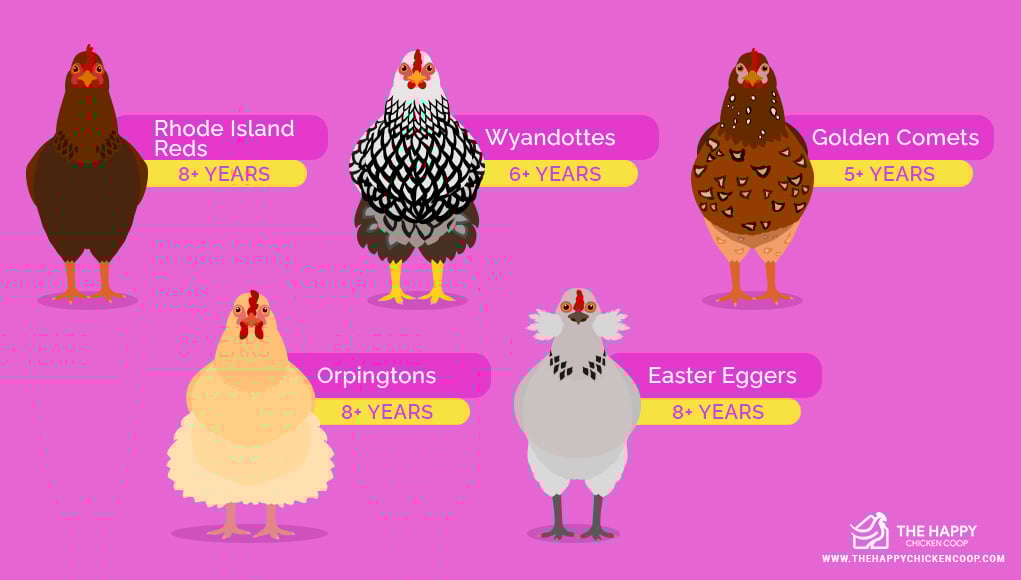
When discussing chicken life expectancy from a financial perspective, it’s crucial to differentiate between a chicken’s biological potential and its economic viability. Biologically, many heritage breeds, and even some commercial layers, can live for 5-10 years, with some rare individuals reaching 12-15 years. However, their peak productivity, especially for egg or meat production, occurs within a much narrower window. This economic lifespan is what truly dictates financial decisions for individuals and businesses alike.
Factors Influencing Longevity and Profitability
Several key factors determine how long a chicken lives and, more importantly, how long it remains a financially productive asset:
- Breed: Different breeds are genetically predisposed to different lifespans and productivity curves. Heritage breeds often live longer but may have lower egg production rates than commercial hybrids. Broiler breeds, optimized for rapid growth, have extremely short lifespans, measured in weeks rather than years, reflecting their singular purpose in the meat industry.
- Care and Environment: Optimal nutrition, clean housing, access to fresh water, and protection from predators and extreme weather significantly extend both biological and economic lifespans. Poor care leads to stress, disease, and premature death, representing a direct financial loss.
- Purpose: A chicken kept primarily as a pet will receive different care and have different expectations than a layer hen in a commercial facility or a backyard flock, where productivity is paramount.
- Disease Management: Biosecurity measures, vaccination programs, and prompt treatment of illnesses are vital investments that prevent widespread losses and maintain flock health, thus preserving financial assets.
For instance, a commercial layer hen (e.g., a Leghorn hybrid) might live 3-5 years if kept as a pet, but its economic laying life is typically considered to be 18-24 months of peak production. After this, egg numbers decline, and the hen may be culled and replaced to maintain efficiency and profitability. This strategic culling is a cold, hard financial decision, not a biological necessity.
Financial Planning for Backyard Flocks: Maximizing Savings and Value
For those maintaining a backyard flock, understanding chicken life expectancy translates directly into personal finance decisions, primarily around savings on groceries and the cost-benefit analysis of owning chickens.
Calculating Return on Investment (ROI) from Egg Production
A primary driver for many backyard chicken owners is fresh eggs. To assess the financial viability, one must calculate the ROI. This involves:
- Initial Investment: Cost of chicks/pullets, coop construction/purchase, feeders, waterers, and initial feed supply.
- Ongoing Costs: Daily feed, bedding, grit, oyster shell, occasional veterinary care, and electricity for coop lights/heaters in winter.
- Egg Output: A good layer might produce 200-300 eggs per year during her peak. Knowing that her peak production might last 2-3 years, and then decline significantly, allows for a more realistic projection of egg yield over her economic life.
- Value of Eggs: Compare the cost of store-bought eggs to the “cost” of producing your own (total annual expenses divided by annual egg count).
If a hen has a peak laying lifespan of two years and then significantly drops off, replacing her strategically can maintain a consistent egg supply and optimize the financial benefit. Holding onto non-productive hens might be emotionally satisfying, but it incurs ongoing feed costs without the equivalent return in eggs, thereby reducing the overall financial efficiency of the flock.
Long-Term Budgeting and Replacement Costs
Chickens, like any asset, have a depreciating value in terms of productivity. Financial planning for a backyard flock should include:
- Feed Budgeting: This is the largest ongoing expense. Knowing the average productive lifespan helps in projecting feed costs over several years for a given number of laying hens.
- Replacement Fund: Just as you save for car repairs or appliance replacements, a small fund for replacing older hens or acquiring new pullets is prudent. If a hen costs $20 and eats $50 of feed a year, and lays for 2-3 profitable years, you need to budget for her replacement at the appropriate time to ensure continuity of egg supply without a sudden, unplanned expenditure.
- Preventive Healthcare: Investing in good biosecurity and recognizing signs of illness early can prevent larger veterinary bills or, worse, the loss of multiple birds, which impacts your egg supply and, consequently, your savings.
Commercial Poultry Operations: A Business of Precision and Cycles

For commercial farms, whether raising broilers for meat or layers for eggs, life expectancy is not an average; it’s a meticulously managed cycle directly tied to business finance, cash flow, and profitability. Every day a chicken lives beyond or below its optimal economic lifespan has a direct impact on the bottom line.
Broiler Production: A Short, Intensive Cycle
Broiler chickens are bred for rapid growth and efficiency in converting feed to meat. Their “life expectancy” is typically 6-9 weeks. This ultra-short lifespan is central to the financial model:
- Fixed Turnaround: Farms operate on tight schedules, with batches of chicks arriving and leaving on fixed cycles. Delays or early losses disrupt cash flow and facility utilization.
- Feed Conversion Ratio (FCR): A key financial metric, FCR measures how much feed is required to produce a kilogram of meat. Broiler breeds are optimized for the best FCR within their short lifespan. Extending their life significantly increases feed costs per unit of meat, making them unprofitable.
- Capital Expenditure vs. Throughput: Investments in housing, ventilation, and automation are amortized over many production cycles within a year, making the efficiency of each cycle paramount for ROI.
Layer Operations: Sustained Productivity and Strategic Culling
Commercial layer operations aim for sustained, high-volume egg production. While layer breeds can live longer, their economic life is often managed for peak output.
- Production Cycles: Layers typically enter their first laying cycle around 18-22 weeks of age and produce heavily for 12-18 months. Production then naturally declines.
- Molt and Second Cycle: Some farms induce a molt to get a second, albeit slightly less productive, laying cycle. This decision is a financial calculation: is the cost of managing the molt (feed during non-laying, management) less than the revenue from the eggs produced in the second cycle compared to the cost of replacing the flock entirely?
- Depreciation of Assets: Each hen is a biological asset. Its value depreciates as its productivity declines. Financial models account for the replacement cost of flocks at regular intervals to maintain target egg production levels.
- Biosecurity Investment: With thousands of birds, a disease outbreak can wipe out an entire flock, leading to catastrophic financial losses. Extensive biosecurity protocols are a significant operational cost, but a necessary insurance policy for the business.
Chickens as a Side Hustle or Online Income Stream
The concept of chicken life expectancy also factors into various side hustles and entrepreneurial ventures related to poultry, influencing pricing, inventory, and long-term business viability.
Selling Eggs and Live Birds
For small-scale entrepreneurs selling eggs locally, the productive lifespan of their hens dictates their sustained income. A diverse flock with hens at different stages of their laying careers can help ensure a consistent supply.
- Pricing Strategy: The cost of feed over a hen’s economic lifespan, combined with initial chick costs and coop expenses, helps determine a profitable price point for eggs.
- Breeding Stock: If selling chicks or fertile eggs is part of the business, the longevity and genetic quality of the breeding stock are critical investments. Healthy, long-lived parent birds reduce the frequency and cost of replacing foundational stock.
- “Retirement” Flocks: Some hobbyists sell older, less productive hens at a lower price as “retirement” chickens to those who value them as pets, creating a small additional income stream and offsetting some feed costs.
Leveraging Poultry Knowledge for Online Income
Even beyond physical products, the understanding of chicken life cycles and care can be monetized.
- Content Creation: Blogging, vlogging, or creating online courses about chicken keeping, including topics like extending flock health and productivity, can generate ad revenue, affiliate income, or course sales. Knowledge about optimal lifespans for different breeds and purposes is valuable content.
- Consulting Services: Experienced chicken keepers might offer consulting to new enthusiasts or small farms, advising on flock management, health, and how to maximize the economic lifespan of their birds.
The Holistic Financial Perspective of Chicken Ownership
Ultimately, the average life expectancy of a chicken, particularly its economic lifespan, is a foundational piece of information for any financial consideration related to poultry. It informs initial investments, ongoing operational costs, projected savings, potential revenues, and long-term financial planning.
Whether you’re a homesteader aiming to reduce your grocery bill, a commercial farmer managing a multi-million-dollar operation, or an entrepreneur building a poultry-related side hustle, understanding how long your birds are productive for allows for more accurate budgeting, strategic decision-making, and ultimately, a more financially successful venture. Ignoring this critical metric can lead to underestimated costs, overprojected returns, and suboptimal resource allocation. The chicken’s life cycle isn’t just a biological fact; it’s a financial roadmap.
aViewFromTheCave is a participant in the Amazon Services LLC Associates Program, an affiliate advertising program designed to provide a means for sites to earn advertising fees by advertising and linking to Amazon.com. Amazon, the Amazon logo, AmazonSupply, and the AmazonSupply logo are trademarks of Amazon.com, Inc. or its affiliates. As an Amazon Associate we earn affiliate commissions from qualifying purchases.