
In an increasingly globalized marketplace, understanding the nuances of a brand’s presence in different cultures is paramount. When we encounter something “in Japanese,” whether it’s a brand name, a slogan, a logo, or a marketing campaign, the question “what is that in Japanese?” often extends far beyond a simple literal translation. It delves into the rich tapestry of cultural context, strategic intent, and the subtle art of communication that shapes how a brand is perceived and embraced within one of the world’s most unique and sophisticated consumer markets. For brands looking to make an impact in Japan, or for those seeking to understand the success of Japanese brands globally, unraveling these layers is not just insightful—it’s essential for building a truly resonant corporate identity and marketing strategy.

The Art of Naming: Beyond Literal Translation
A brand name is often the first point of contact between a company and its audience, serving as a mnemonic, a promise, and a reflection of its values. In Japanese branding, the creation and interpretation of a name involve intricate considerations that stretch far beyond mere phonetics or direct English equivalents. The choice of script—Katakana, Hiragana, or Kanji—itself carries implicit meaning, influencing perception and memorability.
Sound and Symbolism in Japanese Nomenclature
Japanese brand names frequently leverage a combination of euphony, symbolism, and strategic ambiguity. For instance, many successful Japanese brands employ names that are either entirely Japanese, drawing from traditional concepts, nature, or auspicious words, or they adopt foreign words and adapt them into Katakana. When foreign words are used, the emphasis is often on how they sound to the Japanese ear rather than their literal meaning in the original language. A catchy, easy-to-pronounce Katakana name can quickly become familiar and friendly.
However, the deepest insights often come from names rooted in Japanese vocabulary. Consider “Mazda,” derived from Ahura Mazda, the god of light, but also phonetically reminiscent of the company’s founder, Jujiro Matsuda. “Toyota” was originally “Toyoda,” but the name was changed because “Toyota” (トヨタ) takes eight brush strokes, a number considered lucky in Japan, contrasting with “Toyoda” (豊田) which takes ten. This illustrates a profound respect for numerology and aesthetic balance in brand identity. Another example is “Nintendo,” often translated as “leave luck to heaven,” a philosophical approach embedded within the company’s gaming empire. These names are not just labels; they are carefully crafted narratives that resonate with cultural values and beliefs, aiming to evoke positive associations, trust, and longevity.
Case Studies: Famous Japanese Brand Names and Their Origins
Analyzing the origins of iconic Japanese brands reveals a masterclass in identity creation. “Sony,” for example, is a blend of the Latin word “sonus” (sound) and “sonny boy,” an American slang term for a bright young man. This combination was chosen because it was easy to pronounce in many languages and had no existing meaning, making it globally adaptable while still conveying a sense of innovation and youth. “Canon” stems from “Kwanon,” the Buddhist goddess of mercy, reflecting the company’s initial aspirations for producing the best camera. The English spelling was chosen for broader international appeal. These examples underscore a deliberate strategy: either to imbue the name with deep cultural significance or to craft one that transcends linguistic barriers, projecting a modern, global image while retaining a core Japanese sensibility. Understanding “what is that in Japanese” for these names is understanding a company’s historical vision and cultural grounding.
Slogans and Messaging: Crafting Resonance for the Japanese Consumer
Beyond the name, a brand’s slogan and overall messaging are critical in articulating its value proposition. In Japan, crafting effective marketing copy requires a profound understanding of cultural communication styles, consumer psychology, and the nuanced interplay of language.
Cultural Context: Politeness, Indirectness, and Values
Japanese communication often prioritizes politeness, indirectness, and harmony. Direct, aggressive advertising, common in some Western markets, can be perceived as crude or pushy. Instead, Japanese marketing messages frequently lean towards emotional appeal, building trust through subtle suggestions, emphasizing shared experiences, community, and the superior quality or craftsmanship (monozukuri) of a product. Phrases that highlight benefits to society, respect for tradition, or the pursuit of excellence often resonate deeply. The concept of omotenashi (wholehearted hospitality) is a powerful undercurrent in many service-oriented brands, conveying a commitment to unparalleled customer experience without needing to explicitly state “we are the best.” Understanding these underlying values is key to translating a brand’s core message into an idiom that genuinely connects.
The Power of Katakana and Kanji in Marketing
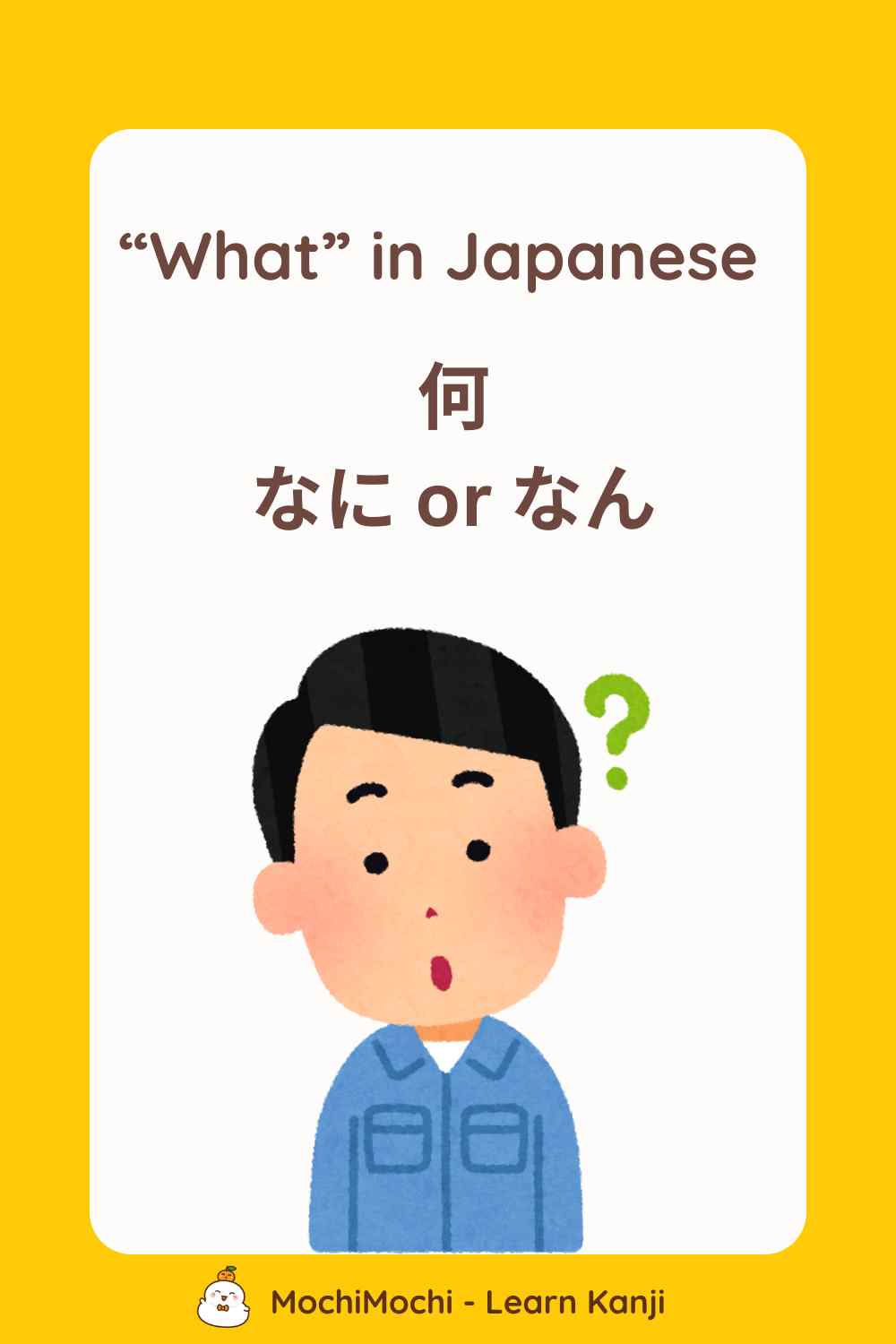
The Japanese writing system itself is a powerful marketing tool. Katakana, typically used for foreign words, can lend an air of modernity, sophistication, or international appeal to a product. A brand name or slogan written in Katakana often feels fresh and distinct. Conversely, Kanji, with its rich semantic depth, can evoke tradition, reliability, and profound meaning. A product aiming to convey heritage or deep quality might strategically use Kanji. Hiragana, the native phonetic script, often appears softer, more gentle, and approachable, frequently used in messages aimed at children or to create a more informal tone. Marketing strategists carefully select which script to use, not just for readability, but for the subconscious associations and emotional responses they trigger, shaping how “what is that in Japanese” is perceived.
Avoiding Pitfalls: The Importance of Expert Localization
The perils of direct translation in marketing are well-documented globally, but in Japan, they can be particularly acute due to the language’s inherent complexity and cultural sensitivity. A seemingly innocuous phrase can take on unintended or even offensive connotations when translated literally without cultural context. Jokes, puns, and idioms rarely translate directly. This underscores the critical importance of localization, not just translation. Expert Japanese marketing and branding specialists don’t just convert words; they adapt concepts, imagery, and emotional appeals to resonate authentically with the local audience. This process ensures that the brand’s core identity remains intact while its message is culturally appropriate and compelling, preventing costly missteps and building genuine rapport.
Visual Identity: More Than Just Graphics
A brand’s visual identity—its logo, color palette, typography, and imagery—plays a crucial role in non-verbal communication. In Japan, these elements are often imbued with symbolic meaning and adhere to aesthetic principles that reflect centuries of artistic tradition.
Colors, Motifs, and Aesthetics in Japanese Branding
Colors hold specific cultural significance in Japan. Red, often associated with energy, passion, and prosperity, is frequently seen in branding. White symbolizes purity and truth. Black can connote sophistication and depth. Green represents nature and tranquility. Beyond individual colors, the harmony and balance of a color palette are paramount, often reflecting the principles of minimalism and understated elegance found in Japanese art and design. Motifs such as cherry blossoms (sakura) symbolizing beauty and transience, cranes (tsuru) representing longevity, or geometric patterns inspired by traditional textiles, can instantly evoke a sense of Japaneseness and cultural authenticity when integrated into a brand’s visual language. Understanding “what is that in Japanese” for these visual elements means recognizing the deep cultural stories they tell.
Brand Storytelling Through Design
Japanese design philosophy often emphasizes functionality, simplicity, and the beauty of natural materials. In branding, this translates into clean, uncluttered logos and packaging that communicate quality and attention to detail. Brand storytelling through design might involve using subtle textures, traditional motifs reimagined in a modern context, or a visual narrative that speaks to the product’s craftsmanship or its connection to nature. For example, packaging might use minimalist aesthetics to highlight the purity of ingredients, or a logo might subtly incorporate an ancient symbol to convey heritage. These design choices are not merely decorative; they are integral to the brand’s corporate identity, communicating values and inviting consumers into a deeper, more meaningful relationship with the product or service.
Personal Branding in Japan: Trust, Authenticity, and Relationship
While corporate branding focuses on companies, personal branding, especially in a professional context, also carries distinct cultural nuances in Japan. Building a strong personal brand, particularly for entrepreneurs, thought leaders, or professionals operating in the Japanese market, relies heavily on establishing trust, demonstrating authenticity, and nurturing relationships.
The Concept of “Kao” (Face/Reputation) in Business
In Japan, the concept of “kao” (顔), or face, is central to personal and professional interactions. It encompasses one’s reputation, honor, and social standing. Building a positive “kao” is paramount for personal branding. This involves consistently demonstrating integrity, reliability, humility, and a strong work ethic. It’s not about self-promotion in the Western sense, but rather about earning respect through consistent, trustworthy behavior and contributions to the group or organization. A personal brand in Japan is often built through demonstrating competence, loyalty, and a commitment to long-term relationships rather than aggressive self-marketing. Understanding “what is that in Japanese” in this context means appreciating the value placed on indirect self-promotion through actions and reputation.

Digital Presence and Traditional Values
While digital platforms offer new avenues for personal branding globally, professionals in Japan navigate these spaces with a blend of modern tools and traditional values. Online profiles and content often maintain a professional demeanor, focusing on achievements, expertise, and contributions rather than overtly personal details. Networking online still complements traditional offline relationship-building (e.g., business card exchange, or meishi kōkan). Authenticity is crucial, but it’s often expressed through transparent communication about one’s professional journey and expertise, coupled with a respectful and humble online persona. The goal is to build a reliable and trustworthy personal identity that aligns with cultural expectations, fostering connections based on mutual respect and shared professional purpose.
aViewFromTheCave is a participant in the Amazon Services LLC Associates Program, an affiliate advertising program designed to provide a means for sites to earn advertising fees by advertising and linking to Amazon.com. Amazon, the Amazon logo, AmazonSupply, and the AmazonSupply logo are trademarks of Amazon.com, Inc. or its affiliates. As an Amazon Associate we earn affiliate commissions from qualifying purchases.