
The Strategic Convergence: Blending Brand Legacy with Emerging Consumer Preferences
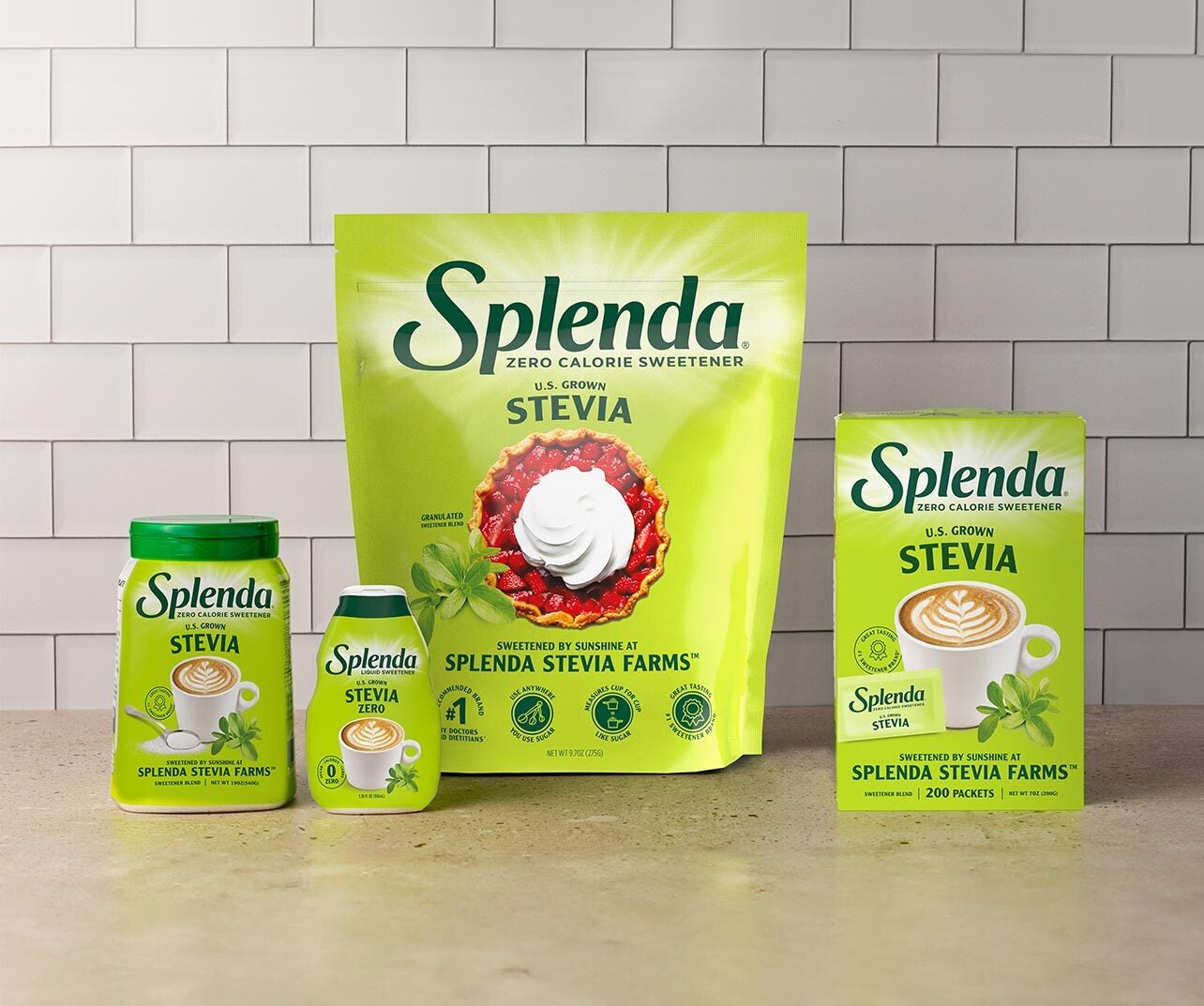
The introduction of Splenda Stevia represents a significant strategic move within the competitive landscape of the global sweetener market, a calculated step by a brand that has long dominated the artificial sweetener category. To understand “what is Splenda Stevia,” one must first appreciate the intricate interplay of brand legacy, evolving consumer desires, and shrewd market adaptation. For decades, Splenda, primarily known for its sucralose-based yellow packets, carved out an indelible niche, becoming synonymous with calorie-free sweetness for millions of consumers. Its distinctive taste and widespread availability solidified its corporate identity and market leadership. However, the dawn of the 21st century heralded a substantial shift in consumer sentiment, driven by an increasing demand for “natural” ingredients and a growing skepticism towards synthetic alternatives. This paradigm shift presented both a challenge and an opportunity for established brands like Splenda.
Splenda’s Original Brand Foundation and Market Dominance
Splenda’s original brand foundation was built on a promise of taste and convenience, offering a zero-calorie sugar alternative that could be used in baking and beverages. Through extensive marketing campaigns emphasizing its origin from sugar but without the calories, Splenda successfully differentiated itself from competitors like saccharin and aspartame. This branding strategy fostered strong consumer loyalty and enabled Splenda to achieve pervasive market penetration, becoming a household name globally. The yellow packet became a potent symbol of dietary control and guilt-free indulgence, establishing a clear corporate identity centered around innovation in artificial sweeteners. This dominance was not merely about product features but about a carefully constructed brand narrative that resonated with a specific consumer need: enjoying sweetness without the caloric cost.
The Rise of Natural Sweeteners and Shifting Consumer Demands
Concurrent with Splenda’s reign, a powerful undercurrent of consumer preference began to swell, advocating for ingredients perceived as more “natural.” This shift was fueled by a broader wellness movement and a desire for products with simpler ingredient lists. Stevia, derived from the Stevia rebaudiana plant, emerged as a leading contender in this “natural” sweetener space, quickly gaining traction for its plant-based origin and zero-calorie profile. For brands like Splenda, this presented a strategic dilemma: how to remain relevant and capture this burgeoning market segment without diluting their established brand equity, which was firmly rooted in artificial innovation. The decision to introduce Splenda Stevia was not just about adding a new product; it was about acknowledging and adapting to a fundamental change in consumer values and protecting the brand’s long-term viability in a rapidly evolving market.
Deconstructing the Brand Extension: Splenda Stevia’s Positioning and Value Proposition
The creation of Splenda Stevia is a quintessential example of a brand extension designed to capture new market share and reinforce overall brand relevance. It’s not merely a product; it’s a strategic maneuver to position the Splenda brand across a broader spectrum of consumer preferences. When Splenda introduced its stevia-based product, it faced the delicate task of marrying its established brand trust with the burgeoning demand for “natural” alternatives. The “Splenda Stevia” moniker itself is a masterclass in branding, leveraging the recognition and perceived reliability of the parent brand (“Splenda”) while simultaneously signaling alignment with a highly desired ingredient (“Stevia”). This naming convention immediately communicates to the consumer that this is a stevia product they can trust, backed by a familiar and widely accepted corporate identity.
Formulating a New Identity: Key Ingredients and Product Characteristics
The formulation of Splenda Stevia is critical to its brand identity. Unlike generic stevia products, Splenda often emphasizes its specific blend of stevia leaf extract (typically steviol glycosides like Rebaudioside D or M, known for their purer taste profile) combined with bulking agents such as erythritol, to achieve a sugar-like texture and consistency. This careful formulation is part of the brand’s strategy to deliver on the “Splenda taste promise”—a taste profile consumers have come to expect and associate with the brand, regardless of the underlying sweetener. By selecting specific stevia extracts and combining them expertly, Splenda aims to mitigate the common bitter aftertaste often associated with less refined stevia products, thus reinforcing its brand reputation for superior taste. This focus on a refined taste experience, even within a new ingredient category, is a core component of its value proposition.
Marketing the Hybrid: Bridging ‘Artificial’ Perceptions with ‘Natural’ Aspirations
Marketing Splenda Stevia requires a sophisticated approach to bridge potential perceptual gaps. The original Splenda brand, while widely accepted, has faced scrutiny from some consumers due to its artificial nature. Introducing a “natural” variant under the same brand umbrella necessitates careful communication. The marketing strategy for Splenda Stevia often highlights its plant-based origin and zero-calorie benefits, directly appealing to health-conscious consumers seeking natural alternatives. Simultaneously, it leverages the enduring trust associated with the Splenda name, reassuring consumers that this “natural” option comes with the brand’s reliability and consistent quality. This dual-pronged marketing effort aims to broaden Splenda’s appeal, repositioning the corporate identity not just as an artificial sweetener pioneer, but as a comprehensive solution provider for calorie-free sweetness, encompassing both synthetic and natural options. This strategic communication helps mitigate the risk of brand confusion or dilution, ensuring that each product within the Splenda portfolio serves a distinct yet complementary role.
Brand Portfolio Management: How Splenda Stevia Fits into the Larger Ecosystem
The introduction of Splenda Stevia is a prime example of strategic brand portfolio management within a mature consumer packaged goods market. For a brand like Splenda, which has diversified its offerings to include sucralose, stevia, and monk fruit sweeteners, managing the entire ecosystem is paramount to sustaining growth and market leadership. The challenge lies in ensuring that each product, including Splenda Stevia, occupies a distinct and compelling position without cannibalizing the sales of other products within the same brand family. This requires a nuanced understanding of target demographics, price points, and perceived benefits for each offering.
Mitigating Cannibalization: Differentiating Within the Brand Family
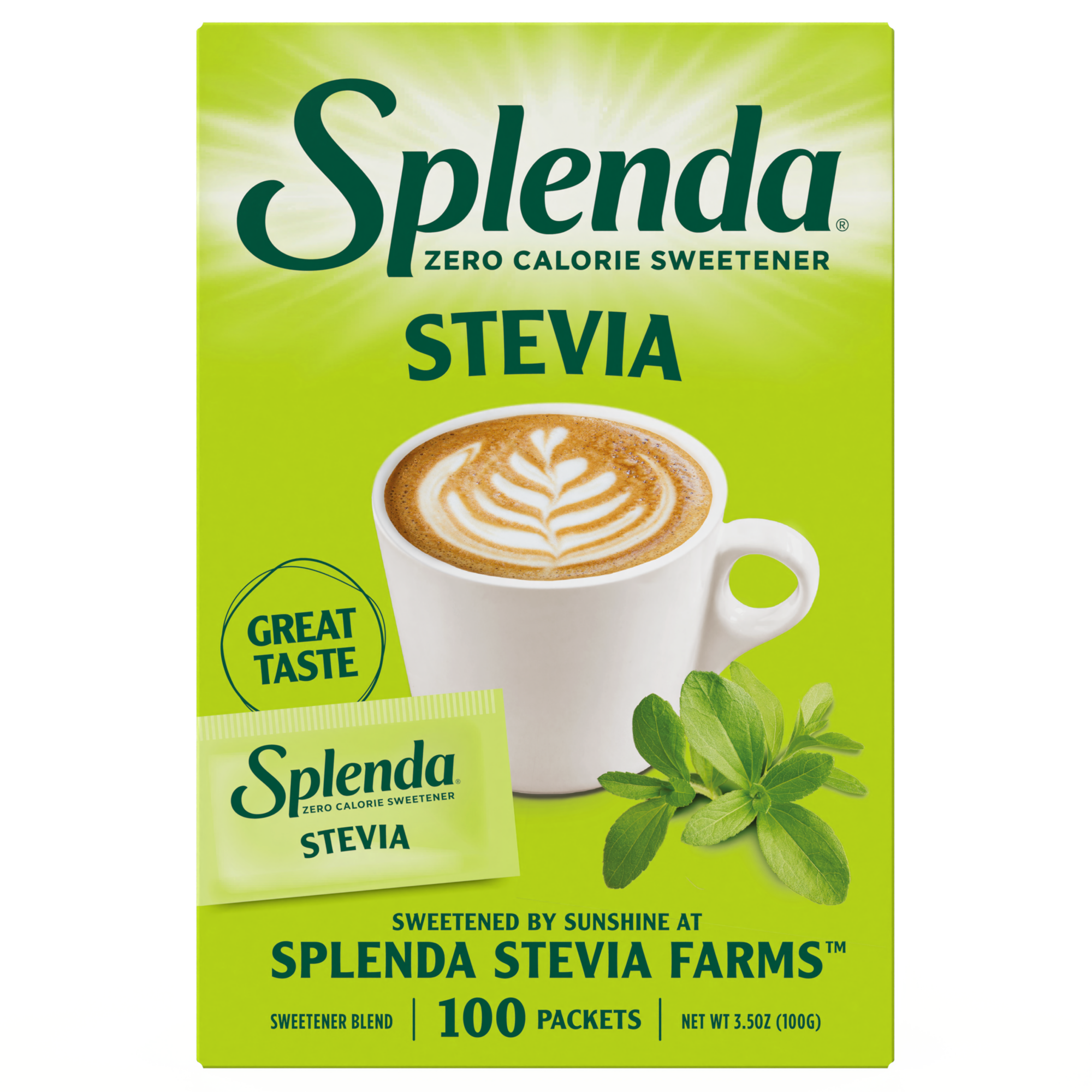
A key aspect of brand portfolio management is the careful differentiation of products to mitigate internal cannibalization. Splenda Stevia is positioned as the “natural” alternative within the Splenda family, targeting consumers who actively seek plant-derived ingredients. This contrasts with the original Splenda, which continues to appeal to its long-standing loyal base who prioritize the familiar taste and established trust of sucralose. Further, Splenda also offers Monk Fruit sweeteners, targeting another segment of natural-seeking consumers, often those who may have specific preferences or sensitivities. By clearly segmenting its product lines based on source (synthetic vs. plant-based) and specific ingredient type (stevia vs. monk fruit), Splenda creates distinct value propositions for each. The packaging, messaging, and retail placement are all carefully orchestrated to highlight these differences, allowing each product to thrive in its own micro-segment while contributing to the overall strength of the Splenda corporate identity.
Reinforcing Brand Equity Through Diverse Offerings
Paradoxically, by offering diverse alternatives, Splenda reinforces its overall brand equity and strengthens its position as a holistic sweetener solution provider. The presence of Splenda Stevia signals to the market that Splenda is not a static brand clinging to outdated technologies, but rather an adaptive and consumer-centric entity willing to innovate and evolve. This adaptability enhances the perception of Splenda as a leader and an authority in the sweetener category. Consumers seeking a “natural” option, who might have previously looked to competitor brands, are now met with a trusted name offering precisely what they are looking for. This expanded portfolio broadens the brand’s appeal, attracts new customers who might never have considered traditional Splenda, and solidifies its reputation as a comprehensive provider of low and zero-calorie sweetness solutions. Each successful product launch, including Splenda Stevia, adds another layer of innovation and responsiveness to the corporate identity, ultimately bolstering brand loyalty across a wider consumer base.
Consumer Perception and Brand Loyalty in a Saturated Market
In the highly saturated sweetener market, consumer perception plays a pivotal role in the success and longevity of any brand extension. Splenda Stevia, while leveraging the strong brand equity of its parent, must also navigate pre-existing consumer perceptions about both the Splenda brand and the broader category of “natural” sweeteners. Consumers often hold strong beliefs about the authenticity, health implications, and taste profiles of different sweeteners, which directly impacts brand loyalty and purchasing decisions. The challenge for Splenda Stevia is not just to introduce a new product, but to influence and shape these perceptions in a way that is favorable to its corporate identity.
Navigating Consumer Trust and Health Claims
Splenda, as a brand, has faced a complex journey regarding consumer trust. While widely used, sucralose-based Splenda has also been subject to public debate and scrutiny concerning its long-term health effects, despite regulatory approvals. Introducing a stevia-based product allows Splenda to strategically align with the consumer trend towards ingredients perceived as “healthier” and “more natural.” However, this alignment is not without its nuances. The brand must carefully navigate how it communicates the benefits of Splenda Stevia without inadvertently undermining the trust in its original product line. The marketing messages for Splenda Stevia often emphasize its plant-based origin and lack of artificial ingredients, directly addressing consumer desires for “cleaner” labels. This strategy aims to build a new layer of trust, appealing to consumers who might have previously avoided the Splenda brand due to concerns about artificiality. Successfully bridging this gap requires transparent communication and consistent messaging that reinforces the safety and quality of all Splenda products, while clearly delineating the specific benefits of Splenda Stevia.
The Long-Term Impact on Splenda’s Corporate Identity
The introduction of Splenda Stevia has a profound long-term impact on Splenda’s corporate identity. It signals a strategic evolution from being a pioneer in artificial sweeteners to becoming a comprehensive leader in the broader low and zero-calorie sweetener category, encompassing both synthetic and natural options. This shift broadens the brand’s appeal and makes it more resilient to changing consumer preferences and competitive pressures. By demonstrating adaptability and responsiveness to market trends, Splenda reinforces its image as an innovative and relevant player. In the long run, the success of Splenda Stevia contributes to a more diversified and robust brand equity, attracting new demographics and solidifying its position as a go-to source for sweetness solutions. This strategic evolution protects the brand from becoming obsolete, ensuring its continued relevance and market leadership in a dynamic industry where consumer values are constantly evolving.
Future Brand Trajectories: Innovation, Adaptation, and Market Leadership
The journey of Splenda Stevia is not just a historical account but a forward-looking indicator of Splenda’s brand trajectory. In an increasingly health-conscious and ingredient-aware market, continued innovation and adaptation are not merely desirable but essential for maintaining market leadership and a strong corporate identity. The success of Splenda Stevia will undoubtedly inform future product development and marketing strategies, shaping how the brand positions itself in the decades to come.
Sustaining Innovation in a Competitive Landscape
To sustain market leadership, Splenda must continue to innovate, particularly within the natural sweetener space. This means exploring new stevia blends, novel plant-based sweeteners, and advanced formulation techniques that further enhance taste profiles and mimic sugar’s functional properties. The brand’s ability to consistently introduce products like Splenda Stevia, which resonate with evolving consumer preferences, will be critical. This also includes investing in research and development to address common consumer pain points, such as aftertaste or solubility, and to develop solutions that continually set Splenda apart from generic and emerging competitors. Sustained innovation ensures that the brand remains at the forefront of the sweetener industry, reinforcing its image as a cutting-edge and reliable source of sweetness solutions.
The Evolving Definition of a “Sweetener Brand”
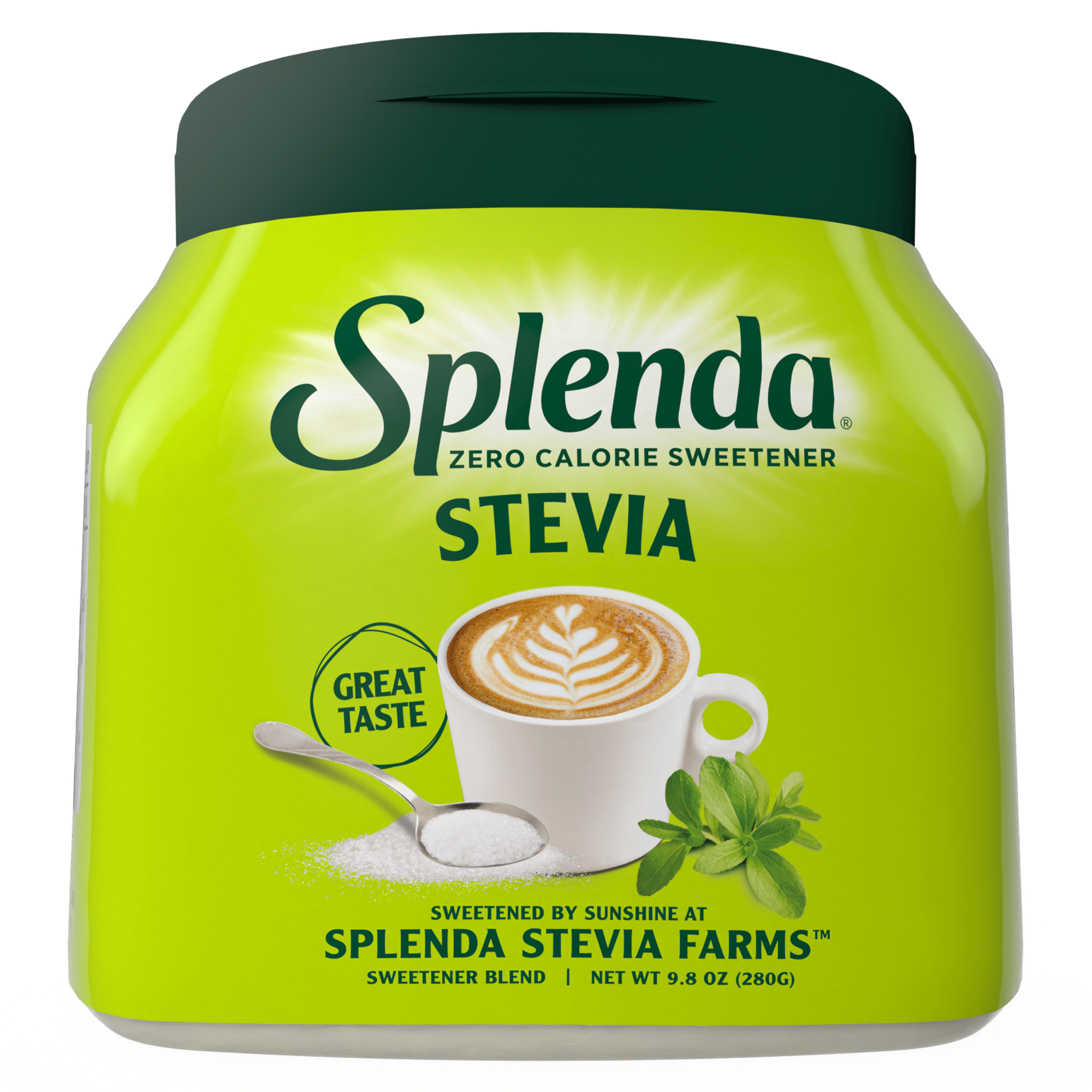
The successful integration of Splenda Stevia into its portfolio challenges and expands the very definition of a “sweetener brand.” No longer is Splenda solely defined by its iconic yellow packet of sucralose. Its corporate identity has evolved to encompass a spectrum of low and zero-calorie options, catering to diverse needs and philosophies regarding food ingredients. This evolution is crucial for long-term relevance, as consumer preferences continue to fragment and demand for personalized dietary solutions grows. The future trajectory for Splenda, buoyed by the strategic success of products like Splenda Stevia, involves not just selling sweeteners, but selling trust, choice, and a commitment to meeting a wide array of consumer desires in the pursuit of a balanced and enjoyable lifestyle. This broader identity ensures Splenda’s continued leadership and adaptability in a constantly shifting market.
aViewFromTheCave is a participant in the Amazon Services LLC Associates Program, an affiliate advertising program designed to provide a means for sites to earn advertising fees by advertising and linking to Amazon.com. Amazon, the Amazon logo, AmazonSupply, and the AmazonSupply logo are trademarks of Amazon.com, Inc. or its affiliates. As an Amazon Associate we earn affiliate commissions from qualifying purchases.