
In our increasingly interconnected digital world, the concept of a “sec code” – short for security code – stands as a fundamental pillar of protection. Far from being a singular, monolithic entity, a sec code encompasses a diverse array of digital identifiers and verification mechanisms designed to safeguard data, devices, and identities from unauthorized access. Understanding these various forms, their underlying technologies, and best practices for their management is crucial for navigating the modern digital landscape securely.
The Foundational Role of Security Codes in Digital Life
Every interaction we have online, from logging into an email account to making a bank transaction, relies on some form of security verification. These codes are the gatekeepers, ensuring that only legitimate users or authorized systems can access sensitive information or execute critical functions.
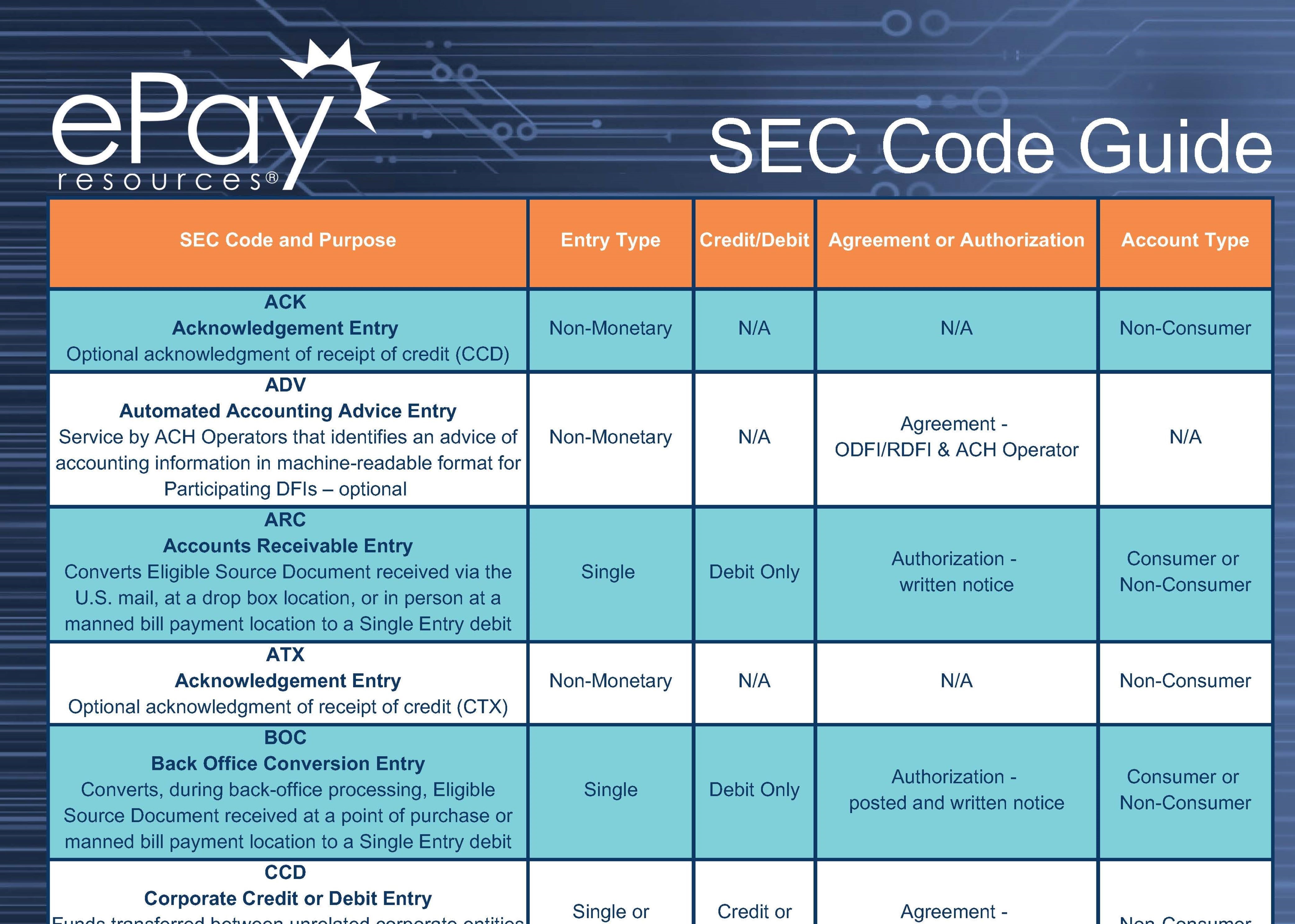
Defining “Sec Code” in the Modern Context
At its core, a “sec code” is any piece of information, typically a string of characters or numbers, used to authenticate identity or authorize an action within a digital system. It serves as a secret that, when presented correctly, grants access or confirms legitimacy. This broad definition covers a wide spectrum of tools, from the familiar four-digit PIN for your smartphone to complex cryptographic keys underpinning secure communication protocols. They are the digital equivalent of a lock and key, where the code is the unique key that fits a specific lock, proving ownership or permission.
Why We Need Security Codes: The Imperative of Protection
The necessity of security codes stems directly from the inherent vulnerabilities of digital systems. Without robust authentication, anyone could impersonate another user, steal data, or disrupt services. Security codes address this imperative by:
- Authenticating Identity: Proving that you are who you claim to be before granting access to an account or system.
- Authorizing Transactions: Confirming that a requested action, such as a financial transfer or software installation, is legitimate and initiated by an authorized party.
- Protecting Data Integrity: Ensuring that data remains unaltered and uncompromised by unauthorized access.
- Maintaining Privacy: Keeping personal and sensitive information confidential from prying eyes.
In an era of rampant cybercrime, data breaches, and identity theft, the integrity and strength of these security codes are paramount to personal and organizational resilience.
Diverse Forms of Security Codes and Their Applications
The digital ecosystem employs a wide variety of security codes, each tailored to specific contexts and levels of required security. While they all serve the purpose of verification, their structure, generation, and application differ significantly.
PINs and Passcodes: Device and Account Access
Perhaps the most common forms of sec codes are Personal Identification Numbers (PINs) and passcodes. These are typically short, numeric or alphanumeric strings used to unlock devices (smartphones, tablets, laptops), access ATMs, or log into basic accounts. Their simplicity makes them convenient, but also often makes them susceptible to brute-force attacks if not combined with other security measures like rate limiting failed attempts.
One-Time Passwords (OTPs) and Two-Factor Authentication (2FA)
A significant leap in security comes with One-Time Passwords (OTPs). As their name suggests, these codes are valid for a single login session or transaction and expire after use or a short period. OTPs are the backbone of Two-Factor Authentication (2FA) or Multi-Factor Authentication (MFA), where a user provides something they know (a password) and something they have (a device receiving an OTP via SMS, email, or an authenticator app) or something they are (a biometric scan). This layered approach dramatically reduces the risk of unauthorized access even if one factor is compromised.
Cryptographic Keys and Digital Certificates
On a more technical level, cryptographic keys are fundamental to securing data transmission and storage. These complex, often lengthy, strings of characters are used in conjunction with algorithms to encrypt and decrypt information. Public-key cryptography, for instance, uses a pair of keys: a public key for encryption and a private key for decryption. Digital certificates, which rely on these keys, act as electronic passports, verifying the identity of websites, servers, and individuals, ensuring secure communication channels like those protected by SSL/TLS.
Payment Card Security Codes (CVV/CVC)
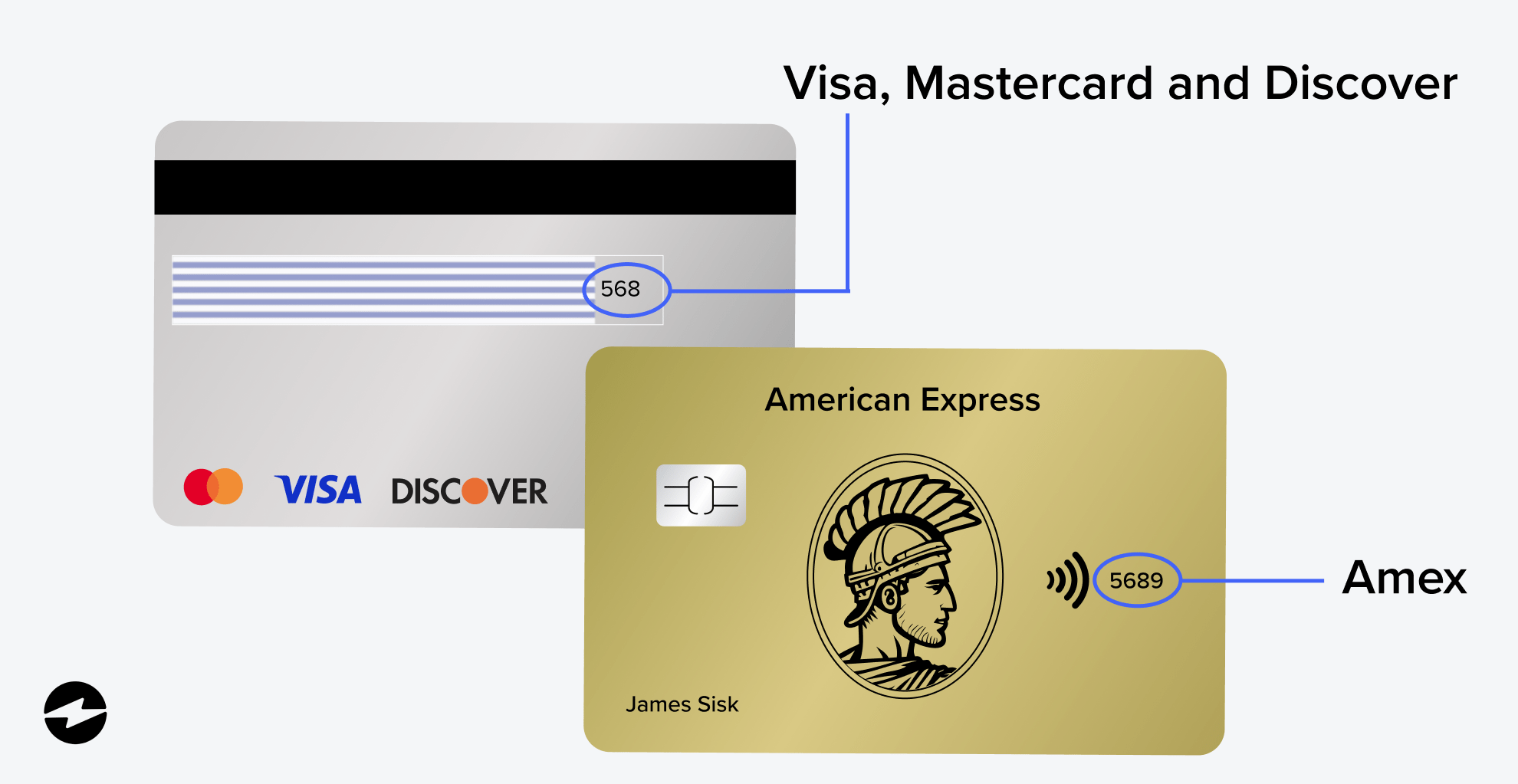
When making online purchases, you’re often asked for a Card Verification Value (CVV), Card Verification Code (CVC), or similar security code (e.g., CID, CSC). This three or four-digit number, typically found on the back of a credit or debit card, is designed to verify that the person using the card physically possesses it. It adds an extra layer of security by not being stored with the primary account number, thereby reducing the risk of fraud if card details are stolen from a database.
Software License Keys and Activation Codes
Many software products and digital services require a unique license key or activation code for installation and use. These codes verify that the user has legally purchased the software and is authorized to run it. They often serve as a form of digital rights management (DRM), linking the software installation to a specific user or device, and preventing widespread unauthorized copying and distribution.
Architectures and Principles Behind Secure Codes
The effectiveness of a security code isn’t just about its secrecy; it’s deeply rooted in the cryptographic principles and architectural designs that protect its generation, transmission, and validation.
Encryption and Hashing: Protecting the Code Itself
While many codes are transmitted securely, others, especially passwords, are not stored in plaintext. Instead, systems use cryptographic hashing functions to store a one-way representation of the code. A hash is a fixed-size string of characters generated from the input code. Even if a database is breached, attackers only get the hashes, not the original codes. For authentication, the system hashes the user’s input and compares it to the stored hash. Encryption, on the other hand, actively scrambles data to protect it during transit and storage, requiring a key to decrypt it back into its original form. Both are vital for securing the lifecycle of security codes.
Randomness and Complexity: The Strength of a Code
A strong security code is unpredictable. This unpredictability comes from true randomness and sufficient complexity. Randomness ensures that codes cannot be guessed or reverse-engineered through patterns. Complexity is achieved by combining different character types (uppercase, lowercase, numbers, symbols) and ensuring adequate length. Longer, more complex codes significantly increase the computational effort required for brute-force attacks, making them practically unfeasible.
Life Cycle Management: From Generation to Revocation
Effective security code management spans its entire life cycle. This includes secure generation (using cryptographically secure random number generators), secure distribution (e.g., encrypted channels), secure storage (hashing, encryption, access controls), and secure validation. Crucially, it also includes mechanisms for revocation or expiry. If a code is suspected of being compromised, it must be invalidated immediately to prevent further unauthorized use. Regular rotation of codes (e.g., changing passwords periodically) is another key practice.
Best Practices for Managing Your Security Codes
While technology provides the framework for secure codes, individual user practices play an equally critical role in maintaining digital security.
Strong, Unique, and Varied Codes
The golden rule of security codes is to use strong, unique passwords and PINs for every account and device. A strong code is long (at least 12-16 characters), complex (mixing upper/lowercase letters, numbers, and symbols), and avoids easily guessable information (birthdays, names, common words). Reusing passwords across multiple services is a grave risk; if one service is breached, all accounts sharing that password become vulnerable.
Leveraging Password Managers
Remembering dozens of complex, unique passwords is impractical for most people. Password managers are essential tools that encrypt and store all your login credentials, allowing you to use complex passwords without needing to memorize them. You only need to remember one strong master password for the manager itself. Many also offer features for generating strong passwords and auditing existing ones.
Enabling Multi-Factor Authentication (MFA)
Whenever available, enable MFA (2FA) for all your accounts. This adds a crucial layer of security, making it exponentially harder for attackers to gain access even if they manage to steal your primary password. Whether it’s through an authenticator app, SMS, or a physical security key, MFA is one of the most effective defenses against account takeover.
Vigilance Against Phishing and Social Engineering
No matter how strong your security codes are, they can be compromised through human vulnerability. Phishing attacks, where cybercriminals impersonate legitimate entities to trick you into revealing your codes, are a constant threat. Always be suspicious of unsolicited requests for personal information, verify the sender’s identity, and look for signs of phishing in emails and messages (e.g., misspelled words, generic greetings, suspicious links).
Regular Reviews and Updates
Security is not a static state. Regularly review your account security settings, update your passwords periodically (especially for critical accounts), and ensure all software and operating systems are up-to-date with the latest security patches. Outdated software often contains known vulnerabilities that attackers can exploit.
The Evolving Landscape of Digital Security
The field of digital security is constantly evolving, with new threats and countermeasures emerging regularly. The future of security codes is moving towards more seamless yet robust authentication methods.
Biometrics and Passwordless Authentication
Biometric data (fingerprints, facial recognition, iris scans) offers a convenient and potentially more secure alternative to traditional passwords. While not technically “codes” in the alphanumeric sense, they serve the same authentication purpose, using unique biological attributes. The push for passwordless authentication, often combining biometrics with cryptographic keys stored on devices (like FIDO standards), aims to eliminate the vulnerabilities associated with memorized passwords altogether.
Quantum-Resistant Cryptography
As quantum computing advances, there is a looming threat to current cryptographic standards. Future quantum computers could potentially break many of the encryption methods we rely on today. Research into quantum-resistant (or post-quantum) cryptography is underway to develop new algorithms that can withstand these advanced computational capabilities, ensuring the long-term security of digital codes and encrypted data.

The Human Element: Education and Awareness
Ultimately, the strongest security codes and most advanced technologies can be undermined by human error. Continuous education and awareness about cybersecurity best practices, common threats, and the importance of vigilance are paramount. A well-informed user base is the first and most critical line of defense in the ever-present battle against digital threats.
Understanding what a “sec code” entails – from simple PINs to complex cryptographic keys – empowers individuals and organizations to adopt stronger security postures. By embracing best practices and staying informed about evolving threats and technologies, we can collectively build a more secure digital future.
aViewFromTheCave is a participant in the Amazon Services LLC Associates Program, an affiliate advertising program designed to provide a means for sites to earn advertising fees by advertising and linking to Amazon.com. Amazon, the Amazon logo, AmazonSupply, and the AmazonSupply logo are trademarks of Amazon.com, Inc. or its affiliates. As an Amazon Associate we earn affiliate commissions from qualifying purchases.