
For fans of One Piece, the arc featuring Donquixote Doflamingo is undeniably one of the most impactful and action-packed sagas. The build-up to the inevitable clash between Monkey D. Luffy and the tyrannical “Heavenly Demon” is filled with intrigue, political maneuvering, and escalating stakes. If you’re eager to witness this pivotal showdown, you’re likely wondering precisely which episode marks the beginning of their epic battle. This article will guide you through that critical juncture, offering context and insight into why this fight is so significant within the broader narrative of One Piece.
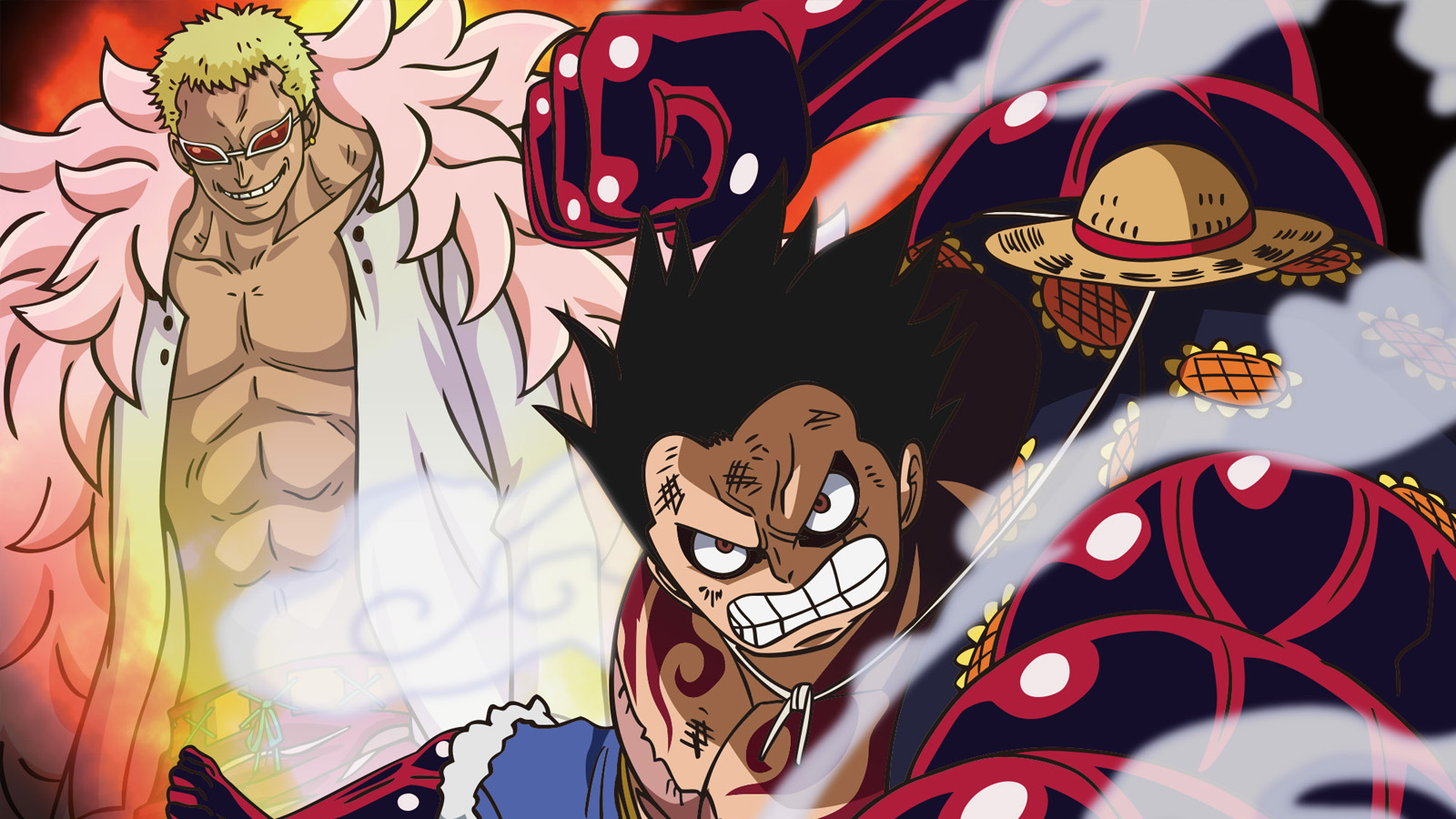
Beyond the direct question of episode numbers, understanding the Doflamingo saga also touches upon themes that resonate with the core principles of our website. The intricate web of power, corruption, and manipulation that Doflamingo embodies speaks volumes about Brand and Reputation. His carefully constructed persona, the fear he instills, and the way he leverages his influence are all prime examples of how a powerful entity can project an image, for better or worse. Furthermore, the economic and political systems Doflamingo exploits and controls, particularly concerning the illegal arms trade and his dominion over Dressrosa, subtly intertwine with the Money aspect of our discussions, showcasing the darker side of unchecked ambition and resource control. While One Piece is a fantasy, the underlying dynamics of power and influence often mirror real-world scenarios, making the Doflamingo arc a fascinating case study.
The Road to the Rumble: Setting the Stage for Luffy vs. Doflamingo
Before diving into the specific episodes, it’s crucial to understand the events leading up to the confrontation. The Dressrosa Arc is a complex narrative that begins with Luffy and his crew embarking on a mission to free the small island nation of Dressrosa from the clutches of the Seven Warlord, Donquixote Doflamingo. Doflamingo, a former Celestial Dragon, has seized control of Dressrosa through deception and manipulation, turning its citizens into unwitting participants in his sinister schemes, most notably his illegal weapons manufacturing and distribution network.
Luffy’s involvement is multifaceted. He initially seeks to dismantle Doflamingo’s operation, which is a threat to global stability and a source of immense suffering. However, the situation quickly escalates as Luffy uncovers the deeper truths behind Doflamingo’s power, including his connection to the Celestial Dragons and his involvement in the shadowy underworld of the pirate world. The Straw Hats, along with various allies they gather on the island, including the Tontatta tribe and the Riku Royal Family, become embroiled in a desperate struggle against Doflamingo and his formidable Donquixote Pirates.
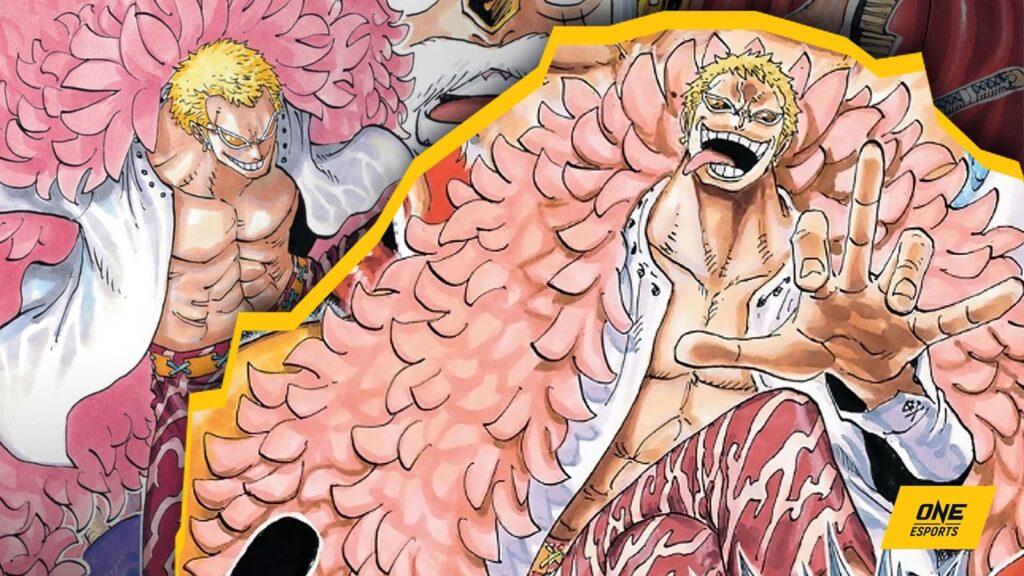
The tension builds relentlessly. Doflamingo is not just a physically powerful adversary; he is a master strategist and manipulator. His “Devil’s Fruit” ability, the Ito Ito no Mi (String-String Fruit), allows him to control strings with incredible precision, enabling him to manipulate people and objects, create powerful attacks, and even puppet entire armies. His presence casts a long shadow over Dressrosa, and the suffering of its people serves as a constant motivator for Luffy.
The arc masterfully weaves together personal vendettas, political intrigue, and the overarching themes of freedom and justice that are central to One Piece. Luffy’s commitment to protecting the innocent and his unwavering belief in doing what’s right are put to the ultimate test against an enemy who thrives on lies and exploitation. This inherent conflict between light and darkness, truth and deception, makes their eventual battle one of the most anticipated in the series.
The Stakes: More Than Just a Pirate Battle
The fight between Luffy and Doflamingo transcends a typical pirate skirmish. It represents a clash of ideologies and a battle for the soul of Dressrosa. Doflamingo, with his “heavenly” demeanor and contempt for ordinary people, embodies the corruption and entitlement that Luffy has consistently fought against. His strings symbolize the control and manipulation he wields, not just over individuals, but over the perception of reality itself. He has effectively turned Dressrosa into his personal playground, a stage for his twisted ambitions.
Luffy, on the other hand, is the embodiment of liberation. His “Gear Fourth” transformation, a manifestation of his boundless spirit and determination, is designed to overcome overwhelming odds and break through seemingly impenetrable defenses. The anticipation of seeing Luffy unleash his full power against such a cunning and dangerous foe is what drives many viewers to seek out the specific episodes where their clash unfolds.
Beyond the immediate conflict, the fight also has significant implications for the wider One Piece world. Doflamingo’s position as a Celestial Dragon and a Warlord of the Sea grants him immense authority and influence. His defeat would send shockwaves through the World Government and the pirate hierarchy, potentially disrupting the fragile balance of power. This makes the battle not only personal for Luffy but also a crucial step in his journey to becoming the Pirate King and reshaping the world.
The narrative arc surrounding Doflamingo also serves as a potent illustration of how Brand and Reputation can be weaponized. Doflamingo meticulously crafts his image as a benevolent ruler and a powerful Warlord. He manipulates media, spreads propaganda, and uses fear to maintain his control. This careful construction of his public persona is a masterclass in negative branding, where reputation is built on intimidation and manufactured consent rather than genuine merit or positive impact. For businesses and individuals alike, the Doflamingo saga offers a stark reminder of how important authentic perception is, and how easily it can be distorted by those with malicious intent. His downfall, therefore, is not just a victory for Luffy, but a vindication of truth over manufactured narratives.
The Unveiling of the Battle: Key Episodes in the Luffy vs. Doflamingo Showdown

Pinpointing the exact moment the fight begins can be subjective, as skirmishes and tactical maneuvers often precede the full-blown, all-out brawl. However, for the core of their epic confrontation, the pivotal episodes are within the latter half of the Dressrosa Arc.
The initial direct confrontations begin to heat up as Luffy makes his way towards the King’s Plateau and the final showdown. The true, extended battle where Luffy unleashes his advanced techniques and Doflamingo unleashes his full arsenal begins to unfold more intensely around Episode 740 and onwards.
Episode 740: The Great Awakening of Luffy
This episode is a critical turning point. Luffy, having been pushed to his absolute limits, begins to tap into a new level of power. He has been struggling against Doflamingo’s formidable abilities, but in this episode, he starts to truly assert dominance. The introduction of Gear Fourth is a monumental event in the series, showcasing Luffy’s incredible potential and his ability to adapt and overcome seemingly insurmountable challenges. This transformation is not just a power-up; it’s a visual and narrative spectacle that signifies Luffy’s commitment to protecting his friends and the people of Dressrosa. The raw power unleashed by Gear Fourth against Doflamingo’s strings marks the beginning of the true climax of their fight.
From this point onwards, the episodes become a relentless display of both combatants’ strength, strategy, and resilience. The fight is characterized by its brutality, its emotional weight, and the constant back-and-forth between Luffy and Doflamingo. Each blow, each dodge, and each strategic move is amplified by the high stakes involved.
Subsequent Episodes: The Symphony of Strings and Gum-Gum
Following Episode 740, the battles intensify. Viewers can expect to see the full extent of Doflamingo’s masterful string manipulation, his ability to create devastating attacks like “Overheat” and “Parasite String,” and his sheer strategic brilliance. Luffy, in his Gear Fourth form, showcases his incredible speed, power, and resilience, employing techniques like “Boundman,” “Tankman,” and later, “Snakeman” in subsequent arcs, though “Boundman” is the primary form during the Doflamingo fight.
The narrative seamlessly integrates the consequences of their fight with the ongoing events in Dressrosa. The fate of the island, the survival of its people, and the future of the pirate world all hang in the balance as Luffy and Doflamingo engage in their destructive dance. The fight isn’t just about physical prowess; it’s a mental battle as well, with Doflamingo attempting to break Luffy’s spirit and Luffy unwavering in his resolve.
The economic undercurrents of Doflamingo’s empire are also implicitly present. His entire operation, built on illegal arms dealing and exploitation, generates immense wealth and power. The Money aspect of his reign, while not directly a focus of the fight’s choreography, is the very foundation of his control. His ability to fund his operations, bribe officials, and maintain his vast network relies on financial resources. Luffy’s victory represents the dismantling of this corrupt economic system, highlighting how true prosperity and freedom cannot be built on exploitation and illicit gains. The battle is, in essence, a fight for the economic liberation of Dressrosa from Doflamingo’s financial stranglehold.
The Impact and Legacy of the Doflamingo Showdown
The battle against Doflamingo is more than just another epic fight in the long chronicle of One Piece. It serves as a significant turning point for Luffy and the Straw Hat Pirates, marking a considerable increase in their notoriety and influence within the pirate world. The defeat of a former Celestial Dragon and a powerful Warlord sends a clear message to the World Government and other pirate crews that the Straw Hats are a force to be reckoned with.
Furthermore, the arc’s conclusion solidifies the themes of Brand and Reputation in a profound way. Doflamingo’s carefully curated image of invincibility and control crumbles under Luffy’s relentless assault. His public downfall serves as a cautionary tale about the fragility of power built on deception and fear. Conversely, Luffy’s victory reinforces his own brand of justice, freedom, and unwavering determination, further solidifying his reputation as a hero to many and a formidable adversary to those in power.
The economic implications are also noteworthy. Doflamingo’s defeat disrupts a significant portion of the illegal arms trade, impacting the flow of Money within the criminal underworld. While the fight itself is about swords and haki, its repercussions echo through the financial networks that sustain such enterprises. This adds another layer of complexity to the arc, illustrating how grand conflicts can have far-reaching economic consequences.
For fans, the Doflamingo arc, and particularly the episodes detailing the Luffy vs. Doflamingo fight, remain a benchmark of intense storytelling, character development, and exhilarating action. It’s a testament to the enduring appeal of One Piece and its ability to weave complex narratives that resonate on multiple levels, from thrilling combat to insightful commentary on power, reputation, and even the flow of wealth. So, if you’re looking to witness this legendary clash, mark your calendars (or rather, your episode lists) for the events unfolding around Episode 740 and beyond.
aViewFromTheCave is a participant in the Amazon Services LLC Associates Program, an affiliate advertising program designed to provide a means for sites to earn advertising fees by advertising and linking to Amazon.com. Amazon, the Amazon logo, AmazonSupply, and the AmazonSupply logo are trademarks of Amazon.com, Inc. or its affiliates. As an Amazon Associate we earn affiliate commissions from qualifying purchases.