
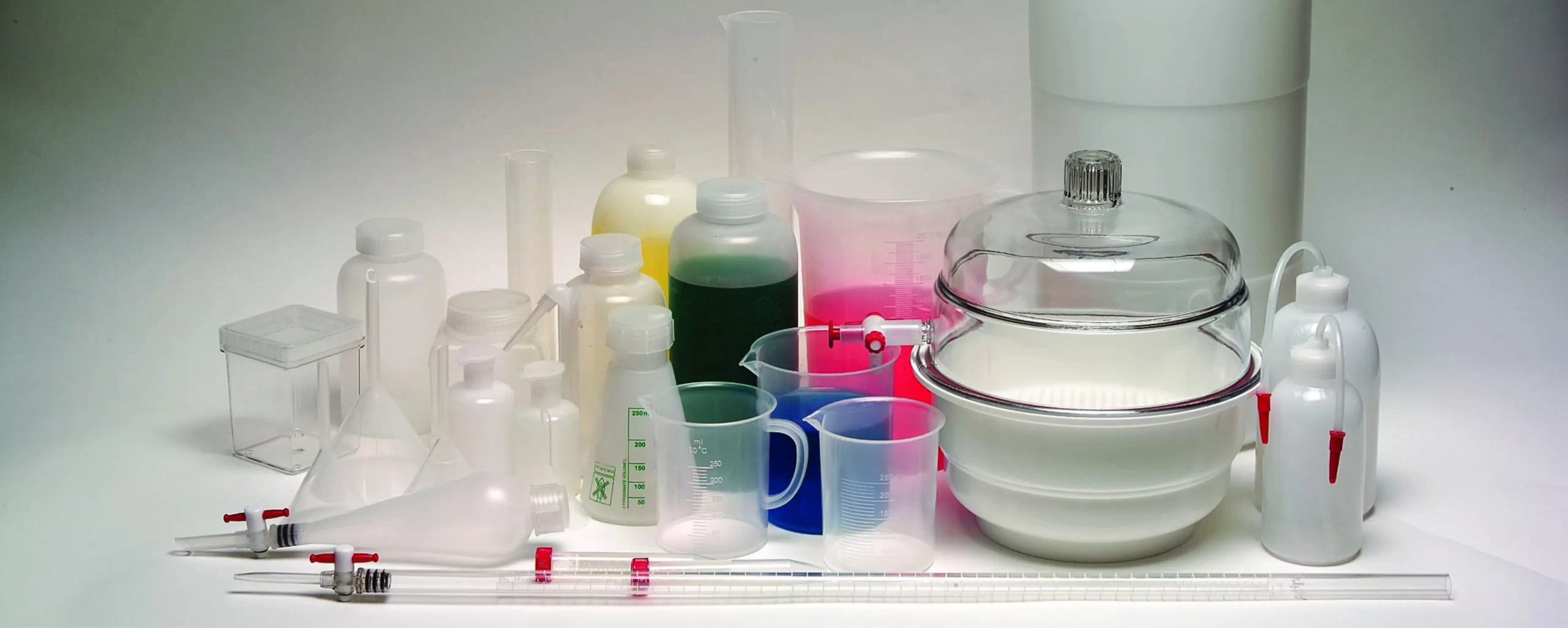
Plasticware, at its core, refers to a vast array of products manufactured from various types of plastic polymers. From the ubiquitous food storage containers that line kitchen shelves to durable outdoor furniture, children’s toys, and an extensive range of medical devices, plasticware has become an indispensable part of modern living. Its widespread adoption is a testament to the versatility, durability, cost-effectiveness, and design flexibility that plastics offer. Understanding plasticware, therefore, involves delving into the materials it’s made from, the design principles that guide its creation, and the strategic branding efforts that define its market presence and consumer perception.

The Ubiquity and Evolution of Plasticware
The story of plasticware is one of remarkable innovation and exponential growth, profoundly influencing daily life and consumer markets globally. Before the mid-20th century, household goods and many industrial products were predominantly made from materials like glass, metal, wood, or ceramic. The advent of synthetic polymers, particularly after World War II, ushered in an era where plastics could be molded, extruded, and shaped into an astonishing variety of forms, often at a fraction of the cost of traditional materials. This led to the rapid proliferation of plasticware in homes, industries, and commercial settings.
Initially, plasticware was valued primarily for its practical benefits: lightness, resistance to breakage, and ease of cleaning. Early branding focused on these functional attributes, presenting plastic as a modern, convenient alternative. Over time, as manufacturing processes refined and consumer awareness evolved, the narrative around plasticware began to incorporate more sophisticated elements, transitioning from mere utility to considerations of design, safety, sustainability, and ultimately, brand identity. Today, plasticware encompasses everything from single-use items to high-end, meticulously designed products, each carrying a distinct brand message and promise. Its pervasiveness makes the strategic branding of these items crucial for market differentiation and sustained consumer engagement.
Material Science and Design: Pillars of Plasticware Branding
The very essence of any plasticware brand is inextricably linked to the materials chosen and the design executed. These two elements are not merely functional requirements but fundamental pillars that shape product utility, aesthetic appeal, and ultimately, consumer trust and brand loyalty.
Defining Plasticware Materials
The diversity of plasticware stems directly from the wide range of plastic polymers available, each with unique properties that dictate its suitability for specific applications and, consequently, its brand positioning. Key plastics commonly used in plasticware include:
- Polypropylene (PP): Known for its high heat resistance, durability, and flexibility, PP is extensively used for food containers, microwave-safe dishes, and reusable water bottles. Brands leveraging PP often emphasize its longevity and food-safe properties, positioning products as reliable and practical household staples.
- Polyethylene Terephthalate (PET): Transparent and strong, PET is synonymous with beverage bottles (water, soda) and some food packaging. Its clarity and recyclability are often highlighted in branding, appealing to consumers seeking both convenience and environmental consciousness.
- High-Density Polyethylene (HDPE): Opaque, tough, and chemical-resistant, HDPE is favored for milk jugs, detergent bottles, and some sturdy containers. Brands using HDPE often focus on the product’s robustness and protective qualities.
- Low-Density Polyethylene (LDPE): Flexible and often used for squeezable bottles, plastic bags, and some lids. Its pliability is a key functional aspect that can be leveraged in branding for ease of use.
- Polycarbonate (PC): While offering exceptional clarity and impact resistance, concerns about BPA (Bisphenol A) have led many brands to move away from PC for food and beverage containers. However, BPA-free alternatives exist, and PC (or its substitutes) is still used where extreme durability and transparency are critical, such as in certain safety or industrial plasticware.
- Polystyrene (PS): Found in disposable cutlery, foam cups, and some rigid packaging. Its cost-effectiveness and light weight are primary attributes, though its environmental impact often challenges brand messaging.
- Polyvinyl Chloride (PVC): Less common in food-contact plasticware due to potential health concerns, but still used in certain non-food applications like piping or construction materials due to its durability and cost-efficiency.
The choice of material is a deliberate strategic decision. A brand aiming for a premium, long-lasting product might opt for PP or durable, BPA-free alternatives, whereas a brand focusing on economical, disposable items might lean towards PS. Each material choice carries implications for manufacturing, cost, performance, and ultimately, the story a brand can tell.
Design Principles for Functional and Aesthetic Appeal
Beyond material selection, the design of plasticware is paramount in shaping its brand identity and user experience. Thoughtful design elevates a simple plastic item from a mere commodity to a branded solution that resonates with consumers.
- Ergonomics: How a piece of plasticware feels in the hand, its ease of use, and comfort are critical. Ergonomic designs, such as easy-grip handles on pitchers or perfectly contoured cutlery, enhance user satisfaction and subtly reinforce a brand’s commitment to quality and user-centricity.
- Stackability and Space Efficiency: For storage containers, stackable designs are a significant selling point, appealing to consumers seeking organizational solutions. Brands that prioritize space efficiency often highlight this feature in their marketing, positioning their products as intelligent additions to a modern home.
- Transparency and Color: The visual appeal of plasticware, whether through crystal-clear transparency for food visibility or vibrant color palettes, directly impacts purchase decisions. Brands use color to evoke emotion, match kitchen aesthetics, or signify specific product lines. A brand specializing in children’s plasticware, for instance, might use bright, playful colors to appeal to both kids and parents.
- Form and Aesthetics: The overall shape and style of plasticware contribute significantly to its perceived value and brand image. Sleek, minimalist designs can project a modern, sophisticated brand, while robust, utilitarian forms might convey durability and reliability. Design innovation, such as collapsible containers or modular systems, also becomes a powerful branding tool, signaling a company’s commitment to problem-solving and contemporary living.
- Functional Features: Specific design features like airtight seals, leak-proof lids, microwave-safe vents, or easy-pour spouts are often the core of a plasticware product’s value proposition. Brands invest heavily in the engineering and testing of these features, making them central to their marketing message and a key differentiator in a crowded market.
The synergy between material properties and design principles is where plasticware brands truly come alive. A brand that masterfully combines a durable, food-safe polymer with an intuitive, aesthetically pleasing, and highly functional design creates a compelling product that fosters loyalty and strengthens its market position.
Brand Strategy in the Plasticware Market

In a market saturated with options, a robust brand strategy is essential for plasticware manufacturers to distinguish themselves, build consumer trust, and sustain growth. This involves meticulous positioning, communication, and adaptation to evolving consumer demands.
Differentiating Through Innovation and Specialization
One of the most effective strategies for plasticware brands is to innovate and specialize. Instead of trying to be everything to everyone, successful brands often carve out niche markets or excel in specific product categories:
- Food Storage Solutions: Brands like Tupperware or OXO Good Grips have built their empires on superior food storage containers, emphasizing airtight seals, modularity, and durability. Their innovation in lid mechanisms, material science (e.g., BPA-free options), and stackable designs defines their brand promise.
- Reusable Drinkware: The rise of environmental consciousness has fueled a booming market for reusable water bottles and coffee cups. Brands in this space differentiate through unique insulation technologies, ergonomic designs, aesthetic appeal, and material choices (e.g., Tritan plastic for clarity and impact resistance).
- Baby Products: For baby bottles, sippy cups, and feeding sets, safety (BPA-free, phthalate-free), ease of cleaning, and ergonomic design for tiny hands are paramount. Brands in this sensitive category prioritize rigorous testing and clear communication about their products’ safety features, building trust with new parents.
- Kitchen Tools and Gadgets: From spatulas to measuring cups, plasticware used in cooking emphasizes heat resistance, durability, and ergonomic handles. Brands focus on enhancing the cooking experience through smart design and robust materials.
Innovation extends beyond new products to improved features, material advancements, and even manufacturing processes that yield more efficient or sustainable items. These innovations become core elements of a brand’s narrative, signaling forward-thinking and value to the consumer.
Marketing Sustainability and Safety
In contemporary markets, the brand success of plasticware is increasingly tied to its sustainability credentials and safety assurances. Consumers are more informed and demand products that align with their values regarding health and environmental impact.
- BPA-Free Messaging: The concern over Bisphenol A (BPA) in plastics has led many brands to prominently feature “BPA-free” on their packaging and marketing materials. This is a critical trust-building message, especially for plasticware intended for food and beverage contact, particularly for children.
- Recycled Content and Recyclability: Brands are increasingly incorporating recycled plastics into their products and ensuring their plasticware is easily recyclable. Communicating the percentage of recycled content or providing clear recycling instructions enhances a brand’s eco-friendly image, appealing to environmentally conscious consumers.
- Bio-plastics and Biodegradable Options: A cutting-edge strategy for some brands involves exploring and marketing plasticware made from bio-based or biodegradable polymers. While still an evolving segment, this approach positions brands at the forefront of sustainable innovation, though transparent communication about the actual end-of-life process for these materials is crucial to maintain credibility.
- Durability and Longevity as Sustainability: Ironically, one of the most sustainable aspects of plasticware is its durability. Brands emphasize the long lifespan of their reusable containers, contrasting them with single-use alternatives. This positions the brand as providing a lasting solution, reducing waste over time.
Strategic communication about these aspects is vital. It’s not enough to merely be sustainable or safe; brands must effectively market these attributes, making them central to their corporate identity and consumer promise.
Building Brand Loyalty Through Durability and Value
Ultimately, enduring brand loyalty in the plasticware market is built upon a foundation of perceived durability and value. While initial price points are important, long-term success hinges on a product’s ability to consistently meet or exceed expectations over time.
- Quality Assurance: Brands that invest in rigorous quality control, ensuring their plasticware is free from defects, withstands intended use, and performs reliably, cultivate trust. A container that cracks after a few uses, or a lid that fails to seal, can severely damage a brand’s reputation.
- Guarantees and Warranties: Offering product guarantees or warranties demonstrates a brand’s confidence in its plasticware’s quality and provides consumers with peace of mind, reinforcing the perception of value and reliability.
- Beyond Initial Cost: While plasticware is often chosen for its affordability, leading brands differentiate themselves by offering value that transcends the initial purchase price. This includes the convenience it offers, the longevity of the product, and its contribution to an organized and efficient household or lifestyle. A higher-priced item that lasts for years and performs flawlessly can be perceived as a better value than a cheaper item that needs frequent replacement.
By consistently delivering on the promise of durability and offering tangible value, plasticware brands can foster deep customer relationships, turning one-time buyers into loyal advocates who champion the brand’s quality and ethos.
The Future of Plasticware: Design, Sustainability, and Brand Innovation
The future of plasticware is characterized by rapid evolution, driven by advancements in material science, heightened environmental concerns, and shifting consumer expectations. For brands, this means a continuous need for innovation in design, a deeper commitment to sustainability, and agile brand strategies.
Emerging trends include the development of advanced bio-plastics that offer enhanced biodegradability or are derived from renewable resources, reducing reliance on fossil fuels. Smart plasticware, while nascent, could see integration with IoT for tracking contents or usage patterns, enhancing convenience and creating new value propositions for consumers. The circular economy principles will increasingly influence design, pushing brands towards products that are not only recyclable but also designed for disassembly and reuse, closing the loop on material waste.
Brands that will thrive in this evolving landscape are those that embrace these challenges as opportunities for innovation. They will focus on transparent communication about their material choices, actively participate in end-of-life solutions for their products, and design plasticware that seamlessly integrates into sustainable lifestyles. The brand narrative will shift from merely highlighting utility to emphasizing stewardship, longevity, and intelligent design, securing a relevant and respected place in the hearts and homes of future generations.
aViewFromTheCave is a participant in the Amazon Services LLC Associates Program, an affiliate advertising program designed to provide a means for sites to earn advertising fees by advertising and linking to Amazon.com. Amazon, the Amazon logo, AmazonSupply, and the AmazonSupply logo are trademarks of Amazon.com, Inc. or its affiliates. As an Amazon Associate we earn affiliate commissions from qualifying purchases.