
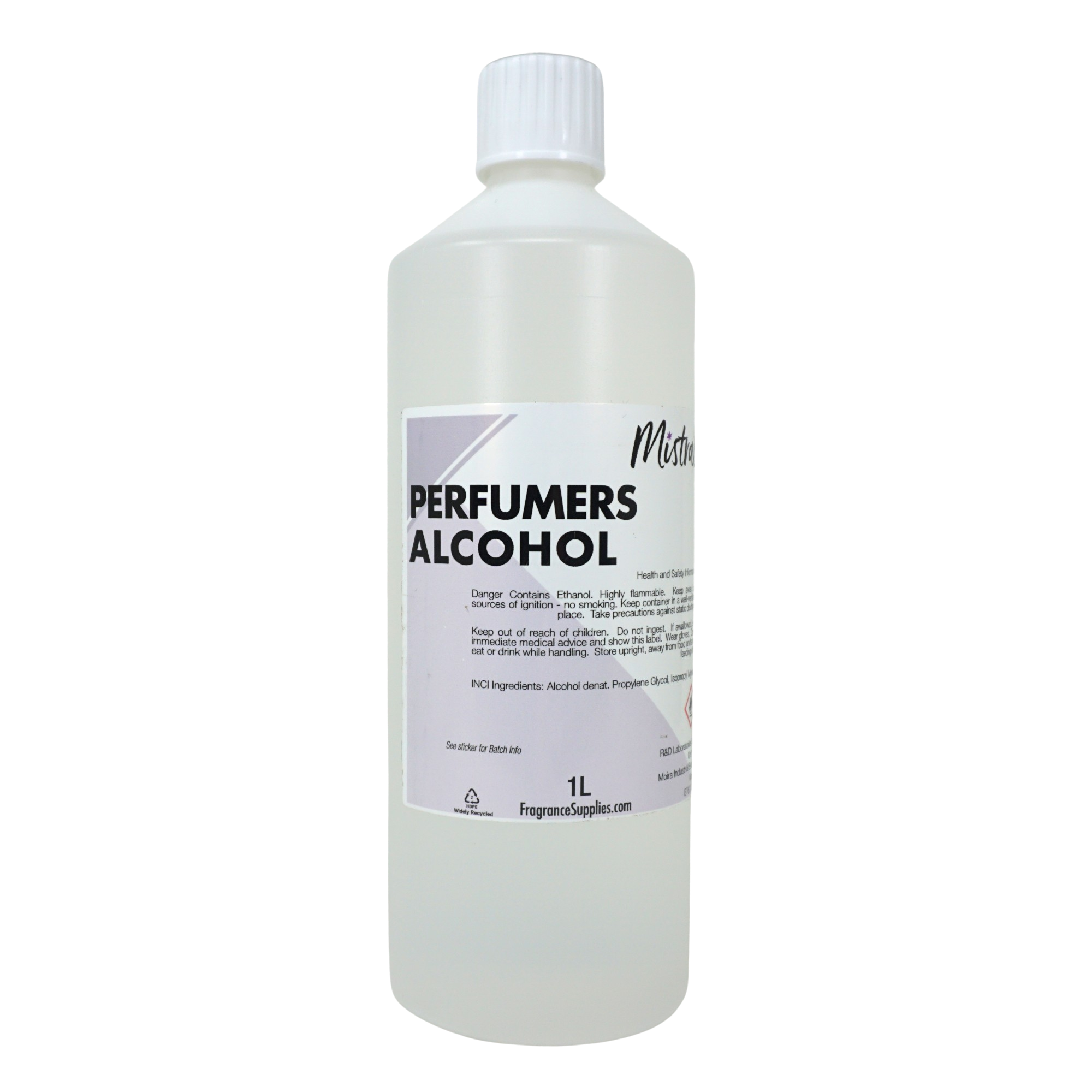
Perfumer’s alcohol, a seemingly simple ingredient, is in fact the bedrock upon which the vast and intricate world of fragrance is built. Far more than just a solvent, it plays a critical, multifaceted role in the creation, stability, and sensory experience of perfumes, directly influencing a brand’s identity, market positioning, and consumer perception. Understanding its composition, properties, and regulatory landscape is not merely a technical detail for formulators; it is a strategic imperative for any brand venturing into or established within the fragrance market. Its quality, or lack thereof, can define a brand’s reputation, affecting everything from product integrity to marketing claims and consumer trust.
The Foundational Role in Fragrance Branding
At its core, perfumer’s alcohol, typically a highly purified ethanol (ethyl alcohol), serves as the primary diluent and carrier for the concentrated fragrance oils (or “fragrance compounds”). Without it, the potent aroma chemicals would be too strong, too oily, and impossible to apply or diffuse effectively. Its role extends beyond simple dilution; it is a critical component that interacts with the fragrance oils, influencing how a scent develops on the skin and how long it lasts. For a brand, the choice and quality of perfumer’s alcohol are therefore inextricably linked to the overall product experience and, consequently, to the brand’s perceived value and quality.
Purity and Product Integrity
The purity of perfumer’s alcohol is paramount. Standard industrial or food-grade ethanol often contains impurities or undesirable notes that can clash with, or even destroy, the delicate balance of a fragrance composition. Perfumer’s alcohol, by contrast, is specifically distilled and processed to be as neutral and odorless as possible. This ultra-purity ensures that the alcohol acts as a true blank canvas, allowing the intricate layers of top, middle, and base notes in a fragrance to express themselves without interference. For a brand, this means that the investment in high-quality fragrance compounds is preserved, and the final product delivers the exact olfactory experience intended by the perfumer. Any compromise in alcohol purity can lead to off-notes, accelerated degradation of the fragrance, or a shorter shelf life, all of which directly undermine product integrity and damage brand reputation. A brand committed to luxury or premium positioning must, by definition, prioritize the highest grade of perfumer’s alcohol to maintain consistency and excellence.
Impact on Scent Profile and Longevity
Beyond purity, perfumer’s alcohol contributes significantly to a fragrance’s performance characteristics, including its sillage (the trail a scent leaves), projection (how far the scent radiates), and longevity (how long it lasts on the skin). Alcohol’s volatility allows it to evaporate quickly upon application, carrying the fragrance molecules with it into the air, thus facilitating the “bloom” and diffusion of the scent. As it evaporates, it also leaves the heavier fragrance oils behind on the skin, allowing them to evolve over time. Different alcohol concentrations and types can subtly alter these dynamics. A brand might choose a specific denatured alcohol blend, for example, not just for regulatory reasons but also for its specific evaporation curve, which can fine-tune the sensory journey of a perfume. This nuanced understanding allows brands to craft distinct olfactory experiences that align with their creative vision and marketing promises, whether it’s a fleeting, fresh eau de cologne or a long-lasting, opulent extrait de parfum.
Regulatory Compliance and Brand Credibility
The handling and sale of alcohol are subject to stringent regulations globally, making perfumer’s alcohol a complex ingredient from a legal and logistical standpoint. These regulations vary significantly by region and often distinguish between potable alcohol (for consumption) and non-potable alcohol (for industrial or cosmetic use). To circumvent the high taxes and strict controls associated with potable alcohol, perfumer’s alcohol is typically “denatured.” Denaturation involves adding small amounts of specific chemicals (denaturants) that render the alcohol unfit for consumption without significantly altering its performance in a fragrance. For a fragrance brand, navigating this regulatory landscape is crucial for market access, operational efficiency, and maintaining impeccable brand credibility.
Global Standards and Market Access
Denaturants are not universally approved, and the specific formulas for denatured alcohol can differ widely across countries and economic blocs. For instance, the European Union has specific requirements for denatured alcohol (e.g., using T-butyl alcohol, diethyl phthalate, or specific bittering agents), while the United States might permit different formulations (e.g., SDA 40-B, which contains tert-butyl alcohol and brucine sulfate or denatonium benzoate). A brand planning to distribute its fragrances internationally must be intimately familiar with these varying regulations. Failure to comply can result in costly product recalls, import rejections, significant fines, and severe damage to a brand’s reputation and its ability to operate in specific markets. Therefore, strategic sourcing of perfumer’s alcohol, understanding regional denaturant preferences, and ensuring proper labeling are essential components of a brand’s global expansion strategy, directly impacting its logistical capabilities and market reach.
Transparency and Consumer Trust

In an era of increasing consumer awareness and demand for transparency, how a brand addresses ingredients like alcohol can profoundly impact trust. While denaturants are added in minuscule, non-toxic amounts, some consumers may have concerns about their presence, especially those seeking “clean” or “natural” beauty products. For brands targeting these segments, clear communication about the type of perfumer’s alcohol used, the reason for denaturation, and assurances of safety are vital. Providing ingredient lists that conform to INCI (International Nomenclature of Cosmetic Ingredients) standards, alongside accessible explanations on a brand’s website or packaging, can build confidence. Brands that proactively educate their audience on such technical aspects demonstrate integrity and a commitment to their customers, thereby strengthening their brand equity. Conversely, a lack of transparency or evasiveness can lead to suspicion and erode the perception of authenticity.
Formulation Strategy and Brand Differentiation
The choice of perfumer’s alcohol is not merely a matter of compliance or purity; it’s a strategic decision that can enable significant brand differentiation. While highly purified ethanol is the standard, innovative brands are exploring various avenues to either optimize its use or offer alternatives, catering to specific consumer preferences and positioning their products uniquely in a crowded market. This strategic formulation directly contributes to a brand’s competitive edge and its ability to carve out niche markets.
Denaturants and Custom Formulations
While regulatory bodies dictate what denaturants are permissible, brands can sometimes have a say in which permissible denaturant blend is used, based on their specific needs and desired product profile. Some denaturants might be preferred over others for their minimal impact on scent, or conversely, avoided if they introduce even a hint of an undesirable note. Advanced fragrance houses may even work with alcohol suppliers to create custom denatured alcohol formulations that are optimized for their unique fragrance compounds, ensuring maximum compatibility and performance. This level of meticulous attention to a seemingly minor ingredient underscores a brand’s commitment to excellence and can be a powerful, albeit subtle, point of differentiation. For a luxury brand, this bespoke approach to sourcing and formulation reinforces its narrative of uncompromising quality and artisanal craftsmanship, justifying premium price points.
The “Alcohol-Free” Trend and Niche Branding
A significant trend in the modern fragrance market is the rise of “alcohol-free” formulations. Driven by consumer preferences for milder products, religious considerations, or concerns about alcohol’s drying effects on skin, this niche offers a powerful avenue for brand differentiation. Instead of ethanol, these formulations typically utilize alternative carriers like specialized oils (e.g., jojoba oil, fractionated coconut oil), silicones, or water-based emulsions with solubilizers. For a brand, developing an alcohol-free line requires a completely different approach to formulation, as these carriers behave differently in terms of volatility, skin feel, and how they interact with fragrance oils. However, successfully executing an alcohol-free range can open up new market segments, resonate with specific demographic groups, and position a brand as innovative, inclusive, and attuned to evolving consumer needs. This move allows brands to communicate values such as gentleness, naturalness, or ethical sourcing, establishing a distinct brand identity that stands apart from traditional alcohol-based fragrances.
Marketing and Consumer Perception
How a brand communicates about its use of perfumer’s alcohol, or its alternatives, is integral to its marketing strategy and shapes consumer perception. Beyond the technicalities, it’s about translating complex ingredient information into a compelling brand narrative that resonates with the target audience and reinforces the brand’s core values.
Communicating Quality and Safety
For brands utilizing traditional perfumer’s alcohol, the marketing challenge lies in subtly conveying its role as a high-quality, essential component rather than a generic filler. Highlighting the purity of the alcohol, its pharmaceutical grade, or its role in ensuring the fragrance’s longevity and sillage can elevate its status in the consumer’s mind. For example, a brand might emphasize “ultra-pure, cosmetic-grade alcohol” to assure consumers of its safety and efficacy. When addressing denaturation, transparent communication about its necessity for regulatory compliance and the safety of the denaturants used can preempt concerns. This proactive approach helps to demystify the ingredient, building consumer confidence and reinforcing the brand’s commitment to safety and quality standards, which are pillars of strong brand equity.

Crafting the Brand Narrative
The choice of alcohol, or its absence, can be woven into the very fabric of a brand’s story. For a brand that prides itself on traditional French perfumery, emphasizing the meticulous selection of its “finest grade perfumer’s alcohol” can evoke heritage and craftsmanship. Conversely, a brand launching an alcohol-free line can build an entire narrative around innovation, gentleness, and catering to sensitive skin or specific lifestyles, positioning itself as a modern solution to traditional fragrance challenges. This narrative can be reflected in packaging design, website content, social media campaigns, and even the language used by sales associates. Ultimately, how a brand frames its perfumer’s alcohol strategy—whether it’s a commitment to time-honored techniques, a pioneering spirit in new formulations, or a dedication to specific consumer needs—becomes a powerful tool for connecting with its audience and solidifying its unique place in the market. The seemingly simple question of “what is perfumers alcohol” thus unveils a complex interplay of science, regulation, and marketing that is fundamental to building a successful and credible fragrance brand.
aViewFromTheCave is a participant in the Amazon Services LLC Associates Program, an affiliate advertising program designed to provide a means for sites to earn advertising fees by advertising and linking to Amazon.com. Amazon, the Amazon logo, AmazonSupply, and the AmazonSupply logo are trademarks of Amazon.com, Inc. or its affiliates. As an Amazon Associate we earn affiliate commissions from qualifying purchases.