
In the dynamic world of branding, where perception is often reality, understanding how your message is received is not just beneficial—it’s foundational. “Perception checking” is a critical communication strategy, serving as a powerful lens through which brands, professionals, and organizations can verify their understanding of how their identity, messages, and actions are interpreted by others. It’s the deliberate act of clarifying assumptions about another person’s feelings, thoughts, or intentions, ensuring that the intended message aligns with the received message. For brands, this translates into a meticulous process of validating audience understanding, stakeholder sentiment, and internal alignment, thereby fortifying brand integrity and enhancing overall communication effectiveness.
The Cornerstone of Effective Brand Communication
At its core, branding is about managing perceptions. A brand is not merely what a company says it is, but what its audience perceives it to be. This intricate dance between projection and reception necessitates a robust mechanism for verification. Perception checking, in this context, moves beyond simple feedback; it’s a proactive, structured approach to ensure that the elaborate narratives, visual identities, and values a brand painstakingly cultivates are not only seen but accurately understood and resonating with its intended audience.
Without perception checking, brands operate in a vacuum, risking misinterpretation, erosion of trust, and the squandering of marketing efforts. It provides the necessary data points to gauge whether a new campaign communicates its core benefit, if a corporate social responsibility initiative genuinely resonates with community values, or if a leader’s vision is clearly articulated across all internal departments. By systematically verifying these perceptions, brands can identify discrepancies, address misunderstandings promptly, and refine their communication strategies to achieve greater clarity and impact. This proactive clarification builds a stronger, more authentic connection with stakeholders, turning assumptions into validated insights and fostering an environment of mutual understanding that is indispensable for sustained brand growth and loyalty.
Why Perception Checking is Indispensable for Your Brand
The strategic application of perception checking offers a multitude of benefits, solidifying its status as an indispensable tool in the modern brand builder’s arsenal. From mitigating risks to driving growth, its impact is far-reaching.
Bridging the Perception-Reality Gap
Every brand projects an intended image – a carefully crafted persona, a set of values, a unique promise. However, the reality of how that brand is perceived by its diverse audiences can often diverge significantly from this ideal. This “perception-reality gap” can undermine marketing efforts, dilute brand equity, and foster confusion. Perception checking actively seeks to identify and measure this gap. By systematically asking, observing, and validating how messages, actions, and identities are interpreted, brands can uncover discrepancies between their desired image and their actual reception. This insight is crucial for making informed adjustments, allowing brands to either refine their communication to align with their intent or, if necessary, adapt their identity to better meet audience expectations, thereby closing the gap and strengthening their market position.
Enhancing Brand Authenticity and Trust
In an era where consumers are increasingly skeptical of corporate rhetoric, authenticity and transparency are paramount. Brands that engage in perception checking demonstrate a genuine commitment to understanding their audience. By actively seeking to verify interpretations rather than just broadcasting messages, a brand communicates humility, attentiveness, and a willingness to engage in genuine dialogue. This proactive approach fosters trust, as stakeholders perceive the brand as being transparent and responsive. When a brand shows it cares about how its message lands and is willing to adapt based on feedback, it builds a foundation of credibility that is invaluable for long-term relationships and brand loyalty.
Mitigating Brand Crises
Misunderstandings, if left unaddressed, can quickly escalate into full-blown crises. A poorly worded statement, an ill-conceived campaign, or an action taken out of context can rapidly ignite negative sentiment across social media and traditional news outlets. Perception checking acts as an early warning system. By continuously monitoring and verifying audience interpretations, brands can detect nascent misinterpretations or emerging negative sentiments before they gain significant traction. This allows for swift, targeted intervention – whether it’s issuing a clarification, adjusting a message, or recalibrating a strategy – thereby preventing minor issues from metastasizing into reputation-damaging events. Proactive perception checking is a vital component of crisis preparedness and resilience.
Driving Targeted Marketing & Design
Effective marketing and design are predicated on a deep understanding of the target audience. Their needs, desires, cultural nuances, and communication styles dictate the efficacy of any campaign or visual asset. Perception checking provides invaluable data for optimizing these efforts. By validating whether marketing messages resonate as intended, if visual designs evoke the desired emotional response, or if user interfaces are intuitively understood, brands can fine-tune their approaches. This leads to more precise targeting, higher engagement rates, and ultimately, a more efficient allocation of marketing and design resources. It ensures that every touchpoint effectively communicates the brand’s value proposition and reinforces its identity.
Fostering Internal Brand Alignment
A strong external brand image must be mirrored by a cohesive internal culture. Employees are often the primary ambassadors of a brand, and their understanding and embodiment of the corporate identity are crucial. Perception checking extends to internal communications, ensuring that all employees, from leadership to frontline staff, share a common understanding of the brand’s mission, values, and strategic objectives. By verifying that internal messages are consistently interpreted and that the desired company culture is being lived out, organizations can foster a unified front. This internal alignment not only boosts employee morale and productivity but also ensures that the brand’s external promise is consistently delivered through every employee interaction.
Implementing Perception Checking in Your Brand Strategy

Integrating perception checking into a brand strategy requires a systematic and empathetic approach. It’s not a one-time event but an ongoing commitment to understanding and adapting.
Active Listening and Feedback Loops
The bedrock of effective perception checking is establishing robust channels for genuine feedback. This goes beyond passive observation; it demands active listening. Brands must create diverse feedback loops that encourage stakeholders to share their perceptions openly. This includes formal methods like structured surveys, focus groups, and one-on-one customer interviews designed to elicit detailed qualitative insights. It also encompasses informal channels such as social media monitoring, comment sections, online forums, and direct customer service interactions, where unfiltered sentiments often emerge. The key is not just to collect data, but to genuinely listen to what is being communicated, both explicitly and implicitly, and to demonstrate that this feedback is valued and acted upon.
Formulating Clear, Non-Judgmental Inquiries
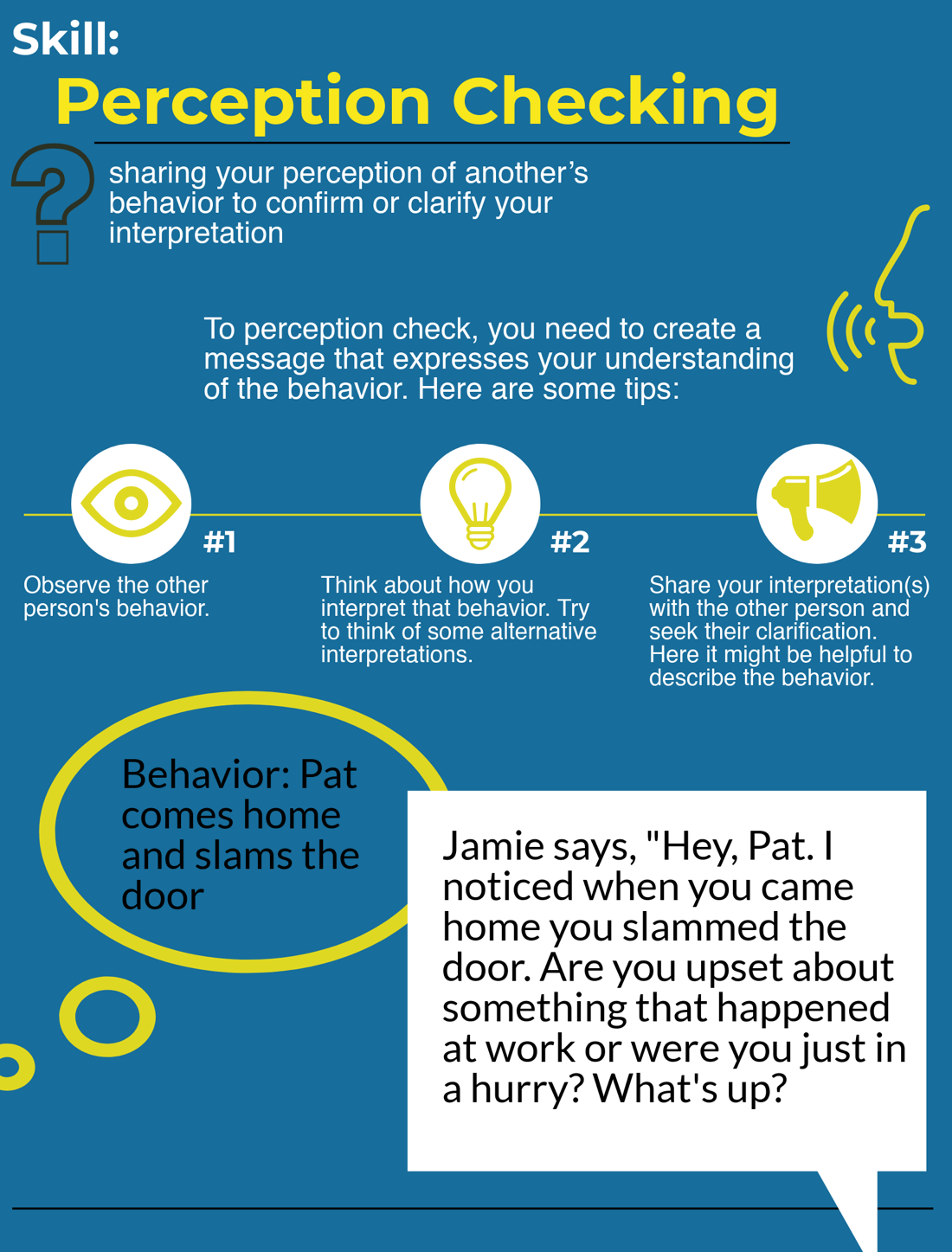
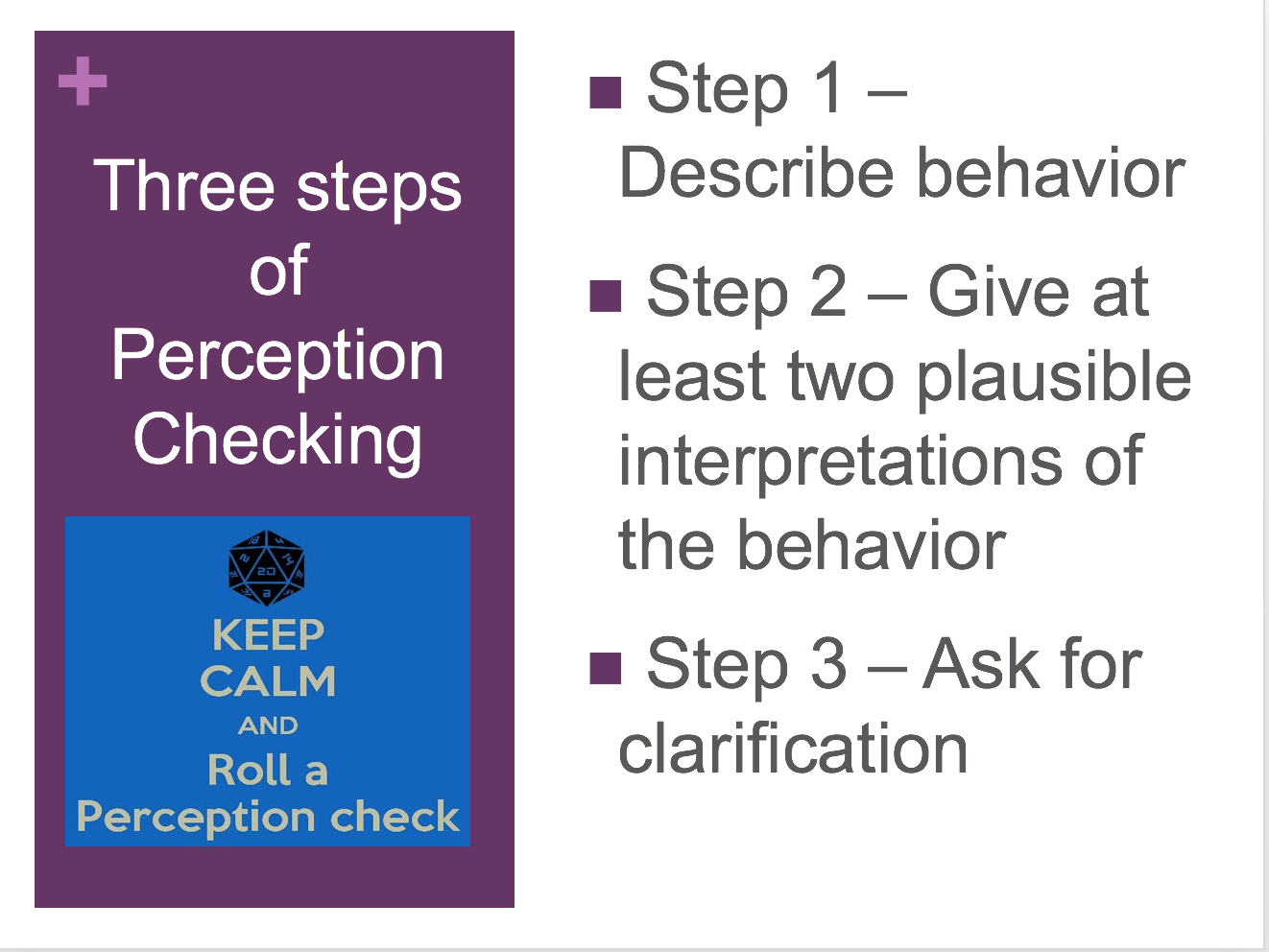
When directly engaging in perception checking, the way questions are framed is critical. Inquiries must be clear, concise, and, most importantly, non-judgmental. The goal is to understand, not to correct or defend. A perception check typically has three parts:
- Describe the observed behavior or message: “I noticed that when we launched our new product packaging, many comments on social media focused on its minimalist design.”
- Offer two possible interpretations: “I’m wondering if this implies that the design is seen as elegant and modern, or perhaps as too simple and lacking character?”
- Request clarification: “Could you help me understand your perception, or the general public’s perception, of the new packaging?”
This structured approach encourages honest responses by showing that the brand is open to different interpretations and is seeking clarity rather than validation.
Observing Non-Verbal Cues and Context
Perception is often communicated beyond words. For brands, “non-verbal cues” translate to market reactions, engagement metrics, sentiment analysis, and behavioral data. When a new marketing campaign rolls out, perception checking involves not just direct feedback but also observing click-through rates, conversion rates, social media shares, likes, and comments (both positive and negative). Analyzing patterns in customer reviews, media coverage, and even competitor analysis can provide context. These data points, combined with qualitative feedback, paint a holistic picture of how a brand is being perceived. Understanding the broader context—cultural trends, economic shifts, or competitive landscape—is also essential for accurately interpreting perceptions.
Iterative Adjustment and Refinement
Perception checking is not a static process; it’s a cyclical one that fuels continuous improvement. Once perceptions are gathered and analyzed, the next critical step is to make informed adjustments to communication strategies, brand messaging, design elements, or even product offerings. This might involve refining a marketing campaign, rephrasing a brand statement, or redesigning a user interface. The loop then closes as the brand implements these changes and subsequently conducts further perception checks to measure the impact of the adjustments. This iterative refinement ensures that the brand remains agile, responsive, and consistently aligned with its intended identity and audience expectations.
Practical Applications Across Brand Dimensions
The utility of perception checking extends across virtually every facet of brand management, offering specific advantages in various contexts.
Personal Branding
For individuals building their professional reputation, perception checking is invaluable. It involves actively seeking feedback from mentors, colleagues, clients, and even direct reports on how one’s professional persona, communication style, and leadership qualities are perceived. This might include asking questions like, “When I presented that idea, did my approach come across as confident and collaborative, or perhaps too assertive?” Understanding these external perceptions helps individuals refine their personal brand to align with their career aspirations and professional image goals, fostering greater impact and career growth.
Corporate Brand Identity
At the organizational level, perception checking is critical for ensuring the corporate identity—including mission, vision, values, and visual elements—is understood and resonates both internally and externally. This can involve internal surveys to gauge employee understanding of core values, external brand audits to assess public recognition and sentiment regarding the logo or brand colors, and focus groups to test new messaging before widespread launch. The goal is to verify that the corporate identity is consistently interpreted and evokes the desired emotional and intellectual responses across all stakeholder groups.
Marketing & Communications
In marketing, perception checking is a continuous process. Before launching a major campaign, A/B testing different headlines, images, or calls to action can reveal which elements resonate most effectively. Post-campaign, tools like sentiment analysis on social media, follow-up surveys, and engagement metrics help marketers verify if the desired message was accurately received and if the campaign achieved its intended persuasive or informative impact. It ensures that marketing efforts are not just seen, but correctly interpreted and acted upon.
Product/Service Branding
For specific products or services, perception checking focuses on how offerings are perceived in terms of value, utility, and user experience. This includes user testing sessions where observers note how individuals interact with a product and then verify their understanding of features or benefits. Customer interviews and analysis of online reviews provide direct feedback on whether the product meets expectations, solves perceived problems, and delivers on its brand promise. Understanding these perceptions is vital for product development, feature prioritization, and refining the product’s market positioning.
aViewFromTheCave is a participant in the Amazon Services LLC Associates Program, an affiliate advertising program designed to provide a means for sites to earn advertising fees by advertising and linking to Amazon.com. Amazon, the Amazon logo, AmazonSupply, and the AmazonSupply logo are trademarks of Amazon.com, Inc. or its affiliates. As an Amazon Associate we earn affiliate commissions from qualifying purchases.