
The unexpected sight of green tap water can be alarming for any homeowner in Austin. While immediate concerns often drift to health and safety, a deeper dive reveals that modern technological advancements are increasingly instrumental in diagnosing, monitoring, and mitigating such anomalies. From sophisticated sensor networks to AI-driven analytics, technology provides the critical tools necessary to unravel the mystery of green water and ensure public health.
Leveraging Advanced Sensor Technologies for Water Quality Monitoring
The first line of defense against water quality issues like green discoloration lies in continuous, real-time monitoring. Austin, like many modern municipalities, is increasingly deploying advanced sensor technologies throughout its water treatment and distribution systems to detect deviations from established safety and aesthetic standards. These integrated systems provide an unparalleled level of insight into water composition.
Real-Time Detection and Anomaly Alerts
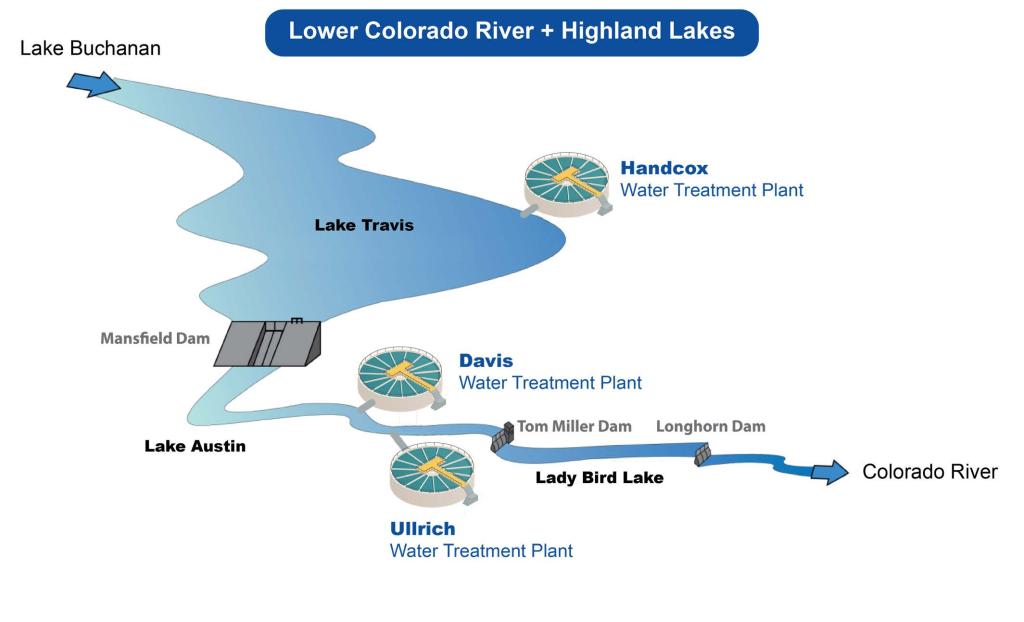
Cutting-edge sensors, often equipped with Internet of Things (IoT) capabilities, are strategically placed at various points: at the water source (e.g., Lake Travis or the Colorado River), within treatment plants, and across the vast network of pipelines leading to homes. These sensors continuously measure parameters such as pH, turbidity, dissolved oxygen, chlorine levels, temperature, and specific chemical compounds. When water takes on an unusual color, such as green, it often correlates with changes in these parameters. For instance, high levels of specific organic compounds or elevated copper concentrations, which can cause bluish-green tints, would trigger immediate alerts. These alerts are automatically transmitted to central monitoring stations, allowing utility operators to respond proactively rather than reactively, minimizing the time between detection and investigation. The speed of data acquisition and transmission is crucial, moving from manual, periodic sampling to instantaneous digital reporting.
Data Analytics and Predictive Modeling
The sheer volume of data generated by these sensor networks would be overwhelming without robust data analytics platforms. Modern water utilities employ sophisticated software that ingests, processes, and analyzes this continuous stream of information. Algorithms are trained to identify patterns, detect subtle trends, and flag anomalies that might otherwise go unnoticed. Beyond simply reporting current conditions, these systems are increasingly capable of predictive modeling. By correlating sensor data with historical records, weather patterns, seasonal changes, and local events, AI and machine learning models can forecast potential water quality issues before they fully manifest. For example, a confluence of warm temperatures, high nutrient runoff, and low water flow might predict an increased likelihood of algal blooms, a common cause of green water, enabling pre-emptive measures to be taken.
Identifying Contaminant Sources Through Digital Forensics
Once green water is detected, the next crucial step is pinpointing its exact cause. Technology aids this “digital forensics” by providing tools for precise identification, moving beyond educated guesses to data-driven conclusions.
Algae Blooms and Environmental Monitoring Platforms
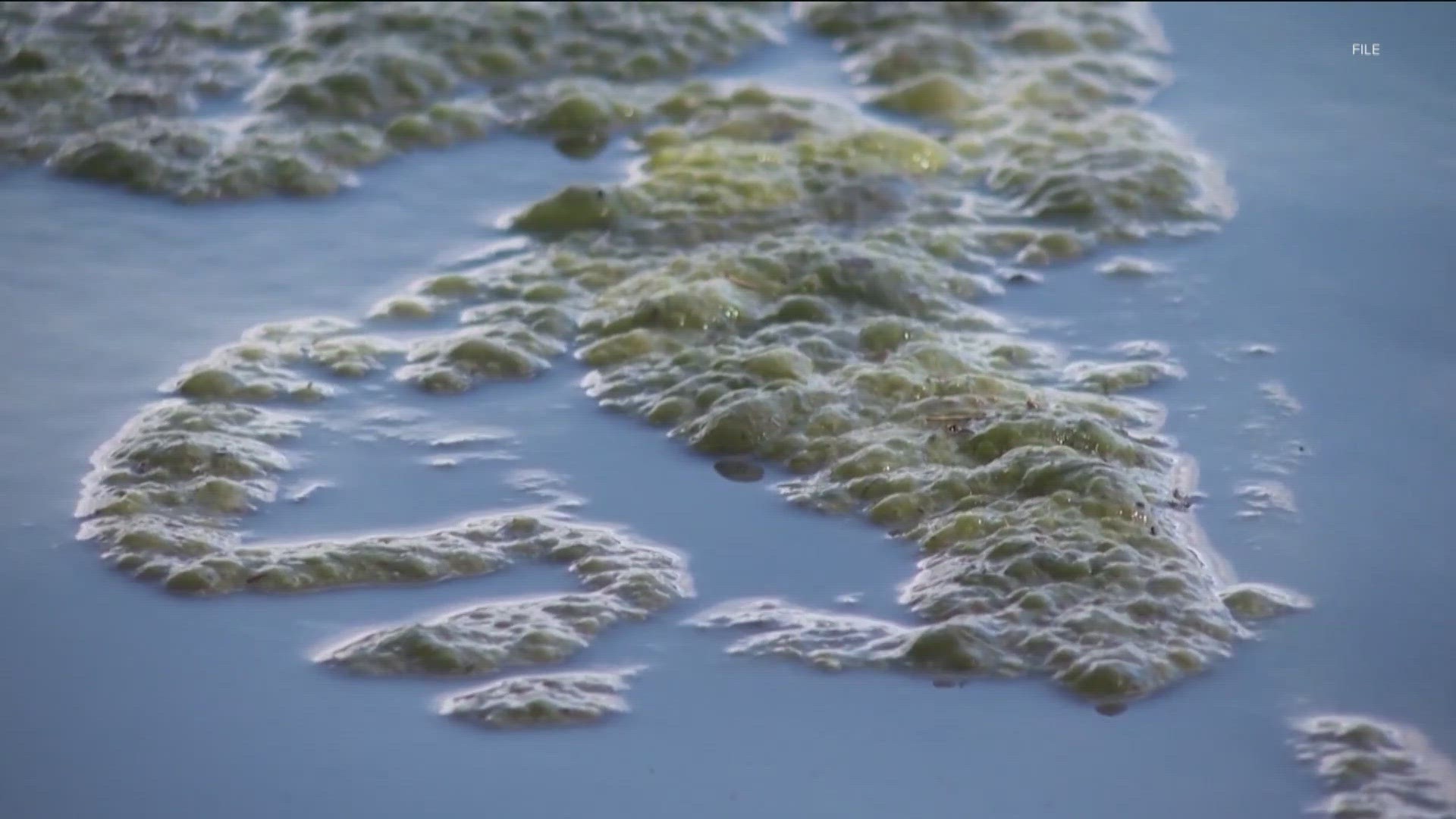
One of the most common natural causes of green tap water, especially in regions like Austin with significant surface water sources, is the presence of harmless (though sometimes aesthetically displeasing) algae. These microscopic organisms can proliferate rapidly under certain environmental conditions, such as warm temperatures and nutrient-rich waters. Modern environmental monitoring platforms utilize satellite imagery, drone surveillance, and specialized spectroradiometers to monitor water bodies for algal growth. These technologies can detect chlorophyll concentrations and specific algal pigments from a distance, providing early warnings of potential blooms in the source water. This information, integrated with real-time sensor data from the water intake points, helps Austin Water determine if an algal bloom is indeed the culprit and adjust treatment processes accordingly, such as modifying coagulation, filtration, or disinfection protocols to effectively remove these organisms.
Copper Corrosion and Plumbing Diagnostics
Another potential cause of green or bluish-green tap water, particularly when it occurs intermittently or only in specific homes, is the corrosion of copper pipes within the plumbing system. When water sits in copper pipes for extended periods, or if the water’s pH balance is slightly off (e.g., acidic), copper can leach into the water, imparting a greenish tint. Technology assists in diagnosing this in several ways. Specialized handheld digital meters can quickly and accurately test for copper levels at the tap. For more complex issues, non-invasive plumbing diagnostic tools, such as infrared cameras and ultrasonic leak detectors (though primarily for leaks, they can indicate areas of potential corrosion where water might be stagnating), can help identify problem areas within a home’s internal plumbing without destructive testing. Furthermore, water quality analysts can use sophisticated laboratory equipment, including inductively coupled plasma-mass spectrometry (ICP-MS), to precisely identify and quantify trace metals like copper in water samples, confirming corrosion as the source.
Smart Infrastructure and Water Treatment Innovations
Beyond detection and identification, technology also plays a transformative role in the prevention and remediation of green water issues within the municipal water infrastructure.
Automated Filtration and Disinfection Systems
Modern water treatment plants are highly automated, employing sophisticated control systems to optimize filtration and disinfection processes. When an algal bloom is detected, or if organic matter causing discoloration is identified, these systems can automatically adjust parameters such as the dosage of coagulants, the speed of filtration, or the level of disinfection. Advanced filtration membranes, including ultrafiltration and nanofiltration, which are far more effective at removing tiny particles and microorganisms than traditional sand filters, are also being integrated. UV disinfection systems, controlled by digital feedback loops, can effectively neutralize algae and other microorganisms without adding chemicals, ensuring clear and safe water. These automated systems reduce human error and ensure a consistent quality output, even when faced with fluctuating raw water conditions.
IoT-Enabled Distribution Network Management
The water distribution network itself is evolving into a “smart grid.” IoT sensors within pipes monitor flow rates, pressure, and temperature, alongside water quality. This data allows utilities to identify areas of low flow or stagnation, which can contribute to localized water quality issues, including the build-up of sediments or conditions favorable for bacterial/algal growth. Smart valves can be remotely controlled to flush specific sections of the network, preventing water from sitting too long. Digital twin technology, creating a virtual replica of the entire water network, allows operators to simulate different scenarios and predict the impact of various interventions, optimizing maintenance schedules and ensuring that water reaches consumers in pristine condition.
Empowering Citizens with Water Quality Apps and Reporting Tools
Technology also extends beyond the utility, empowering residents to be part of the solution and to access information about their water quality.
Community-Driven Data Collection and Transparency
Many modern cities are developing or adopting mobile applications and online portals that allow residents to easily report water quality concerns, including unusual colorations. These apps often allow users to submit photos, GPS locations, and detailed descriptions, feeding valuable real-time data directly into the utility’s monitoring system. This crowd-sourced information can complement sensor networks, helping to pinpoint localized issues rapidly. Furthermore, these platforms promote transparency by providing accessible information about water quality reports, treatment processes, and advisories. Austin residents can often access online dashboards displaying current water quality parameters, ensuring they are informed and engaged stakeholders in their local water system.
Digital Tools for Health and Safety Guidance
Beyond reporting, these digital tools can also offer immediate guidance. If green water is reported, the app or online portal can provide information on potential causes, explain what the utility is doing, and offer advice on whether the water is safe for consumption or if specific precautions should be taken (e.g., boiling water). This direct communication channel, powered by digital platforms, helps to allay fears, prevent misinformation, and provide actionable steps to residents, reinforcing trust between the community and the water utility.
The Future of Water Quality Management: AI and Machine Learning
The trajectory of water quality management is increasingly defined by advanced computational power. Artificial Intelligence and Machine Learning are not just assisting current processes but are poised to revolutionize how we understand and manage our most vital resource.
Proactive Problem Identification
The next generation of AI in water management will move beyond simply predicting trends to proactively identifying emerging threats. By analyzing vast, disparate datasets—including weather forecasts, satellite imagery, industrial discharge permits, agricultural runoff data, and even social media sentiment—AI models will be able to detect subtle environmental shifts that could lead to water quality degradation, long before any physical symptoms appear in the water itself. For instance, an AI could correlate an unusual combination of temperature, rainfall, and nutrient loading in a specific watershed with historical instances of algal blooms, triggering preventative measures even before the algae begin to multiply.

Optimized Resource Allocation
AI and machine learning will also play a critical role in optimizing the allocation of resources for treatment and maintenance. By continuously analyzing the performance of different treatment chemicals, filtration methods, and distribution network configurations, AI can recommend the most efficient and effective strategies for maintaining water quality. This not only ensures clearer, safer water but also leads to significant cost savings and environmental benefits by reducing chemical usage, energy consumption, and unnecessary infrastructure repairs. For a city like Austin, committed to sustainability and efficiency, these technological advancements are not just beneficial but essential for future water security and quality.
aViewFromTheCave is a participant in the Amazon Services LLC Associates Program, an affiliate advertising program designed to provide a means for sites to earn advertising fees by advertising and linking to Amazon.com. Amazon, the Amazon logo, AmazonSupply, and the AmazonSupply logo are trademarks of Amazon.com, Inc. or its affiliates. As an Amazon Associate we earn affiliate commissions from qualifying purchases.