
The pristine appearance of a well-maintained yard is often a source of pride, contributing significantly to a home’s curb appeal and, more importantly, its financial value. When mysterious holes begin to appear, the immediate concern shifts from aesthetics to an underlying problem that could be silently eroding your property’s worth and demanding unexpected financial outlays. Identifying the source of these holes is not just about restoring your lawn; it’s a critical step in protecting one of your most substantial investments. From direct repair costs to potential long-term devaluation, understanding the financial implications and implementing strategic solutions is paramount for any homeowner.
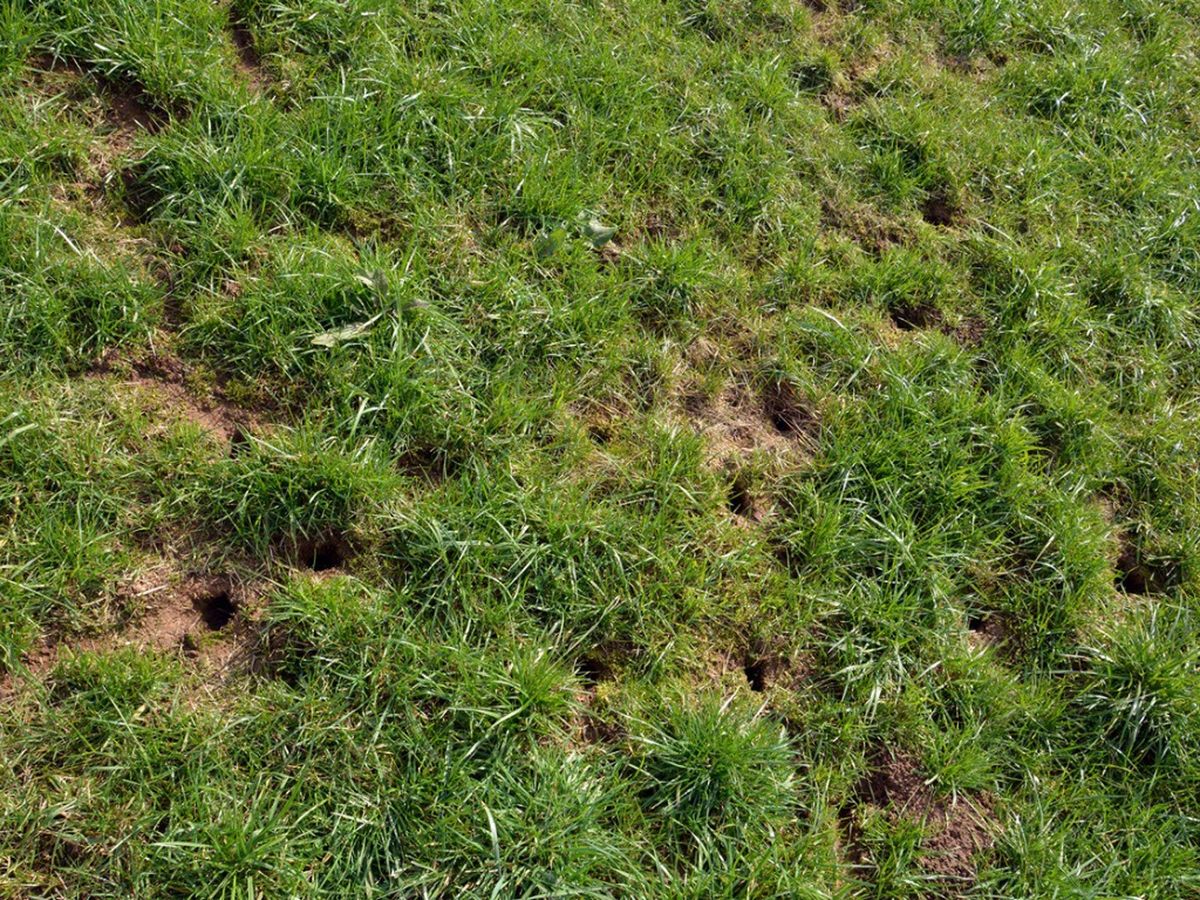
The Hidden Financial Drain of Unidentified Yard Damage
Those seemingly innocuous holes in your yard are rarely just cosmetic blemishes. They are often symptoms of a deeper issue that can lead to a cascade of financial consequences, impacting both your immediate budget and the long-term equity of your home.
Immediate Repair Costs: A Growing Tab
The most apparent financial impact of yard holes comes in the form of repair. Depending on the extent and nature of the damage, these costs can accumulate rapidly. Filling a few small divots might seem minor, requiring only a bag of topsoil and some grass seed. However, widespread burrowing can necessitate extensive lawn repair, including significant soil remediation, re-seeding or re-sodding large sections, and even irrigation system repairs if pipes are compromised.
Beyond the visible damage, the unseen destruction beneath the surface can be even more costly. Burrows can weaken the structural integrity of your lawn, leading to uneven surfaces that are tripping hazards and can cause water drainage issues. If pests are feeding on roots or utility lines, the cost escalates to include landscape contractors, plumbers, or even electricians. The cumulative effect of these repairs can range from a few hundred dollars for minor isolated issues to several thousands for widespread infestation and subsequent restoration, diverting funds from other critical household expenses or savings goals.
Diminished Property Value: Your Largest Asset at Risk
Perhaps the most significant, yet often overlooked, financial consequence of yard damage is its impact on your property’s market value. A well-landscaped and healthy lawn significantly contributes to a home’s curb appeal, which is a primary factor for potential buyers. Studies consistently show that well-maintained landscaping can add between 7% and 15% to a home’s value. Conversely, a yard riddled with holes, dead patches, and uneven terrain presents a picture of neglect, immediately detracting from perceived value.
When potential buyers see a damaged yard, they often envision the immediate expenses and effort required to rectify the problem, which can translate into lower offers or even deter them entirely. This “curb appeal penalty” can erode thousands of dollars from your home’s asking price. Moreover, a visibly troubled lawn might signal deeper issues to prospective buyers, leading them to question the overall maintenance of the property, potentially impacting appraisal values. Addressing yard damage proactively is not just about aesthetics; it’s a strategic investment in preserving and enhancing your property’s most vital financial asset.
Identifying the Culprits: An Investment in Prevention
Understanding what is causing the holes in your yard is the crucial first step toward effective remediation and, critically, cost-effective prevention. Misdiagnosing the problem can lead to wasted effort, ineffective treatments, and continued financial drain.
Common Pests and Their Financial Footprint
Different burrowing creatures leave distinct signs and cause varied types of damage, each with its own set of financial implications for repair and control.
Moles and Voles: Subterranean Saboteurs
Moles are insectivores that create raised tunnels across your lawn as they hunt for grubs and worms. Their visible damage includes volcano-shaped mounds of soil (molehills) and meandering ridges. While they don’t eat plants, their tunneling can sever roots, killing grass and plants, and creating uneven surfaces.
Voles, on the other hand, are rodents that feed on plant material. They create smaller, dime-sized holes and distinct, shallow “runways” through the grass. Voles can girdle trees and shrubs, killing them outright, representing a significant investment loss in landscaping.
Financial Footprint: Repairing mole tunnels and voles’ root damage often involves extensive re-seeding or re-sodding, potentially costing hundreds to thousands of dollars depending on the affected area. Replacing mature trees or shrubs killed by voles can easily run into hundreds or even thousands per plant, especially for specimen trees.
Gophers: The Lawn Landscapers
Gophers are notorious for creating extensive burrow systems. They push soil to the surface, forming crescent-shaped mounds of loose dirt with a plugged hole nearby. These rodents are strictly herbivores and can rapidly decimate garden plants, root systems, and even underground irrigation lines.
Financial Footprint: Gopher damage is often severe and widespread. Repairing their burrows, replanting affected garden beds, and mending irrigation systems can incur substantial costs. A gopher infestation can quickly lead to the loss of entire vegetable gardens or perennial beds, requiring significant re-investment in plants and supplies. Damage to utility lines can lead to emergency repair costs that far exceed simple landscaping.

Skunks and Raccoons: Nocturnal Nuisances
These larger mammals are often secondary pests. They dig shallow, cone-shaped holes or tear up turf while foraging for grubs, worms, and insects, especially after rain or when the ground is soft. Their presence indicates an underlying insect problem in your lawn.
Financial Footprint: While their holes are usually less extensive than those of moles or gophers, repeated foraging can lead to significant lawn damage, requiring re-seeding and soil amendment. More importantly, addressing the skunk or raccoon problem often means investing in pest removal or determent, which can be costly, and then tackling the primary grub infestation that attracted them in the first place, adding further expense.
Insects (Grubs): Root of the Problem
Often, the small, irregular holes or torn-up patches are not directly from a rodent but from larger animals digging for grubs – the larvae of beetles like Japanese beetles or June bugs. Grubs feed on grass roots, causing patches of turf to die and become easily pulled back like a rug.
Financial Footprint: A grub infestation is a dual financial threat. First, the grubs themselves kill grass, necessitating repair. Second, they attract larger, more destructive animals. Treating grubs involves purchasing insecticides or natural deterrents, potentially several hundred dollars for a large yard, plus the cost of reseeding the damaged areas. Ignoring grubs guarantees recurring visits from skunks and raccoons, compounding the problem.
Professional Diagnostics: When to Invest in Expertise
While DIY identification can save initial costs, investing in professional diagnostics can be a financially prudent decision for persistent or widespread problems. Pest control experts and landscapers possess specialized knowledge to accurately identify the culprit based on hole patterns, soil disturbance, and droppings. They can also assess the extent of the damage, identify underlying issues (like severe grub infestations), and recommend the most effective, targeted, and often, the most cost-efficient treatment plan.
Hiring a professional might seem like an added expense, but it can prevent costly mistakes from misidentification, ineffective treatments, and recurring damage. A professional can offer integrated pest management strategies that address the root cause, providing a long-term solution that saves money compared to repeated, unsuccessful DIY attempts. Think of it as an investment in a robust financial defense for your landscape.
Strategic Solutions: Protecting Your Investment
Once the cause of the holes in your yard has been identified, the next step is to implement a strategic solution. This involves weighing the costs and benefits of various approaches, focusing on both immediate repair and long-term prevention to safeguard your financial investment.
DIY vs. Professional Services: Weighing the Financials
The decision to tackle yard damage yourself or hire a professional is primarily a financial one, balancing upfront costs against time, expertise, and guaranteed results.
- DIY Approach: For minor, isolated damage or small-scale infestations, a DIY approach can be cost-effective. Purchasing traps, deterrents, or appropriate pesticides and undertaking the labor yourself saves on professional service fees. However, DIY solutions require time, research, and a willingness to get hands-on. If misapplied or ineffective, DIY efforts can prolong the problem, leading to more extensive damage and ultimately higher costs. Furthermore, improper use of chemicals can harm beneficial wildlife or even pets, creating additional unforeseen expenses.
- Professional Services: For widespread damage, persistent problems, or if you lack the time or expertise, hiring a professional pest control or landscaping service is often the more financially sound choice in the long run. Professionals bring specialized equipment, effective treatments, and guarantees for their work. While the initial outlay is higher, their efficiency and expertise can resolve the issue quicker, prevent recurrence, and protect your landscape from further deterioration. They can also advise on preventative measures that save money in the future. Requesting multiple quotes and checking references is crucial for ensuring value.
Long-Term Prevention: Sustainable Savings
The most financially savvy approach to yard holes is prevention. Investing in preventative measures can significantly reduce the likelihood of future infestations and costly repairs.
- Integrated Pest Management (IPM): IPM strategies focus on understanding pest life cycles and using a combination of cultural, biological, and chemical methods to manage them sustainably. This includes maintaining a healthy lawn (proper watering, fertilization, mowing height), which makes it less attractive to pests and more resilient to damage.
- Physical Barriers: For burrowing animals, installing physical barriers like underground fencing (for gophers) or mesh around garden beds can be an effective, albeit labor-intensive, upfront investment that pays dividends by eliminating repeat damage.
- Habitat Modification: Removing food sources and shelter can deter pests. This means cleaning up fallen fruit, securing trash cans, and trimming overgrown vegetation. For grub problems, targeted, preventative grub control treatments applied at the correct time of year can prevent infestations before they start.
- Regular Inspections: Regularly inspecting your yard for early signs of pest activity allows for quick intervention, preventing small problems from escalating into costly disasters. Early detection is key to minimizing financial impact.

Insurance Considerations: Understanding Your Coverage
It’s important to review your homeowner’s insurance policy to understand what, if anything, is covered when it comes to yard damage. Most standard policies do not cover damage caused by pests like moles, gophers, or grubs, as this is typically considered a maintenance issue that falls under the homeowner’s responsibility. However, some policies might offer specific endorsements for certain types of animal damage, or damage to structures (like foundations or utility lines) indirectly caused by burrowing animals might be partially covered if it leads to a covered peril.
Understanding your policy’s limitations can prevent false expectations and help you budget appropriately for pest control and yard repair. While insurance may not offer a bailout, proactively managing your yard and investing in prevention is your best financial defense against the costs associated with those mysterious holes. Protecting your yard is protecting your wallet, ensuring your home remains a valuable asset for years to come.
aViewFromTheCave is a participant in the Amazon Services LLC Associates Program, an affiliate advertising program designed to provide a means for sites to earn advertising fees by advertising and linking to Amazon.com. Amazon, the Amazon logo, AmazonSupply, and the AmazonSupply logo are trademarks of Amazon.com, Inc. or its affiliates. As an Amazon Associate we earn affiliate commissions from qualifying purchases.