
In the intricate world of mechanical engineering and vehicle technology, the concept of “low gear” is fundamental, representing a crucial aspect of power transmission and control. Far from being a simple setting, low gear is a deliberately engineered state within a transmission system designed to optimize torque delivery, especially under demanding conditions. Understanding low gear involves delving into the principles of gear ratios, power curves, and the ingenious ways engineers have translated raw engine power into usable force. It’s a testament to the continuous drive for efficiency and capability in everything from daily commuting vehicles to industrial behemoths and specialized off-road machines.
The Fundamental Principle of Gearing
At its core, a gear system is a marvel of mechanical advantage, a mechanism that changes the rotational speed and torque between an engine or motor and the drive wheels or working components. The principle behind “low gear” hinges on a specific arrangement of these gears to achieve a particular output.
Torque vs. Speed
The relationship between torque and speed is inversely proportional in a gear system. Torque is the rotational force that causes an object to rotate, essential for accelerating or overcoming resistance. Speed, in this context, refers to the rate of rotation. An engine produces a certain amount of power, which is a product of torque and speed. A transmission system allows this power to be redistributed, trading speed for torque or vice versa, depending on the operational requirements.
When a vehicle or machine is in a low gear, the engine’s output shaft is connected to the drive shaft through a large reduction gear. This means that for every rotation of the drive wheels (or output), the engine spins many more times. The effect of this mechanical advantage is a significant increase in torque delivered to the wheels, allowing the vehicle to exert greater pulling force. Conversely, this comes at the expense of speed; the vehicle moves slower for a given engine RPM compared to a higher gear. This trade-off is critical for specific scenarios where raw pulling power or precise control is prioritized over high velocity.
Gear Ratios Explained
Gear ratios are the mathematical expressions of this mechanical relationship. They describe the ratio of the number of teeth on the driven gear to the number of teeth on the driving gear, or more broadly, the ratio of input speed to output speed. A higher gear ratio (e.g., 4:1) means the input shaft (from the engine) rotates four times for every one rotation of the output shaft (to the wheels). This higher ratio corresponds to a “lower gear” setting.
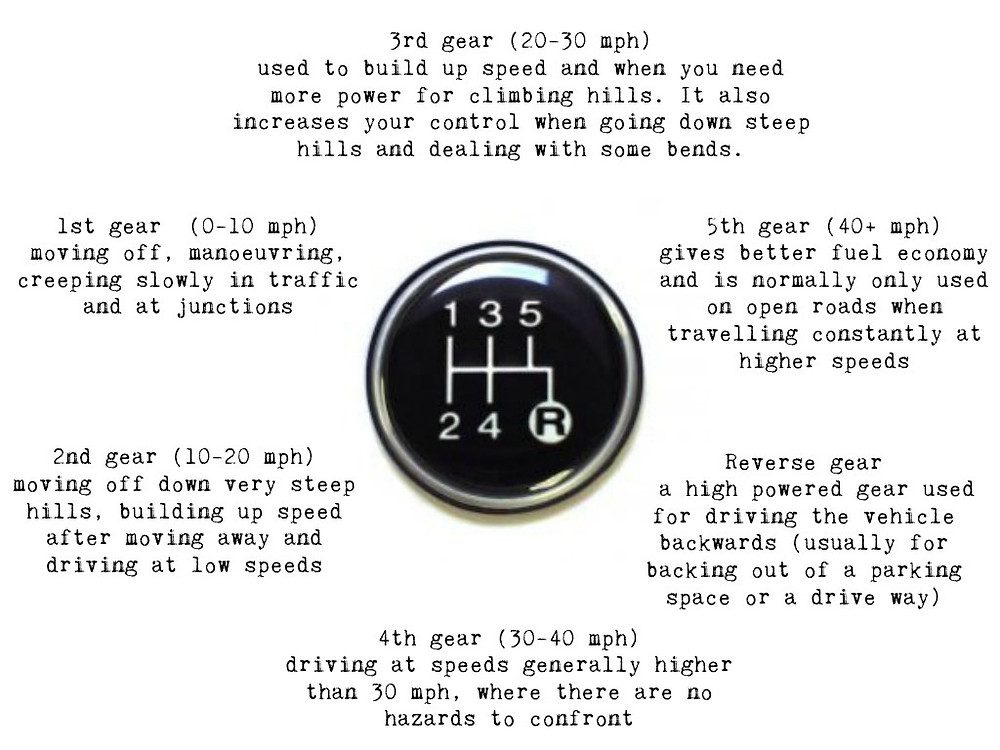
In a multi-speed transmission, each gear represents a different ratio. First gear, or “low gear,” typically has the highest numerical gear ratio, providing the maximum torque multiplication. As you shift to higher gears (second, third, etc.), the gear ratio decreases, allowing the wheels to spin faster for the same engine RPM, but with less torque. The selection of these ratios is meticulously engineered to ensure optimal performance across a wide range of operating conditions, from starting from a standstill to cruising at highway speeds. The architecture of these gearboxes—whether manual, automatic, CVT, or specialized planetary systems—is a sophisticated area of mechanical design focused on seamlessly managing these ratios.
How Low Gear Works in Practice
The practical application of low gear is diverse, extending across various technological domains where robust power and controlled movement are paramount.
Automotive Applications: Cars, Trucks, and Off-Road Vehicles
In conventional automobiles, low gear (typically first gear in a manual transmission, or “L” or specific low-range modes in automatics) is primarily used for starting the vehicle from a standstill. It provides the necessary torque to overcome inertia and initiate movement. For vehicles designed for more demanding tasks, the role of low gear expands significantly.
- Heavy-Duty Trucks: Hauling immense loads requires substantial torque. Low gears in commercial trucks are engineered to enable them to pull heavy trailers up inclines without straining the engine, ensuring smooth acceleration even with maximum payload.
- Off-Road Vehicles (4x4s): Many four-wheel-drive vehicles feature a “low-range” transfer case. This system engages an additional set of gears, further multiplying torque beyond what the main transmission offers. This ultra-low gearing is indispensable for crawling over rocks, traversing steep grades, wading through mud, or descending challenging terrain with maximum control and minimal wheel spin. It allows the vehicle to maintain slow, deliberate speeds while the engine generates significant power, preventing stalling and providing precise throttle modulation.
- Towing: When towing a boat, trailer, or caravan, engaging a lower gear (even in an automatic transmission) is often recommended. This reduces strain on the engine and transmission, helps maintain speed on inclines, and improves engine braking on descents, contributing to safety and longevity of components.
Beyond the Road: Industrial and Specialized Machinery
The principles of low gear are not confined to road vehicles. They are integral to the design and operation of heavy machinery and specialized equipment where massive force and controlled, slow movement are critical.

- Construction Equipment: Excavators, bulldozers, loaders, and cranes rely on robust low-gear systems to move earth, lift heavy objects, and perform precise digging or placement operations. Their transmissions are designed to deliver immense torque at very low speeds, enabling them to tackle challenging construction environments.
- Agricultural Machinery: Tractors and other farm equipment utilize low gears for plowing, tilling, and pulling heavy implements. These machines often operate at slow speeds for extended periods, demanding high torque output to work effectively in varying soil conditions.
- Specialized Vehicles: Military vehicles, emergency response vehicles, and custom industrial machines frequently incorporate advanced low-gear capabilities to operate in extreme conditions, navigate difficult terrain, or perform tasks requiring precise manipulation and significant power.
When and Why to Use Low Gear
The strategic application of low gear is not just about moving forward; it’s about optimizing performance, ensuring safety, and preserving the longevity of mechanical systems.
Maximizing Traction and Control
In situations requiring maximum traction and precise control, low gear is invaluable. When navigating slippery surfaces (ice, snow, mud) or steep inclines, the increased torque allows for a more controlled application of power to the wheels. This reduces the likelihood of wheel spin, which can lead to loss of traction and control. By maintaining a lower speed with higher torque, the driver or operator can make finer adjustments, ensuring the vehicle or machine responds predictably.
Off-road enthusiasts particularly rely on low-range gearing to manage challenging obstacles. The ability to “crawl” slowly over uneven terrain, rocks, or through deep ruts prevents damage to the drivetrain and suspension, while providing the necessary power to overcome resistance.
Engine Braking and Descent Control
One of the most critical benefits of low gear, especially in vehicles, is engine braking. When descending a steep hill, engaging a low gear allows the engine’s compression and internal friction to act as a natural brake. Instead of relying solely on the friction brakes, which can overheat and fade, engine braking helps maintain a controlled descent speed. This significantly reduces wear on brake components, prevents overheating, and provides an added layer of safety, particularly when carrying heavy loads or traversing long descents. The engine’s resistance effectively slows the vehicle, allowing the driver to modulate speed with less effort and more confidence.
Protecting the Drivetrain
Using the appropriate gear for the conditions is essential for the health of the drivetrain—the components that deliver power from the engine to the wheels. Attempting to accelerate a heavy load or climb a steep hill in a high gear places immense strain on the engine, clutch (in manual vehicles), and transmission. This can lead to overheating, premature wear, and even catastrophic failure of components. By engaging a low gear, the engine operates within its optimal power band, and the transmission components are subjected to less stress, distributing the load more effectively. This prolongs the life of the vehicle’s crucial mechanical systems, reducing maintenance costs and ensuring reliable operation.
The Evolution of Gearing Systems in Modern Technology
The concept of low gear has been around since the earliest days of mechanical power, but its implementation and control have evolved significantly with advancements in technology.
From Manual to Advanced Automatic Transmissions
Early transmissions were entirely manual, requiring the operator to physically select gears. While effective, they demanded skill and effort. The advent of automatic transmissions brought convenience, but initially, they often lacked the fine control over gearing that manual systems offered, particularly in off-road or heavy-duty scenarios. Modern automatic transmissions, however, are sophisticated marvels of engineering. They feature more gears (8, 9, 10 speeds or even continuously variable transmissions – CVTs), complex torque converters, and advanced control units. Many now include specific “low” modes or “sport” modes that hold lower gears for longer, or “tow/haul” modes that optimize gear selection for demanding tasks, mimicking the benefits of traditional low gearing with greater efficiency and less driver input.
Electronic Control and Smart Gearing
The integration of electronics has revolutionized gearing. Engine Control Units (ECUs) and Transmission Control Units (TCUs) constantly monitor parameters such as vehicle speed, engine RPM, throttle position, load, and even road conditions. This data allows modern systems to predict and select the optimal gear ratio instantaneously. In some advanced vehicles, driver-selectable terrain modes (e.g., mud, sand, rock crawl) automatically adjust throttle response, traction control, and transmission gearing to provide the best possible performance for the given environment, essentially automating the sophisticated use of low gear.

Future Trends in Power Transmission
Looking ahead, the development of electric vehicles (EVs) introduces new paradigms for power transmission. While many EVs utilize single-speed transmissions due to the wide torque band of electric motors, multi-speed transmissions are beginning to appear in high-performance or heavy-duty EVs to further optimize efficiency and power delivery. The drive for greater efficiency, reduced emissions, and enhanced capability continues to push the boundaries of gearing technology, ensuring that the fundamental principle of “low gear”—delivering maximum torque for demanding tasks—remains a cornerstone of mechanical and automotive engineering.
aViewFromTheCave is a participant in the Amazon Services LLC Associates Program, an affiliate advertising program designed to provide a means for sites to earn advertising fees by advertising and linking to Amazon.com. Amazon, the Amazon logo, AmazonSupply, and the AmazonSupply logo are trademarks of Amazon.com, Inc. or its affiliates. As an Amazon Associate we earn affiliate commissions from qualifying purchases.