
The Anatomy of Theatrical Brand Longevity
The allure of Broadway is undeniable, a tapestry woven with unforgettable stories, captivating performances, and musical brilliance. Yet, beyond the artistic achievement, the longevity of certain shows represents a fascinating case study in brand management, strategic marketing, and the cultivation of enduring cultural identity. To understand “what is the longest running Broadway show” is not merely to identify a title and a run-date; it is to dissect a brand that has transcended generations, maintaining its relevance and drawing power for decades.
Defining a Broadway Show as a Brand
A Broadway show, particularly one with an extended run, functions as a powerful brand. It possesses a distinct identity, a recognizable “product” (the theatrical experience), a target audience, and a consistent promise of quality and engagement. The show’s title, logo, iconic imagery (e.g., a specific mask, a barricade, a pride rock), key musical motifs, and even its core narrative themes all contribute to its unique brand identity. Like any successful brand, it fosters emotional connections, builds loyalty, and creates an expectation that encourages repeat engagement and advocacy. The consistent delivery of a specific experience, year after year, ensures that the brand remains strong and relevant in a highly competitive entertainment landscape.

The Metrics of Enduring Brand Equity
For a Broadway show, brand equity is measured not just in ticket sales, but in cultural penetration, critical acclaim over time, and its ability to attract new audiences while retaining the loyalty of previous generations. A “longest running” status is the ultimate testament to sustained brand equity. It signifies that the brand has managed to:
- Maintain its core appeal: Its foundational narrative and artistic quality resonate consistently.
- Adapt without dilution: It navigates cultural shifts without compromising its essential identity.
- Generate consistent demand: Marketing and word-of-mouth continually drive audience engagement.
- Build a legacy: It becomes a cultural landmark, a rite of passage for theatregoers.
The pursuit of the longest run is, therefore, a strategic objective rooted in cultivating an ironclad theatrical brand.
The Phantom’s Reign: A Masterclass in Sustained Branding
The undisputed answer to “what is the longest running Broadway show” is Andrew Lloyd Webber’s The Phantom of the Opera. Opening on Broadway on January 26, 1988, at the Majestic Theatre, it ran for an astonishing 35 years, closing on April 16, 2023, after 13,981 performances. Its reign as the longest-running show is not just a statistical anomaly but a profound example of extraordinary brand management.
The Core Brand Identity of The Phantom of the Opera
At its heart, The Phantom of the Opera offered a gothic romance, grand spectacle, and unforgettable melodies. The brand’s core identity was meticulously crafted:
- Iconic Imagery: The half-mask and the falling chandelier became instant, globally recognizable symbols. These visual elements were consistently used in all marketing collateral, reinforcing the brand’s mystique and elegance.
- Universal Themes: Love, obsession, beauty, and redemption are themes that transcend cultural and temporal boundaries, giving the brand a timeless appeal.
- Musical Signature: Andrew Lloyd Webber’s score, particularly the titular theme and “Music of the Night,” created a distinct auditory brand signature, instantly identifiable and deeply evocative.
- Emotional Resonance: The show tapped into deep-seated human emotions, creating a powerful, often haunting, connection with its audience.
This carefully constructed identity allowed Phantom to differentiate itself in a crowded market and establish a unique brand proposition.
Marketing Across Generations: Keeping the Brand Fresh
Maintaining a brand’s vibrancy for over three decades requires sophisticated and adaptive marketing strategies. The Phantom of the Opera achieved this by:
- Consistent Brand Messaging: While specific campaigns evolved, the core message of romantic spectacle and dramatic intensity remained constant. The brand never veered from its established identity.
- Targeted Outreach: Marketing efforts successfully reached diverse demographics, from first-time theatregoers to seasoned patrons, and from local audiences to international tourists. Promotional materials often highlighted different facets of the show, appealing to varied interests (e.g., romance for some, spectacle for others).
- Leveraging Milestones: Every anniversary, every performance count milestone (e.g., 10,000th performance), was transformed into a PR and marketing event, generating renewed media interest and audience buzz. These events served to remind the public of the brand’s enduring success and cultural significance.
- Digital Adaptation: As technology evolved, Phantom embraced digital marketing, engaging with audiences on social media, utilizing online advertising, and creating compelling digital content to maintain relevance with newer generations.
Cultivating Audience Loyalty and Brand Advocacy
A key factor in Phantom‘s longevity was its ability to foster an incredibly loyal fanbase, transforming audiences into brand advocates. This was achieved through:
- Word-of-Mouth Marketing: The sheer emotional impact of the show encouraged audience members to recommend it passionately to friends and family, an invaluable form of organic brand promotion.
- Repeat Viewership: Many fans saw the show multiple times, often bringing new people with them, reinforcing its status as a beloved institution.
- Merchandise and Souvenirs: The availability of branded merchandise, from CDs to t-shirts and masks, allowed audiences to extend their engagement with the brand beyond the theatre, turning them into walking advertisements.
- Special Events: Cast album releases, anniversary celebrations, and special performances created a sense of community around the show, deepening the audience’s connection to the brand.
Through these concerted efforts, The Phantom of the Opera built an unassailable brand, securing its place in theatrical history.
Beyond the Phantom: Other Iconic Theatrical Brands
While The Phantom of the Opera holds the record, several other Broadway shows have also demonstrated remarkable brand resilience and strategic longevity, each employing distinct brand strategies to maintain their appeal.
Chicago: The Brand of Reinvention
Chicago, which opened in 1996 (a revival of the 1975 original), stands as another testament to theatrical brand power, currently holding the title of the longest-running American musical and the second-longest-running show overall. Its brand strategy relies heavily on:
- Consistent Artistic Vision: The minimalist staging and Fosse-inspired choreography are integral to its identity.
- Star Power: Chicago famously rotates celebrity leads, a brilliant strategy that injects fresh energy and attracts new audiences, essentially “re-launching” the brand with each new star. This ensures constant media attention and maintains buzz.
- Timeless Satire: Its biting commentary on fame, justice, and media manipulation remains relevant, giving the brand a sharp, contemporary edge despite its vintage setting.

The Lion King: A Global Brand Phenomenon
The Lion King, debuting in 1997, is not only one of Broadway’s longest-running shows but also one of its most financially successful, primarily due to its masterful global brand extension. Its brand strategy is characterized by:
- Transmedia Storytelling: Building on a beloved Disney animated film, the stage show enhanced and reinterpreted the story, offering a unique, yet familiar, brand experience.
- Spectacular Visual Identity: Julie Taymor’s innovative puppetry and costume design created an instantly recognizable, breathtaking aesthetic that became synonymous with the show’s brand.
- Universal Appeal: Its themes of family, responsibility, and the circle of life resonate across all age groups and cultures, making it a truly global brand that thrives in multiple international productions.
- Synergy with Parent Brand: Leveraging the immense brand power of Disney, The Lion King benefits from unparalleled marketing reach and a built-in audience.
Les Misérables: The Enduring Power of Narrative
Les Misérables, another Andrew Lloyd Webber production (though the original Broadway run ended in 2003, it had a successful revival), exemplifies the brand power of a compelling narrative and powerful emotional core. Its brand strength comes from:
- Epic Storytelling: Victor Hugo’s sprawling tale of justice, sacrifice, and redemption provides a rich, complex narrative that captivates audiences.
- Iconic Imagery and Music: The visual of Cosette with a broom and the musical “Do You Hear the People Sing?” are powerful brand identifiers.
- Resilience through Revivals: The brand’s strength is such that even after its initial long run, it successfully returned to Broadway, proving its timeless appeal and strong emotional connection with the audience.
Strategies for Cultivating a Lasting Theatrical Brand
The success stories of these long-running shows offer invaluable lessons in brand cultivation, applicable far beyond the theatre.
Consistent Quality and Creative Stewardship
The bedrock of any long-running theatrical brand is an unwavering commitment to quality. This means:
- Maintaining Artistic Integrity: Directors, choreographers, and musical directors must ensure that the performances delivered decades into a run meet the same high standards as opening night.
- Talent Management: Continuously casting talented actors who can embody the roles and uphold the show’s artistic vision is crucial.
- Technical Excellence: Scenery, lighting, sound, and costumes must be meticulously maintained and updated to preserve the spectacle and immersion.
This consistent delivery of a premium experience reinforces the brand’s promise and justifies its enduring price point.
Strategic Adaptation and Market Responsiveness
While consistency is key, intelligent adaptation ensures relevance. This can involve:
- Subtle Creative Refreshes: Minor tweaks to staging or technical elements can keep the show feeling fresh without altering its core identity.
- Marketing Message Evolution: Adapting promotional campaigns to resonate with contemporary sensibilities and diverse demographics.
- Accessibility Initiatives: Making the show accessible to broader audiences through various pricing tiers, outreach programs, or digital content.
The goal is to evolve the brand’s presentation while preserving its essence, allowing it to speak to successive generations.
Leveraging Legacy for Future Engagement
Once a show achieves a long run, its legacy becomes a powerful brand asset.
- Celebrating Milestones: Anniversaries and performance counts become opportunities to generate positive PR, reflect on the show’s history, and engage nostalgic audiences.
- Educational Outreach: Developing educational programs and materials around the show’s themes and history can cultivate a new generation of brand enthusiasts.
- Archival Content: Utilizing behind-the-scenes footage, historical anecdotes, and interviews with original cast and creators can deepen the brand’s narrative and engage fans.
This leverages the past to secure the future, turning history into a compelling brand story.
The Broader Impact: Broadway Brands as Cultural Cornerstones
The longest-running Broadway shows are more than just entertainment; they are cultural institutions, powerful brands that shape the theatre industry and contribute significantly to the broader cultural and economic landscape.
Influence on Industry Trends and Talent
These mega-brands often set benchmarks for production quality, marketing effectiveness, and audience engagement. They provide stable employment for countless artists, technicians, and administrative staff, acting as a crucial part of the theatrical ecosystem. Their success can inspire new productions and influence creative trends, demonstrating what is possible in terms of artistic vision and commercial viability.
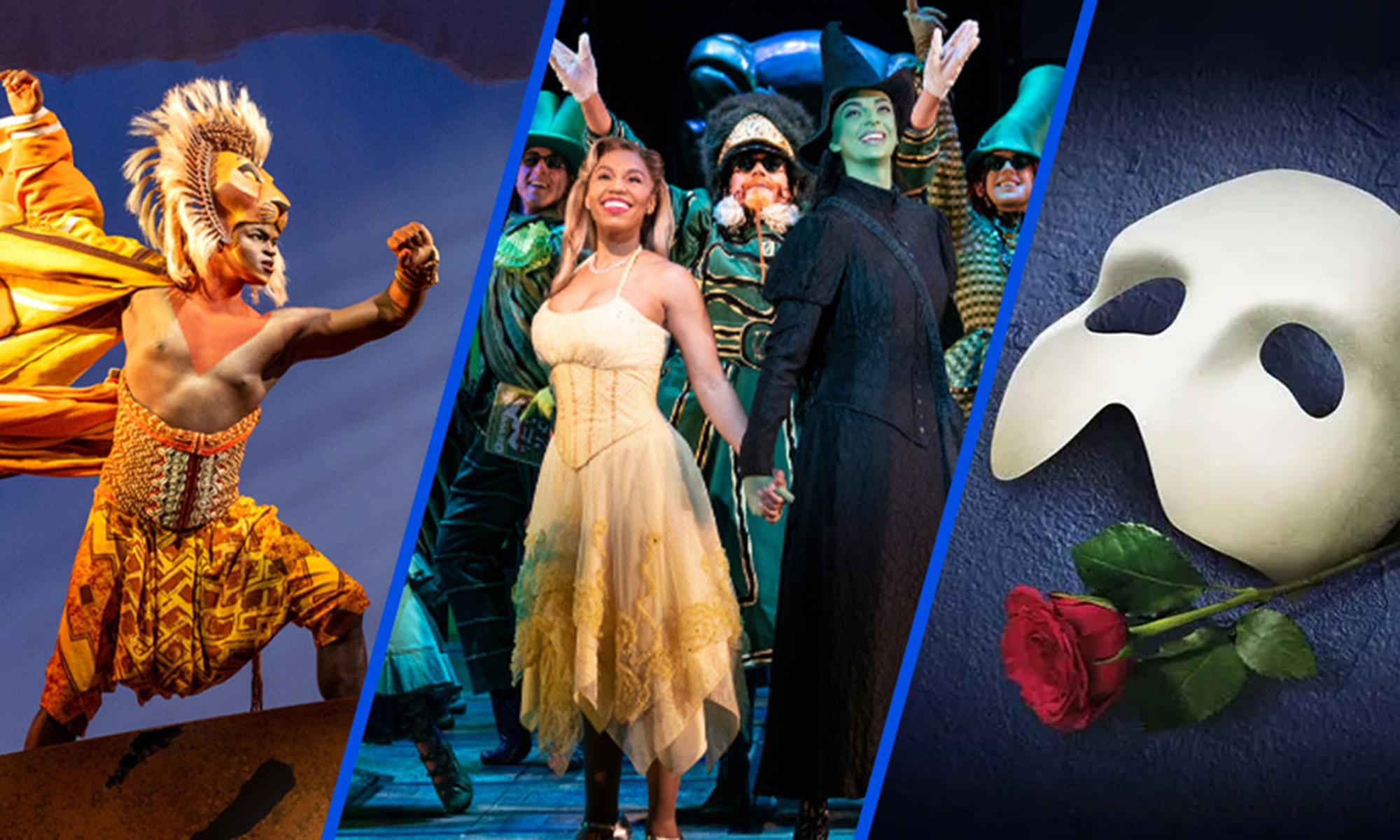
Economic Ecosystems Built on Brand Strength
The financial impact of a long-running Broadway show extends far beyond ticket sales. Each show supports an entire ecosystem, from restaurants and hotels in the theatre district to merchandise manufacturers and local businesses. The presence of iconic, long-running shows helps solidify Broadway as a major tourist attraction, drawing visitors from around the globe who come specifically to experience these celebrated theatrical brands. This economic ripple effect underscores the immense value of cultivating powerful, enduring cultural brands.
In conclusion, the “longest running Broadway show” is not just a title; it is a profound testament to the power of strategic branding. The Phantom of the Opera‘s remarkable run, along with the enduring success of Chicago and The Lion King, illustrates how a clear brand identity, adaptive marketing, consistent quality, and a deep understanding of audience engagement can create cultural phenomena that resonate for decades, shaping the entertainment industry and etching themselves into the collective consciousness.
aViewFromTheCave is a participant in the Amazon Services LLC Associates Program, an affiliate advertising program designed to provide a means for sites to earn advertising fees by advertising and linking to Amazon.com. Amazon, the Amazon logo, AmazonSupply, and the AmazonSupply logo are trademarks of Amazon.com, Inc. or its affiliates. As an Amazon Associate we earn affiliate commissions from qualifying purchases.