
The Essence of Lawn Fabric: A Brand’s Material Foundation
In the intricate world of textile selection, where material choices often dictate a product’s market positioning and a brand’s overall identity, understanding specific fabrics is paramount. “Lawn fabric,” a term that might conjure images of summer dresses and crisp blouses, represents more than just a textile; it embodies a set of characteristics that astute brands leverage to define quality, comfort, and aesthetic appeal. For brands operating in apparel, home goods, and even specialty accessories, grasping the nuances of lawn fabric is not merely about sourcing; it’s about crafting a narrative and delivering a tangible experience that resonates with their target consumer.

Defining Lawn Fabric: Characteristics and Heritage
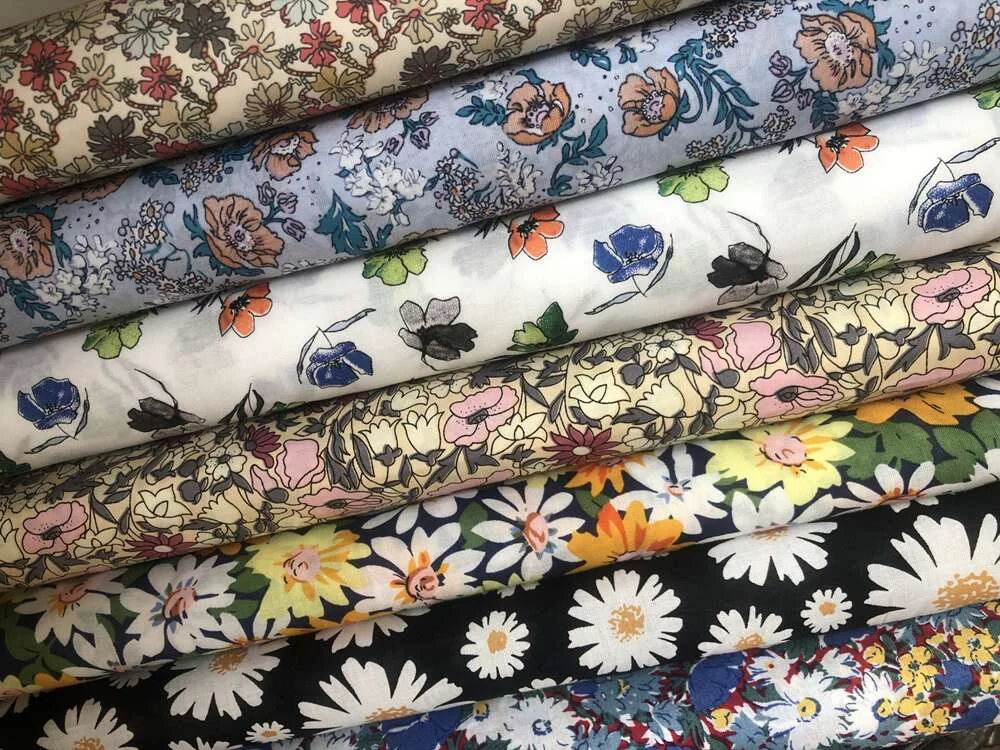
At its core, lawn fabric is a finely woven plain-weave textile, traditionally made from cotton, though modern variations may include linen or blends. Its distinguishing features are its remarkably light weight, exceptional breathability, and a smooth, almost silky handfeel, often accompanied by a crisp finish. Unlike sheer voile or heavier broadcloth, lawn strikes a delicate balance, offering opacity without bulk. The term “lawn” is believed to derive from Laon, a city in France, where fine linen fabrics were historically manufactured, underscoring its heritage of quality and refinement.
The production of lawn fabric involves using fine, high-count yarns that are tightly woven in a simple over-and-under pattern. This precise construction contributes to its uniform surface and subtle sheen. The inherent properties of the natural fibers, particularly cotton, allow for excellent dye absorption, resulting in vibrant colors and sharp print clarity—a significant advantage for brands looking to express specific design aesthetics. Furthermore, its inherent breathability makes it ideal for warmer climates and comfortable wear, a core value proposition for many lifestyle brands.
Why Material Matters for Brand Identity
A brand’s choice of material is not just a functional decision; it is a fundamental pillar of its identity. Fabric selection communicates quality, sustainability ethos, luxury positioning, or practical utility to consumers even before they interact with the product. For brands aiming for an image of understated elegance, refined comfort, or classic appeal, lawn fabric offers an invaluable foundation.
Consider a premium children’s wear brand. By opting for organic cotton lawn, they signal a commitment to softness, gentle comfort against delicate skin, and environmental responsibility—values highly prized by their discerning clientele. Similarly, a high-end resort wear label choosing patterned lawn for its blouses and dresses projects an image of effortless sophistication, coolness, and breathability, perfectly aligning with their brand narrative of relaxed luxury. The tactile experience of lawn—its light touch and smooth drape—becomes an integral part of the brand’s promise, differentiating it in a competitive market flooded with synthetic alternatives or coarser natural fibers. This strategic material choice reinforces brand values and strengthens consumer perception, laying the groundwork for lasting customer loyalty.
Strategic Product Design with Lawn Fabric
The versatility and inherent qualities of lawn fabric make it a strategic choice for product designers across various categories. Its ability to marry delicate aesthetics with practical functionality allows brands to innovate while staying true to their core identity. Leveraging lawn fabric in product design is about understanding its capabilities and limitations to craft offerings that resonate deeply with the brand’s vision and its target market’s desires.
Apparel Applications: Crafting Signature Collections
In the realm of apparel, lawn fabric truly shines. Its lightweight nature and excellent drape make it suitable for a wide array of garments, allowing designers to create pieces that are both comfortable and stylish. For women’s wear, lawn is a perennial favorite for blouses, summer dresses, skirts, and tunics, offering an elegant flow that is both flattering and practical in warmer weather. Brands focusing on effortless chic or bohemian aesthetics often gravitate towards printed or embroidered lawn for its ability to hold intricate details and vibrant colors.
Men’s shirting, particularly for casual or warm-weather occasions, benefits greatly from lawn’s breathability and crisp finish, providing a refined alternative to heavier poplins. Children’s wear brands frequently employ lawn for its softness against sensitive skin and its ease of care, creating durable yet delicate garments like smocked dresses, rompers, and sleepwear. The ability of lawn fabric to accept fine stitching and delicate embellishments also allows brands to incorporate unique design elements, from intricate embroidery to delicate lace inserts, further elevating the product and establishing a distinct design language.
Home Goods and Lifestyle: Extending Brand Reach
Beyond clothing, lawn fabric extends its utility into the home goods and lifestyle sectors, offering brands opportunities to reinforce their aesthetic and quality standards in diverse product lines. For brands specializing in fine linens, lawn fabric is an exquisite choice for pillowcases, duvet covers, and sheets, providing a cool, smooth surface that enhances sleep comfort. Its delicate yet durable nature makes it suitable for heirloom-quality items.
Furthermore, lawn fabric is often used for high-quality handkerchiefs, delicate tea towels, and even lightweight curtains, where its semi-sheer quality can allow diffused light while maintaining privacy. For lifestyle brands aiming for a cohesive aesthetic across various product categories, incorporating lawn fabric ensures a consistent message of lightness, purity, and refined simplicity. This cross-category application helps to build a holistic brand experience, demonstrating a meticulous attention to detail that permeates all aspects of their offerings.
Differentiation Through Fabric Innovation and Sourcing
In a market saturated with options, differentiation is key to brand survival and growth. For brands utilizing lawn fabric, innovation often comes through specialized finishes, unique printing techniques, or sustainable sourcing practices. Brands might invest in organic cotton lawn certified by GOTS (Global Organic Textile Standard) to appeal to eco-conscious consumers, positioning themselves as leaders in ethical production. Others might develop proprietary digital printing techniques to achieve unparalleled color depth and detail on lawn, creating exclusive patterns that become synonymous with their brand.
Innovations in finishing can also distinguish a brand. A wrinkle-resistant lawn, for instance, adds a layer of convenience that resonates with busy consumers, while a softer, washed lawn might appeal to those seeking a more relaxed, lived-in feel. By exploring these avenues, brands not only enhance the intrinsic value of their products but also build a compelling story around their commitment to quality, innovation, and responsible manufacturing, thereby strengthening their market position and fostering brand loyalty.
Marketing and Storytelling: Positioning Lawn Fabric Products

Effective brand strategy relies heavily on how products are communicated and positioned in the market. For items made from lawn fabric, the marketing narrative often centers on communicating its inherent qualities in a way that evokes desire, trust, and a clear understanding of value. This involves thoughtful storytelling that highlights both the functional benefits and the emotional experience associated with the fabric.
Communicating Value: Beyond Thread Count
While thread count is a common metric in some textile categories, for lawn fabric, communicating its value often transcends this singular measure. Brands instead focus on the sensory experience and practical benefits. Messaging might highlight its “feather-light” feel, its “airy breathability” for summer comfort, or its “crisp yet soft” touch that speaks to luxury and quality. The ease of care—often machine washable—can also be a strong selling point for everyday luxury items.
For premium brands, the narrative might delve into the heritage of fine cottons, the meticulous weaving process, or the natural origins of the fibers, connecting the product to a larger story of craftsmanship and authenticity. This focus on experiential and intrinsic value helps consumers understand why a seemingly simple fabric commands its price point, positioning the product not just as an item of clothing or home decor, but as an investment in comfort, style, and well-being.
Visual Merchandising and Digital Presence
In an increasingly visual marketplace, how lawn fabric products are presented significantly impacts consumer perception. For visual merchandising, both in-store and online, brands strategically showcase the fabric’s unique characteristics. Draped garments on mannequins or styled flat lays highlight lawn’s graceful fall and lightweight nature. Photography often emphasizes natural light and movement, conveying breathability and elegance.
On e-commerce platforms, high-resolution imagery, close-up shots of the weave, and even short video clips demonstrating the fabric’s drape and movement are crucial. Detailed product descriptions that explicitly mention “fine cotton lawn,” “exquisite handfeel,” and specific attributes like “lightweight” or “breathable” are essential. Brands might also incorporate customer reviews that praise the comfort and quality of the fabric, building social proof and trust in the material’s promises. The goal is to translate the tactile and sensory experience of lawn into a compelling visual and textual narrative.
Building a Narrative: Heritage, Craftsmanship, and Modernity
Brands effectively leverage lawn fabric by weaving a narrative that balances its rich heritage with modern relevance. For instance, a brand might tell the story of sourcing premium long-staple cotton, emphasizing the traditional weaving techniques used, thereby evoking a sense of enduring craftsmanship and quality. Simultaneously, they position the resulting product as perfectly suited for contemporary lifestyles, whether it’s an effortlessly stylish tunic for a modern traveler or a breathable baby romper for a conscious parent.
This narrative can also extend to themes of escapism, comfort, and sustainability. Brands selling resort wear made from lawn might associate their products with idyllic getaways and carefree living. Those focusing on eco-friendly fashion highlight the natural, biodegradable aspects of cotton lawn, appealing to a growing segment of environmentally aware consumers. By crafting a compelling story around lawn fabric, brands not only sell a product but also an aspiration, a lifestyle, and a set of values that resonate deeply with their audience, fostering strong emotional connections and brand loyalty.
Commercial Considerations: The Business of Lawn Fabric
From a business finance perspective, the selection and integration of lawn fabric into a brand’s product line involve a careful consideration of supply chain dynamics, market trends, and sustainability imperatives. Strategic decision-making in these areas directly impacts profitability, brand reputation, and long-term viability.
Supply Chain and Cost-Effectiveness
The supply chain for lawn fabric, typically originating from cotton cultivation, involves multiple stages: fiber harvesting, spinning into fine yarns, weaving, dyeing, printing, and finishing. Brands must navigate this complex chain, often engaging with suppliers across different geographies to secure the desired quality, ethical labor practices, and competitive pricing. Sourcing high-quality, long-staple cotton, essential for producing fine lawn, can influence material costs.
Cost-effectiveness isn’t solely about the lowest price; it’s about value. A slightly higher upfront cost for premium organic cotton lawn, for example, might be justified by its appeal to a specific market segment, enabling higher price points and stronger brand differentiation. Brands must also factor in economies of scale—larger orders often reduce unit costs—and the reliability of their supply partners to ensure consistent quality and timely delivery, both critical for maintaining inventory and meeting consumer demand. Efficient supply chain management directly translates into healthier profit margins and reduced operational risks.
Market Trends and Consumer Preferences
The enduring appeal of lawn fabric is often tied to broader market trends favoring natural fibers, comfort, and versatile garments. Consumers increasingly seek materials that offer breathability, ease of movement, and a soft touch, particularly for everyday wear and in response to warmer global climates. Brands that consistently offer well-designed products in quality lawn fabric capitalize on these preferences.
Furthermore, there’s a growing appreciation for products that offer a blend of tradition and modernity. Lawn fabric, with its classic roots, can be revitalized through contemporary prints, innovative garment silhouettes, or thoughtful layering, allowing brands to cater to a diverse range of aesthetic tastes. Staying attuned to shifting consumer desires—for instance, the rise of conscious consumption or the demand for seasonless apparel—allows brands to adapt their lawn fabric offerings, ensuring their collections remain relevant and desirable.
Sustainability and Brand Responsibility
In today’s market, sustainability is no longer a niche concern but a mainstream expectation, deeply impacting brand responsibility and consumer purchasing decisions. For brands utilizing cotton lawn, addressing the environmental and social impacts of cotton cultivation and textile production is crucial. This involves considering factors like water usage, pesticide application, and labor conditions in the supply chain.
Brands demonstrating a commitment to sustainability through certifications like GOTS for organic cotton, or by ensuring fair trade practices, enhance their brand reputation and appeal to an ethically minded consumer base. Transparent communication about sourcing and manufacturing processes builds trust and differentiates the brand from competitors. Investing in more sustainable versions of lawn fabric, even if it entails a higher cost, can be a strategic long-term decision that aligns with evolving consumer values, strengthens brand loyalty, and future-proofs the business in an increasingly conscious marketplace.
aViewFromTheCave is a participant in the Amazon Services LLC Associates Program, an affiliate advertising program designed to provide a means for sites to earn advertising fees by advertising and linking to Amazon.com. Amazon, the Amazon logo, AmazonSupply, and the AmazonSupply logo are trademarks of Amazon.com, Inc. or its affiliates. As an Amazon Associate we earn affiliate commissions from qualifying purchases.