
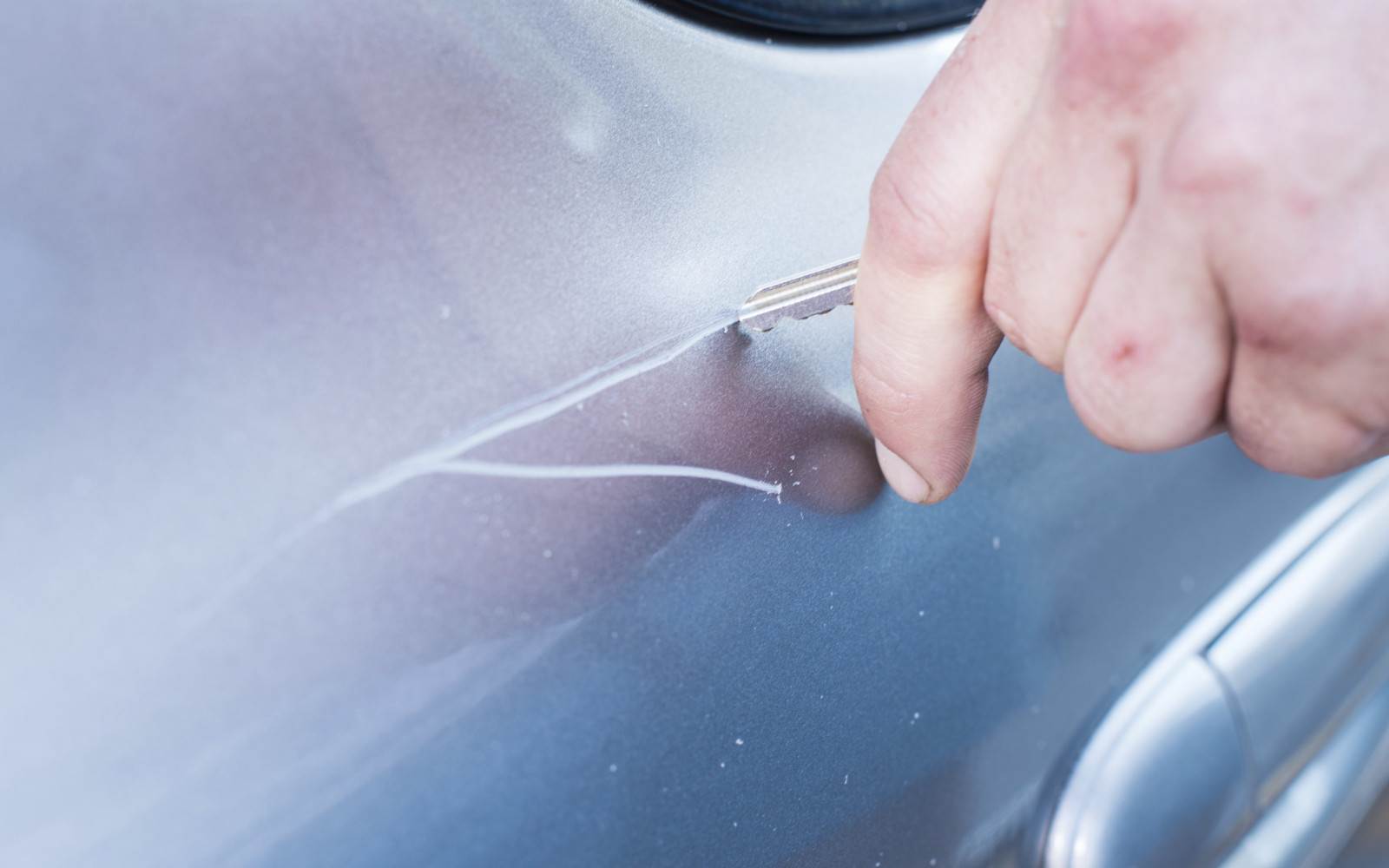
Keying a car, in its simplest definition, is the act of intentionally scratching a vehicle’s paintwork, typically with a metal object like a key. While seemingly a petty act of vandalism, its ramifications extend far beyond mere surface damage, directly impacting the owner’s financial well-being and investment. From immediate repair costs to long-term depreciation, understanding the financial implications of keying a car is crucial for both victims and those contemplating such an act. This form of malicious damage is a direct assault on a significant personal asset, triggering a cascade of financial consequences that can be substantial.
The Immediate Financial Fallout of Vandalism
The moment a car is keyed, a financial clock starts ticking. The costs associated with repairing the damage are often immediate and unavoidable, placing an unexpected burden on the vehicle owner’s finances. These expenses can vary widely based on the severity of the scratch, the vehicle’s make and model, and the chosen repair method.
Repair Costs: A Direct Hit to Your Wallet
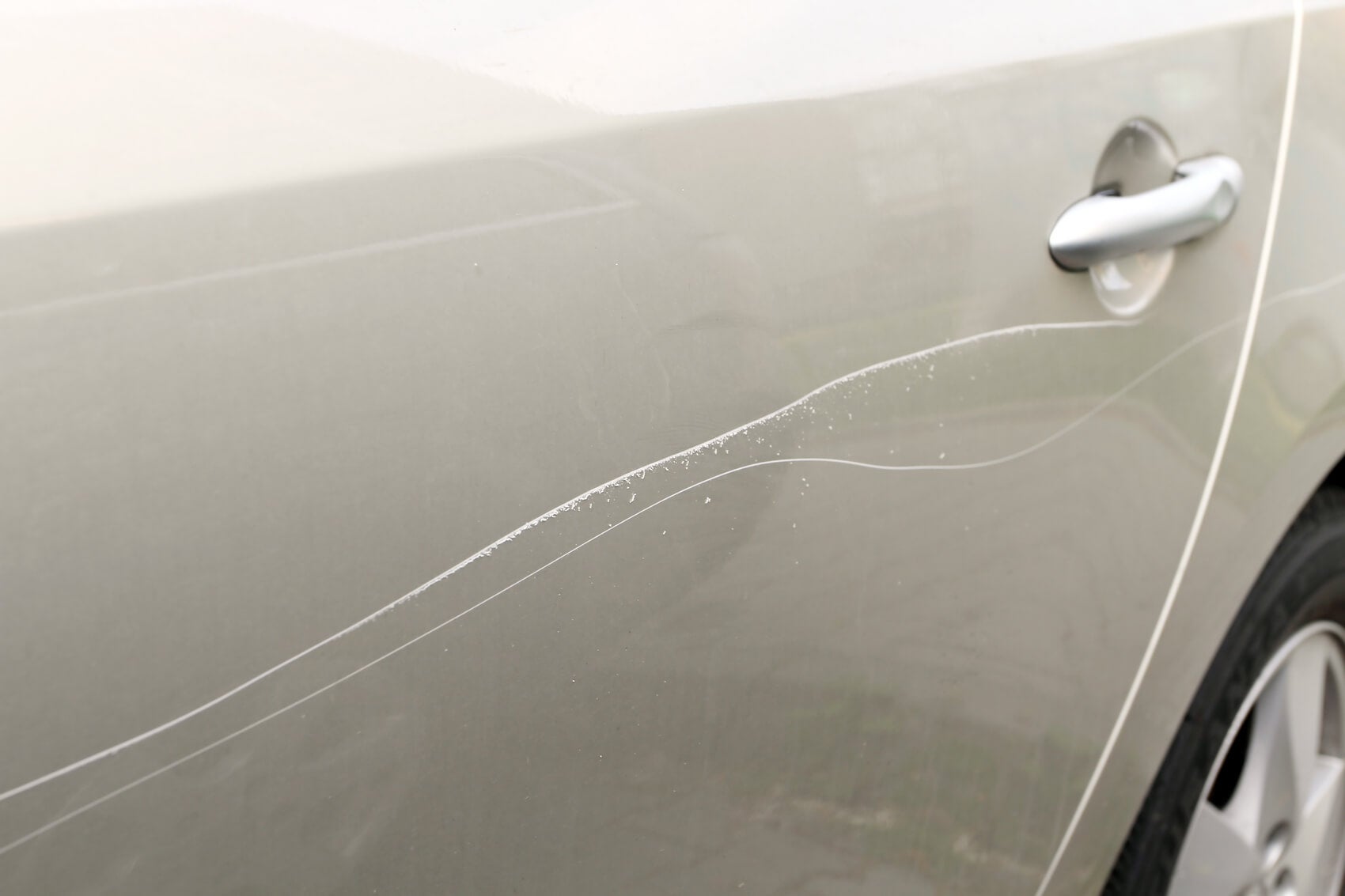
Repairing a keyed car is rarely a simple touch-up. A scratch from a key is often deep enough to penetrate the clear coat, the paint layer, and sometimes even the primer, exposing the metal beneath. This requires professional attention to prevent further damage like rust and to restore the car’s aesthetic value. The repair process typically involves sanding, repainting, and reapplying clear coat, often requiring the affected panel or even adjacent panels to be blended to ensure a seamless finish.
For minor scratches, a reputable body shop might charge anywhere from a few hundred dollars for a localized repair. However, if the scratch spans multiple panels, is particularly deep, or requires extensive paint matching, the costs can quickly escalate into thousands of dollars. Luxury vehicles or cars with specialized paint finishes will incur even higher repair expenses due to the materials and expertise required. These costs represent a direct, unforeseen expenditure that can disrupt personal budgets and savings.
Insurance Premiums and Deductibles
Many vehicle owners will instinctively turn to their comprehensive auto insurance policy to cover the cost of vandalism. While comprehensive coverage typically includes damage from acts of vandalism, utilizing it comes with its own financial considerations.
First, the deductible: this is the out-of-pocket amount you must pay before your insurance coverage kicks in. If your deductible is, for example, $500 or $1,000, and the repair cost is only slightly above that, you might question whether filing a claim is financially prudent. Paying a significant portion of the repair yourself can feel like a double penalty.
Second, the impact on future premiums: filing a claim, even for vandalism, can sometimes lead to an increase in your insurance premiums upon renewal. Insurers may view a claim as an increased risk, potentially raising your rates for several years. This long-term increase in monthly or annual payments can, over time, outweigh the initial benefit of having the repair covered. Therefore, a careful cost-benefit analysis is often necessary to decide whether to file a claim or pay for the repair out of pocket, balancing immediate relief against future financial obligations.
Long-Term Financial Implications
Beyond the immediate repair costs, keying a car can have several lasting financial consequences that affect the owner’s asset value and financial standing.
Diminished Resale Value
A car’s value is significantly influenced by its cosmetic condition. A history of extensive bodywork, particularly for vandalism, can substantially diminish a vehicle’s resale value. Even after a professional repair, potential buyers or dealerships conducting trade-ins may scrutinize paintwork for inconsistencies or signs of repair. A Carfax or similar vehicle history report will often note insurance claims related to collision or vandalism, which can deter buyers or lead to a lower offer. This depreciation represents a direct loss on what is often one of an individual’s most valuable assets. The investment made in purchasing and maintaining the car is partially eroded by an act of vandalism, reducing the owner’s return should they decide to sell.
The Cost of Legal Consequences for the Perpetrator
If the individual responsible for keying a car is identified, they face significant financial repercussions. Vandalism is a criminal offense, and the perpetrator can be charged with property damage. Legal penalties often include hefty fines, which can range from hundreds to thousands of dollars depending on the extent of the damage and local laws. Furthermore, a court may order the vandal to pay restitution to the victim, covering the full cost of repairs, insurance deductibles, and any other related expenses. In addition to these financial penalties, legal fees for defending oneself against charges can also mount quickly, adding another layer of financial burden. For juveniles, these costs might fall upon their parents or guardians, illustrating how an impulsive act can have far-reaching financial implications for an entire family.
Impact on No-Claims Bonuses
For those who rely on their comprehensive insurance to cover the damage, another financial setback can be the loss of their no-claims bonus. Many insurance companies reward policyholders with discounted premiums for each year they go without filing a claim. A claim for vandalism, even if not an at-fault accident, can reset or reduce this valuable discount, leading to higher annual premiums for subsequent years. This subtle yet significant financial penalty can chip away at savings over time, making vehicle ownership more expensive in the long run.
Protecting Your Investment: Proactive Financial Strategies
Given the significant financial exposure posed by keying a car, proactive measures become essential for savvy car owners. These strategies involve a blend of insurance choices, security enhancements, and physical protection.
Understanding Comprehensive Insurance
The cornerstone of protection against vandalism is a robust comprehensive insurance policy. While basic liability insurance covers damages to other vehicles and property, comprehensive coverage specifically addresses non-collision incidents, including theft, natural disasters, and acts of vandalism like keying. It’s crucial to understand the nuances of your policy, including deductible amounts and how claims for vandalism might affect future premiums. Opting for a higher deductible can lower monthly premiums, but it also means a greater out-of-pocket expense if damage occurs. Conversely, a lower deductible provides more immediate financial relief but comes with higher ongoing costs. Regularly reviewing your policy and discussing options with your insurance provider ensures your coverage aligns with your financial risk tolerance.
Vehicle Security Systems as a Deterrent
While a security system cannot physically prevent someone from keying a car, it can act as a significant deterrent and aid in identifying perpetrators. Advanced systems with motion sensors, perimeter alarms, and even integrated cameras can capture evidence or scare off potential vandals. The initial investment in a high-quality security system, including professional installation, should be viewed as a financial safeguard. By reducing the likelihood of vandalism or providing evidence for restitution, such systems can potentially save owners thousands in repair costs and legal fees. Furthermore, some insurance companies offer discounts for vehicles equipped with approved anti-theft and security features, indirectly offsetting the cost of installation.
Professional Paint Protection and Coatings
Investing in professional paint protection can offer a degree of defense against superficial scratches, though deep keying will likely still penetrate. Ceramic coatings, paint protection films (PPF), and other advanced sealants create a durable barrier over the vehicle’s original paintwork. These protections are designed to withstand minor abrasions, chemical etching, and UV damage, helping to preserve the car’s finish. While not impenetrable to a deliberate, forceful act of keying, they can mitigate damage from accidental scrapes or lighter vandalism. The upfront cost for these treatments, which can range from hundreds to several thousands of dollars, should be weighed against the potential repair costs and depreciation avoided by maintaining the vehicle’s pristine condition.
Navigating the Aftermath: Financial Recovery Steps
If your car falls victim to keying, a structured approach to recovery is essential to minimize financial losses and ensure proper resolution.
Documenting the Damage for Insurance Claims
The first critical step after discovering your car has been keyed is thorough documentation. Take clear, well-lit photographs and videos of the damage from various angles, showing the full extent of the scratches and their location on the vehicle. Note the date, time, and location where the damage occurred, and if possible, any potential witnesses or relevant security camera footage. This comprehensive record is invaluable when filing an insurance claim, providing concrete evidence to your insurer and helping to expedite the claims process. It also serves as crucial evidence should legal action against a perpetrator be pursued.
Obtaining Repair Quotes
Before committing to any repairs, obtain multiple quotes from reputable body shops. Compare not only the total cost but also the repair methods, materials used, and warranty offered on the work. Some body shops might specialize in specific types of repairs or brands, potentially offering better value or expertise. Present these quotes to your insurance adjuster if you decide to file a claim, as this can aid in negotiations and ensure you receive a fair payout that accurately reflects the necessary repairs. Deciding whether to use your insurance or pay out of pocket will heavily depend on these quotes relative to your deductible and the potential impact on your premiums.
Considering Legal Recourse and Restitution
If you have information about the perpetrator, pursuing legal recourse is an option that can lead to financial restitution. Filing a police report is a necessary step, providing an official record of the incident and initiating any potential investigation. If the vandal is identified and prosecuted, you can request that the court order them to pay restitution to cover your financial losses, including repair costs, diminished value, and any associated legal fees. While pursuing legal action can involve additional time and effort, it can ultimately lead to full financial recovery and serve as a deterrent against future acts of vandalism.
Keying a Car: An Unnecessary Financial Burden
Ultimately, keying a car is not just a frustrating act of property damage; it’s a direct and often significant financial burden. From the immediate costs of professional repairs and insurance deductibles to the long-term impact on resale value and potential legal ramifications for the perpetrator, the financial implications are extensive. Understanding these monetary consequences highlights the importance of proactive protection strategies and informed decision-making in the event of such an unfortunate incident. Protecting one’s vehicle isn’t just about maintenance; it’s about safeguarding a significant financial asset against unforeseen and malicious acts.
aViewFromTheCave is a participant in the Amazon Services LLC Associates Program, an affiliate advertising program designed to provide a means for sites to earn advertising fees by advertising and linking to Amazon.com. Amazon, the Amazon logo, AmazonSupply, and the AmazonSupply logo are trademarks of Amazon.com, Inc. or its affiliates. As an Amazon Associate we earn affiliate commissions from qualifying purchases.