
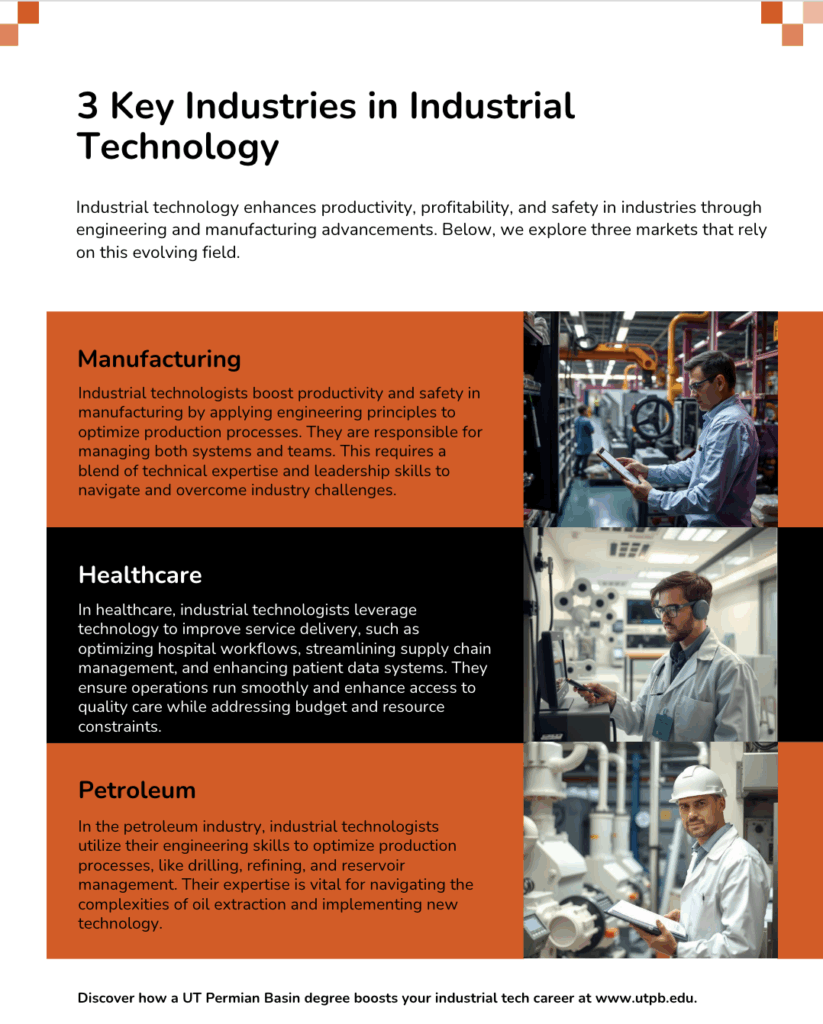
Industrial technology stands at the nexus of engineering, manufacturing, and computer science, representing the application of advanced technological solutions to optimize industrial processes, enhance productivity, and drive innovation across various sectors. Far from being a niche concept, it is the foundational engine powering modern economies, transforming how goods are produced, services are delivered, and infrastructure operates. At its core, industrial technology encompasses a broad spectrum of tools, systems, and methodologies designed to create more efficient, reliable, and sustainable industrial environments. This includes everything from sophisticated automation and robotics to cutting-edge data analytics, artificial intelligence, and robust digital communication networks. It is a field constantly evolving, driven by the relentless pursuit of precision, speed, and intelligence in industrial operations.
The Foundational Pillars of Industrial Technology
The landscape of industrial technology is built upon several critical components that work in concert to create highly integrated and intelligent systems. Understanding these pillars is key to grasping the breadth and depth of its impact.
Automation and Control Systems
At the heart of industrial technology lies automation, which involves using control systems and information technologies to reduce the need for human intervention in the production of goods and services. Programmable Logic Controllers (PLCs) are ubiquitous in manufacturing, acting as the digital brains behind machinery, executing predefined sequences and managing operational parameters. Supervisory Control and Data Acquisition (SCADA) systems provide a higher-level view, enabling operators to monitor and control entire industrial processes from a central interface, collecting real-time data for analysis. Distributed Control Systems (DCS) take this a step further, distributing control logic across a network of intelligent controllers, often used in large-scale processes like chemical plants or power generation. These systems collectively ensure precision, consistency, and safety, dramatically increasing throughput and reducing errors.
Advanced Robotics
Robotics has moved far beyond simple pick-and-place operations. Modern industrial robots are highly versatile, capable of complex tasks such as precision welding, assembly, painting, and intricate material handling. Collaborative robots (cobots), designed to work safely alongside human operators, are transforming factory floors by augmenting human capabilities rather than replacing them entirely. Autonomous Mobile Robots (AMRs) are revolutionizing internal logistics, navigating dynamic environments to transport materials and finished goods, optimizing supply chain efficiency within industrial facilities. The increasing intelligence of these robots, fueled by AI and machine learning, allows for greater adaptability, learning from their environments and performing tasks with unprecedented accuracy.
Industrial Internet of Things (IIoT)
The IIoT extends the concept of the Internet of Things to industrial settings, connecting machines, sensors, and devices within a production environment. This vast network generates an enormous volume of real-time data on operational performance, environmental conditions, and equipment health. Sensors embedded in machinery can monitor vibration, temperature, pressure, and energy consumption, transmitting this data wirelessly to central platforms. This connectivity facilitates unprecedented levels of visibility into industrial processes, enabling immediate responses to issues, proactive maintenance scheduling, and granular optimization of resource utilization. The IIoT forms the data backbone, feeding information into analytical systems that drive intelligent decision-making.
Data Analytics and Artificial Intelligence (AI)
The sheer volume of data generated by IIoT devices would be overwhelming without sophisticated analytical tools and AI algorithms. Industrial AI applications include predictive maintenance, where machine learning models analyze sensor data to forecast equipment failures before they occur, allowing for timely intervention and minimizing costly downtime. Process optimization AI identifies inefficiencies in production lines, suggesting adjustments to parameters that can improve output, reduce waste, and conserve energy. Quality control systems use computer vision and AI to detect defects with higher accuracy and speed than human inspection. These AI-driven insights transform reactive operations into proactive, intelligent systems that continuously learn and adapt.
Cybersecurity for Operational Technology (OT)
As industrial systems become increasingly interconnected, the importance of cybersecurity for Operational Technology (OT) has escalated. Protecting critical infrastructure, manufacturing facilities, and utility grids from cyber threats is paramount. OT cybersecurity focuses on securing the specialized hardware and software used to monitor and control industrial processes, which often have different vulnerabilities and requirements than traditional IT systems. This involves implementing robust network segmentation, intrusion detection systems, secure remote access, and incident response plans specifically tailored to the unique operational constraints and potential physical impacts of a cyberattack on industrial systems.
Digital Twin Technology
Digital twin technology involves creating a virtual replica of a physical asset, process, or system. This digital model is continuously updated with real-time data from its physical counterpart via IIoT sensors. Engineers can use digital twins to monitor performance, simulate various scenarios, test changes, and predict outcomes without impacting the actual physical system. For example, a digital twin of a manufacturing line can simulate the effects of reconfiguring machinery, optimizing layouts, or introducing new products, thereby reducing risk and accelerating innovation in a virtual environment before costly physical implementation. This technology is a cornerstone for advanced design, predictive analytics, and proactive problem-solving in industrial settings.
Transforming Industries and Driving Efficiency
Industrial technology is not confined to a single sector; its principles and applications are profoundly impacting a wide array of industries, fundamentally reshaping operational paradigms and unlocking new levels of efficiency and capability.
Smart Factories and Industry 4.0
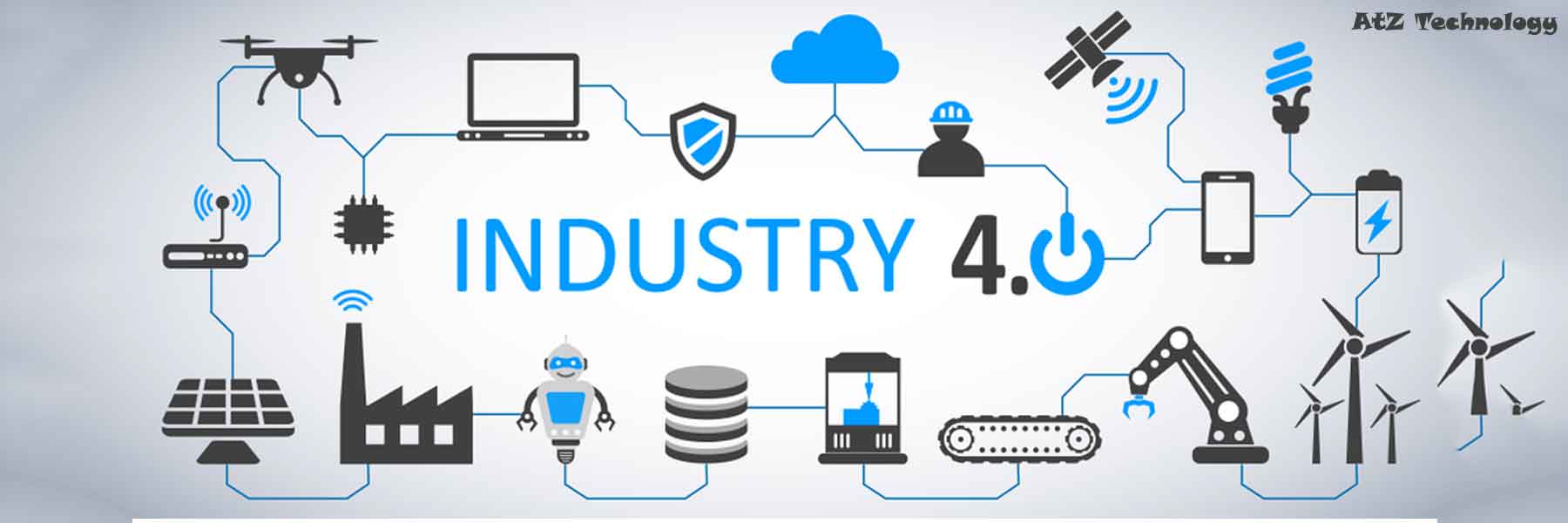
The concept of the “smart factory” epitomizes the convergence of industrial technologies, representing the realization of Industry 4.0 principles. In a smart factory, machines, systems, and products communicate with each other in real-time, creating a highly integrated, flexible, and self-optimizing production environment. This enables mass customization, where individual products can be tailored to customer specifications without significant cost increases. Real-time data from every stage of production allows for immediate adjustments, predictive quality management, and dynamic scheduling, leading to unparalleled operational agility and responsiveness to market demands.
Supply Chain Optimization
Industrial technology provides unprecedented visibility and control over complex supply chains. Sensor data from transportation logistics, automated warehousing systems, and smart inventory management tools offer real-time tracking of goods from raw materials to final delivery. AI algorithms can optimize routes, predict demand fluctuations, and identify potential bottlenecks, leading to reduced lead times, lower transportation costs, and minimized waste. Automated Guided Vehicles (AGVs) and AMRs in warehouses streamline material flow, while advanced analytics ensure optimal stock levels, preventing both shortages and overstocking.
Energy Management and Sustainability
With rising energy costs and increasing environmental concerns, industrial technology plays a crucial role in optimizing energy consumption. Smart sensors monitor energy usage across entire facilities, identifying inefficiencies and pinpointing opportunities for conservation. AI-driven energy management systems can automatically adjust power consumption based on production schedules, energy prices, and renewable energy availability. Furthermore, industrial technologies facilitate the integration of renewable energy sources into industrial grids, enabling more sustainable and resilient operations. Technologies like smart grid integration and energy storage solutions are becoming increasingly vital for industries striving for a smaller carbon footprint.
Infrastructure Development and Smart Cities
Beyond traditional manufacturing, industrial technology is central to developing modern infrastructure and smart cities. Sensors embedded in bridges, roads, and buildings provide continuous data on structural integrity and traffic flow, enabling predictive maintenance and efficient resource allocation. Smart utility grids use advanced metering infrastructure and control systems to optimize power distribution, detect outages proactively, and manage demand. Water management systems leverage IIoT and analytics to monitor water quality, detect leaks, and optimize distribution, ensuring efficient and sustainable resource utilization for urban populations.
The Future Trajectory of Industrial Technology
The relentless pace of technological advancement ensures that industrial technology will continue to evolve, bringing forth new capabilities and addressing emerging challenges. The future will see an even deeper integration of existing technologies and the emergence of entirely new paradigms.
AI and Machine Learning at Scale
Future industrial systems will feature even more sophisticated AI, moving beyond predictive analytics to truly autonomous decision-making in complex environments. Reinforcement learning will enable industrial robots and systems to learn from experience and adapt to unforeseen circumstances with minimal human intervention. AI will be instrumental in designing new materials, optimizing complex simulations, and personalizing products at an unprecedented scale, making production lines more adaptive and intelligent.
Edge Computing for Real-time Operations
As the volume of data generated at the industrial edge continues to explode, processing capabilities will increasingly shift closer to the data source. Edge computing allows for immediate analysis and action, reducing latency and reliance on centralized cloud infrastructure. This is critical for applications requiring ultra-low latency, such as real-time control of machinery, safety systems, and autonomous industrial vehicles, enhancing responsiveness and minimizing communication overheads.
Advanced Materials and Additive Manufacturing
Innovations in materials science, coupled with advanced additive manufacturing (3D printing) techniques, are poised to revolutionize product design and manufacturing processes. Industrial 3D printing enables the creation of complex geometries, customized parts, and lightweight components with optimized performance characteristics, reducing waste and accelerating prototyping. The development of smart materials that can self-heal, change properties, or generate energy will further integrate with industrial processes, leading to more resilient and efficient products.
Human-Machine Collaboration and Augmented Reality
The future industrial workplace will see an even tighter collaboration between humans and machines. Augmented Reality (AR) and Virtual Reality (VR) technologies will empower technicians with real-time diagnostic information superimposed on physical equipment, guide them through complex assembly processes, and provide immersive training environments. These technologies will enhance human capabilities, improve decision-making, and reduce errors, creating a more efficient and safer working environment.
Evolving Cybersecurity Landscape
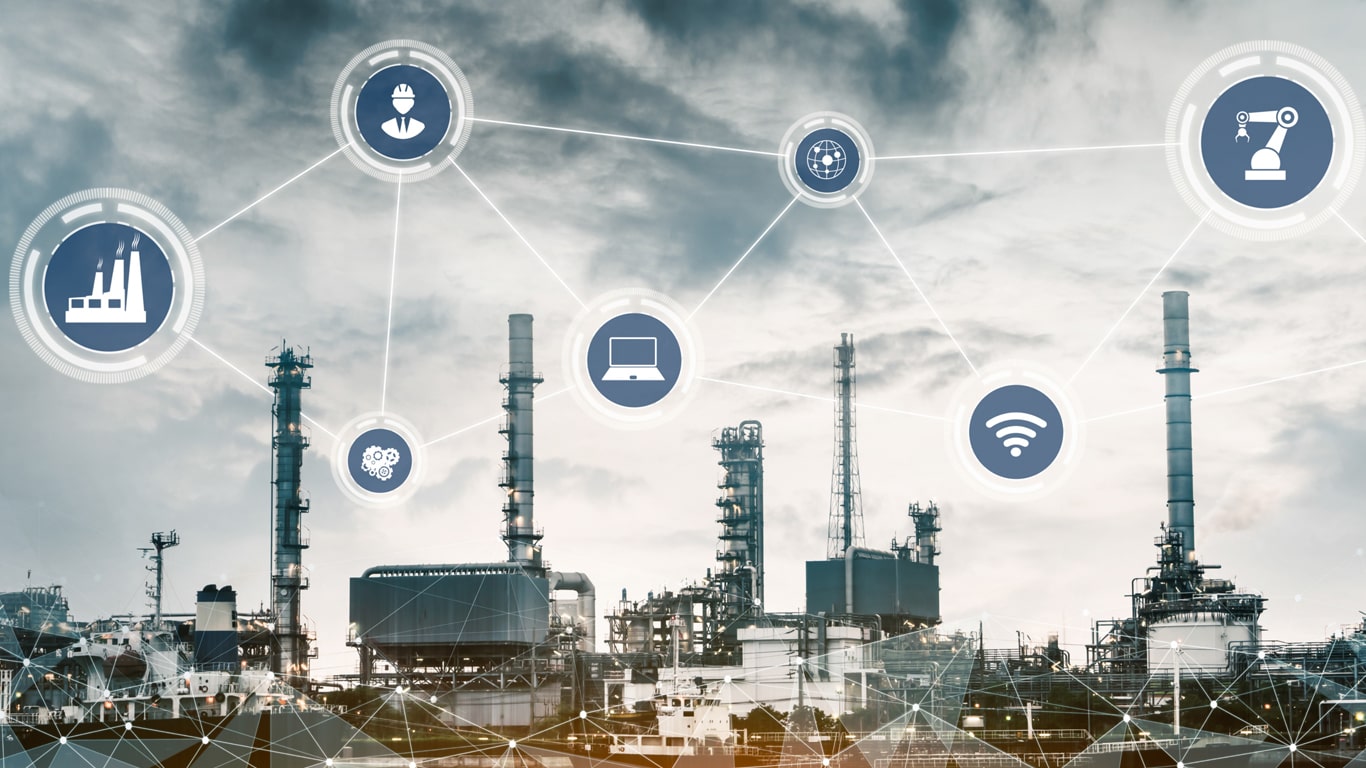
With increasing connectivity and the adoption of advanced technologies, the cybersecurity challenges for industrial systems will continue to grow in complexity. Future solutions will include AI-driven threat detection, blockchain for secure data integrity, and sophisticated behavioral analytics to identify anomalies in operational networks. Proactive security measures, resilient system architectures, and continuous threat intelligence will be critical to protecting the highly interconnected and automated industrial environments of tomorrow.
Industrial technology is a dynamic and essential field that continually redefines the boundaries of efficiency, productivity, and innovation. By integrating cutting-edge hardware, sophisticated software, and intelligent data processing, it drives the progress of industries worldwide, preparing them for an increasingly complex and interconnected future.
aViewFromTheCave is a participant in the Amazon Services LLC Associates Program, an affiliate advertising program designed to provide a means for sites to earn advertising fees by advertising and linking to Amazon.com. Amazon, the Amazon logo, AmazonSupply, and the AmazonSupply logo are trademarks of Amazon.com, Inc. or its affiliates. As an Amazon Associate we earn affiliate commissions from qualifying purchases.