
Understanding the nuanced requirements of plant lighting, particularly the concept of indirect sunlight, is not merely a botanical curiosity; it is a critical factor with direct financial implications for both commercial horticulture ventures and individual plant enthusiasts. For businesses, optimizing light translates directly into product quality, yield, and profitability. For personal investors in plants, it means safeguarding assets, minimizing replacement costs, and even opening avenues for supplemental income. This article delves into the financial importance of mastering indirect sunlight, framing it as an essential component of sound horticultural investment.
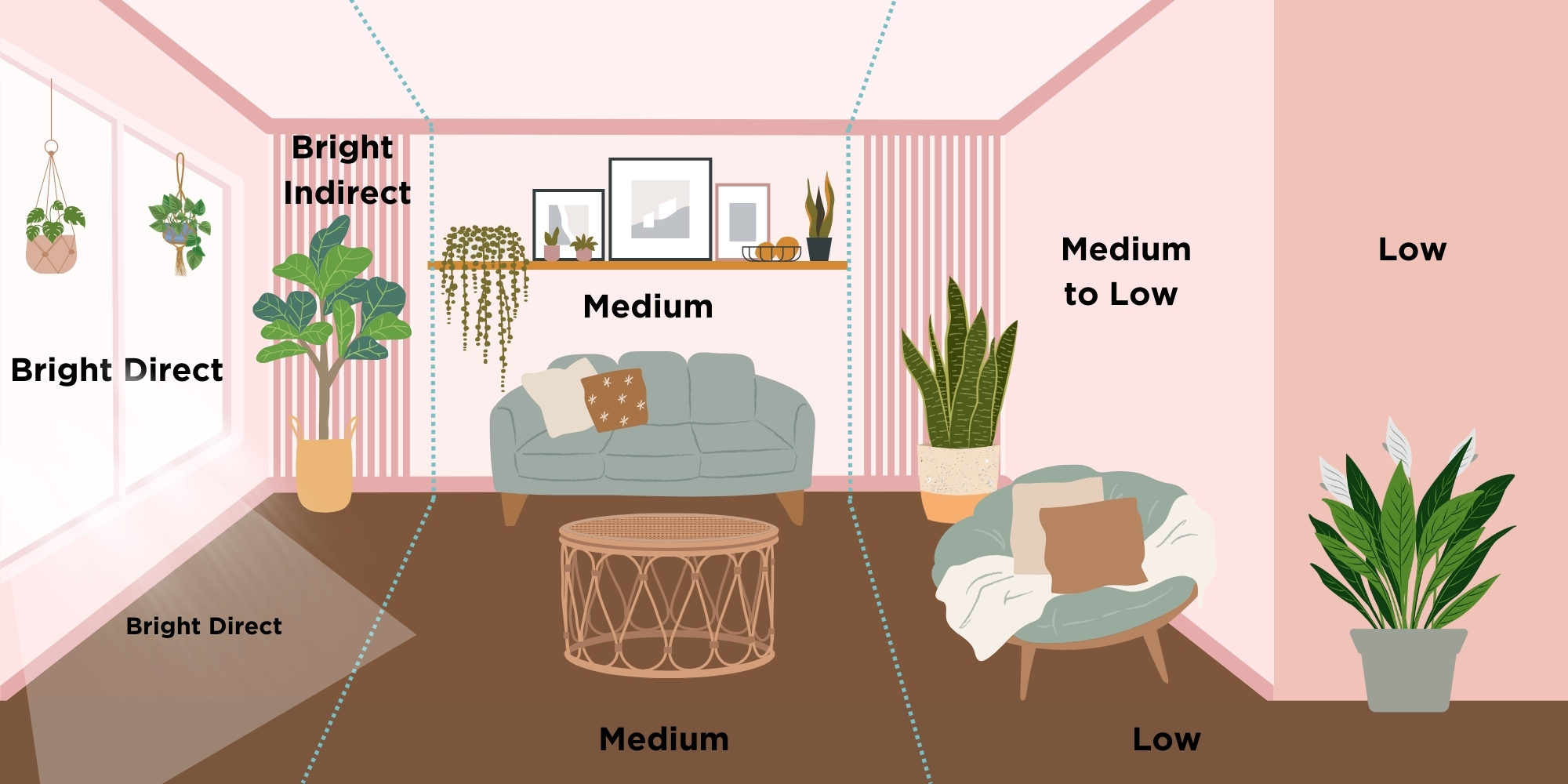
Indirect sunlight refers to light that has been diffused, filtered, or reflected before reaching a plant. Unlike harsh, direct sunbeams that can scorch sensitive foliage, indirect light is gentler, more even, and often preferred by a vast array of indoor and shade-loving plants. It can manifest as bright ambient light in a room, light passing through a sheer curtain, or sunlight bouncing off a wall. The financial savvy in appreciating this distinction lies in its capacity to preserve and enhance the value of your plant assets, whether they constitute a multi-million-dollar nursery inventory or a cherished collection in your living room.
The Financial Imperative of Optimal Plant Lighting
The health and vitality of a plant are inextricably linked to its lighting conditions. Mismanagement of this fundamental need leads to a spectrum of negative outcomes, each carrying a tangible financial cost.
Minimizing Capital Losses: The High Cost of Plant Mortality
Improper lighting is a leading cause of plant stress, decline, and ultimately, death. For plants that prefer indirect light, exposure to direct, unfiltered sunlight can result in scorched leaves, dehydration, and stunted growth. Conversely, insufficient light – often mistaken for indirect light – can lead to etiolation (stretching), weak growth, and susceptibility to pests and diseases.
Every dead or struggling plant represents a direct financial loss. For individual hobbyists, this means the cost of the initial plant, any associated pots, soil, and care products, all wasted. Replacing these plants incurs recurring expenses, eroding personal budgets allocated for other investments or leisure. In commercial settings, the scale of these losses is magnified exponentially. A nursery or greenhouse operation where light conditions are not precisely managed can face significant write-offs due to unsellable inventory. These capital losses directly impact profit margins, cash flow, and overall business viability. Understanding and providing appropriate indirect light is a preventative measure, a form of insurance against financial depreciation of horticultural assets.
Maximizing Asset Value: Healthy Plants as Growing Investments
Conversely, providing optimal indirect light conditions transforms plants into thriving, aesthetically pleasing assets that appreciate in value. Healthy plants exhibit lush foliage, vibrant colors, robust growth, and often prolific flowering, making them highly desirable.
For commercial enterprises, superior plant health translates to higher retail prices, increased demand, and a stronger brand reputation. Customers are willing to pay a premium for plants that look well-cared for and are likely to thrive in their homes. Furthermore, healthy mother plants allow for more successful propagation, multiplying inventory without additional purchase costs.
In the realm of personal finance, a collection of healthy, well-maintained plants, particularly rare or sought-after varieties, can represent a significant long-term investment. Established, mature specimens often command higher prices on secondary markets compared to their initial purchase cost. For the individual, an understanding of indirect light ensures these living assets retain their value, offering aesthetic returns and potential for financial gain through resale or propagation.
Strategic Resource Allocation: Illuminating Your Plant Portfolio
Effective management of indirect sunlight is a cornerstone of intelligent resource allocation, offering opportunities for both cost reduction and strategic investment.
Leveraging Natural Light Sources for Cost Efficiency
The most financially prudent approach to providing indirect light is to maximize the utilization of natural light. Strategic placement of plants in areas that receive bright, but not direct, sunlight can significantly reduce operational costs. This includes:
- North-facing windows: Typically provide consistent, gentle light suitable for many indirect-light-loving plants.
- East-facing windows: Offer soft morning sun, which can be beneficial, followed by indirect light for the rest of the day.
- Filtered light: Utilizing sheer curtains or blinds to diffuse intense light from south or west-facing windows.
- Placement away from direct sunbeams: Locating plants a few feet back from a bright window ensures they receive ambient light without the intensity of direct rays.
By accurately assessing and utilizing these natural light sources, individuals and businesses can drastically reduce reliance on artificial lighting systems. This directly translates into lower electricity bills and reduced capital expenditure on lighting fixtures, contributing to healthier bottom lines and improved overall financial efficiency.

Smart Investments in Supplementary Lighting Systems
While natural indirect light is cost-effective, it is not always sufficient, especially in colder climates, darker homes, or for commercial operations needing consistent growth regardless of external conditions. In these scenarios, strategic investment in supplementary lighting becomes a necessity that pays dividends.
Grow lights, particularly energy-efficient LED systems, are a capital expenditure that can yield significant returns. When chosen wisely, these systems replicate the benefits of optimal indirect sunlight, ensuring vigorous growth, enhanced flowering, and disease resistance. For commercial growers, this means higher yields per square foot, faster crop cycles, and consistent product quality, all contributing to increased revenue and profitability. For the serious hobbyist or small-scale plant seller, a well-placed grow light protects valuable specimens and accelerates propagation, leading to more robust plants for personal enjoyment or sale. The key is to evaluate the return on investment (ROI) of such systems, factoring in initial cost, energy consumption, and the tangible benefits of healthier, more valuable plants.
Indirect Sunlight in Commercial Horticulture and Agri-Business
For businesses operating in the plant sector, the concept of indirect sunlight moves beyond mere cultivation advice to become a critical component of market strategy, product development, and supply chain management.
Enhancing Product Quality and Market Competitiveness
The aesthetic appeal and health of plants are paramount in commercial sales. Nurseries, florists, and garden centers compete intensely on the quality of their stock. Plants that have received optimal indirect light will exhibit superior growth habits, richer foliage color, and overall vigor. This translates into products that are more appealing to customers, command higher prices, and garner positive reviews, fostering customer loyalty and repeat business.
Conversely, plants that are stressed due to inappropriate lighting (e.g., sunburnt or leggy from insufficient light) are difficult to sell, often requiring discounting, which erodes profit margins. By ensuring optimal indirect lighting throughout the growth cycle and in retail displays, businesses safeguard their inventory’s marketability and maintain a competitive edge. It’s an investment in brand reputation and product excellence.
Optimizing Propagation and Inventory Turnover
Many desirable plant species, especially those favored for indoor environments, propagate most successfully under specific indirect light conditions. Cuttings, seedlings, and developing plantlets require a gentle yet consistent light source to root and establish themselves without stress.
A precise understanding and application of indirect lighting significantly enhances propagation success rates, meaning a higher percentage of cuttings will root and grow into viable plants. This directly impacts inventory turnover: more healthy young plants can be brought to market faster, increasing sales volume and accelerating the return on initial propagation material and labor investments. Reducing propagation failures also minimizes waste of resources and time, leading to greater efficiency and profitability in large-scale operations.
Personal Finance Benefits: Saving and Earning with Horticultural Acumen
Beyond commercial applications, a solid grasp of indirect sunlight requirements offers tangible financial advantages for the individual, transforming horticultural knowledge into direct monetary savings and potential income streams.
Reducing Household Expenses through Plant Longevity
For many, houseplants are an investment in home aesthetics and well-being. However, the recurring cost of replacing plants that fail to thrive can accumulate. By understanding and providing the correct indirect light, individuals can ensure their plants live longer, healthier lives. This directly reduces the need to purchase replacements, saving money over time.
Consider the cost of a large, mature specimen plant; replacing such an asset due to improper care can be a significant expense. Educating oneself on indirect light requirements for various species effectively extends the lifespan of these living decor elements, preserving their aesthetic and financial value within the home. It’s a practical application of financial literacy to personal consumption habits.

Generating Supplemental Income from Thriving Plants
A well-maintained collection of plants, cultivated under optimal indirect light conditions, can become a source of supplemental income. Healthy plants produce more vigorous growth, making them ideal for propagation. Individuals can take cuttings, root them, and grow them into new plants to sell. This is particularly lucrative for rare or in-demand species, where even small cuttings can fetch premium prices online or at local markets.
The robust health fostered by correct indirect lighting also ensures that propagated plants are strong and desirable, increasing their market value and the likelihood of successful sales. This horticultural acumen transforms a hobby into a potential side hustle, offering a rewarding way to offset plant-related expenses or contribute to savings goals. By mastering the seemingly simple concept of indirect sunlight, individuals can turn their green thumb into greenbacks.
aViewFromTheCave is a participant in the Amazon Services LLC Associates Program, an affiliate advertising program designed to provide a means for sites to earn advertising fees by advertising and linking to Amazon.com. Amazon, the Amazon logo, AmazonSupply, and the AmazonSupply logo are trademarks of Amazon.com, Inc. or its affiliates. As an Amazon Associate we earn affiliate commissions from qualifying purchases.