
Florida. The very name conjures images of sun-drenched beaches, vibrant theme parks, and a laid-back lifestyle. It’s a state synonymous with warmth and accessibility, a place many flock to for its tourism and its attractive tax environment. But beyond the palm trees and the theme park rides, lies a unique geographical characteristic that profoundly influences its culture, economy, and future: its exceptionally low elevation. While the question “what elevation is Florida” might seem straightforward, delving into it reveals a fascinating interplay between geography, technology, brand perception, and financial considerations – themes that resonate deeply with the core of our website’s focus.

The Geography of Low: Understanding Florida’s Elevation Landscape
Florida’s topography is, quite literally, flat as a pancake. Unlike many other states blessed with dramatic mountain ranges or rolling hills, the Sunshine State is characterized by its almost imperceptible inclines. This isn’t an accident of nature; it’s a direct consequence of its geological history.
The Karst Landscape: A Foundation Built on Limestone and Water
Much of Florida’s landmass is built upon a foundation of porous limestone. This type of geological formation is known as karst topography, and it’s a defining feature of the state. Over millennia, rainwater, slightly acidic, has dissolved the soluble limestone, creating a complex network of underground caves, sinkholes, and aquifers. This subterranean water system is not only the source of Florida’s abundant freshwater but also shapes its surface.
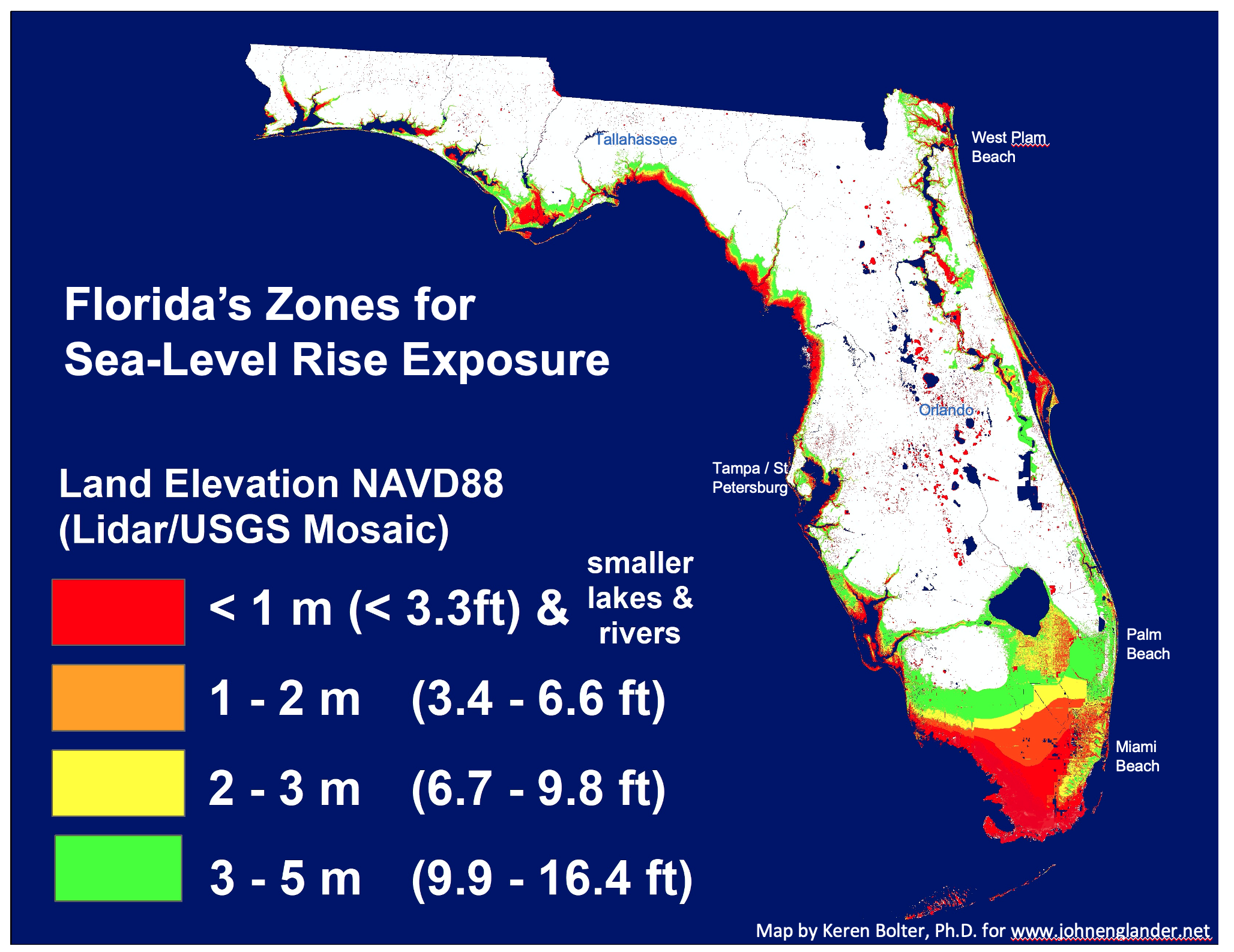
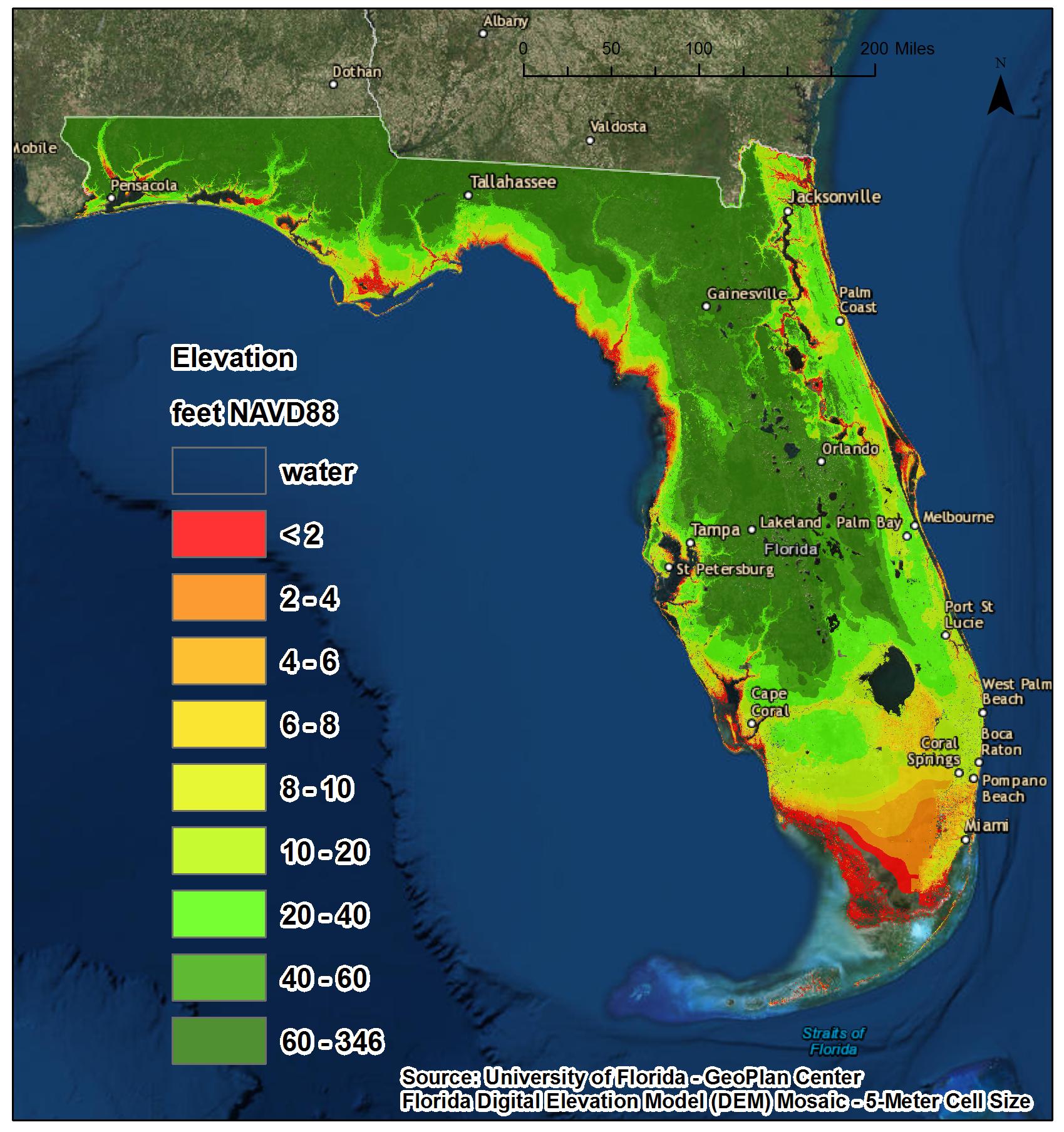
The low-lying nature of Florida is directly linked to this karst system. There are very few natural barriers to erosion, and the land has been relatively stable over geological time, without significant tectonic uplift. The highest point in Florida, Britton Hill in the panhandle, barely scrapes 345 feet (about 105 meters) above sea level. To put that into perspective, it’s a gentle incline, more of a raised knoll than a true hill. The vast majority of the state hovers just feet above sea level, with large portions of the coastal areas existing at elevations of 10 feet (around 3 meters) or less.
This pervasive flatness has significant implications. It means that water management is a constant, critical concern. Drainage systems are paramount, and the state’s entire infrastructure is designed to cope with periods of heavy rainfall and the ever-present threat of rising sea levels. The low elevation also contributes to Florida’s distinctive climate, with warm temperatures and high humidity, as there are no significant mountain ranges to block weather patterns or create rain shadows.
Tech-Driven Solutions for a Low-Lying State: Innovation in the Face of Geography
The technological landscape of Florida, much like its elevation, is characterized by a need for practical, often data-driven, solutions. While the state might not be a hub for bleeding-edge quantum computing research, it’s a fertile ground for applying existing technologies to solve real-world challenges directly tied to its geography.
Smart Infrastructure and Digital Security in Flood-Prone Zones
One of the most pressing issues for a low-elevation state is water. This encompasses everything from managing storm surges and hurricanes to dealing with everyday rainfall and the creeping threat of sea-level rise. Technology plays a crucial role in mitigating these risks.
- Advanced Weather Monitoring and Prediction: Satellites, Doppler radar networks, and sophisticated meteorological modeling software are essential for predicting and tracking severe weather events. These technologies allow for earlier warnings, more efficient evacuations, and better preparation for coastal communities. The data gathered from these systems is invaluable for emergency management agencies, enabling them to deploy resources effectively.
- Smart Drainage Systems and Water Management: IoT sensors deployed throughout drainage systems can monitor water levels in real-time. This data can be fed into AI algorithms to optimize the operation of pumps and gates, preventing localized flooding and managing freshwater resources more efficiently. Imagine a network of sensors alerting the city’s infrastructure to an impending overload, allowing for proactive adjustments.
- Resilient Infrastructure Design: While not solely a tech solution, the design and construction of Florida’s infrastructure increasingly leverage technological advancements. Building codes are evolving to incorporate resilience against extreme weather, and new materials and construction techniques are being explored. This includes the use of advanced surveying tools and Geographic Information Systems (GIS) for precise elevation mapping and site selection.
- Digital Security for Critical Infrastructure: As more of Florida’s infrastructure becomes “smart” and interconnected, the importance of digital security cannot be overstated. Protecting power grids, water treatment facilities, and transportation networks from cyberattacks is paramount, especially in a state heavily reliant on tourism and international business. AI-powered threat detection and robust cybersecurity protocols are no longer optional but a necessity.
The Role of Apps and Gadgets in Daily Life
Beyond large-scale infrastructure, technology impacts the daily lives of Floridians in tangible ways.
- Personal Safety Apps: With hurricane season a regular occurrence, personal safety apps that provide real-time alerts, evacuation routes, and communication channels are invaluable.
- Home Automation and Flood Prevention: Smart home devices can offer peace of mind, with some systems integrating with water sensors to detect leaks or rising water levels, sending immediate alerts to homeowners.
- Navigation and Environmental Awareness: Advanced GPS and mapping applications are crucial, especially for navigating unfamiliar areas during emergencies. Furthermore, apps that provide real-time environmental data, such as UV indexes and air quality, are particularly relevant in a state where outdoor activity is a major lifestyle component.
Branding Florida: The Perception of Low, The Reality of High Value
Florida’s brand is intrinsically linked to its geography. The image of sunshine, beaches, and a relaxed pace of life is powerful and globally recognized. However, the “low elevation” aspect presents a duality that the state’s branding must navigate carefully.
The “Sunshine Brand” and its Challenges
Florida has masterfully cultivated a brand centered on leisure, retirement, and family fun. This “Sunshine Brand” is heavily promoted through tourism campaigns, showcasing its iconic attractions and natural beauty. This positive association has driven immense economic growth, making tourism and real estate major pillars of the state’s economy.
However, the low elevation and its associated vulnerabilities are becoming increasingly difficult to ignore. As climate change fuels more intense storms and rising sea levels become a tangible reality, the perception of Florida as a perpetually safe and stable paradise is being challenged.
- Reputation Management in the Face of Climate Change: The state government and businesses have a significant undertaking in managing their brand reputation. While they may not directly address “low elevation” in marketing materials, the underlying reality necessitates proactive strategies. This includes investing in resilient infrastructure, promoting sustainable practices, and communicating efforts to mitigate climate-related risks. The narrative needs to shift from simply showcasing the beauty to highlighting the state’s commitment to a sustainable and secure future.
- Personal Branding for Floridians: For individuals living or working in Florida, their personal brand might also be subtly influenced by their location. The perceived vulnerability of coastal living, coupled with the increasing frequency of extreme weather events, can shape how residents present themselves and their preparedness. This can manifest in a greater emphasis on resilience, community support networks, and a proactive approach to planning.
Case Studies in Coastal Resilience and Innovation
Examining how certain Florida cities and businesses are adapting offers valuable case studies for brand building and reputation management.
- Miami’s Resilience Efforts: Miami is at the forefront of facing sea-level rise challenges. Its extensive investments in raising roads, improving drainage, and exploring innovative flood barriers showcase a proactive approach. This commitment to adaptation, when effectively communicated, can strengthen Miami’s brand as a city that not only offers a desirable lifestyle but is also forward-thinking and resilient.
- Tech Companies and Sustainable Development: The growing tech sector in Florida is increasingly incorporating sustainability into its ethos. Companies developing smart city solutions, renewable energy technologies, or eco-friendly building materials are not only contributing to solutions for the state’s geographical challenges but are also building a strong brand identity around innovation and environmental responsibility.
- The Insurance Industry’s Role: The insurance industry plays a critical, albeit complex, role in Florida’s brand. The rising costs of property insurance due to increased climate risks can impact the perceived financial stability and desirability of certain areas. Companies that offer innovative insurance products or actively participate in risk mitigation efforts can build a brand of trustworthiness and reliability.
Money Matters: The Financial Implications of a Low-Lying State
Florida’s low elevation has profound and multifaceted financial implications, impacting everything from real estate values and insurance premiums to government spending and economic development strategies.
Real Estate and Investment: The Double-Edged Sword of Coastal Access
Florida’s desirability as a place to live and invest is undeniable, largely driven by its climate and lifestyle. However, its low elevation introduces a significant financial risk.
- Coastal Property Values and Flood Risk: Properties located in low-lying coastal areas are inherently more vulnerable to flooding from storm surges and rising sea levels. While these areas often command premium prices due to their scenic beauty and access to the ocean, investors and homeowners must factor in the escalating costs associated with flood insurance, potential property damage, and the long-term risk of devaluation.
- Insurance Premiums and Availability: The escalating frequency and severity of hurricanes have led to significant increases in homeowners’ insurance premiums in Florida. In some cases, insurance may become prohibitively expensive or even unavailable in the most vulnerable areas. This directly impacts affordability and can deter new investment and development. The financial tools available, such as catastrophe bonds and state-backed insurance programs, are crucial for managing this risk.
- Diversification of Investment: For those looking to invest in Florida real estate, a nuanced approach is crucial. While coastal properties offer their unique appeal, inland properties at higher elevations might present a more stable long-term investment, shielded from the immediate threats of sea-level rise and storm surges. Financial advisors often recommend a diversified portfolio that considers these geographical risks.
Government Budgets and Infrastructure Spending
The financial burden on state and local governments is substantial, driven by the need to adapt to and mitigate the impacts of Florida’s low elevation.
- Infrastructure Investment for Resilience: Significant portions of government budgets are allocated to maintaining and upgrading infrastructure to withstand extreme weather and rising sea levels. This includes investments in seawalls, elevated roads, enhanced drainage systems, and beach renourishment projects. These are essential expenditures, but they represent a considerable ongoing financial commitment.
- Emergency Preparedness and Disaster Relief: Florida is consistently ranked among the states most vulnerable to natural disasters. Consequently, substantial funds are dedicated to emergency preparedness, including early warning systems, evacuation planning, and post-disaster relief efforts. The financial toll of each major hurricane can run into billions of dollars, impacting state budgets for years.
- Long-Term Planning and Economic Sustainability: Forward-thinking governments are increasingly incorporating climate resilience into their long-term economic development plans. This involves incentivizing development in safer areas, promoting sustainable building practices, and exploring innovative financial instruments to fund resilience projects. The financial health of the state is directly tied to its ability to adapt to its unique geographical realities.
Online Income and Side Hustles in a Changing Landscape
Even for those engaged in online income streams and side hustles, Florida’s low elevation can indirectly influence their financial strategies.
- Remote Work and Relocation Considerations: For individuals considering relocating to Florida for its lifestyle and tax advantages, the long-term viability of living in certain coastal areas might be a factor. This could influence decisions about where to establish a home base for remote work.
- Entrepreneurial Opportunities in Resilience: The challenges presented by Florida’s geography also create entrepreneurial opportunities. Businesses focused on climate adaptation technologies, sustainable construction, flood mitigation services, or disaster recovery could find a strong market in the state. This highlights how even seemingly inherent limitations can be leveraged for financial gain through innovation.
In conclusion, the question of “what elevation is Florida” is far more than a simple geographical inquiry. It’s a gateway to understanding the intricate ways in which our environment shapes our technological adoption, our brand perception, and ultimately, our financial well-being. As Florida continues to navigate its low-lying landscape, its residents, businesses, and policymakers will increasingly rely on smart solutions, adaptive strategies, and a clear-eyed financial approach to ensure a prosperous and resilient future under the Florida sun.
aViewFromTheCave is a participant in the Amazon Services LLC Associates Program, an affiliate advertising program designed to provide a means for sites to earn advertising fees by advertising and linking to Amazon.com. Amazon, the Amazon logo, AmazonSupply, and the AmazonSupply logo are trademarks of Amazon.com, Inc. or its affiliates. As an Amazon Associate we earn affiliate commissions from qualifying purchases.