
In the dynamic world of agricultural entrepreneurship and niche markets, understanding the unique characteristics and economic viability of specific crops can unlock significant financial opportunities. Green garlic, often overlooked in favor of its mature bulb counterpart, represents precisely such an opportunity. More than just an ingredient, green garlic embodies a seasonal, premium product with a distinct market appeal for those looking to diversify income streams, launch an agricultural side hustle, or strategically expand an existing food business. Its financial potential lies in its relatively short growing cycle, culinary versatility, and the increasing consumer demand for fresh, local, and unique produce.

Understanding Green Garlic: A Niche Market Opportunity
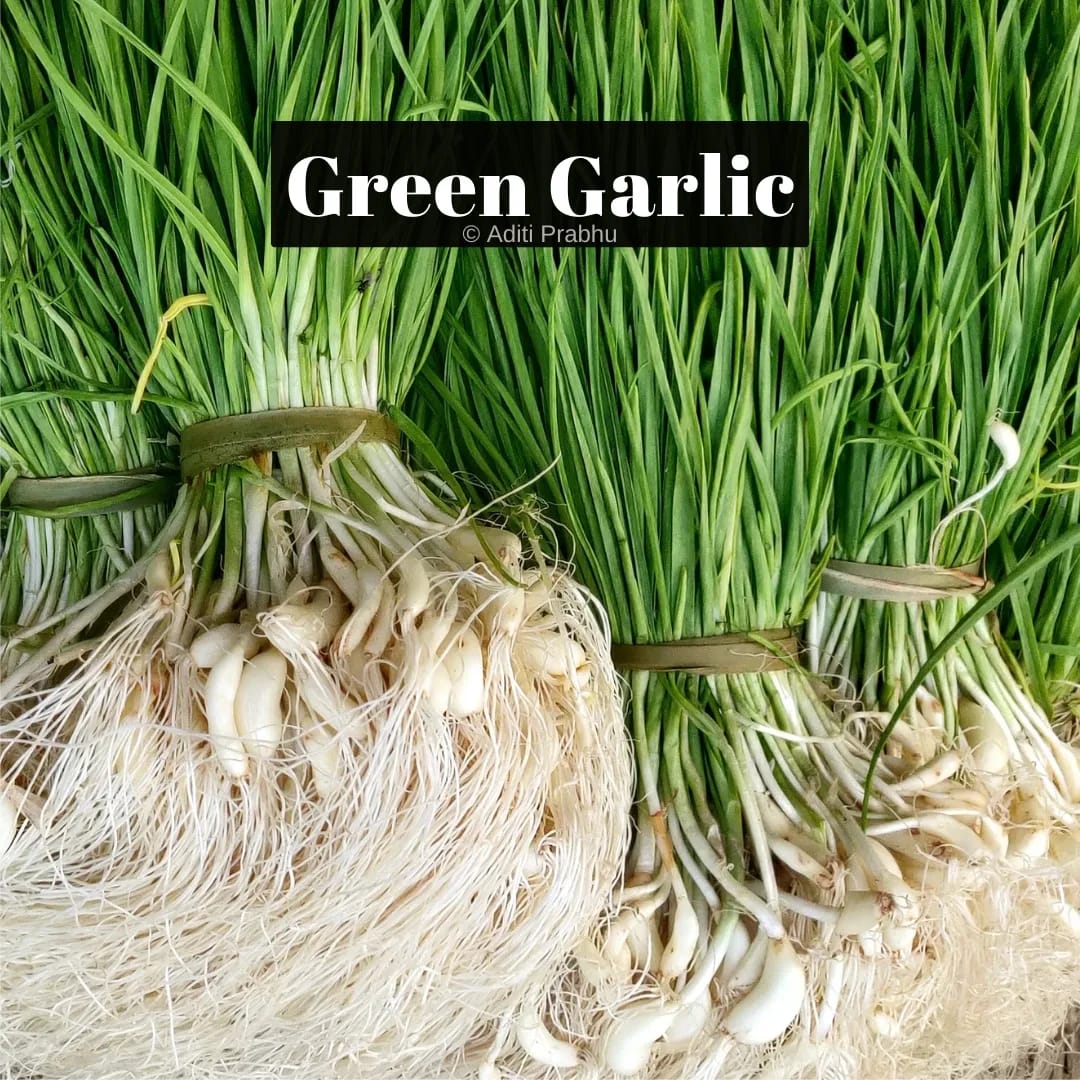
Before delving into the financial mechanics, it’s crucial to grasp what green garlic is and why it commands a special place in the market. Green garlic is essentially young garlic, harvested before the bulb has fully formed. It resembles a large scallion or leek, with tender green stalks, a soft white or purplish base, and sometimes a rudimentary, unsegmented bulb. This early harvest imbues it with a milder, fresher, and more herbaceous flavor than mature garlic, lacking the pungent bite often associated with fully developed cloves.
The Botanical Basics and Culinary Appeal
From a grower’s perspective, green garlic can be cultivated from standard garlic cloves planted in fall or early spring. Its appeal isn’t just botanical; it’s profoundly culinary. Chefs and home cooks value green garlic for its ability to infuse dishes with a nuanced garlic flavor without overpowering other ingredients. It can be used stem-to-root, raw or cooked, in everything from stir-fries, omelets, and soups to pestos and roasted vegetable dishes. This versatility makes it a highly desirable ingredient, especially during its peak season in late winter and early spring, when other fresh produce might be less abundant.
Differentiating from Mature Garlic: A Premium Positioning
The key to green garlic’s market value lies in its differentiation. Unlike mature garlic, which is a pantry staple, green garlic is a specialty item. Its limited seasonal availability and delicate nature position it as a premium product. This allows growers and sellers to command higher prices per pound or per bunch compared to bulk mature garlic, directly impacting profit margins. Marketing efforts can focus on its freshness, unique flavor profile, and ephemeral nature, appealing to food enthusiasts and health-conscious consumers seeking high-quality, seasonal ingredients.
Market Trends: Demand for Local, Fresh, and Unique Produce
Contemporary consumer trends heavily favor local, fresh, and often organic produce. There’s a growing appreciation for understanding where food comes from, how it’s grown, and its seasonal availability. Green garlic perfectly aligns with these trends. Its cultivation often lends itself well to small-scale, sustainable farming practices, which further enhances its marketability to a demographic willing to pay a premium for ethically sourced, high-quality ingredients. Identifying and capitalizing on these trends is fundamental to building a profitable enterprise around specialty crops like green garlic.
Cultivating Profit: Green Garlic as a Lucrative Side Hustle or Small Business Venture
For aspiring agricultural entrepreneurs, green garlic presents an accessible entry point into farming with a promising return on investment. Its cultivation doesn’t demand extensive land or specialized, expensive equipment, making it suitable for a range of scales, from a backyard side hustle to a dedicated small farm.
Low Entry Barriers for Small-Scale Growers
Starting a green garlic operation requires a relatively modest initial investment. Seed garlic (cloves for planting), basic gardening tools, and access to fertile soil and water are the primary prerequisites. Unlike long-term tree crops or capital-intensive row crops, green garlic offers a quicker turnaround, with harvest typically occurring 60-90 days after planting, depending on climate and desired size. This shorter growth cycle means faster cash flow generation, which is highly attractive for new businesses or those testing market demand.
Yields and Profit Margins: The Economic Advantages
While specific yields vary, a well-managed plot can produce a substantial quantity of green garlic. Given its premium pricing (often sold by the bunch at farmer’s markets, or by the pound to restaurants), the revenue per square foot can be surprisingly high. For instance, if mature garlic cloves typically cost $X per pound, green garlic bunches might retail for $Y per bunch, where $Y represents a significantly higher profit margin once labor and land costs are accounted for. Analyzing the cost of inputs (seed, water, amendments) against potential revenue per unit is critical for forecasting profitability. The relatively low variable costs associated with growing green garlic contribute positively to its gross margin.
Seasonality and Supply Chain Management
Green garlic is a seasonal crop, typically available in late winter and early spring. This seasonality can be a double-edged sword: it creates scarcity and drives demand (and price) during its window, but also means income from this specific crop is concentrated within a few months. Strategic planning involves planting successions to extend the harvest window, if possible, and integrating green garlic into a broader crop rotation plan that includes other seasonal produce to ensure a more consistent income flow throughout the year. Effective supply chain management involves understanding harvest timing, storage needs (minimal for fresh green garlic), and delivery logistics to maintain freshness and quality for customers.
Strategies for Monetization: Selling and Marketing Your Green Garlic
Monetizing green garlic effectively requires a multi-pronged approach, leveraging both direct-to-consumer and wholesale channels, and exploring value-added products. The goal is to maximize the crop’s financial potential by reaching diverse customer segments.

Direct-to-Consumer Channels: Farmer’s Markets, CSAs, Online Stores
Selling directly to consumers often yields the highest profit margins. Farmer’s markets are an ideal platform for green garlic, allowing growers to showcase their fresh produce, educate customers about its uses, and build personal relationships. Community Supported Agriculture (CSA) programs can integrate green garlic into weekly shares, providing guaranteed sales. Establishing an online store for local pickup or delivery can expand reach beyond physical market limitations, especially for customers seeking convenience or specialty items. High-quality photography and engaging descriptions that highlight green garlic’s unique attributes are vital for online success.
Wholesale Opportunities: Restaurants, Specialty Grocers
Developing relationships with local restaurants, particularly those focused on farm-to-table cuisine, can provide consistent demand for green garlic. Chefs appreciate the freshness and unique flavor profile of locally sourced ingredients. Specialty grocery stores and co-ops are another viable wholesale channel, as they cater to a clientele interested in high-quality, often organic, and seasonal produce. Negotiating fair prices and ensuring reliable, consistent delivery are key to success in the wholesale market. Volume discounts can be offered for larger orders, balancing profit margins with sales volume.
Value-Added Products: Expanding Revenue Streams
Beyond fresh sales, processing green garlic into value-added products can significantly extend its market life and revenue potential. Green garlic pesto, finely chopped and frozen for later use, or even dried green garlic powder are examples. These products allow growers to capture surplus green garlic that might not be sold fresh, reducing waste and creating new income streams. The creation of such products often requires adherence to specific food safety regulations, which should be thoroughly researched and implemented.
Pricing Strategies for a Premium Product
Pricing green garlic requires careful consideration. Researching local market rates for similar specialty produce is a starting point. Pricing should reflect the crop’s quality, freshness, and the labor involved in its cultivation and harvesting. As a premium, seasonal item, green garlic can command a higher price per unit than common vegetables. Growers should consider cost-plus pricing (cost of production + desired profit margin), value-based pricing (what customers are willing to pay for perceived value), and competitive pricing, while always aiming for a strong profit margin that adequately rewards the effort and investment.
Business Finance and Management for Green Garlic Entrepreneurs
Sustainable success in green garlic cultivation, whether as a side hustle or a full-fledged business, hinges on robust financial planning and disciplined management. Treating it like any other business, with careful attention to finances, is paramount.
Startup Costs and Operational Expenses
Detailed budgeting is essential. Startup costs will include seed garlic, soil amendments, basic tools, and potentially small infrastructure like raised beds or irrigation. Operational expenses encompass water, ongoing soil fertility management, packaging materials, and most significantly, labor for planting, weeding, harvesting, and marketing. Keeping accurate records of all expenditures is critical for understanding true costs and for tax purposes.
Budgeting and Financial Planning
Creating a comprehensive budget that projects both expenses and revenues over a typical growing season is a non-negotiable step. This includes cash flow projections to anticipate periods of expenditure before revenue comes in. Financial planning should also encompass setting aside funds for unexpected events, reinvestment into the business, and personal income. Utilizing accounting software or even simple spreadsheets can help track financial performance against projections.
Tracking Inventory and Sales: Essential Tools
Effective inventory management ensures that green garlic is harvested at its peak and sold efficiently. Tracking planting dates, estimated harvest dates, actual yields, and sales figures (quantity sold, price, revenue) provides invaluable data. This data informs future planting decisions, helps identify best-selling channels, and allows for precise revenue forecasting. Simple digital tools or even a physical ledger can be effective for small operations.
Risk Management and Diversification
Reliance on a single crop can be risky. Pests, diseases, adverse weather, or sudden market shifts can severely impact profitability. Diversifying into other compatible specialty crops alongside green garlic mitigates these risks. Furthermore, understanding market demand and being agile enough to adjust planting volumes or marketing strategies based on feedback is a crucial aspect of risk management. Investing in crop insurance, where available and economically viable, can also provide a safety net.
Scaling Up: From Side Hustle to Sustainable Enterprise
For those whose green garlic venture proves successful, the natural progression involves scaling operations. This transition requires strategic investment and a long-term vision for growth.
Investing in Infrastructure and Efficiency
Scaling might involve investing in larger plots of land, more efficient irrigation systems, light farm machinery (e.g., a small tiller), or improved harvesting tools. Post-harvest handling infrastructure, such as a cool room or packing shed, might become necessary to maintain quality for larger volumes. The goal is to increase efficiency, reduce labor costs per unit, and handle greater production volumes without compromising quality.
Expanding Market Reach and Customer Base
As production grows, so too must the market reach. This could involve expanding wholesale relationships to more restaurants or grocery chains, participating in additional farmer’s markets, or developing a robust e-commerce presence with shipping capabilities (for non-perishable value-added products). Marketing efforts should become more sophisticated, potentially including professional branding, website development, and social media engagement to attract a broader customer base.
Long-Term Financial Projections
Transitioning from a side hustle to a sustainable enterprise demands rigorous long-term financial planning. This includes developing multi-year revenue and expense forecasts, assessing capital expenditure needs, and potentially seeking financing for expansion. Understanding the economics of scale, forecasting break-even points for new investments, and planning for consistent profitability are critical for the sustained financial health and growth of a green garlic business. Strategic growth ensures that the initial financial potential of green garlic is fully realized, transforming a niche crop into a cornerstone of a thriving agricultural business.
aViewFromTheCave is a participant in the Amazon Services LLC Associates Program, an affiliate advertising program designed to provide a means for sites to earn advertising fees by advertising and linking to Amazon.com. Amazon, the Amazon logo, AmazonSupply, and the AmazonSupply logo are trademarks of Amazon.com, Inc. or its affiliates. As an Amazon Associate we earn affiliate commissions from qualifying purchases.