
A garden tub, often referred to as a soaking tub, represents a significant feature in many modern bathrooms, distinguishing itself from standard bathtubs primarily by its depth and overall dimensions. Unlike conventional tubs designed for quick washing, a garden tub is specifically crafted for relaxation and immersive soaking, typically featuring greater depth and sometimes a wider, longer basin. While its primary appeal lies in comfort and aesthetic, understanding a garden tub from a financial perspective – its costs, impact on property value, and long-term financial implications – is crucial for any homeowner considering this upgrade. This deep dive explores the economic realities behind integrating a garden tub into your home, ensuring an informed financial decision.
The Financial Investment of a Garden Tub
Installing a garden tub is more than just purchasing a fixture; it’s a multi-faceted financial investment that encompasses several direct and indirect costs. Understanding these upfront expenditures and ongoing operational expenses is vital for accurate budgeting and financial planning.
Understanding the Initial Costs
The price of a garden tub itself varies widely based on material, size, brand, and features (e.g., jets, heaters). Basic acrylic models might start from $500–$1,500, while cast iron, stone resin, or solid surface tubs, especially those with advanced hydrotherapy options, can easily range from $2,000 to $10,000 or more.
Beyond the tub’s purchase price, significant costs are associated with installation:
- Plumbing Modifications: Garden tubs often require specific drain and water line placements, potentially necessitating extensive plumbing work. This can include moving existing lines, upgrading pipe sizes for faster filling, or installing new fixtures, all contributing to labor and material costs that can range from a few hundred to several thousand dollars depending on the complexity.
- Structural Reinforcements: Due to their larger size and capacity, garden tubs hold significantly more water than standard tubs, increasing their weight when full. Many older homes or those not originally designed for such heavy fixtures may require structural floor reinforcement, a critical safety and longevity consideration that adds to renovation expenses. This could involve strengthening floor joists or adding support beams, costing anywhere from $1,000 to $5,000 or more.
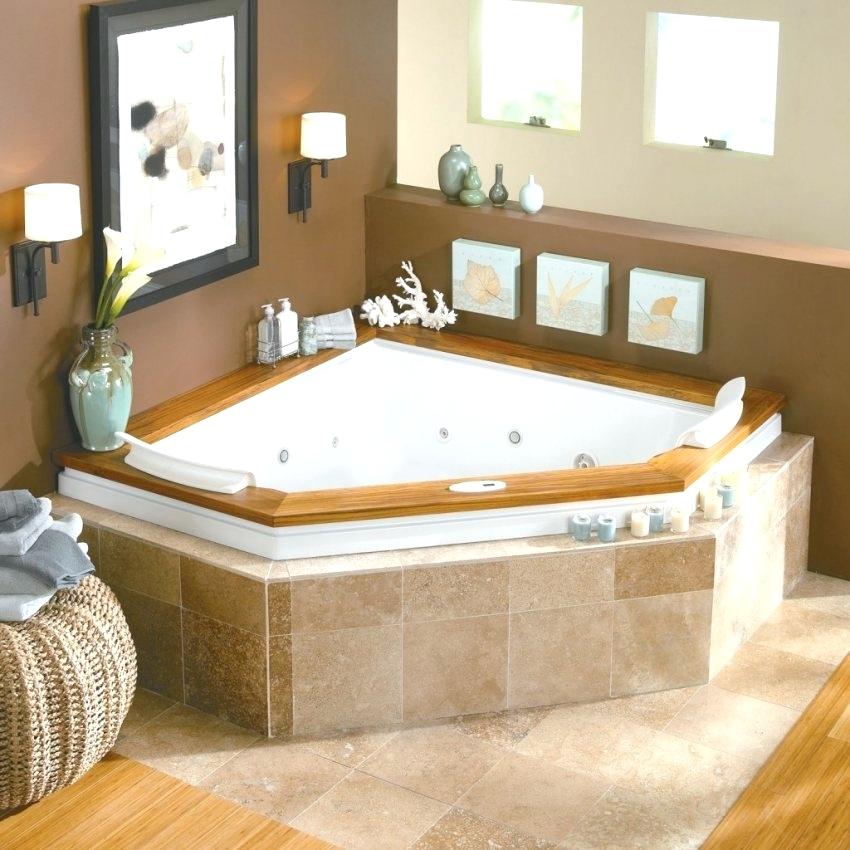
- Surround and Decking Materials: Unlike drop-in tubs that fit into an alcove, garden tubs often require custom surrounds or decking. Materials such as tile, natural stone, or custom cabinetry for the deck, alongside professional installation, can substantially increase the overall project cost. These aesthetic elements are key to integrating the tub seamlessly into the bathroom design and can range from $1,500 to $7,000 or higher.
- Removal and Disposal: The cost of removing an old tub and disposing of construction debris is often overlooked but contributes to the total project budget. This can be a few hundred dollars depending on local disposal fees and labor.
Beyond the Price Tag: Operating Expenses
The financial considerations for a garden tub extend beyond its installation. Owning and using a garden tub incurs ongoing operational costs that can impact your monthly budget.
- Water Consumption: Garden tubs typically hold 50-100 gallons of water, sometimes more, compared to the 25-40 gallons of a standard tub. Frequent use will lead to a noticeable increase in your water utility bill.
- Water Heating Costs: Heating a larger volume of water to a comfortable soaking temperature demands more energy. If your existing water heater is not adequately sized, you might experience longer wait times for hot water or even run out. Upgrading to a larger or more efficient water heater (e.g., tankless) could become an additional expense to support the garden tub, potentially costing $1,000 to $4,000 for the unit and installation.
- Maintenance and Cleaning: The larger surface area and potential for jets or specialized features mean more time and potentially more specialized cleaning products are required for maintenance, adding small but consistent costs over time.
Impact on Home Value and Resale
For many homeowners, renovations are not just about personal enjoyment but also about enhancing property value. A garden tub’s impact on resale value is a nuanced financial consideration, varying based on market trends, buyer demographics, and the overall quality of the installation.
Appealing to Luxury and Lifestyle Buyers
A beautifully designed bathroom featuring a high-quality garden tub can be a significant selling point, particularly for buyers seeking luxury, comfort, and a spa-like experience at home. This amenity can position your home as more upscale, potentially attracting buyers willing to pay a premium for such features. In markets where relaxation and self-care are highly valued, a garden tub can differentiate your property.
Potential ROI on a Bathroom Renovation
Bathroom renovations, in general, tend to offer a good return on investment (ROI). While a specific ROI for just a garden tub is hard to isolate, it is a crucial component of a master bathroom upgrade. A mid-range bathroom remodel can yield an ROI of 60-70% upon resale. A well-executed installation of a garden tub within a cohesive, updated master bathroom contributes significantly to this return by elevating the overall appeal and perceived value of the space. It moves a bathroom from merely functional to a sanctuary, a key element for many discerning buyers.
When a Garden Tub Might Not Add Value
Despite its potential appeal, a garden tub doesn’t guarantee a positive ROI in all scenarios:
- Space Constraints: If installing a garden tub significantly reduces other valuable bathroom space (e.g., removing a separate shower, hindering movement), it could be perceived negatively by buyers. Functionality often trumps luxury for many.
- Regional Preferences: Buyer preferences vary geographically. In some regions, a large, deep tub might be less desirable than a spacious walk-in shower, especially in areas with water conservation concerns or for demographics preferring quick showers over long soaks. Researching local real estate trends and buyer expectations is crucial.
- Lack of Cohesion: A luxurious garden tub in an otherwise outdated or poorly maintained bathroom might stand out negatively, highlighting the need for further renovations rather than adding value on its own. The entire bathroom should present a cohesive, updated look.
- Demographic Mismatch: For first-time homebuyers or those with young children, a large soaking tub might not be a priority and could even be seen as a potential safety concern or simply unnecessary extra space that could be better utilized.
Budgeting and Financing Your Garden Tub Project
Careful financial planning is paramount for any home renovation project, especially one involving significant fixtures like a garden tub.
DIY vs. Professional Installation: Cost-Benefit Analysis
While some homeowners consider DIY projects to save money, installing a garden tub is complex and often requires professional expertise.
- DIY Savings: You save on labor costs, which can be substantial.
- DIY Risks: Improper installation can lead to costly issues like leaks, structural damage, or inadequate plumbing, potentially negating any initial savings and incurring much higher repair costs down the line. Moreover, warranty issues might arise if the product is not installed by a certified professional.
- Professional Expertise: Hiring licensed plumbers, contractors, and possibly structural engineers ensures the job is done correctly, safely, and to code, protecting your investment and preventing future financial headaches. They also often provide warranties for their work. The added cost of professionals typically ranges from $2,000 to $8,000, depending on the scope.
Financing Options
For projects that exceed immediate cash availability, several financing options are available:
- Home Equity Loans or Lines of Credit (HELOC): These leverage the equity in your home, often offering lower interest rates than personal loans. They are ideal for significant renovations that potentially increase home value.
- Personal Loans: These are unsecured loans with fixed interest rates and terms. While they might have higher interest rates than home equity products, they don’t require your home as collateral.
- Renovation Mortgages: Some mortgage products, like an FHA 203(k) loan, allow you to borrow money for home repairs and improvements as part of your primary mortgage, rolled into one payment.
- Savings: The most financially sound approach, if feasible, is to save up and pay for the renovation in cash, avoiding interest payments entirely.
Prioritizing Your Renovation Budget
When budgeting, consider not just the tub itself but also all associated costs: permits, demolition, plumbing, electrical (if adding jets/heaters), structural work, tiling/surrounds, labor, and potential contingency funds (10-20% of the total budget for unforeseen issues). Prioritize structural integrity and proper installation over purely aesthetic upgrades if the budget is constrained.
Long-Term Financial Considerations
The financial implications of a garden tub extend far into its lifespan, influencing utility bills, insurance, and the overall durability of your investment.
Durability and Longevity of Materials
The material choice for your garden tub has direct financial consequences regarding its longevity and maintenance.
- Acrylic: Generally affordable, lightweight, and warm to the touch. It’s susceptible to scratches and can sometimes flex, impacting long-term durability if not properly supported.
- Cast Iron: Extremely durable, retains heat well, and is long-lasting, but heavy and more expensive upfront. It’s an investment that typically requires structural reinforcement.
- Stone Resin/Solid Surface: Offers a luxurious look and excellent heat retention. These are durable, repairable, and come at a higher price point, representing a significant upfront investment for long-term aesthetic and functional value.
- Fiberglass: The most economical option, but less durable and prone to cracking or chipping over time, potentially leading to earlier replacement costs.
Choosing higher-quality materials can mean a greater initial outlay but often results in fewer repair or replacement costs in the long run, thereby securing your financial investment.
Insurance Implications
It’s wise to inform your home insurance provider about significant renovations like a garden tub installation. While it generally won’t drastically alter your premiums, it ensures your policy accurately covers the increased value of your home and protects against potential issues like water damage from a new installation. Neglecting to update your policy could leave you underinsured in the event of a claim.
Energy Efficiency and Utility Bills
As discussed, a garden tub can increase water and heating bills. To mitigate this, consider:
- Insulation: Ensure the tub is properly insulated during installation to help retain heat, reducing the need for continuous hot water top-ups.
- Energy-Efficient Water Heater: If replacing your water heater, opt for a high-efficiency model, possibly a tankless system, to handle the increased demand more effectively without excessive energy consumption.
- Mindful Usage: Simply being aware of the increased water and energy consumption can encourage more judicious use, impacting your utility bills positively.

Making an Informed Financial Decision
Ultimately, the decision to install a garden tub is a balance between personal preference for luxury and relaxation, and sound financial planning. Weigh the upfront costs against the potential for increased home value, considering your local real estate market, anticipated usage, and long-term budget. A well-researched, professionally executed garden tub installation can be a valuable addition to your home, offering both personal enjoyment and a solid financial return if approached with a strategic mindset.
aViewFromTheCave is a participant in the Amazon Services LLC Associates Program, an affiliate advertising program designed to provide a means for sites to earn advertising fees by advertising and linking to Amazon.com. Amazon, the Amazon logo, AmazonSupply, and the AmazonSupply logo are trademarks of Amazon.com, Inc. or its affiliates. As an Amazon Associate we earn affiliate commissions from qualifying purchases.