
When one considers the global landscape of culinary brand identity, certain dishes stand out not merely as recipes but as powerful ambassadors for their country of origin. “French Onion Soup” is undeniably one such entity. Its very name evokes a specific geographical and cultural context, positioning it as a distinct brand within the vast marketplace of international cuisine. In its native tongue, this beloved classic is known as Soupe à l’oignon gratinée, a name that, while less commonly used outside Francophone regions, encapsulates a rich history, specific preparation, and an enduring brand appeal that transcends simple gastronomic pleasure. Understanding Soupe à l’oignon gratinée through the lens of branding reveals how a culinary creation can achieve iconic status, meticulously crafted through tradition, narrative, and sensory experience.

The Art of Culinary Branding: Identifying Soupe à l’Oignon Gratinée
The journey of Soupe à l’oignon gratinée from a humble, practical dish to a globally recognized culinary brand is a testament to effective, albeit organic, brand building. Its primary brand identifier, “French Onion Soup,” is a testament to successful international naming strategy, immediately linking the product to its country of origin and a perceived standard of quality and sophistication.
From Humble Origins to Global Recognition
Historically, onion soup in France was often a working-class staple, particularly popular among market vendors and laborers, and even as a restorative breakfast. Its ingredients were accessible, making it a cost-effective and nourishing meal. The characteristic gratinéed cheese and crouton topping, however, elevated it, particularly during the 18th century, adding an element of richness that transformed its brand perception. This evolution from a utilitarian food to a more refined offering is a critical part of its brand narrative, showcasing adaptability and an aspirational quality.
The global recognition truly accelerated in the 20th century, particularly through its adoption in American restaurants that sought to bring a touch of European elegance to their menus. This export of the dish cemented “French Onion Soup” as a distinct brand in the global culinary consciousness, much like Champagne or Gruyère cheese carry specific geographical and quality associations. The brand positioning emphasizes warmth, comfort, and an undeniable link to classic French gastronomy.
The Core Elements of its Brand DNA
Every successful brand has a unique DNA, and Soupe à l’oignon gratinée is no exception. Its core brand elements include:
- Distinctive Aroma: The rich, savory scent of caramelized onions, beef broth, and melted cheese is an olfactory signature that is instantly recognizable and deeply appealing. This sensory branding is potent, triggering memories and anticipation.
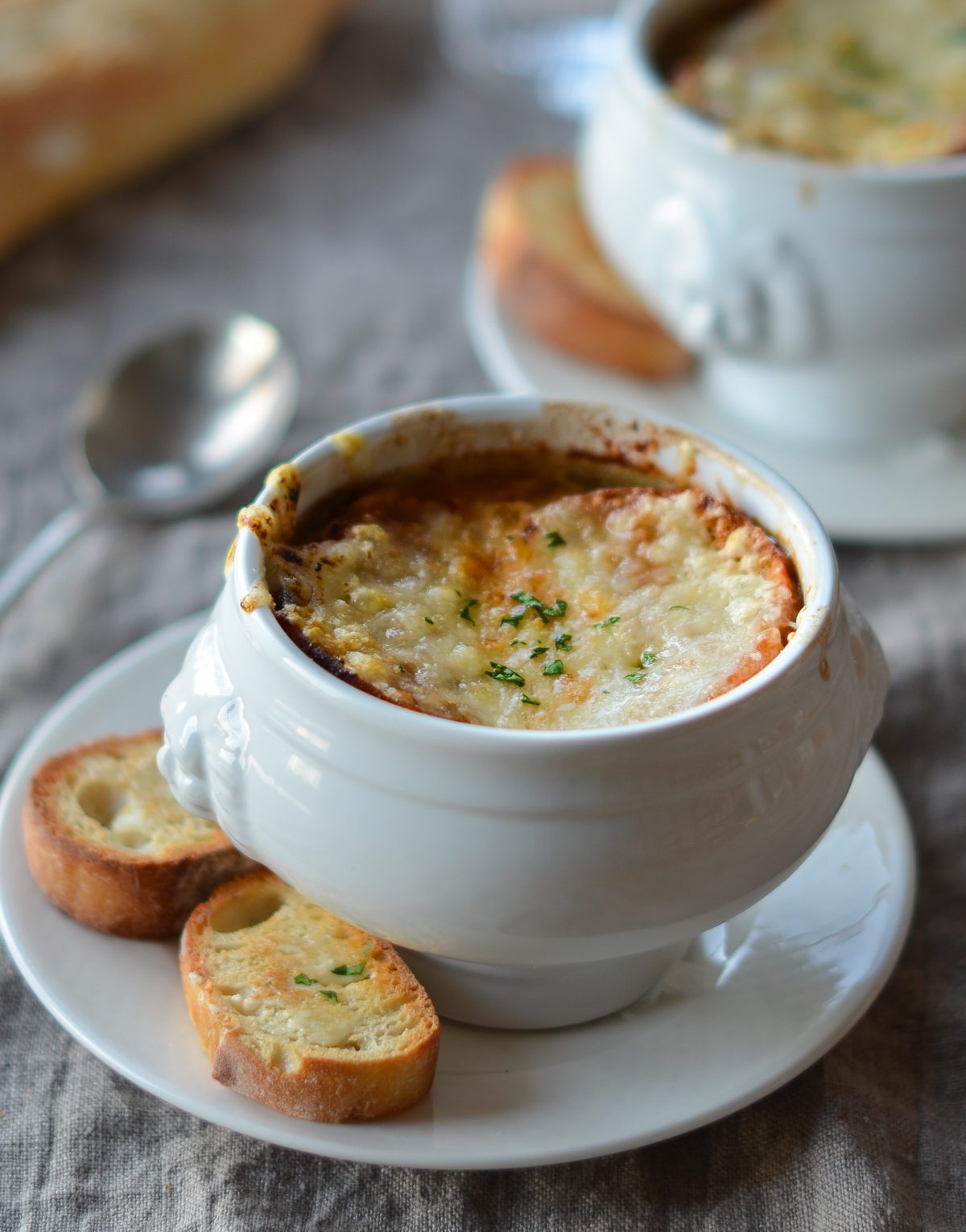
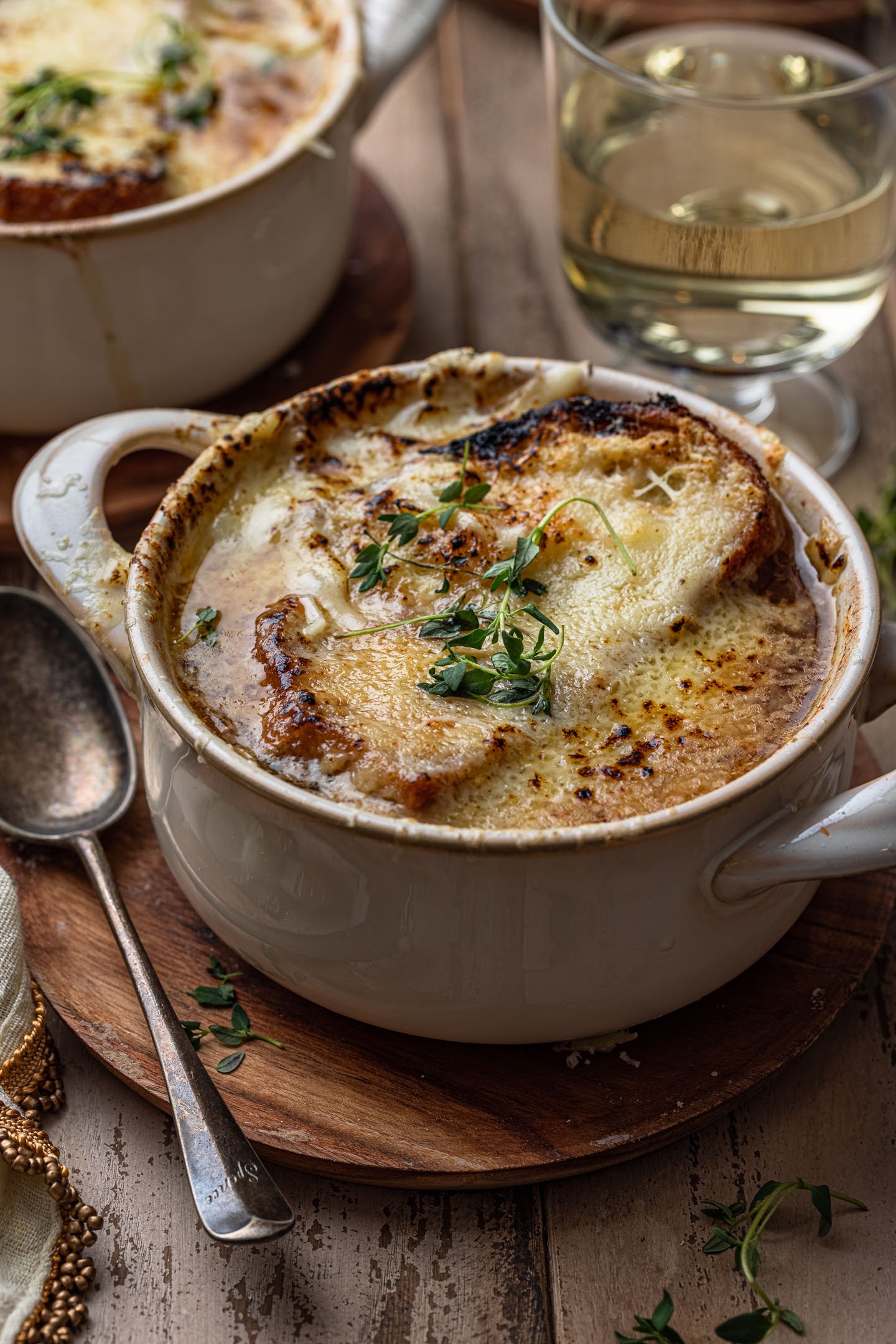
- Signature Appearance: The golden-brown, bubbling crust of melted Gruyère or Comté cheese, often extending over the sides of a crock or bowl, atop toasted bread, is its visual trademark. This presentation is as critical to its brand identity as a logo is to a corporate entity.
- Flavor Profile: A complex blend of sweet (from caramelized onions), savory (from beef broth and cheese), and slightly tangy (often from a splash of sherry or brandy) creates a harmonious and deeply satisfying taste. This consistent flavor profile reinforces brand expectations.
- Cultural Context: Its strong association with French bistro culture, romantic Parisian nights, and celebratory occasions imbues the dish with a powerful emotional and experiential brand value. It’s not just soup; it’s an experience.
These elements, consistently delivered, form the bedrock of the Soupe à l’oignon gratinée brand, making it both memorable and desirable across diverse markets.
Building a Legacy Brand: The Strategic Elements of its Identity
The endurance of Soupe à l’oignon gratinée as a legacy brand is not accidental. It is a result of intrinsic qualities that align with strategic branding principles, even if developed organically over centuries rather than through modern marketing campaigns.
“French Onion Soup”: An International Brand Name
The decision (or evolution) to label it “French Onion Soup” in English-speaking markets was a masterstroke of branding. It immediately communicates origin, quality, and a certain expectation of culinary excellence. The “French” prefix acts as a powerful brand endorser, leveraging France’s centuries-old reputation for gastronomic artistry. This naming convention sets it apart from other onion soups, establishing a premium tier within the broader category. It signifies authenticity and a commitment to traditional preparation methods, even when adapted for local palates. This phenomenon is similar to how “Italian Espresso” or “Belgian Waffles” carry a built-in brand promise of a specific, high-quality experience.
The Narrative Appeal: Tradition, Comfort, and Elegance
Every strong brand tells a compelling story, and Soupe à l’oignon gratinée is steeped in narratives that resonate deeply with consumers.
- Tradition: Its long history connects consumers to a sense of enduring culinary heritage. It suggests a dish that has stood the test of time, perfected over generations, offering a comforting sense of continuity in a rapidly changing world. This deep-rooted tradition is a core brand asset, signifying authenticity and reliability.
- Comfort: The warmth, richness, and hearty nature of the soup position it as ultimate comfort food. This emotional connection is a powerful driver of brand loyalty, as consumers associate the dish with feelings of coziness, nostalgia, and well-being.
- Elegance: Despite its humble origins, the gratinéed topping and its typical presentation in individual crocks elevate it to an elegant starter or light meal, suitable for both casual and formal dining. This dual positioning—comfort and elegance—expands its market appeal and reinforces its versatile brand image.
These narratives work in tandem to create a brand persona that is both approachable and sophisticated, appealing to a wide demographic seeking either nostalgic comfort or a taste of classic European refinement.
Marketing a Cultural Icon: Spreading the “French Onion Soup” Brand Globally
The global dissemination of Soupe à l’oignon gratinée is a prime example of how cultural products can be effectively marketed, even without overt advertising budgets, through reputation, experience, and strategic placement.
Gastronomic Tourism and Brand Promotion
France’s reputation as a culinary destination is a primary vehicle for promoting its food brands. Tourists visiting Paris often seek out classic dishes like Soupe à l’oignon gratinée in traditional bistros, creating an immersive brand experience. This direct engagement fosters word-of-mouth marketing and strengthens the dish’s association with an authentic French experience. Chefs and restaurateurs globally, influenced by French culinary traditions, act as brand ambassadors, introducing the dish to new audiences and maintaining its presence on international menus. Culinary schools, too, play a crucial role in perpetuating its legacy, teaching its authentic preparation and ensuring its continued brand integrity across generations of culinary professionals.
Maintaining Authenticity in a Globalized Market
One of the challenges for any global brand is maintaining authenticity while adapting to local tastes. For Soupe à l’oignon gratinée, strict adherence to its core ingredients (caramelized onions, rich beef broth, proper cheese, and toasted bread) is key to preserving its brand identity. While variations exist, straying too far from the established blueprint risks diluting the brand’s essence. Restaurants and food manufacturers that respect the original formulation reinforce the brand’s promise of quality and tradition. This commitment to authenticity ensures that the “French Onion Soup” experience remains consistent and continues to meet consumer expectations worldwide, much like luxury brands meticulously control their product specifications.
The Enduring Brand Value of Classic Cuisine
The longevity and widespread appeal of Soupe à l’oignon gratinée underscore the significant brand value embedded in classic culinary creations. Its journey from a simple, regional dish to a universally recognized symbol of French cuisine highlights the power of a strong, consistent brand identity.
Legacy, Adaptation, and Consumer Loyalty
The legacy of Soupe à l’oignon gratinée is continuously reinforced through its presence in countless cookbooks, restaurant menus, and cultural references. This ongoing visibility keeps the brand relevant across generations. While its fundamental recipe remains sacrosanct, subtle adaptations, such as vegetarian versions or variations in cheese, demonstrate its ability to evolve slightly without compromising its core identity—a hallmark of resilient branding. This adaptability allows it to reach new market segments while still honoring its heritage.
Ultimately, consumer loyalty to “French Onion Soup” is built upon trust—trust in its consistent flavor, its comforting experience, and its promise of a taste of France. This deep-seated loyalty transforms mere consumption into an emotional connection, ensuring that Soupe à l’oignon gratinée will continue to thrive as a culinary brand for centuries to come, an iconic representation of France’s rich gastronomic heritage, known globally and cherished locally as Soupe à l’oignon gratinée.
aViewFromTheCave is a participant in the Amazon Services LLC Associates Program, an affiliate advertising program designed to provide a means for sites to earn advertising fees by advertising and linking to Amazon.com. Amazon, the Amazon logo, AmazonSupply, and the AmazonSupply logo are trademarks of Amazon.com, Inc. or its affiliates. As an Amazon Associate we earn affiliate commissions from qualifying purchases.