
In the intricate world of commerce and supply chains, the movement of goods from origin to destination is fundamental. At the heart of this movement lies a critical financial consideration for businesses of all sizes: the freight fee. Far from being a simple charge, a freight fee encompasses a complex array of costs associated with transporting goods, directly impacting a company’s profitability, pricing strategies, and overall financial health. Understanding what constitutes a freight fee, how it’s calculated, and its financial implications is paramount for effective business finance and strategic decision-making.
Understanding the Core Concept of Freight Fees
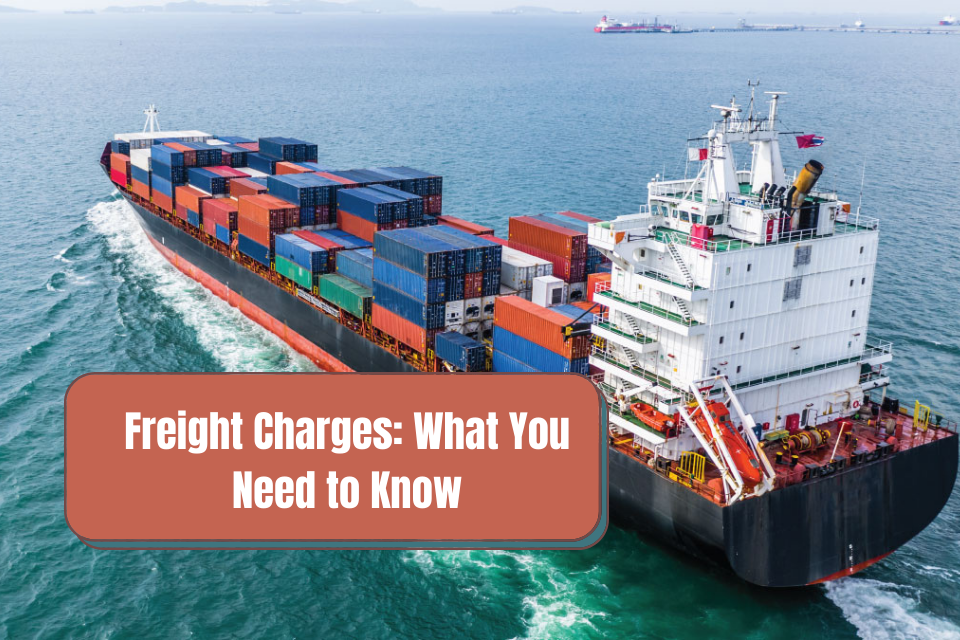
A freight fee is the cost charged by a carrier or logistics provider for the transportation of goods, typically in bulk or larger quantities, from one location to another. Unlike standard parcel shipping for small items, freight usually refers to shipments that are too large or heavy for regular postal or courier services. It’s a cornerstone of business finance, representing a significant operational expense that must be carefully managed to maintain competitive pricing and healthy profit margins.
The Role of Freight in Commerce
Freight transportation is the backbone of global and local economies, facilitating trade across industries from manufacturing and retail to agriculture and energy. It enables businesses to acquire raw materials, distribute finished products to consumers, and move inventory between warehouses. For any enterprise involved in buying or selling physical goods, understanding and managing freight costs is not just an administrative task but a strategic imperative. These costs directly affect the landed cost of goods, influencing everything from inventory valuation to product pricing and, ultimately, the business’s bottom line.
Differentiating Freight from Standard Shipping
While both freight and standard shipping involve moving items, they cater to different needs and carry distinct financial implications. Standard shipping typically refers to small parcels handled by services like postal carriers or express couriers, priced primarily by weight and sometimes distance. Freight, on the other hand, deals with larger, heavier, or bulkier shipments, often necessitating specialized equipment and handling.
Key differentiators include:
- Size and Weight: Freight usually involves shipments weighing over 150 pounds or exceeding certain dimensions, often transported on pallets or in containers.
- Mode of Transport: Freight commonly utilizes trucks (LTL – Less Than Truckload, FTL – Full Truckload), trains, ships, and cargo planes, each with distinct pricing structures and transit times.
- Pricing Structure: Freight fees are far more complex, incorporating base rates, fuel surcharges, accessorial charges, and often specific taxes or duties, making their financial management a more nuanced task.
- Logistics Complexity: Freight often requires detailed bills of lading, customs documentation for international shipments, and specialized handling, all of which contribute to the overall fee structure.
For businesses, misclassifying a shipment can lead to unexpected costs or delays, highlighting the importance of accurately identifying and budgeting for freight expenses.
Key Components and Types of Freight Fees
The total freight fee is rarely a single, flat charge. Instead, it’s a composite of various elements that reflect the complexity of the logistics process. A clear understanding of these components is vital for businesses to accurately forecast expenses, negotiate better rates, and understand their true cost of goods sold.
Base Rate and Fuel Surcharges
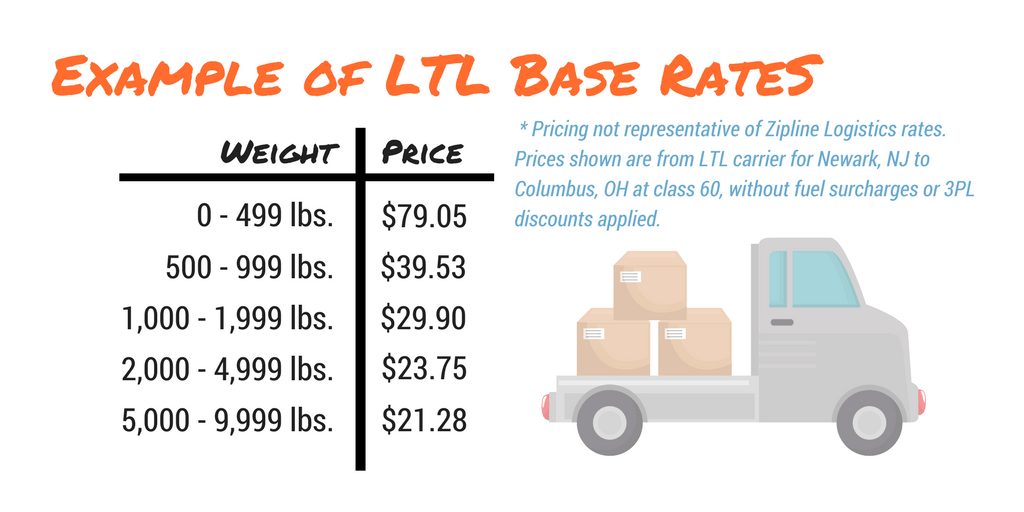
The base rate is the fundamental charge for transporting goods from point A to point B. This rate is influenced by factors such as the distance, mode of transport (e.g., LTL, FTL, air, ocean), the weight and dimensions of the shipment, and the commodity type. Carriers typically use complex algorithms to determine base rates, often leveraging historical data and current market demand.
In addition to the base rate, a fuel surcharge is almost universally applied. Given the volatility of fuel prices, carriers add this fluctuating charge to cover the cost of diesel or jet fuel. This surcharge is usually calculated as a percentage of the base rate or per mile, and it changes regularly based on published fuel indexes. For businesses, monitoring fuel surcharge trends is critical for financial forecasting, as sudden spikes can significantly impact overall shipping costs and, by extension, profit margins.
Accessorial Charges: Beyond the Standard
Accessorial charges are additional fees levied for services performed beyond the standard pickup and delivery. These charges can quickly add up and often catch businesses by surprise if not anticipated. Examples include:
- Liftgate Service: Required when the pickup or delivery location doesn’t have a loading dock, necessitating a hydraulic lift to move freight on or off the truck.
- Inside Delivery/Pickup: If the driver needs to move the freight beyond the immediate loading dock area, into a warehouse or office.
- Residential Delivery/Pickup: Delivering to or picking up from a residential address, which often involves navigating narrower streets and different equipment.
- Limited Access Delivery/Pickup: For locations like schools, churches, construction sites, or military bases, which might have security protocols or restricted access.
- Detention: Charged when a driver is delayed at pickup or delivery for an extended period beyond the allotted free time.
- Re-delivery: If the initial delivery attempt fails, and the carrier has to make another attempt.
- Storage Fees: If freight is held at a terminal for an extended period before delivery or pickup.
- Hazardous Materials Fee: For shipments containing dangerous goods that require special handling and permits.
Careful planning and clear communication with carriers can help businesses minimize these often-avoidable charges, directly impacting their financial outflow.
Customs Duties and Taxes (for international freight)
For businesses engaged in international trade, customs duties and taxes are significant components of the freight fee. These are tariffs or taxes imposed by the government on goods imported or exported across international borders. The amount depends on the Harmonized System (HS) code of the product, its value, and the specific trade agreements between the countries involved. Beyond duties, businesses may also incur:
- Brokerage Fees: Charged by customs brokers for preparing and submitting customs documentation and facilitating clearance.
- Port Congestion Fees: Surcharges applied when ports are heavily congested, causing delays and additional operational costs for carriers.
- Security Surcharges: Fees related to enhanced security measures at ports and airports.
Navigating these international financial intricacies requires expertise and can significantly affect the final landed cost of imported goods, demanding robust financial planning and risk assessment.
Insurance and Liability Fees
While carriers typically offer a basic level of liability coverage, this often only covers a minimal amount per pound or per shipment, which may be insufficient for high-value goods. Therefore, businesses often opt for additional freight insurance to protect against loss or damage during transit. The cost of this insurance is another component of the overall freight fee. Understanding the carrier’s liability terms and the costs of supplemental insurance is critical for mitigating financial risk associated with damaged or lost inventory.
Factors Influencing Freight Fee Calculation
The ultimate cost of a freight fee is a dynamic figure influenced by a multitude of variables. Businesses must understand these factors to anticipate costs, negotiate effectively, and optimize their logistics spend.
Weight and Dimensions (Dimensional Weight)
The most obvious factors are the actual weight and dimensions of the shipment. Heavier and larger shipments generally incur higher costs because they consume more space and fuel. However, carriers also use a concept called “dimensional weight” or “volumetric weight.” This calculation considers the amount of space a package occupies in relation to its actual weight. If a lightweight but bulky item takes up a significant amount of space, the carrier will charge based on the dimensional weight, which is often higher than the actual weight. Businesses that fail to optimize packaging for density can face substantially inflated freight costs.
Distance and Mode of Transport
The further the distance the goods need to travel, the higher the freight fee will generally be, reflecting increased fuel consumption, labor, and time. The chosen mode of transport also plays a crucial role:
- Road (Trucking): LTL (Less Than Truckload) is cost-effective for smaller freight volumes, while FTL (Full Truckload) is more economical for larger shipments filling an entire trailer.
- Rail: Often more cost-effective for long-distance, heavy shipments, especially for bulk goods.
- Ocean (Sea Freight): The most economical for international, non-urgent, heavy, and bulky goods, but with the longest transit times.
- Air (Air Freight): The fastest option for international shipping but also the most expensive, typically reserved for high-value, time-sensitive, or perishable goods.

Each mode presents a different cost structure, and the choice directly impacts a business’s budget and delivery timelines.
Urgency and Special Handling Requirements
Time-sensitive shipments demand expedited services, which naturally come at a premium. Overnight delivery or guaranteed same-day services incur higher fees due to dedicated resources and faster transit times. Similarly, goods requiring special handling—such as temperature-controlled (refrigerated) transport for perishables, fragile items needing extra cushioning, or hazardous materials—will incur additional costs due to specialized equipment, training, and regulatory compliance. These “premium” services, while necessary for certain products, must be carefully factored into financial planning.
Market Conditions and Supply-Chain Dynamics
Freight fees are not static; they fluctuate with market conditions, mirroring the basic economic principles of supply and demand. Factors influencing these fluctuations include:
- Capacity: When carrier capacity is tight (e.g., during peak seasons like holidays or due to driver shortages), rates tend to rise.
- Fuel Prices: As previously mentioned, fuel volatility directly impacts surcharges.
- Economic Conditions: Economic downturns can reduce demand for shipping, potentially lowering rates, while booms can increase demand, leading to higher costs.
- Geopolitical Events: Wars, trade disputes, or natural disasters can disrupt supply chains, creating bottlenecks and driving up freight costs significantly.
Businesses need to monitor these external factors closely to anticipate changes in their logistics budget and adjust their financial strategies accordingly.
The Financial Impact of Freight Fees on Businesses
Freight fees are not merely an operational expense; they are a strategic financial lever that profoundly influences a business’s profitability, competitiveness, and cash flow. Effective management of these costs is critical for sustained financial health.
Cost of Goods Sold and Profit Margins
For businesses involved in manufacturing or retail, freight fees are a direct component of the Cost of Goods Sold (COGS). The cost to bring raw materials to the factory or finished products to the warehouse, including all freight charges, adds to the total cost of each item. A higher COGS, directly impacted by rising freight fees, reduces the gross profit margin on each sale. If these increased costs cannot be passed on to the consumer through higher selling prices, the business’s overall profitability will suffer. Therefore, carefully controlling freight expenses is essential for protecting and enhancing profit margins.
Pricing Strategy and Competitiveness
Freight costs play a pivotal role in determining a product’s final selling price. Businesses must decide whether to absorb these costs, pass them entirely to the customer (e.g., “shipping and handling”), or implement a hybrid approach (e.g., offering “free shipping” while embedding a portion of the cost into the product price).
- Absorbing costs can make a product more competitively priced but squeezes profit margins.
- Passing costs to the customer can make a product appear more expensive upfront, potentially deterring price-sensitive buyers.
- “Free shipping” is a powerful marketing tool, but it requires careful financial modeling to ensure that the embedded freight costs don’t erode profitability.
The strategic management of freight fees is therefore crucial for maintaining competitive pricing in the market while ensuring financial viability.
Cash Flow Management
Freight fees often require upfront payment or payment within short terms, impacting a business’s cash flow. For companies with high shipping volumes or large, expensive shipments, managing these immediate outflows is critical. Poor forecasting or unexpected accessorial charges can strain working capital, potentially limiting funds available for other operational needs or growth initiatives. Robust cash flow planning that accounts for anticipated and potential freight expenses is essential for financial stability.
Budgeting and Forecasting
Accurate budgeting and forecasting of freight fees are fundamental for sound financial planning. Fluctuations in fuel prices, market demand, and carrier surcharges make this a complex task. Businesses need sophisticated financial tools and analytical capabilities to predict these costs. Underestimating freight expenses can lead to budget overruns, unexpected losses, and a distorted view of financial performance. Conversely, accurate forecasting allows businesses to set realistic budgets, plan inventory levels, and make informed decisions about procurement and distribution strategies.
Strategies for Managing and Reducing Freight Costs
Given the significant financial impact of freight fees, businesses continuously seek ways to optimize and reduce these expenses. Proactive strategies can yield substantial savings and improve overall financial performance.
Negotiating with Carriers
For businesses with consistent shipping volumes, negotiating directly with carriers is a powerful strategy. Leveraging historical shipping data, volume commitments, and future projections, companies can often secure favorable base rates, discounts on surcharges, and more flexible payment terms. It’s often beneficial to work with multiple carriers to compare quotes and foster competition, but consolidating volume with a preferred carrier can also lead to better rates due to increased leverage. Regularly reviewing and renegotiating contracts ensures that rates remain competitive and aligned with current market conditions.
Optimizing Logistics and Packaging
Streamlining internal logistics processes and optimizing packaging can significantly reduce freight costs.
- Packaging Optimization: Reducing package dimensions and weight without compromising product protection directly lowers dimensional weight charges. Using standardized packaging where possible can also simplify handling and negotiation.
- Load Optimization: For LTL and FTL shipments, maximizing the utilization of trailer space (cube optimization) means paying for the space used rather than for empty air.
- Route Optimization: Analyzing and optimizing shipping routes can reduce mileage, fuel consumption, and transit times, leading to lower base rates and fuel surcharges.
- Warehouse Location: Strategically locating warehouses closer to key suppliers or customers can reduce overall shipping distances and associated costs.
These operational efficiencies translate directly into financial savings.
Leveraging Technology and Data Analytics
Technology plays an increasingly vital role in freight cost management. Transportation Management Systems (TMS) provide tools for comparing carrier rates, optimizing routes, tracking shipments, and auditing invoices for discrepancies. Analytics platforms can dissect freight spend, identify trends, highlight areas for improvement, and forecast future costs with greater accuracy. By leveraging data, businesses can gain granular insights into their freight operations, making data-driven decisions that lead to significant cost reductions and improved financial oversight. This includes identifying recurring accessorial charges that can be avoided with process changes or negotiating better terms for specific services.
Consolidating Shipments
Whenever feasible, consolidating multiple smaller shipments into larger, less frequent freight movements can lead to substantial savings. Rather than sending several individual parcels, combining them into a single LTL or even FTL shipment can drastically reduce the per-unit shipping cost. This strategy requires careful inventory management and demand planning to ensure that consolidation doesn’t lead to stockouts or customer service issues. However, when executed effectively, shipment consolidation can transform multiple high-cost, small parcel charges into a more economical freight fee, directly boosting financial efficiency.
In conclusion, understanding what constitutes a freight fee is fundamental for any business involved in the movement of goods. By meticulously analyzing its components, recognizing influencing factors, and implementing proactive management strategies, companies can transform freight from a volatile expense into a controllable and predictable element of their financial success.
aViewFromTheCave is a participant in the Amazon Services LLC Associates Program, an affiliate advertising program designed to provide a means for sites to earn advertising fees by advertising and linking to Amazon.com. Amazon, the Amazon logo, AmazonSupply, and the AmazonSupply logo are trademarks of Amazon.com, Inc. or its affiliates. As an Amazon Associate we earn affiliate commissions from qualifying purchases.