
Understanding the Fundamentals of Fixed Wireless Access (FWA)
Fixed Wireless Access (FWA) represents a significant component of modern connectivity infrastructure, offering an alternative to traditional wired broadband services like fiber optic or cable internet. At its core, FWA delivers internet connectivity to a fixed geographical location—such as a home or office—using radio waves rather than physical cables laid underground or strung overhead. This distinction is crucial, as it fundamentally changes how internet service providers (ISPs) can deploy and manage their networks, especially in areas where wired infrastructure is either prohibitively expensive or physically challenging to install. Unlike mobile wireless services, which are designed for devices in motion, FWA is optimized for stationary reception, providing a stable and consistent connection to a designated premise.
Defining Fixed Wireless Technology
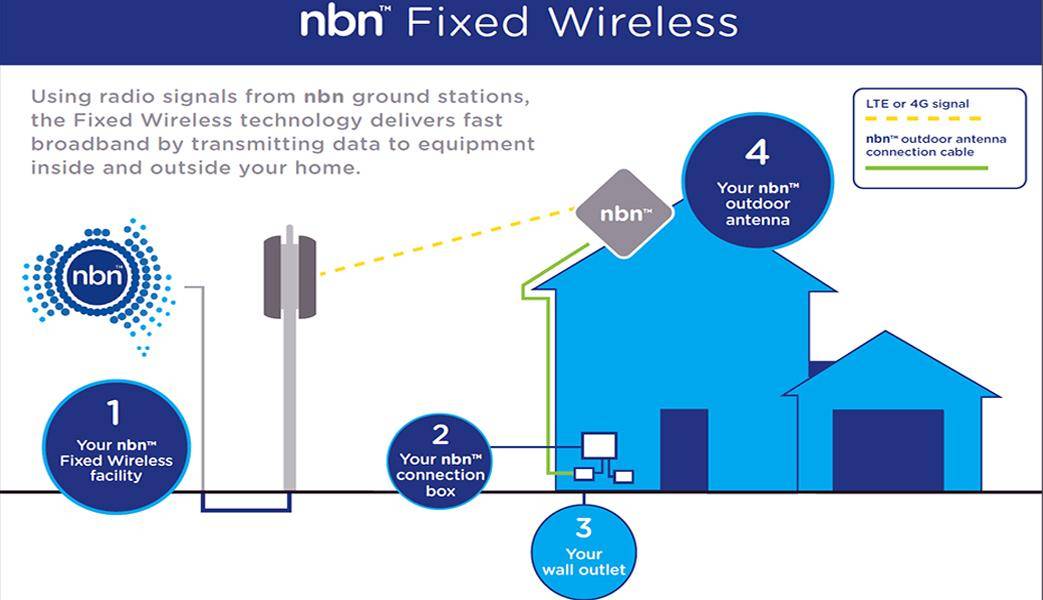
Fixed wireless technology operates by establishing a wireless link between a service provider’s base station (often located on a cell tower, rooftop, or dedicated pole) and a receiver unit installed at the customer’s premise. This contrasts sharply with technologies like DSL, cable modem, or fiber-to-the-home (FTTH), all of which rely on physical lines to transmit data. The “fixed” aspect means the customer’s equipment is stationary, allowing for focused signal transmission and reception, which can optimize performance and reliability compared to mobile broadband. It leverages the same underlying principles of radio frequency communication that power mobile phones, Wi-Fi, and satellite communication, but with a specific architectural design tailored for point-to-point or point-to-multipoint delivery of broadband internet to a static endpoint. This approach makes FWA a compelling solution for extending broadband access beyond the reach of traditional wireline networks, thereby playing a vital role in addressing the digital divide.
Key Components of an FWA System
A typical Fixed Wireless Access system comprises several essential components that work in tandem to deliver broadband internet:
-
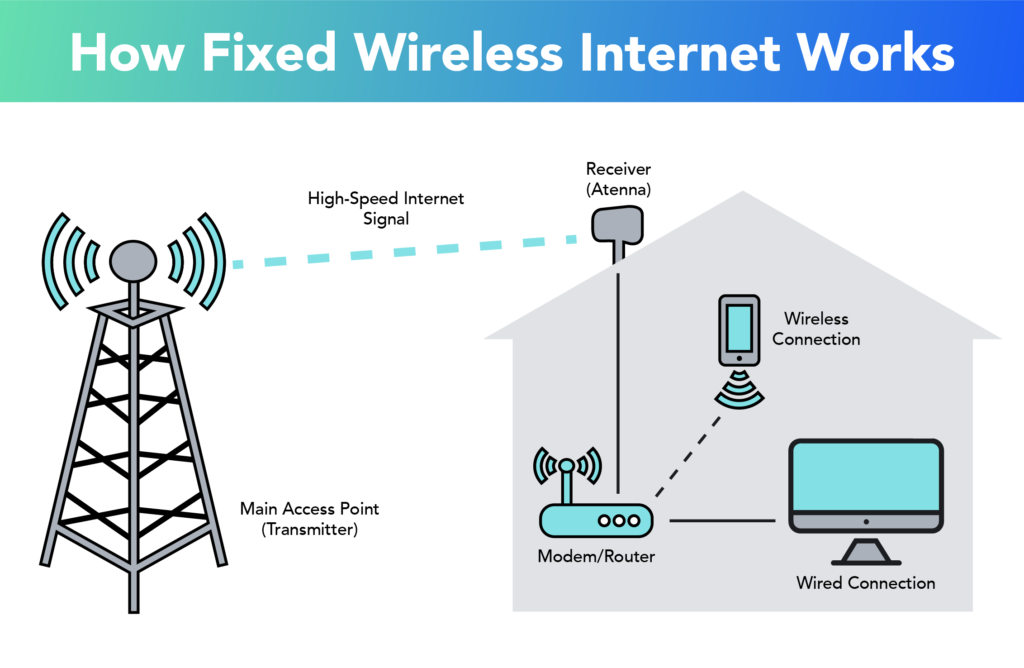
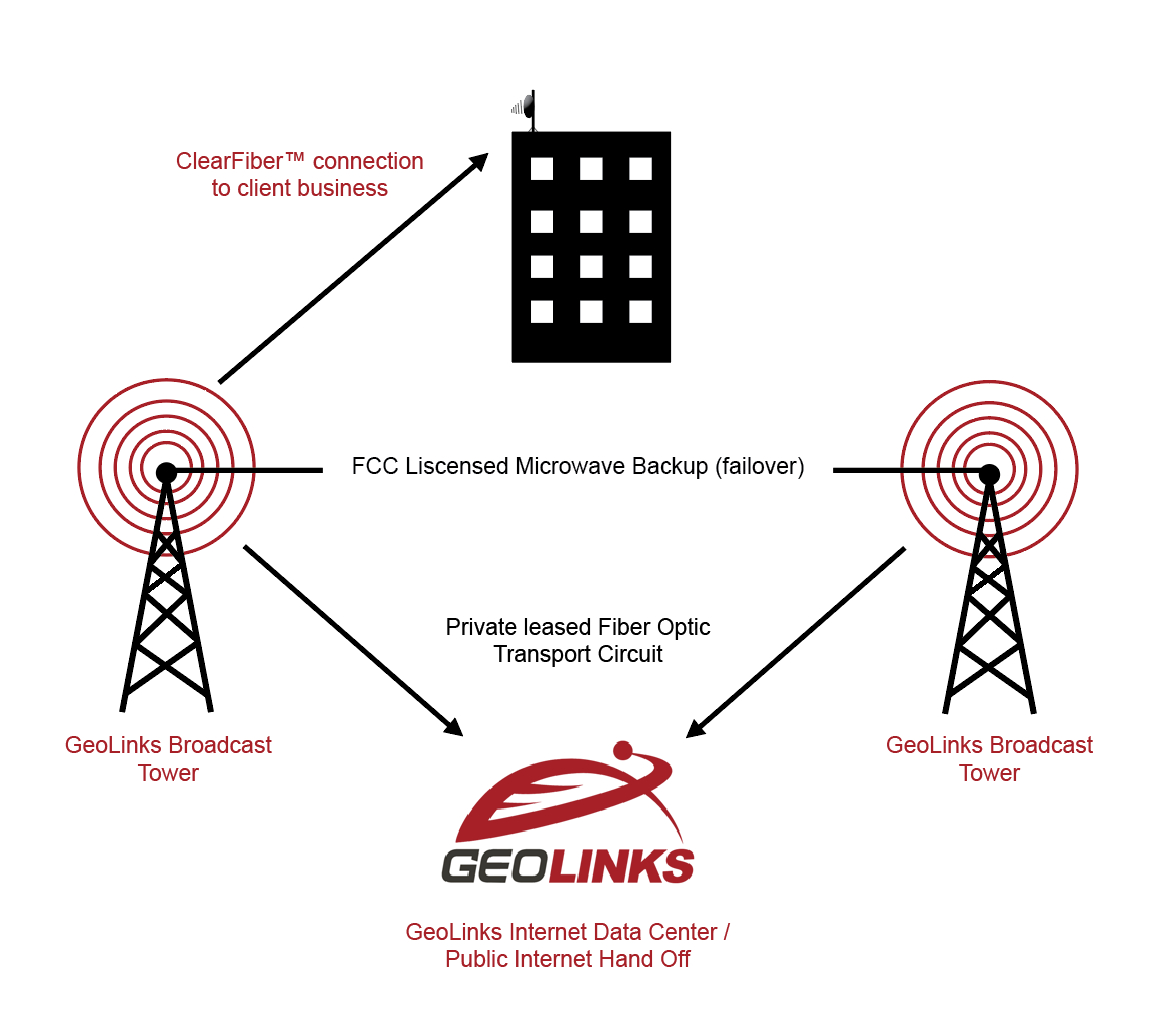
Base Station/Access Point: This is the central hub of the FWA network. It’s usually a high-capacity transceiver mounted on a tall structure like a cellular tower, water tower, or dedicated mast. The base station connects to the internet backbone via a high-speed fiber or microwave backhaul link and broadcasts radio signals across a specific geographic area or sector. It can serve multiple customer premises simultaneously within its coverage footprint.
-
Customer Premises Equipment (CPE) / Subscriber Unit: This is the receiver installed at the user’s location. The CPE is an outdoor unit (ODU), typically an antenna and transceiver, mounted on the roof, side of a building, or a pole. Its primary function is to receive the radio signals from the base station and transmit data back to it. The design of the CPE varies, ranging from small, unobtrusive units to larger, more directional antennas, depending on the required range and signal strength.
-
Backhaul Connection: While not directly at the customer’s premise, the backhaul is critical for the overall system. It’s the high-capacity link that connects the FWA base station to the internet’s core network. This connection is typically fiber optic but can also be a high-capacity microwave link, ensuring that the base station has sufficient bandwidth to distribute to its subscribers.
-
Indoor Router/Wi-Fi Access Point: Once the CPE receives the signal and processes it, the data is sent via an Ethernet cable into the customer’s premises. Here, an indoor router (often a standard Wi-Fi router) distributes the internet connection to various devices within the home or office via Wi-Fi and/or Ethernet ports, similar to how traditional wired broadband connections are distributed.
How Fixed Wireless Delivers Connectivity
The mechanism through which fixed wireless delivers internet connectivity relies on established principles of radio frequency communication. It’s a carefully orchestrated process designed to maximize signal integrity and data throughput from the service provider’s network to the end-user. Understanding this process sheds light on both its efficiencies and its inherent limitations.
The Transmission Process
The core of FWA involves a “last-mile” wireless link. Data from the internet backbone arrives at the FWA base station. This base station then converts the digital data into radio waves and broadcasts them using specific radio frequencies. The CPE at the customer’s location is precisely aligned (often line-of-sight, or near line-of-sight) to receive these radio waves. The CPE acts as a two-way radio, not only receiving data from the base station but also transmitting requests and upstream data back to it.
For optimal performance, a clear line of sight between the CPE and the base station is often preferred, meaning no significant physical obstructions like dense trees, tall buildings, or hills should block the signal path. While advanced FWA technologies can tolerate some non-line-of-sight conditions through signal reflection or refraction, direct line of sight generally ensures the strongest and most reliable connection, minimizing signal degradation and maximizing speed. The CPE demodulates the received radio signal back into digital data, which is then passed to the indoor router for distribution.
Spectrum and Bandwidth
The efficiency and capacity of an FWA system are heavily dependent on the radio frequency spectrum it utilizes. Different frequency bands have distinct characteristics:
- Lower Frequencies (e.g., sub-6 GHz): These frequencies can travel further and penetrate obstacles more effectively. They are commonly used in earlier generations of FWA and are still prevalent in rural deployments. However, they typically offer lower bandwidth capacities compared to higher frequencies.
- Higher Frequencies (e.g., millimeter-wave or mmWave in 5G): These bands, particularly those used in 5G FWA (e.g., 24 GHz, 28 GHz, 39 GHz), offer enormous bandwidth and can support extremely high speeds, comparable to fiber optics. The trade-off is that mmWave signals have a much shorter range and are highly susceptible to blockage by physical obstructions and atmospheric conditions (like rain fade). This necessitates more frequent base station deployments (smaller cell sizes) but allows for dense, high-capacity coverage in urban and suburban environments.
- Licensed vs. Unlicensed Spectrum: FWA can operate on both. Licensed spectrum offers dedicated channels, reducing interference and ensuring more predictable performance. Unlicensed spectrum (like the 2.4 GHz and 5 GHz bands used by Wi-Fi) is freely available but can suffer from congestion and interference from other devices sharing the same frequencies. Providers often invest in licensed spectrum for robust and scalable FWA services.
The careful selection and management of spectrum, combined with advanced modulation and antenna technologies (like MIMO and beamforming), are crucial for FWA providers to deliver competitive speeds and reliable service.
Advantages and Disadvantages in the Modern Connectivity Landscape
Fixed Wireless Access has emerged as a compelling solution for a variety of broadband needs, yet it comes with its own set of strengths and weaknesses that influence its suitability in different contexts. Understanding these pros and cons is key to appreciating its role in the broader telecommunications ecosystem.
Benefits of Fixed Wireless
- Rapid Deployment: One of FWA’s most significant advantages is its speed of deployment. Unlike fiber optic or cable internet, which require extensive trenching, pole installation, and laying physical cables, FWA relies on existing tower infrastructure (or relatively quick new pole installations) and wireless transmission. This makes it much faster and less disruptive to bring broadband services to new areas, especially in underserved or rural communities.
- Bridging the Digital Divide: FWA is a powerful tool for extending internet access to rural and remote areas where the cost of deploying wired infrastructure is prohibitive for ISPs. By leveraging wireless technology, providers can reach homes and businesses that would otherwise remain unserved or underserved by high-speed broadband, directly addressing the digital divide.
- Cost-Effectiveness: For ISPs, the capital expenditure (CapEx) associated with deploying FWA can be significantly lower than that of fiber or cable networks. Reduced infrastructure costs can translate into more competitive pricing for consumers, making broadband more affordable and accessible.
- Flexibility and Scalability: FWA networks can be more adaptable to changing demand. Capacity can often be upgraded by installing new radios or antennas at existing base stations, or by adding more spectrum, rather than tearing up streets to lay new cables. This flexibility aids in future-proofing the network to a degree.
- 5G Integration: The advent of 5G technology has dramatically elevated the potential of FWA. 5G FWA can deliver speeds and latency comparable to, and in some cases exceeding, traditional wired connections, particularly fiber. This transformation positions FWA as a credible, high-performance alternative not just for rural areas, but also for urban and suburban markets.
Challenges and Limitations
- Line of Sight Issues: Despite advancements, FWA still performs best with a clear line of sight between the CPE and the base station. Obstacles like dense foliage, new buildings, or changes in terrain can degrade signal quality, reduce speeds, or even block connectivity entirely. This makes site surveys and careful installation critical.
- Interference: As a wireless technology, FWA is susceptible to interference. This can come from other wireless devices operating on the same or adjacent frequencies, or from environmental factors. While licensed spectrum mitigates much of this, unlicensed bands or poorly designed networks can suffer.
- Capacity Constraints (Historical): Traditionally, FWA networks could face capacity limitations, especially in dense areas or during peak usage hours, as the available bandwidth was shared among all users connected to a particular base station. However, with advances in massive MIMO, beamforming, and the wider spectrum available with 5G, this challenge is being significantly addressed, allowing for much greater subscriber density and higher aggregate throughput.
- Weather Sensitivity: While generally robust, severe weather conditions can occasionally impact FWA performance, particularly at higher millimeter-wave frequencies. Heavy rain, snow, or dense fog can cause “rain fade,” attenuating signals and potentially leading to temporary service degradation or outages.
- Distance Limitations: The further a CPE is from the base station, the weaker the signal becomes, leading to lower speeds and less reliable connections. This inherent physical limitation dictates the effective coverage area of each base station and requires careful network planning.
The Evolving Role of Fixed Wireless in Tech Trends
Fixed Wireless Access is not a static technology; it’s continually evolving, driven by advancements in wireless communications and a persistent global demand for ubiquitous, high-speed internet. Its trajectory is increasingly intertwined with major technological trends, positioning it as a key player in the future of connectivity.
5G Fixed Wireless Access (5G FWA)
The most significant recent development transforming FWA is the integration of 5G technology. 5G FWA leverages the advanced capabilities of the fifth generation of cellular technology, including:
- Massive MIMO (Multiple-Input, Multiple-Output): Allows base stations to handle many simultaneous connections and improve spectral efficiency.
- Beamforming: Directs wireless signals precisely towards individual user devices, improving signal strength and reducing interference.
- Millimeter-wave (mmWave) Frequencies: Enables extremely high bandwidth and low latency, unlocking speeds comparable to, or even exceeding, fiber optic connections in certain deployments.
These innovations mean that 5G FWA is no longer just a solution for underserved rural areas. It’s becoming a viable and attractive alternative to traditional wired broadband in urban and suburban environments, offering competitive speeds, lower latency, and quicker installation times, all without the need for extensive trenching. This expanded capability significantly broadens FWA’s market appeal.
Competition with Fiber and Cable
Historically, FWA was often seen as a last resort in areas without wired options. However, with 5G FWA, the technology is now directly competing with established fiber and cable broadband providers. For many consumers and businesses, the decision between 5G FWA and wired options now hinges on price, availability, and specific performance requirements rather than just “if” broadband is available. The ease of deployment for FWA means that service providers can enter new markets much faster, intensifying competition and potentially driving down prices for consumers across the board. It particularly excels in the “last mile” problem, where the cost of extending fiber to every single home can be prohibitive.
Enterprise Applications
Beyond residential use, FWA is gaining traction in the enterprise sector. Businesses can utilize FWA for:
- Primary Internet Access: Particularly for small and medium-sized businesses (SMBs) in areas where fiber is unavailable or too expensive.
- Redundant Connections: Providing a backup internet connection to ensure business continuity if the primary wired line fails.
- Temporary Sites and Pop-Up Locations: Quickly establishing high-speed internet for construction sites, events, retail kiosks, or mobile offices where wired infrastructure is impractical.
- Branch Office Connectivity: Connecting geographically dispersed offices efficiently without the high cost of dedicated leased lines.
The rapid deployment and flexibility of FWA make it an attractive option for dynamic business needs.
Smart Cities and IoT
The widespread adoption of FWA also holds significant promise for the development of smart cities and the Internet of Things (IoT). Its ability to provide robust, wireless broadband connectivity to fixed locations can support:
- Connecting Smart City Infrastructure: Linking traffic sensors, smart lighting, public safety cameras, environmental monitoring stations, and other municipal IoT devices.
- Last-Mile Connectivity for IoT Gateways: Enabling gateways that collect data from numerous localized IoT sensors to transmit that data back to central processing hubs.
- Public Wi-Fi Hotspots: Extending internet access in urban centers and public spaces efficiently.
FWA’s role in providing the foundational connectivity layer for these advanced applications is crucial for their scalability and effectiveness.
Future Outlook
The future of fixed wireless is bright, driven by ongoing advancements in wireless technology and the relentless demand for faster, more reliable, and universally accessible internet. As 5G networks continue to expand globally, 5G FWA will become an increasingly common and competitive broadband option. Further innovations in spectrum utilization, antenna design, and network slicing (a 5G capability allowing dedicated network resources for specific applications) will continue to enhance FWA’s performance and versatility. It is poised to play an indispensable role in closing the remaining digital divides, fostering economic growth, and enabling the next generation of connected technologies, solidifying its position as a cornerstone of the modern digital landscape.
aViewFromTheCave is a participant in the Amazon Services LLC Associates Program, an affiliate advertising program designed to provide a means for sites to earn advertising fees by advertising and linking to Amazon.com. Amazon, the Amazon logo, AmazonSupply, and the AmazonSupply logo are trademarks of Amazon.com, Inc. or its affiliates. As an Amazon Associate we earn affiliate commissions from qualifying purchases.